Julia Fox’s intersectional fail

– 5 min read
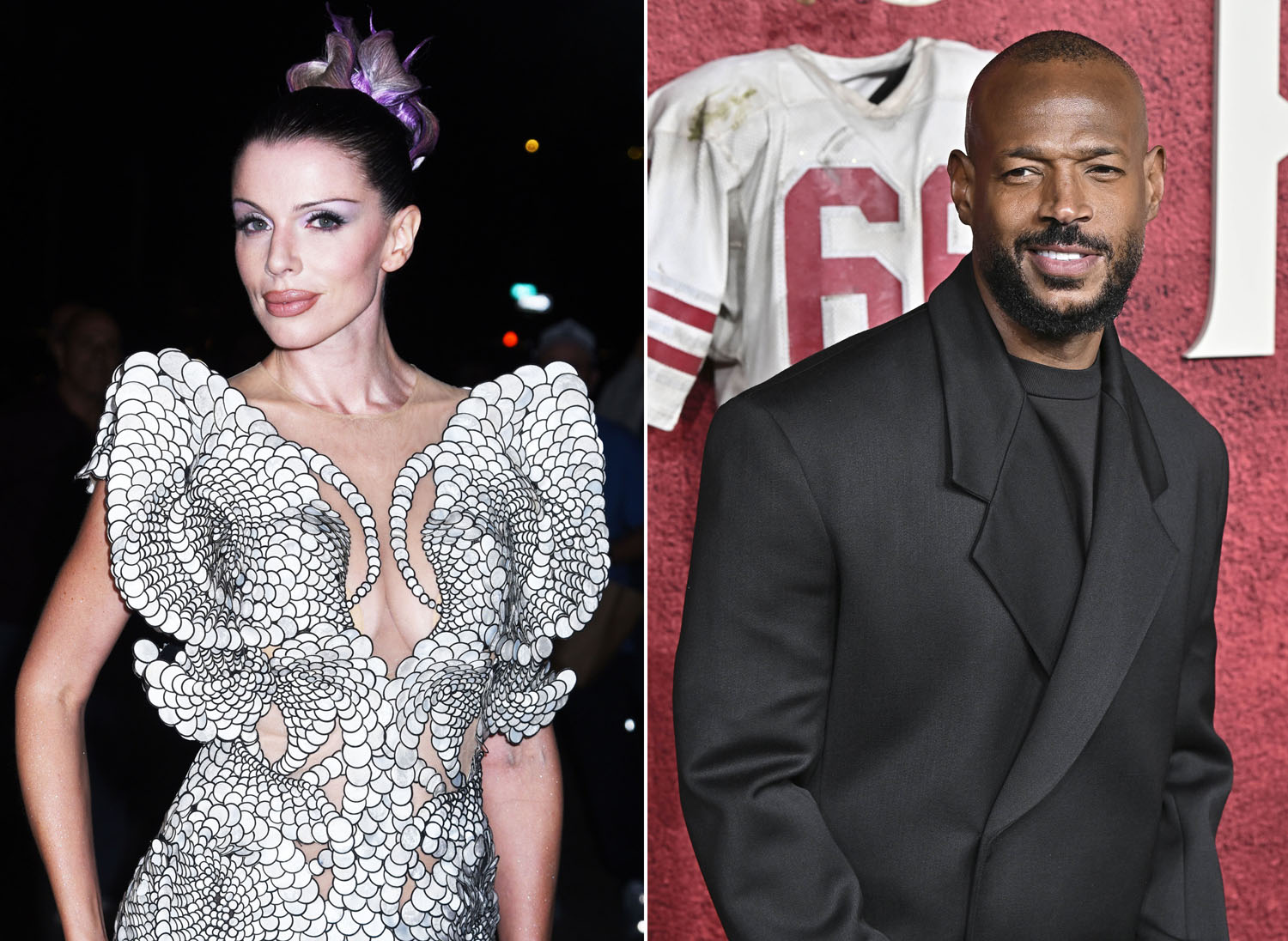
Julia Fox is catching heat over a display of what internet users are calling ‘white feminism’. This came after a clip of an interview she did recently with the co-stars of her latest film, Him, gained traction online.
Julia, her on-screen husband Marlon Wayans, and their co-star Tyriq Withers appeared together during a press junket to promote the movie. The clip starts off with Marlon talking about the importance of youth learning what it means to be a ‘real man’. But before he could finish his thought, Julia interrupted several times, challenging him on what he meant, not leaving him the space or time to answer.
There are very few conversations I enjoy more than the ones that allow me to give men a hard time. I have many interests, but the conversation I’m most likely to be interested in at any given point in time is actually the exact kind of conversation Julia was trying to have. She interrupted Marlon to challenge him about what a ‘real man’ is and she pointed out that that phrase is often just used as an excuse for bad behaviour. Valid. So while I don’t actually think what she was saying was wrong, I do agree that her delivery was.
Julia has moved on from men. This past August, a year after she posted a TikTok that left people with the impression that she was a lesbian, she did an interview with Allure and took the opportunity to clear up any misunderstanding about her sexuality, identifying herself as pansexual, rather than a lesbian. And she declared that she doesn’t see how a man would ‘be beneficial’ for her, stating that her focus is on being the best mom she can be.
I can appreciate that Julia likely arrived at her current state of being by doing some forensic analysis on her relationships with men in the past, which include that very famous rapper, along with her ex-husband and father of her child, Peter Artemiev. So trust me when I say that of the many white women voices in Hollywood, hers is actually one that I would listen to on the particular point she was trying to make …if this were almost any other man that she was cutting off and not allowing to speak.
But...it was Marlon Wayans. And if there’s anyone who deserves a microphone, a stage, or a spotlight right now, it's him. And seeing him be robbed of the opportunity to share some of the most non-toxic messaging about masculinity we might ever get was frustrating.

Since revealing that his eldest child, Kai, is trans, and being vocal about his support for the LGBTQ+ community, Marlon has had to defend himself from incessant harassment and bigotry online. This is part of the reason his perspective is so important and necessary right now - he is one of the very few Black men in Hollywood who openly love and accept their trans child. I mean, I can count on one hand the Black A-listers I can think of with trans kids who they love out loud.
The tone of Julia’s message is reminiscent an ongoing trend on social media where people take on the ‘not all men’ response. Typically, women hear this response from men during conversations where they are expressing their fears or concerns about the opposite sex. Here is an example of a video that sums it all up pretty well. So not only is there an appetite for the sentiments Julia was expressing, there’s also an ongoing dialogue about it. Further, it’s much easier for Julia, as a white woman, to find safe spaces and platforms to share her innermost thoughts than it is for Marlon Wayans as a Black man. And especially as a Black man parenting a trans child.
But you know what there isn’t a lot of ongoing dialogue about? Let alone dialogues in which Black men are lending their voices? The harsh reality that exists for Black trans youth – a subject that Marlon, as the parent of a Black trans kid is well-versed in, and the statistics about the importance of familial support for Black trans youth. According to The Trevor Project, Black trans and nonbinary youth are almost 50% less likely to report a suicide attempt if they have high social support from their family. And the fact that only 13% of Black trans and nonbinary youth are reporting high social support from their family in the first place.
This is the reason some people are defending Julia and not really seeing anything wrong with her interruption of Marlon. Their defense of Julia isn’t necessarily rooted in what she’s saying. Instead, it’s more about who she is speaking over. Essentially, there are people taking Julia’s side simply out of bigotry. Like this YouTube user who posted this video saying that he’s ‘with’ her.
“Marlon Wayans is definitely not the person that’s gonna be sitting around and talking about the definition of a man,” he said, before going on to suggest that that is the real reason Julia was cutting him off, rather than speaking from her own experiences with men.
I think that’s the irony of how this has all played out. Despite at one point in time claiming to be a lesbian, Julia’s behaviour in this interview has incited a fair deal of ignorance toward the LGBTQ+ community. Her points would have landed so much better had she just waited her turn to speak.
That’s why people are accusing her of white feminism. Because thinking that her voice was more important in a conversation like this is awfully characteristic of white feminism. Her tunnel vision about her experiences with men as a white woman led to her speaking over a Black man on his interpretation of manhood and masculinity as someone who has navigated the experience of raising a trans son. Her fatigue with men, though widely shared, is simply not more valid than to Marlon’s reflections on masculinity.
"I went through the five stages of grief to get to the beautiful, magical place called acceptance," he said, sharing his experience as a dad on The Jennifer Hudson Show a year ago.
Every single time Marlon speaks up about his support for his child, or his experience navigating parenting a trans child, he is speaking from a place where there are not a lot of people who look like him who can say the same.
This is why in order for allyship to be its most effective, understanding intersectionality is crucial. Understanding intersectionality means being aware of the space you occupy and more importantly, the privilege you possess in the cross-section of gender and race relations. Particularly, it means knowing when it’s your time to speak and when it’s your time to listen. And this was a time that Julia should have listened.
What Marlon might have said in that interview could have been life-changing for families who find themselves unsure of how to navigate or support having a trans family member. It could have been life-changing for trans people not feeling seen or heard by their family. And even if what he had to say only worked to reaffirm his support for his own son, his words, his thoughts, his views on masculinity matter, and he should have been able to express them. If only he had been given the time.