Racism and Reality TV Villains

– 7 min read
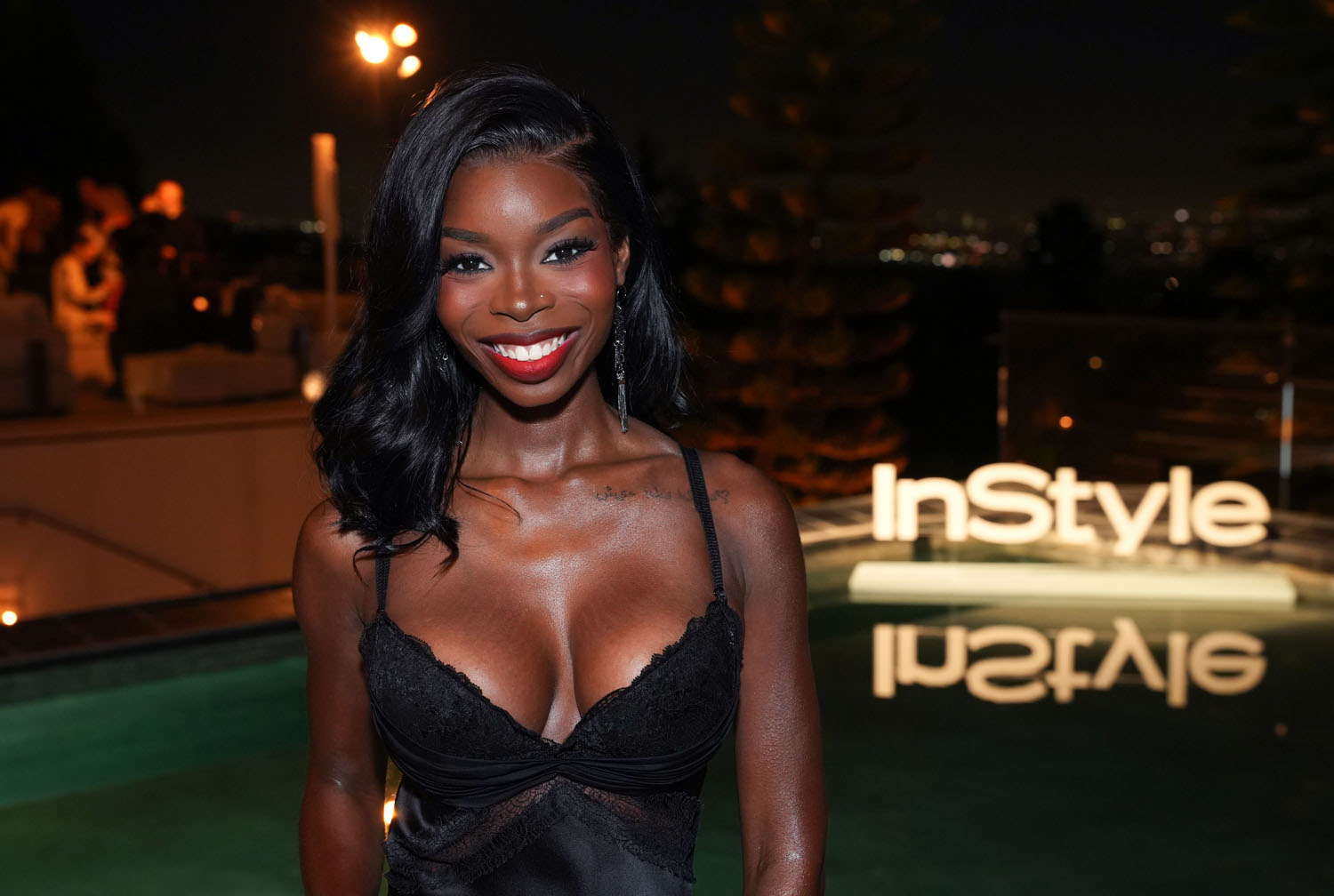
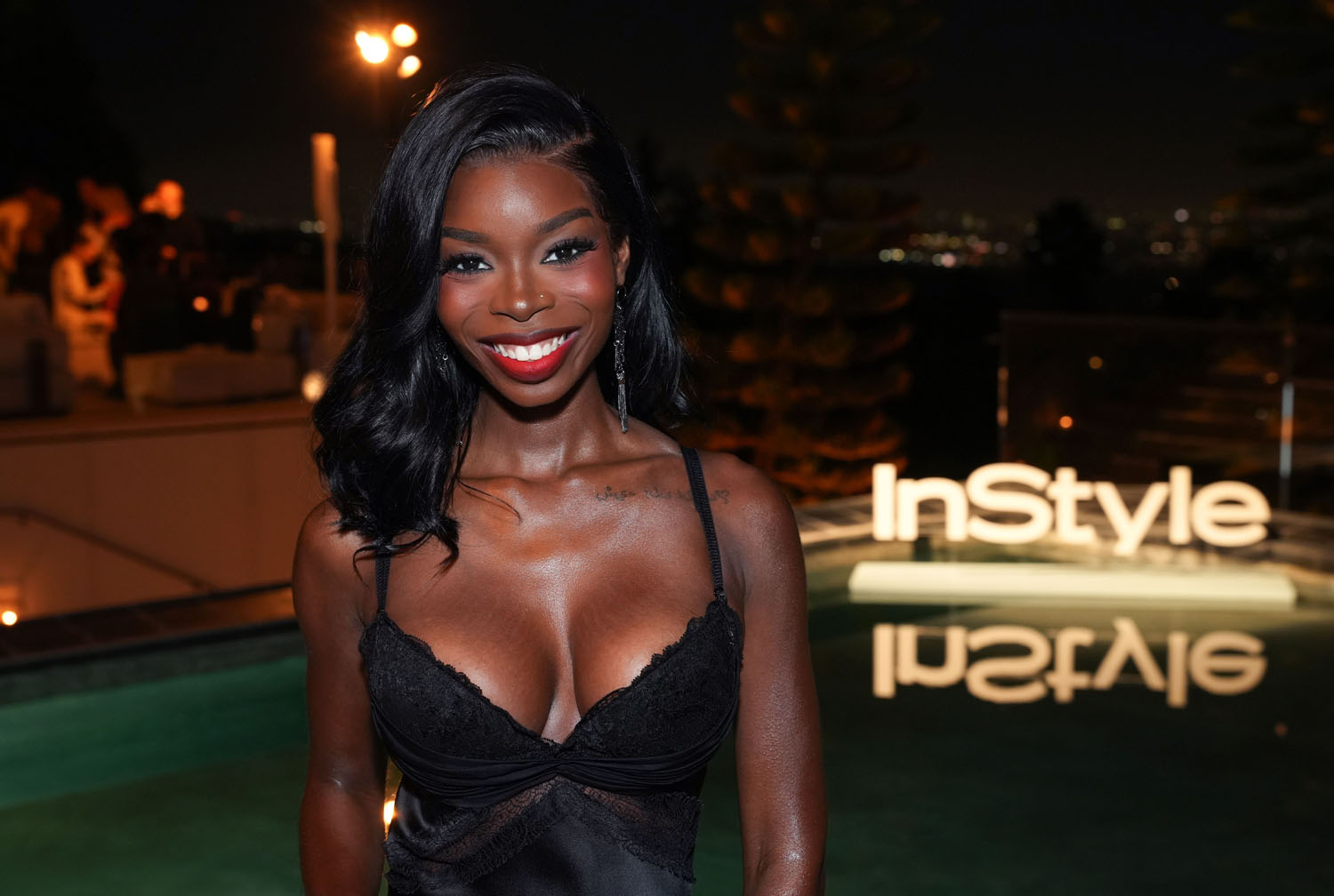
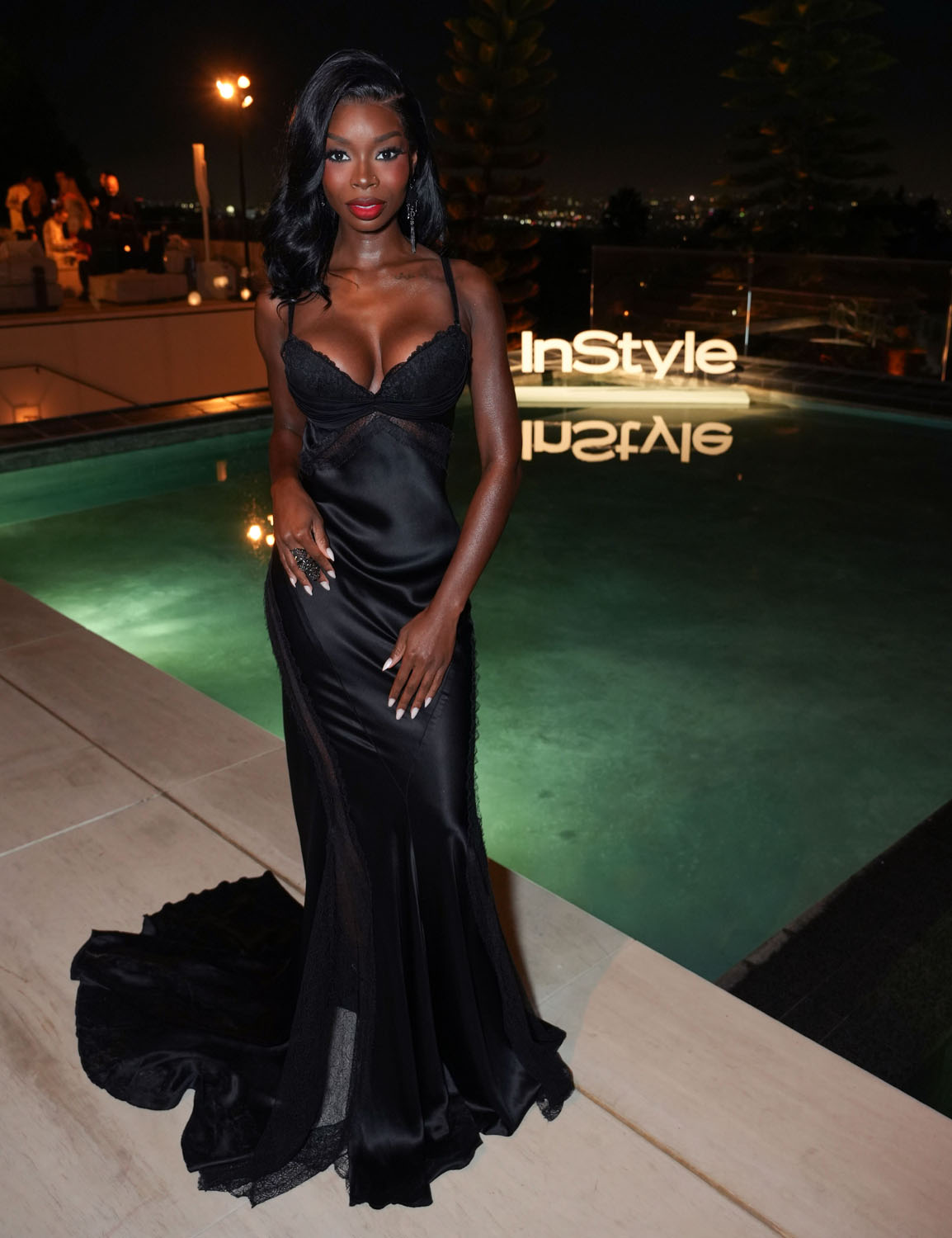
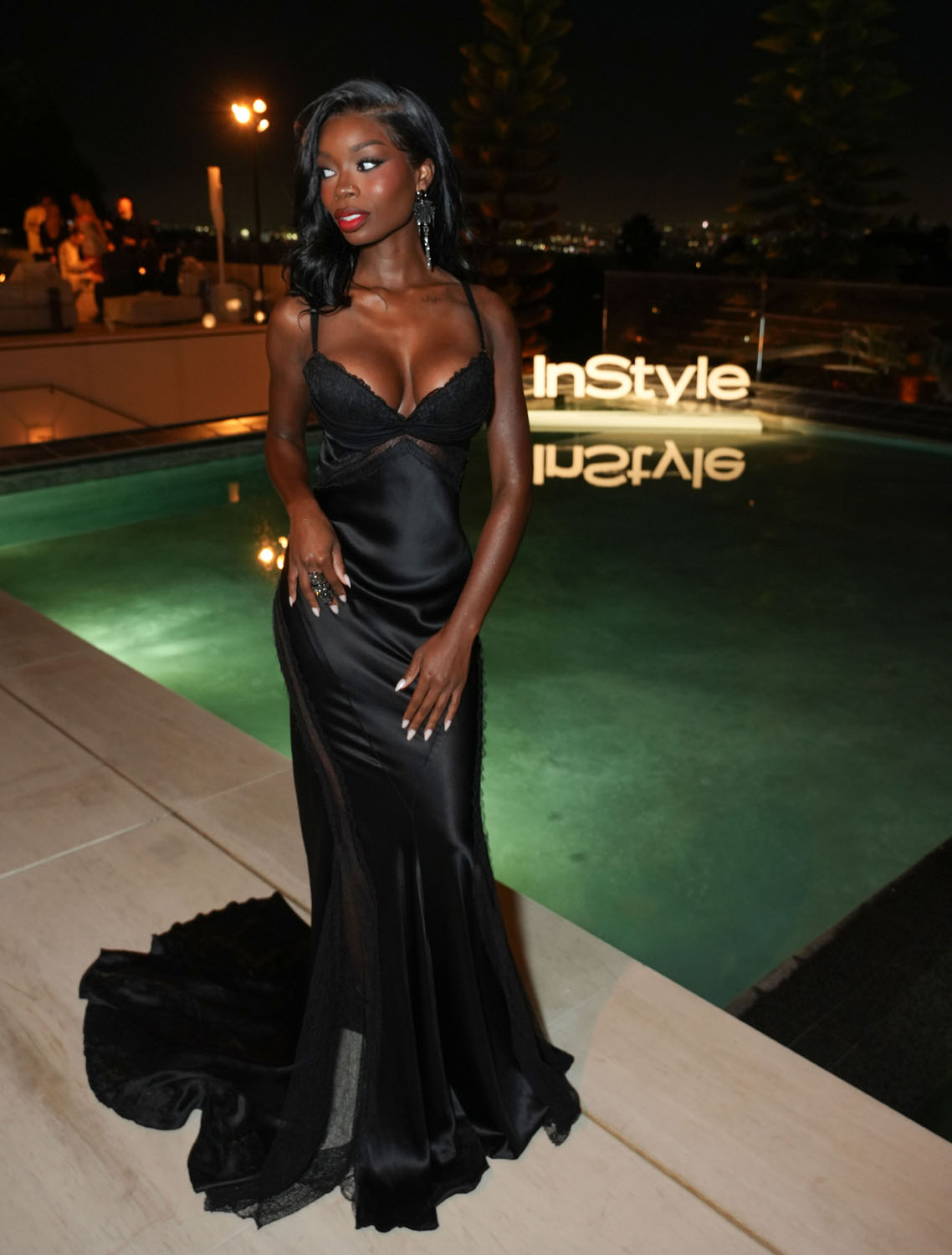
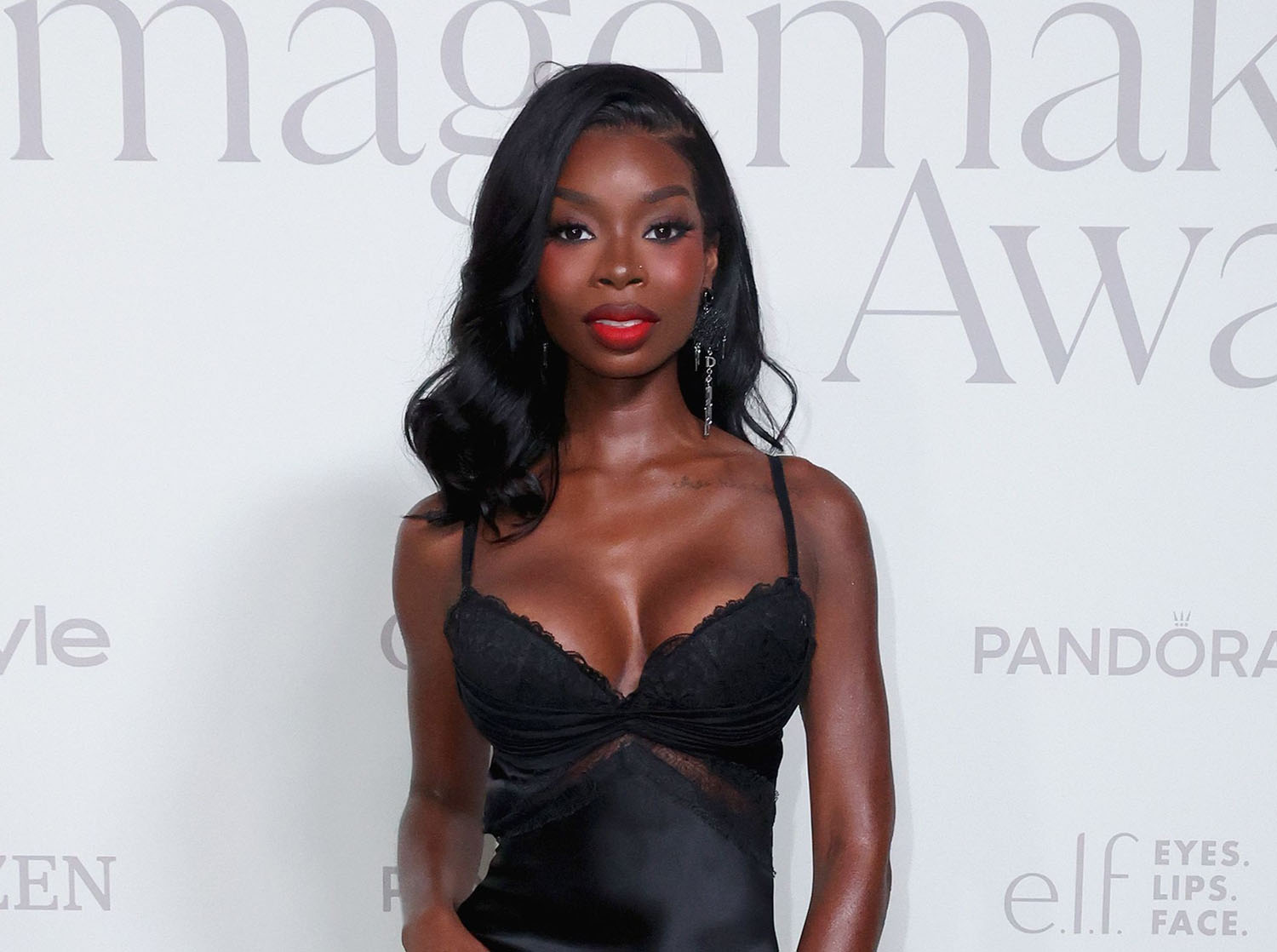
Love Island’s Olandria Carthen is speaking out in response to a clip featuring another Love Island alum, Huda Mustafa, and her partner Louis Russell, laughing in response to someone hurling the n-word at her during a livestream.
In a response that many social media users agree was inappropriate, the pair burst into laughter after the caller said the slur, then disconnected the call with the unknown perpetrator. Huda took to her Instagram stories to explain her reaction. In a two-part post, she said:
“Y’all first of all click bait using a sensitive topic is actually insane. Me and Louis did not hear what was said in that no caller ID call on live, only the racial slur which we hung up immediately. I don’t condone anything of the sort.”
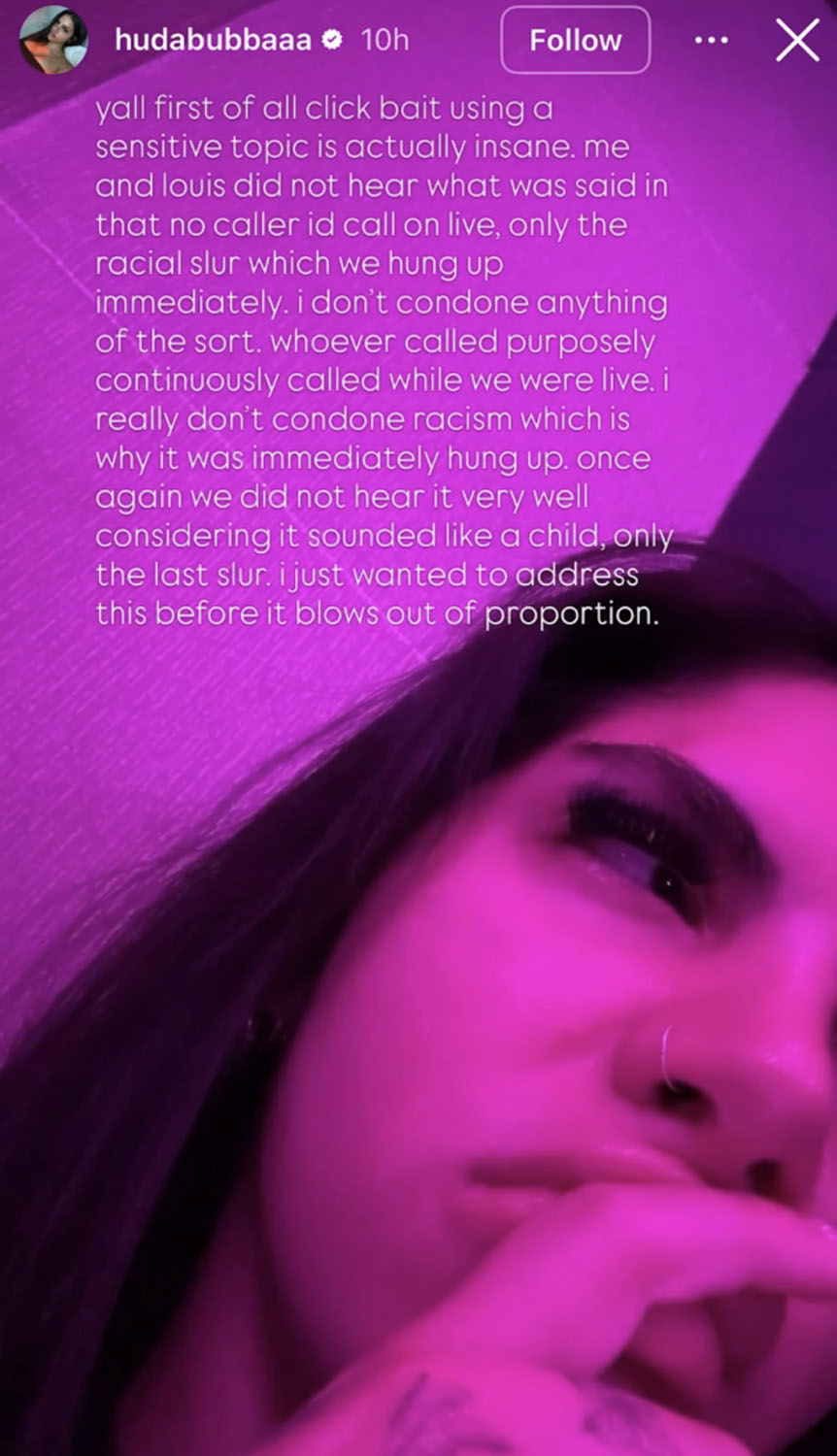
Then she went on to address the fact that the pair laughed, saying it was in response to the situation being ‘awkward’. But the explanation doesn’t seem to be doing much to appease Olandria’s supporters, who are privy to just how hard of a time she and another castmate named Chelley had, as the targets of anti-Black racism from show fans and online trolls.
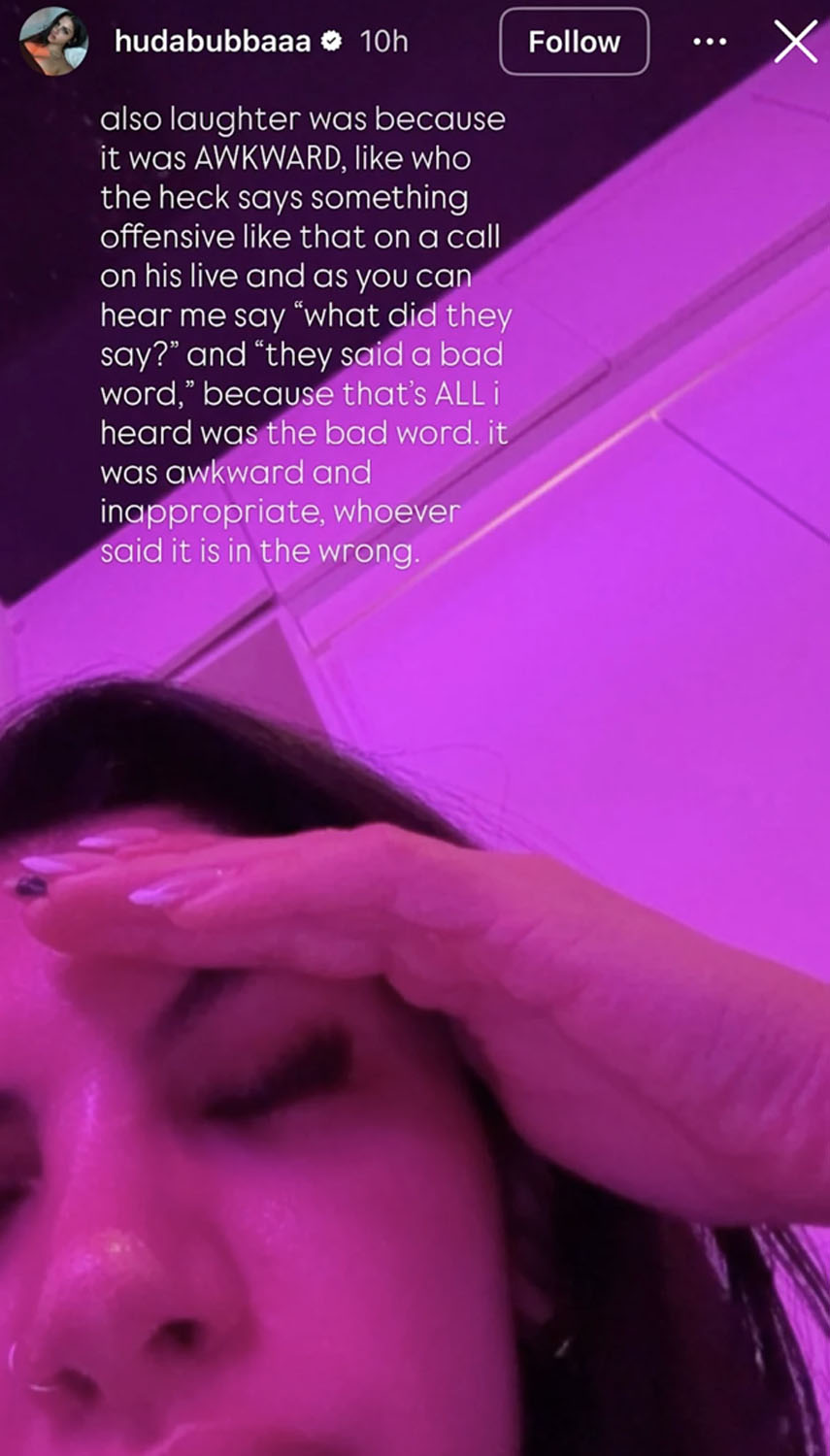
Huda ended up releasing another statement late last night after being dragged for her hollow first attempt. Meanwhile, as she has in past similar instances (of which there are many), Olandria used the opportunity to ‘transform this moment into something actionable’, as she put it in her response to the situation. On Instagram, she went on to list and promote different organizations and non-profits people could donate to in hopes that a more meaningful stance against anti-Black racism would be taken.
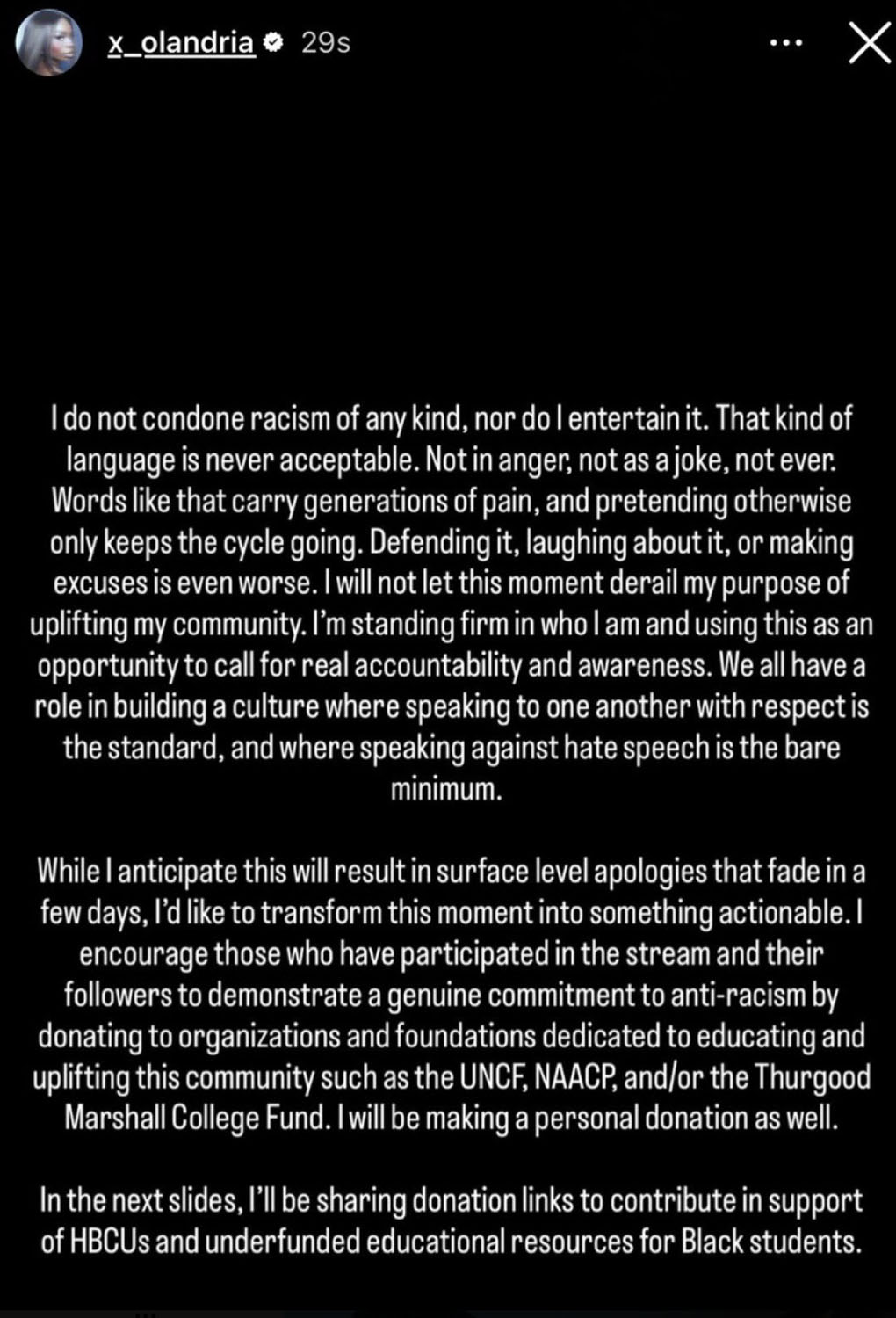
A huge part of the reason there are so many people riding at dawn for Olandria is precisely because of what I alluded to about the anti-Black racism that she and Chelley already had to endure on their season – and long after it aired, given that she was still the target of this racial slur months after production despite having nothing to do with Huda and Louis’ livestream.
In a clip from the show’s reunion, Olandria made a tearful plea to Huda, questioning why, despite their prior closeness, Huda never used her massive social media platform to call on people – many of whom claimed to be part of Huda’s fan base – to stop with the racist attacks.
She revealed that it got so bad that at one point, people were photoshopping her face onto the body of slain George Floyd. At the time, Huda’s response was that she was ‘going through so much’ and was also ‘experiencing racism’.
Love Island is a bit of an anomaly when it comes to reality TV shows where, typically, months pass before a season airs. The turnaround time for this particular production is tight. The other anomaly is that the stars have access to a phone, albeit a temporary one, where they take selfies, cute videos and have it posted to social media by their friends, family and inner circles, which musters up a lot of fan engagement - the good, the bad, and the racist. But perhaps the biggest anomaly is that the audience has a say in the fate of the cast. But with a fanbase that has come to be known as ‘toxic’, and in some cases, even racist, what does that mean for Black women like Olandria and Chelley?
For one, it means an all-encompassing code switch. These women have to talk, look and act differently, particularly if they are entering with genuine hopes of attracting a suitor, because we know reality TV dating shows are especially unkind to Black women. This article by writer Aisha Harris sums up some of the problematic practices and outlooks that have landed us here:
“Women who look like Chelley and Olandria have historically been treated as undesirable one-offs. Past participants have even revealed not-at-all-subtle "preferences" for mixed-race paramours (read: ethnically ambiguous and/or white-presenting).”
Part of the reason Black people have had to censor themselves during production is to avoid being portrayed as the villain. And despite great effort, there was still an element of that this season with Olandria and Chelley after a group challenge, where the two women were labelled as ‘mean girls’, despite pretty similar conduct by Huda and another contestant, Amaya. Olandria and Chelley had to be more strategic so as to not further put off the audience and the men whose attention they were vying for.
“It's unspoken but easily understood that if Olandria or Chelley behaved as Huda and Amaya have throughout the series, they likely would have found it much more difficult to endear themselves to the guys in the villa and the viewers who sometimes decide upon their fates,” Aisha’s article goes on to explain.
When it comes to villains, it’s no secret they play an important role in getting the audience riled up. And it’s not to say that some reality TV villains aren’t Black. There are legendary Black villains who gladly embraced the reputation. But it’s important that we discern whether Black people, women especially, are being portrayed as the villain because they are in fact the villain, or whether pre-existing biases, tropes and stereotypes, and the role that producers play in manufacturing a story and an edit can all have.
Currently, Married at First Sight UK is airing a new season. And it just so happens that Julia Ruth, the only Black woman on the show, has been catching some serious heat online over remarks she made about another woman’s husband on the show. The group was separated into two and producers had them ask each other who they would’ve liked to be matched with, besides the person they were arranged to marry.
Julia Ruth answered honestly and asserted that another cast member, Steven, was someone she would typically go for in the outside world. This enraged Steven’s wife, Nelly, who confronted Julia Ruth, demanded an apology, but refused to stay silent long enough while Julia Ruth was talking to receive it.
From there, things continued to escalate, with producers repeatedly fanning the flames of this scandalous moment, putting the women into situations where they were forced to answer who else they might have liked to be matched up with for a second time, fully aware of the chaos that ensued the first time. Julia Ruth doubled down, leaning fully into her portrayal on the show as the villain, and went on to make some pretty unhinged remarks. As she cemented her position as the villain, I couldn’t help but wonder if she would’ve continued to embrace this arc if they hadn’t done everything in their power to ensure she take the bait in the first place.
The question of which came first also happened for fans of Love Island – at least the ones not online trolling Olandria and Chelley. That group challenge I mentioned caused the cyberbullying to really ramp up, which prompted the Love Island team to issue this PSA. But just like Huda’s first attempt at an apology, it fell flat. And it exposed just how many people were pointing the finger at them for enabling such toxicity. Many felt the PSA was weak and likely wouldn’t have been necessary if producers had built a better, more respectful environment for everyone.
“Only very rarely on these shows does harsh reality break through from subtext to text, leading to difficult conversations and possibly even breakups over politics, identity and beliefs…obscuring the opportunity for any legitimately frictive interaction; viewers are left to fill in the gaps on their own. In the case of Love Island, though, they [producers] also seemingly have a say — even if the show doesn't want to admit it,” Aisha wrote.
Even when race is not the factor it has been in the case of Love Island, producers do still have a say. On this season of Selling Sunset, one cast member gets axed over remarks she made about another cast member’s dead parents. But that only came after the other castmate accused her of being on drugs. So the question is: who gets cut? What is more egregious? And who makes these decisions? Producers are not the neutral parties we might hope for them to be.
In instances where race and reality TV collide, I’ve often called for changes to be made to casting. But this season, 50% of the initial Love Island contestants were Black. It doesn’t appear to be an issue of a lack of representation like it is on other franchises like The Bachelor, The Bachelorette, and Real Housewives in cities where they throw one lone Asian or Black cast member in to ‘mix things up’. The issue, really, is the toxic fan base and producers not doing enough to protect their marginalized cast members.
So what is the right way forward? My producer days are over, and I consider myself lucky to not have to brainstorm the solution. But for the teams that do, I hope they can all put their heads together and come up with something that doesn’t yet again leave Black women as collateral damage for an inherently flawed system.