AI popstars and digital colonization

– 6 min read
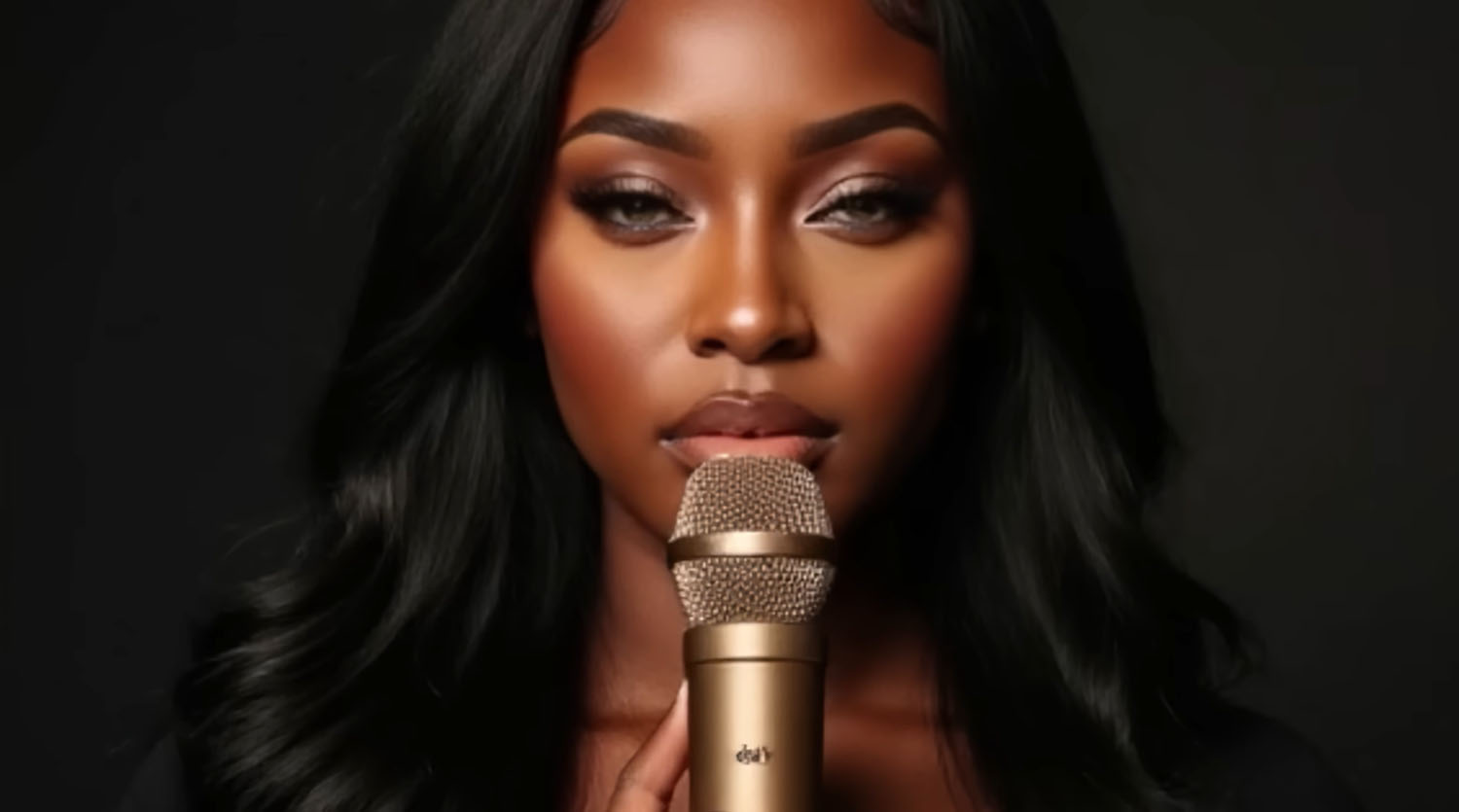
For the first time ever, an AI-generated artist has made an appearance on the Billboard charts. Xania Monet is an AI singer created by a Mississippi woman named Telisha “Nikki” Jones. Her song, “How Was I Supposed to Know?”, sung by her AI creation first popped up on the Adult R&B Airplay chart, making the Top 30 last week, and in the weeks prior, the song gained traction online thanks to its success on platforms like TikTok. It was streamed and bought enough times for it to debut on both the R&B Digital Song Sales chart and the Hot R&B Songs chart back in September.
Despite the success that Xania, and by extension Telisha, the creator and writer behind it all, is experiencing, people - including celebrities, namely singers - are having mixed reactions to her rapid ascent. While there are supporters of Telisha and her creation who are excited to see a Black woman experiencing her level of success in this realm, some are a bit more skeptical about what it means that there is a Black woman fronting so much of this story. And people from the entertainment world specifically are staunchly opposed to a future that includes AI-generated artists, largely because of the implications it will have on human musicians. But beyond that, there is another threat that, for many, may be invisible, but carries a slew of pretty damning consequences – and it’s the risk that comes with the ability to digitally manipulate race and gender, and the impact it will have on the people who are most vulnerable to this.
No matter what side of the fence you’re on when it comes to whether you support AI-generated music, Telisha’s success in recent months with her avatar is noteworthy. Since appearing online in July, Xania has released 44 songs on Spotify, and is almost at a million followers across her social channels. She has more than a million monthly listeners on Spotify and in September, Telisha signed a multimillion-dollar record deal with Hallwood Media after a bidding war reportedly reached $3 million, according to Billboard.
In an interview with Gayle King last week, Telisha said she views Xania as a human and tried to suggest that she is just an AI version of her. But this was after she revealed that she can’t sing. And when she tried to push that narrative, Gayle reminded her that Xania cannot be an AI version of her because she can’t sing. Telisha then deferred to the fact that she writes the songs from her heart, but as this social media user questioned, why not just stick to being a songwriter, then?
The ease in which this AI artist - who was created by someone who admittedly has no vocal talent - has amassed her success is contradictory to the experience a lot of Black human artists are having. Over the last decade or so, it’s been news that Black artists struggle to get airtime. And that doesn’t necessarily reflect an issue with each individual artist, but more so, the genres you’re more likely to find Black artists in, like rap and R&B. Back in 2014, there was a scathing letter sent around posing questions about what is hindering the genre after no Black artist, including Beyonce, topped the Hot 100 chart in over a year. It was the first time in 55 years that had happened. According to this piece in Billboard, the rise in pop music was partly to blame. At the time, Jeff Robinson, president and CEO of MBK Entertainment (and the guy who helped launch Alicia Keys to stardom) explained it this way:
“With radio all playing the same songs by the same artists it’s difficult to break through. Even top producers are reluctant to work with new artists, preferring to take the easier way out to work with more established ones.”
What does this mean all these years later in 2025, where top producers don’t have to worry about working with new artists, or established ones for that matter, and instead, can create them? Take music producer Timbaland, for example, who has been very vocal in his support for music going in this direction and has been advocating for AI music and artists.
Over the summer, he went full send, launching an entire AI entertainment company called Stage Zero, in addition to his own AI artist named TaTa. He told Rolling Stone he started making music with the generative AI platform Suno, the same platform Telisha used to create songs for Xania, and that he “saw the path, but had to wait till everything caught up”. One of his business partners, film producer Rocky Mudaliar, had this to say about what Timbaland is doing in the space:
“Ultimately what Tim’s here to do is to pioneer a new genre of music — A-pop, artificial pop.”
Rocky went on to explain that TaTa will have a social media presence and will post music videos made by a suite of AI tools – essentially the same thing Xania is doing on her social media platforms. While people like Rocky and Timbaland seem to have a knack for selling this as some new, innovative thing, there are some glaring omissions in how it’s being presented – and celebrities have wasted no time speaking out about it.
Back in September, Kehlani slammed the record deal Xania landed in a now-deleted post on TikTok, in which she said AI could never be justified to her and that she doesn’t respect the AI creation. She described AI artists making their music “based on copyrighted material AI generators that are trained on without having to credit anyone”. And she’s not wrong. That is essentially the process, even if Telisha is writing the songs herself. Others, like heads of some record label companies, have described their lack of interest in signing AI artists having to do with the inability of these artists to go on tour.
But perhaps the biggest turn-off, in addition to the removal of humanity in art and the decline of genuine artist development, is the exploitation risk this poses, which we were already seeing early indicators of, long before AI-generated musicians became a thing.
We’ve covered the amount of cultural appropriation we’ve seen in Hollywood, mostly by white artists trying to urbanize themselves for anything from more success to just doing it for the plot. But I’ve also pointed out how restrictive it is for Black artists to try that in mostly white markets, like country and pop. With AI artists, though, there’s no doubt we’ll be seeing even more of this. Because it doesn’t matter who is behind the avatar, they can essentially create this person and send them out into the digital world in whatever way is guaranteed to bring the most success, which is money. And what is to be made of a white AI creator using and profiting off of Blackness, physically, digitally, and from a musical standpoint?
And Blackness is not the only thing being manipulated for profit. This is not just a one race issue and it’s becoming a gender issue, too. Timbaland’s AI artist, for example, TaTa - the avatar he’s created is undoubtedly Asian, despite him not being a woman and not being Asian. There are no ground rules and no framework as far as what is acceptable and what is offensive and who can represent whom. There are huge implications for men being able to create and depict female avatars in a digital landscape.
One question that came up for me was whether these same accolades could be reached in the same amount of time if Xania were a human - and that’s just one of the points in this conversation where we really start to see the nuance. Because it depends on who and what that human might represent. Would it have been a white human? Would it have been a trans human? Would it have been a plus-sized human? Where did they grow up? All of these things would significantly impact the chances of success. We’re seeing so many advocates of AI artists chalk it up to these avatars being “representatives” of them but failing to incorporate the very real physical and socioeconomic aspects of it all that significantly alter the trajectory of any one person’s career, in any industry, particularly one based heavily on looks, access and talent – all of which can now be manufactured. We’ve seen so many breakout stars whose careers follow a pretty similar formula as Xania’s – people like Addison Rae, Bailey Zimmerman and Olivia Rodrigo. But do they look like Telisha? Do they even look like Xania?
What we’re seeing with AI in the entertainment space rings true for how it works in every other space. The work becomes about convenience, ease, and profitability. A huge selling point of all of this for creators is the lack of overhead, but real music, real art, carries overhead. Overhead means development. Overhead means honing your craft. Overhead means spending money on choreographers, makeup artists, stylists and so much more. All of these people are about to lose in ways we can’t even imagine – making one thing very clear. And it’s that we do not win when humanity becomes easier and easier to manipulate and replicate. There are a select few people who stand to profit from all of this and it’s not us.
Let us know what you think at The Squawk. (App link here)