One Woman’s Battle Won, On Its Own

– 4 min read

One Battle After Another took almost every Oscar it was predicted to and some of the ones it didn’t. Which is annoying, but if you think of the wins separately from where you wish they went, they’re harder to argue with.
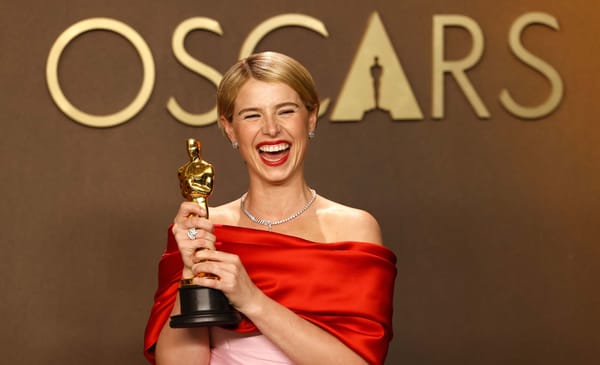
Paul Thomas Anderson is objectively talented and prolific and can spin a yarn, and while any cast is gonna be happy to win Best Picture, this cast is overjoyed! Headlock-your-Director overjoyed, bounce-so-hard-you-nearly-pop-out-of-your-dress-but-still-keep-jumping overjoyed…
It’s infectious! Teyana Taylor’s energy is obviously a force and we’ll investigate it later, but even though Chase Infiniti is a 25-year-old woman, and not the 16-year-old she plays, she keeps that 16-year-old energy front and centre, you know?
Look what happens when she and Lainey connect over K-Pop, on two different levels:
Bubbly and vivacious and fun! We already saw her bubbly and vivacious when they won Best Picture, above, and she was even bubbly and vivacious as she fell at the Governor’s Ball:
(Her dress, a custom Louis Vuitton in a shade of lavender that might become synonymous with her, is none the worse for wear.)
Obviously it’s a big night so of course she’d be excited, and I don’t think this is who she is all the time. But I thought it was particularly notable when it came to a historic Oscar moment.
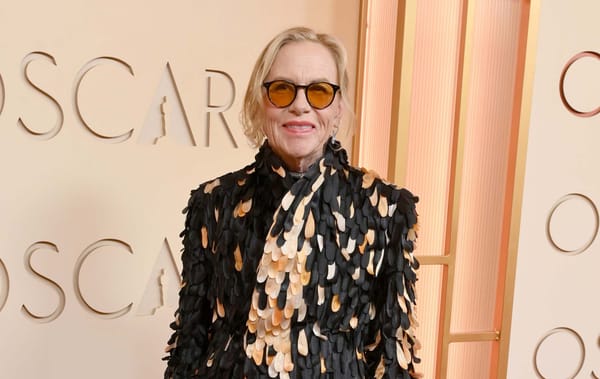
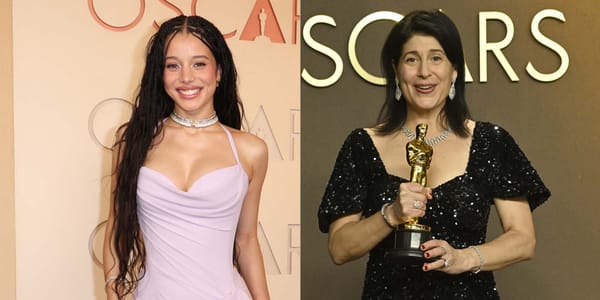
Introducing the first-ever Oscar in Casting, one actor from each production introduced their casting director and extolled their particular skills. When Chase introduces Cassandra Kulukundis, casting director for One Battle After Another, Kulukundis beams at her – moments later, that beam comes right back at her; Chase’s joy at Cassandra’s history-making win is palpable and buoyant:
It’s fitting, right? Casting is, as we were told last night, an industry that’s around 80% women, and was not-so-coincidentally overlooked for decades. Similarly, One Battle After Another only works if you have an incredibly compelling young woman to play Willa; as Chase herself pointed out, Cassandra searched for years.
(Getting the other roles exactly right is just as essential, of course, but there’s always a wider pool to draw from when you’re trying to cast adults.)
There are very valid critiques about OBAA as it pertains to having Black women there to serve the stories of the two white men, and that feels especially tough to swallow in the categories where OBAA won over Sinners.
Which is why there was something so beautifully balanced and elliptical about these two women, a generation or two apart, helping each other get to these incredible career milestones that are so seismic for both of them, and that exist, even temporarily, only within the sphere of women, who see the multitudes that other women contain.
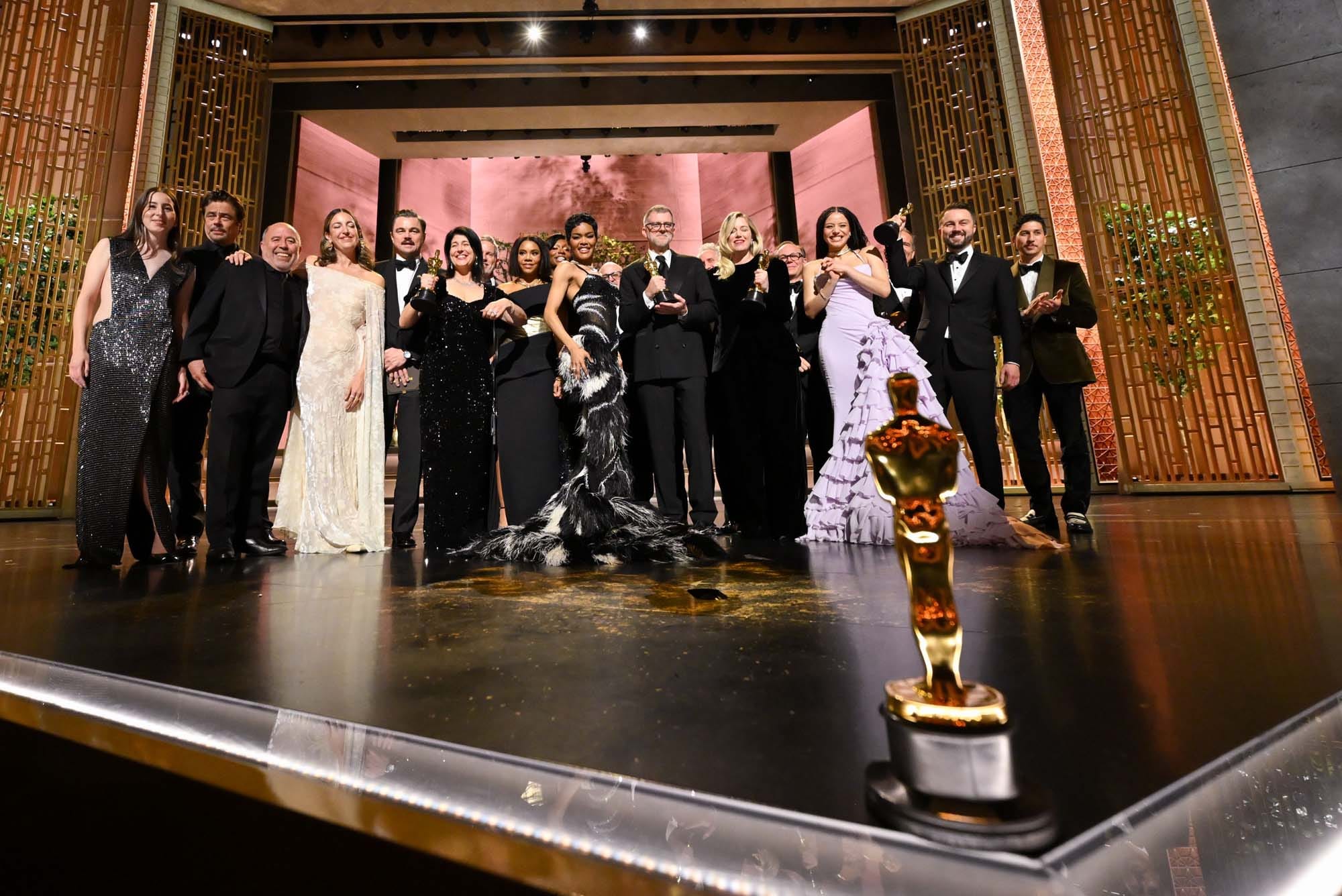
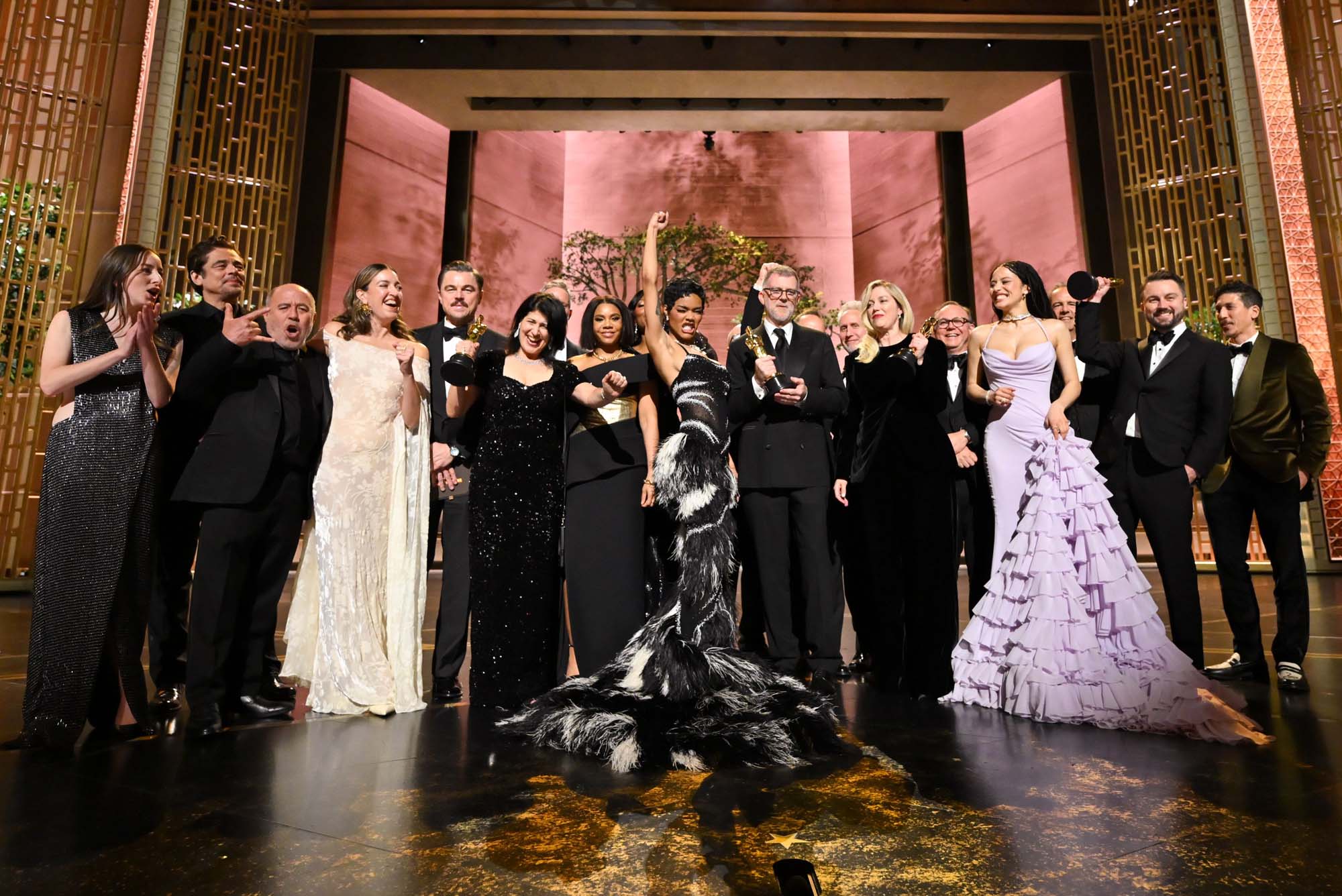
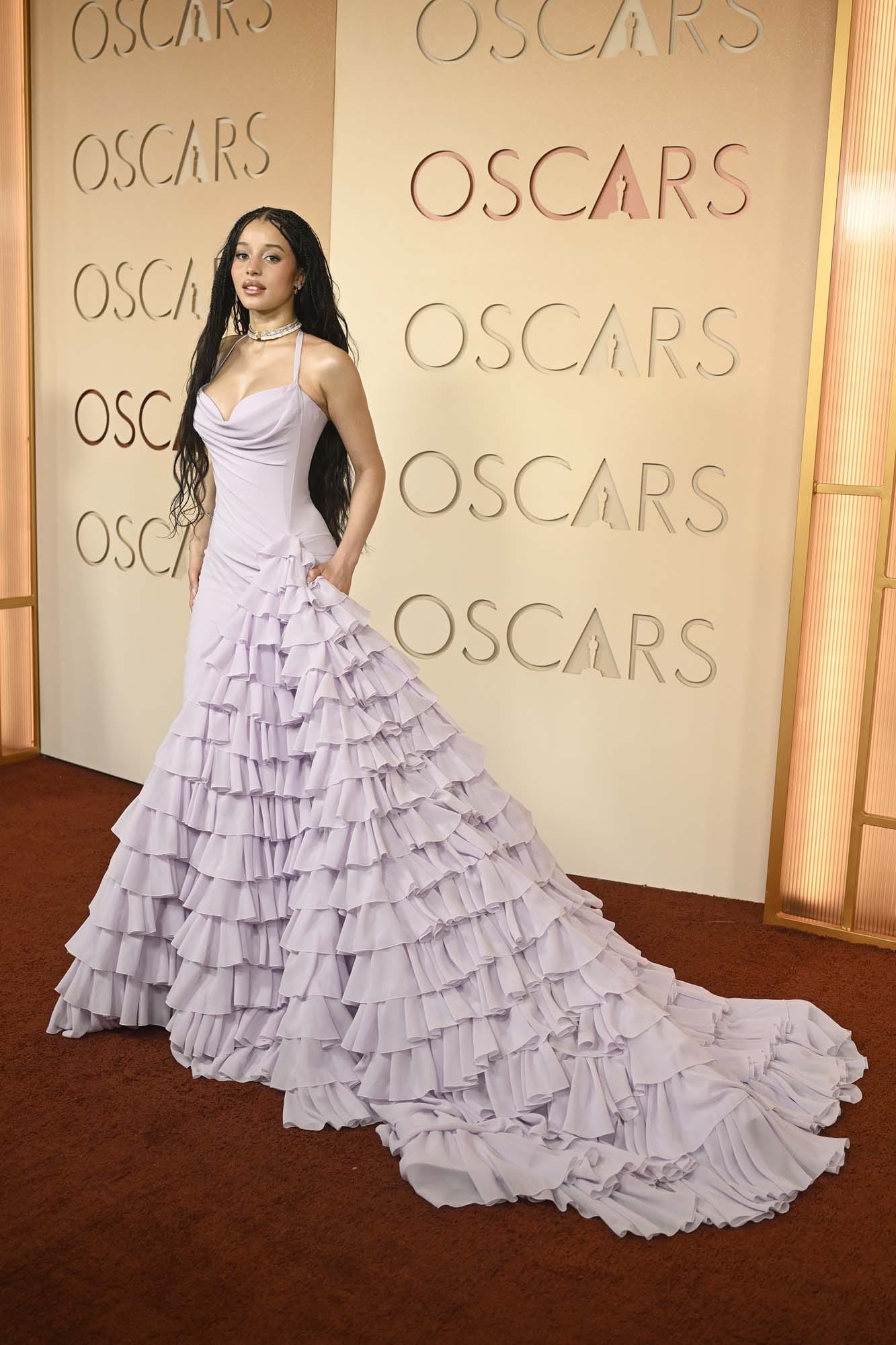
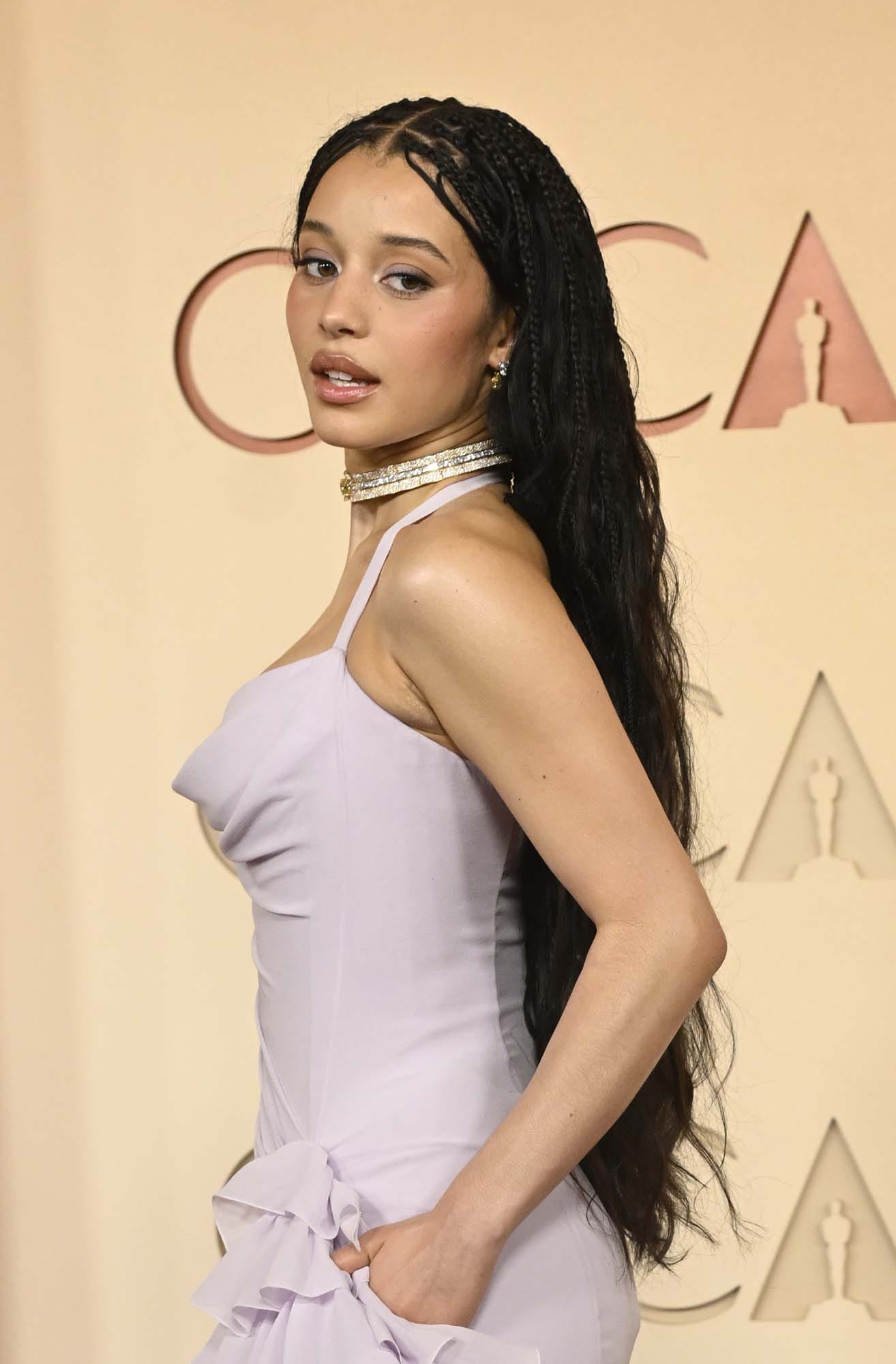
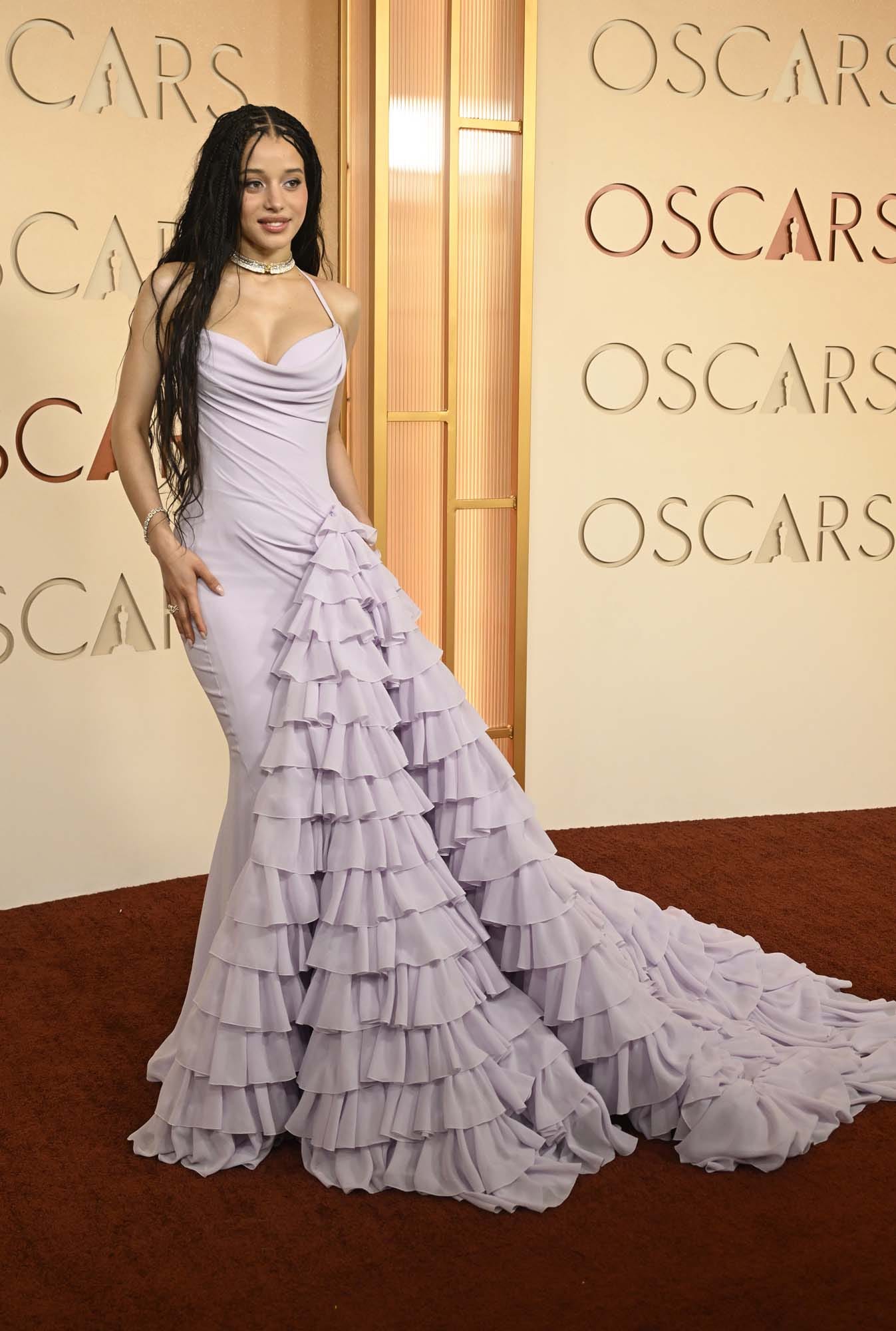
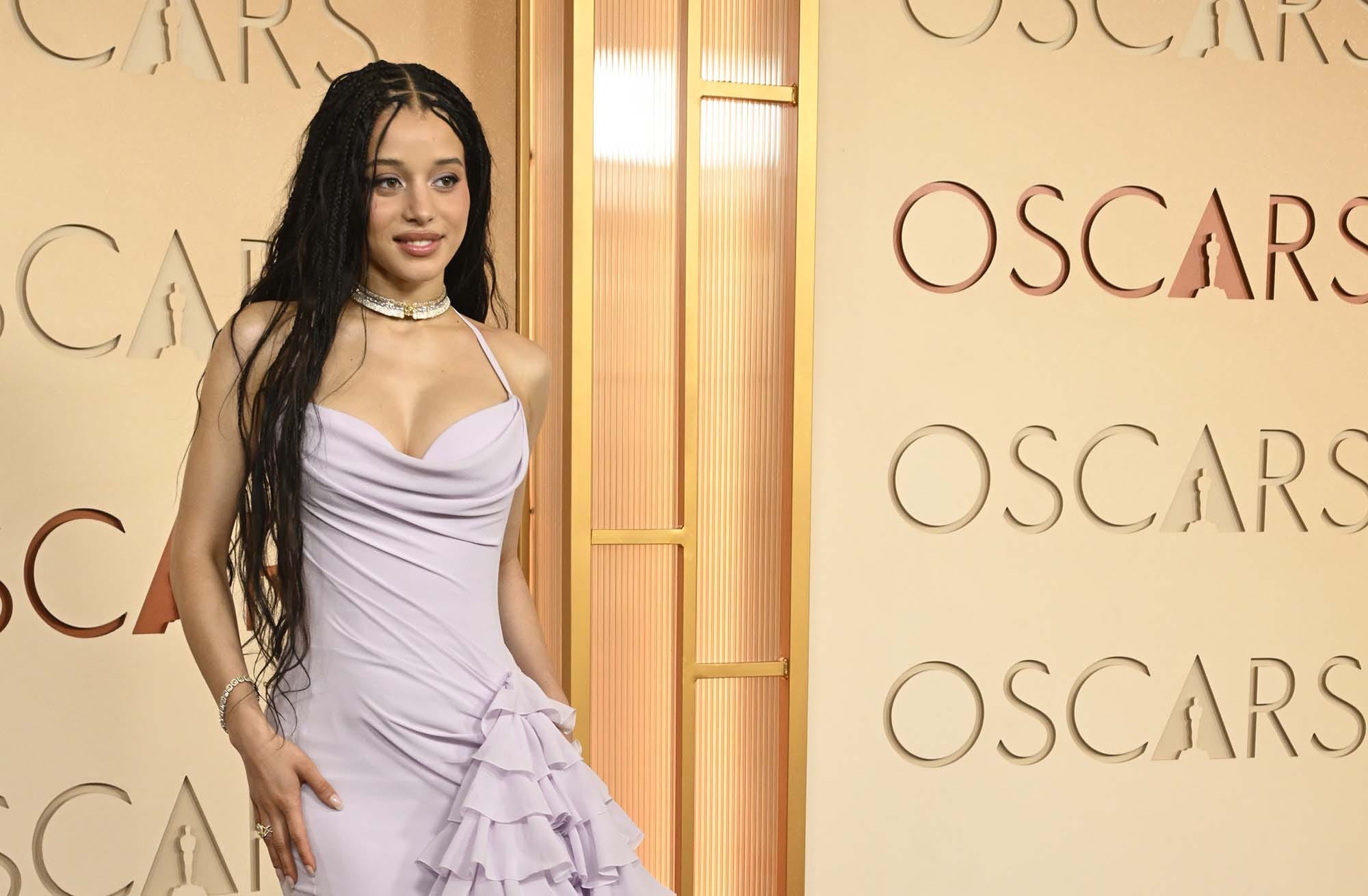
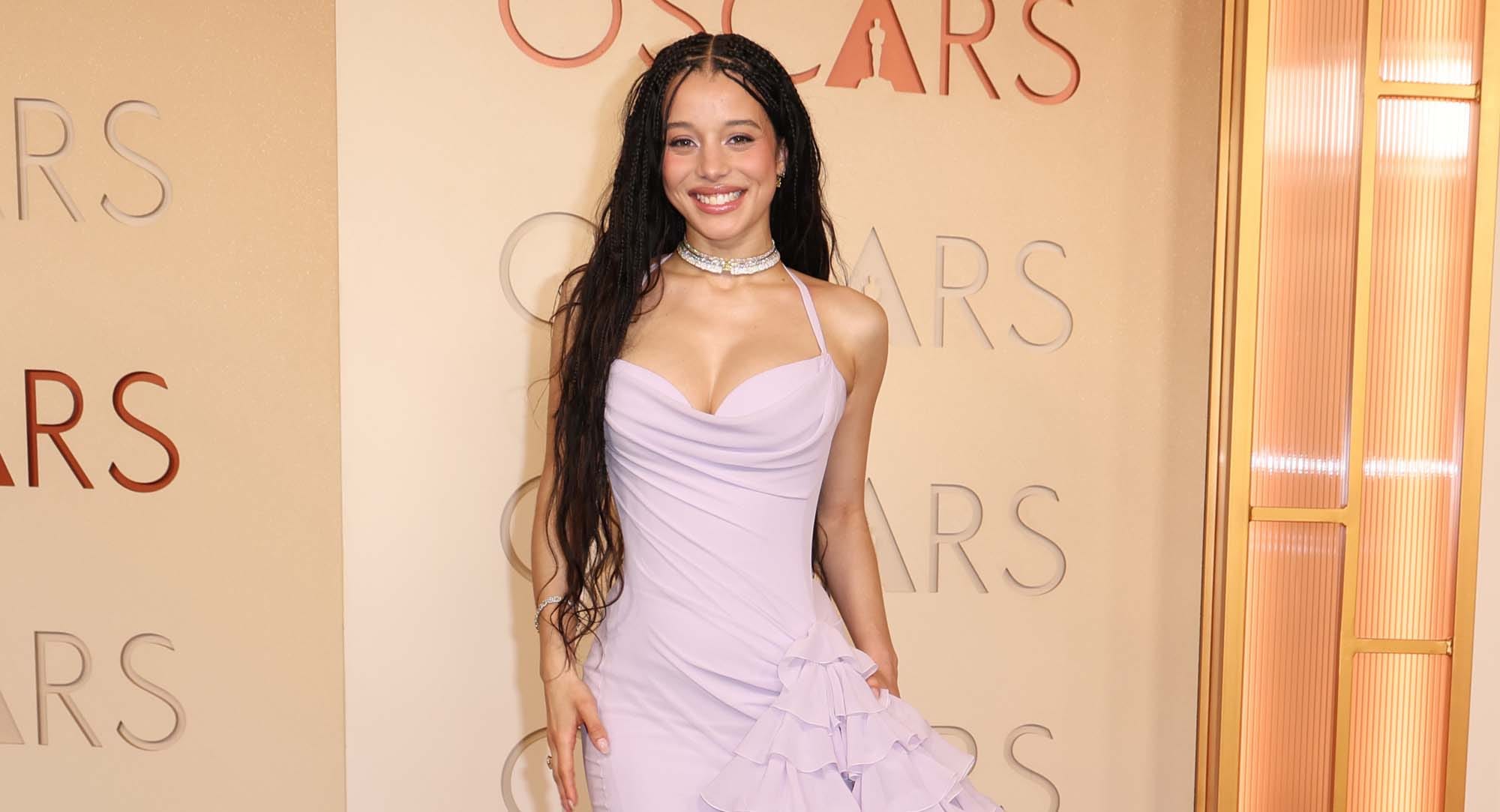
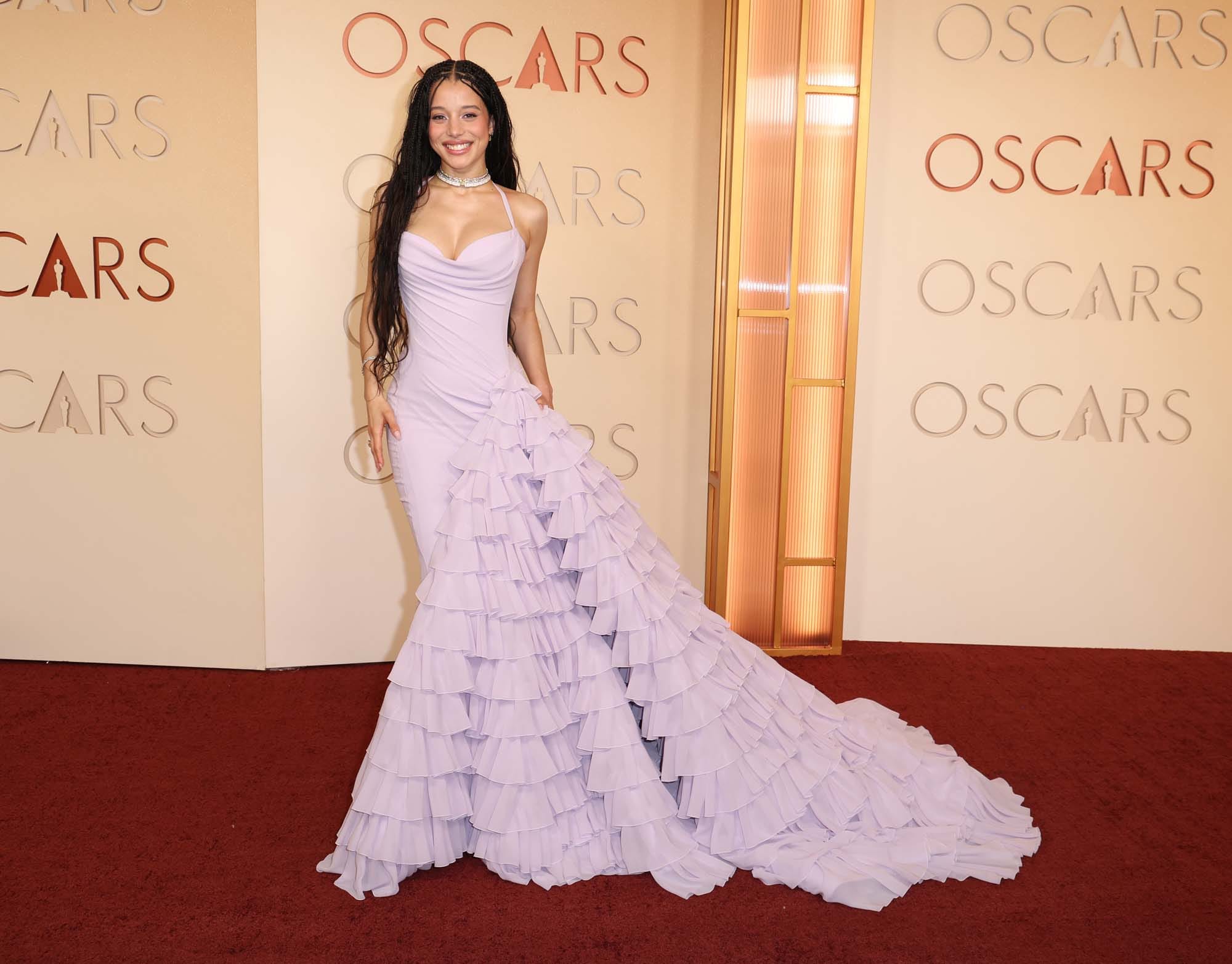
Chase Infinity and the cast and crew of Best Picture winner "One Battle After Another" at the 98th Oscars at Dolby Theatre on March 15, 2026 in Hollywood, California
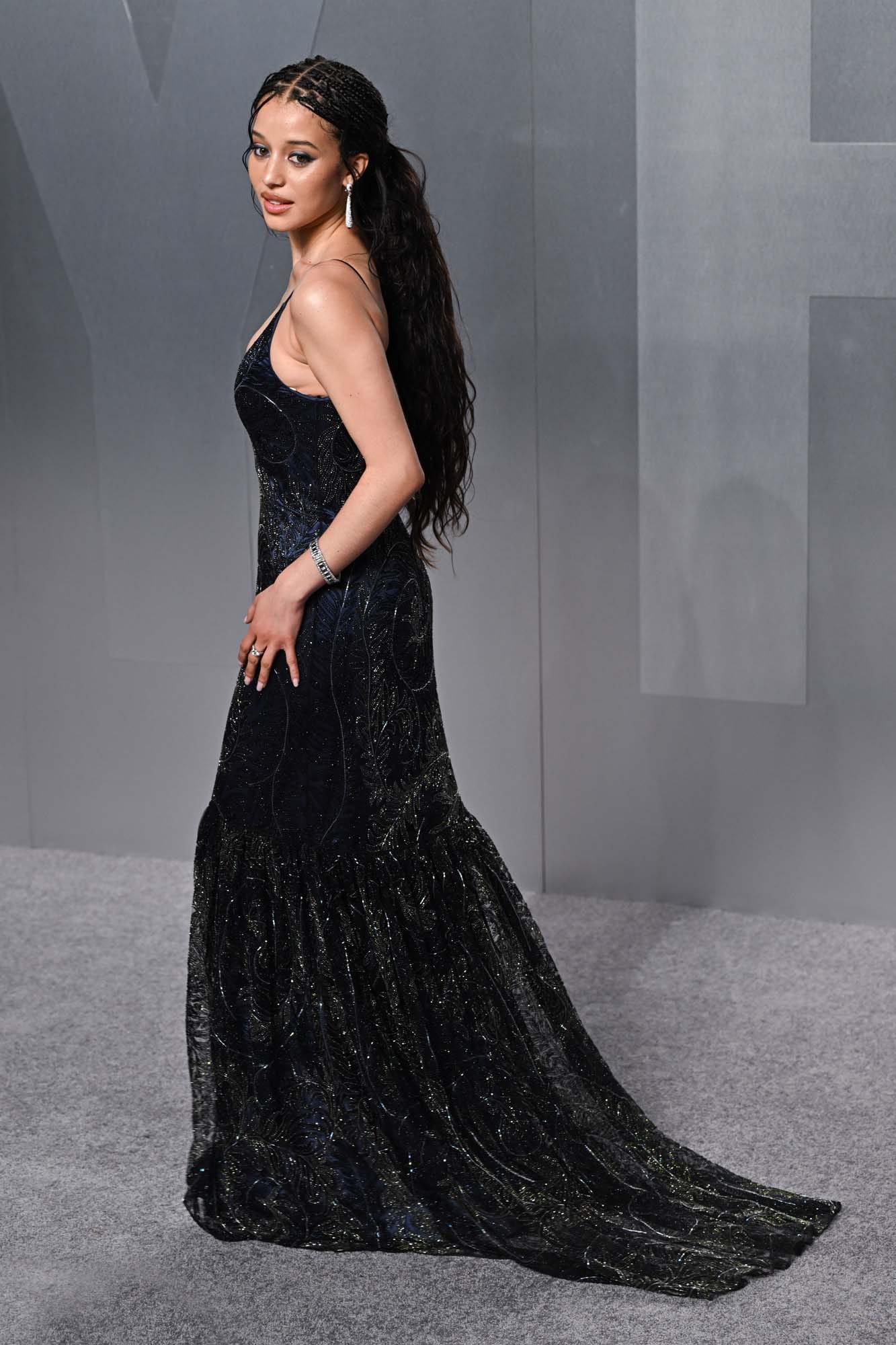
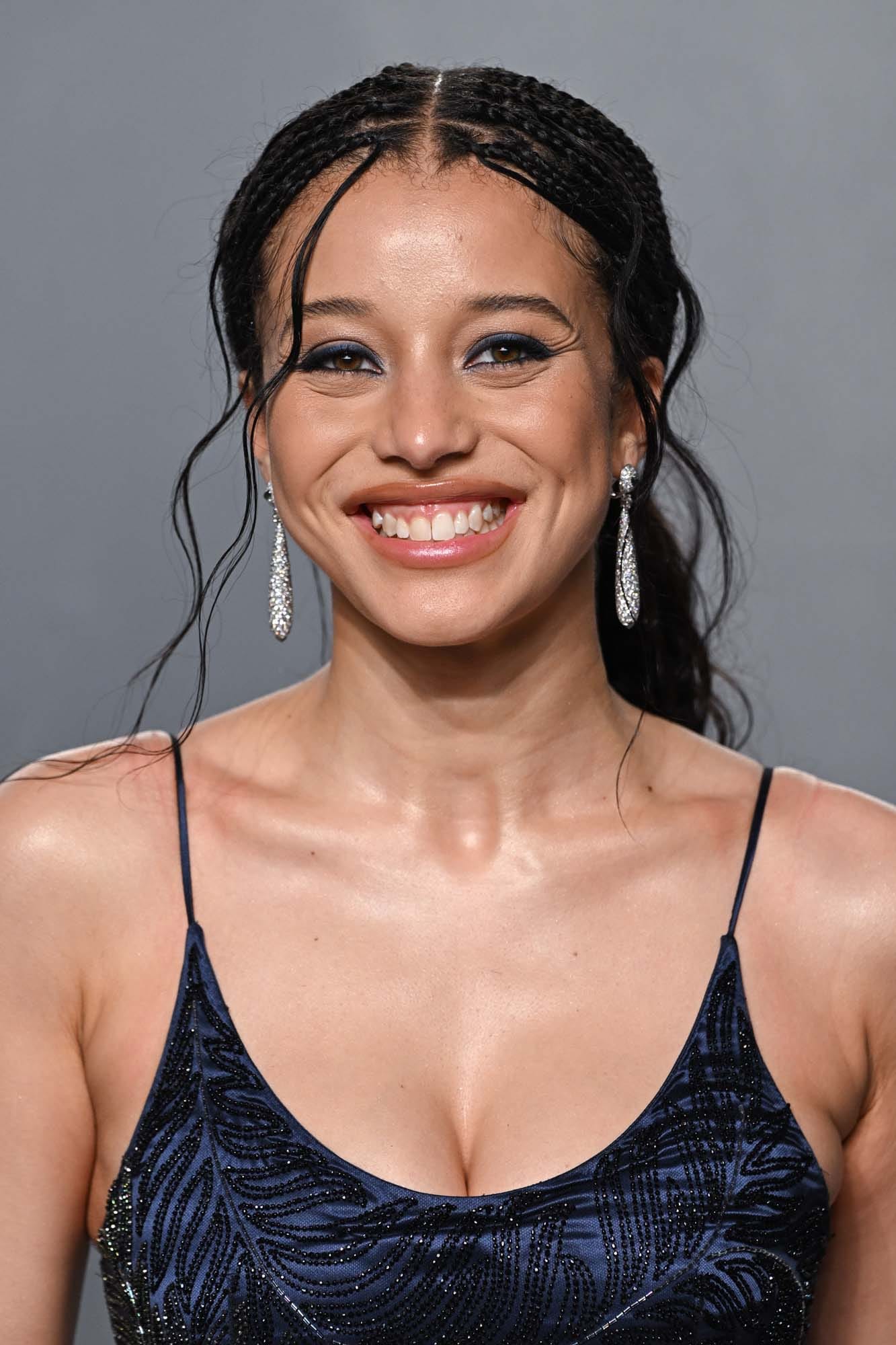
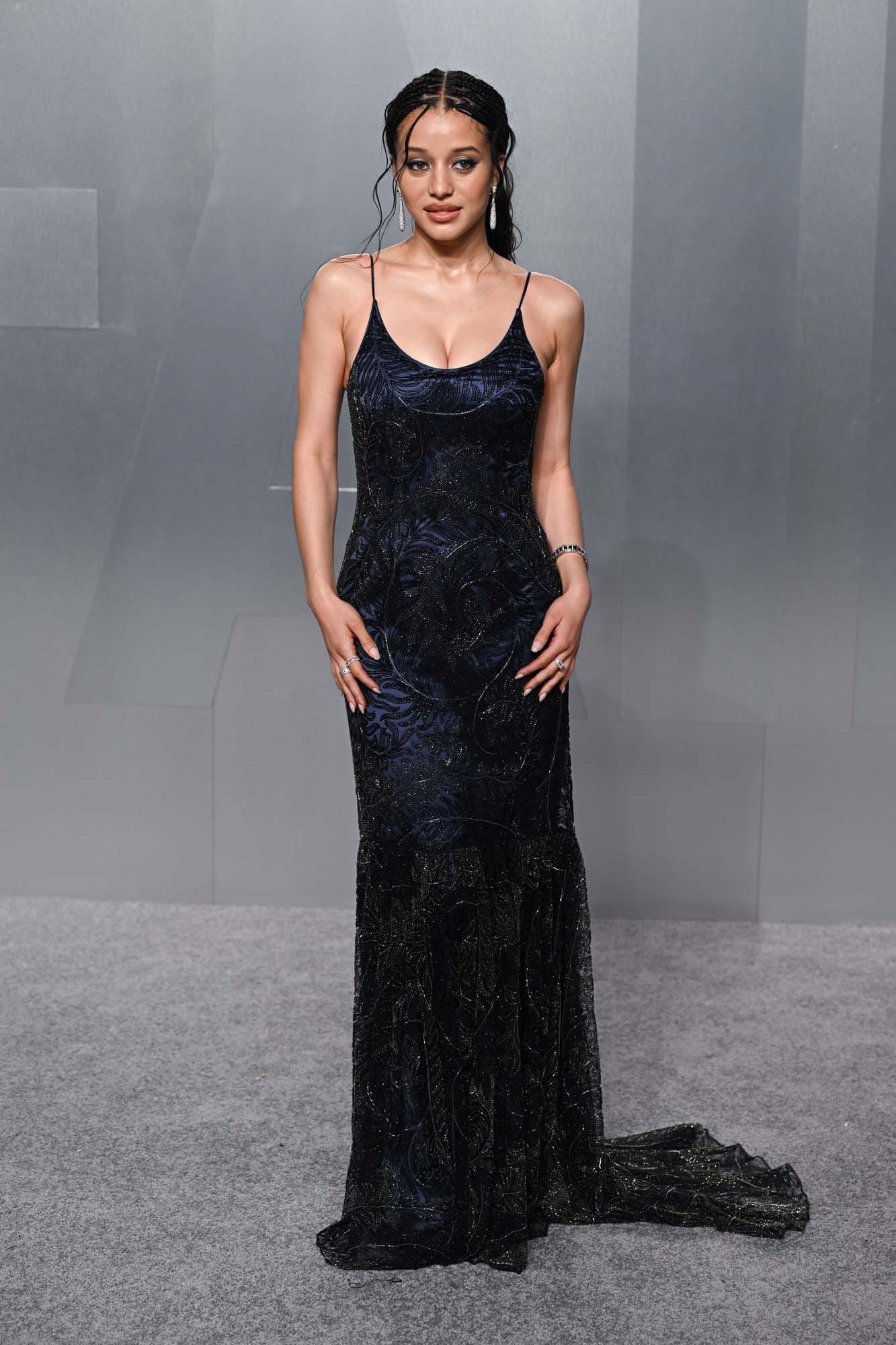
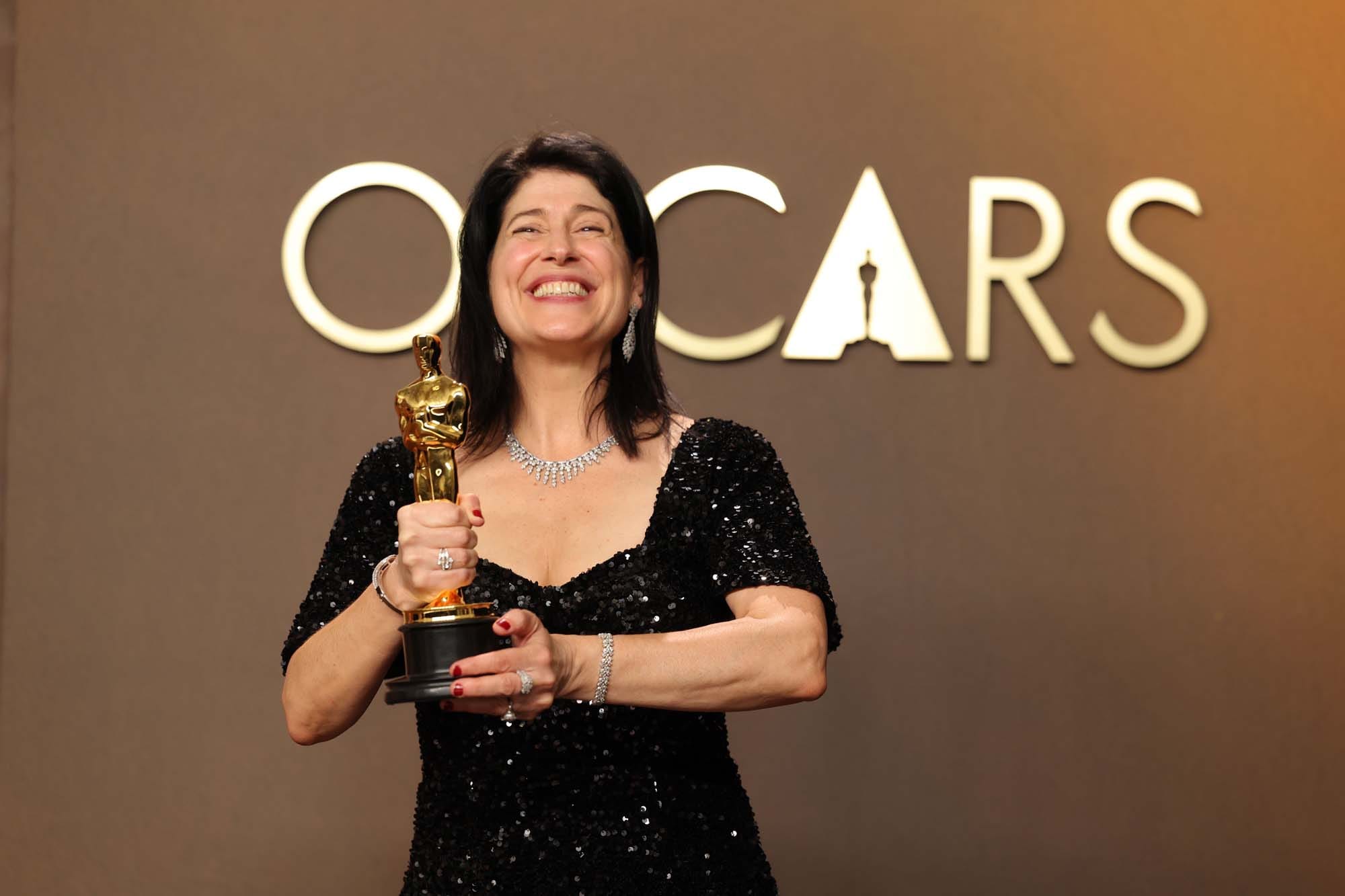
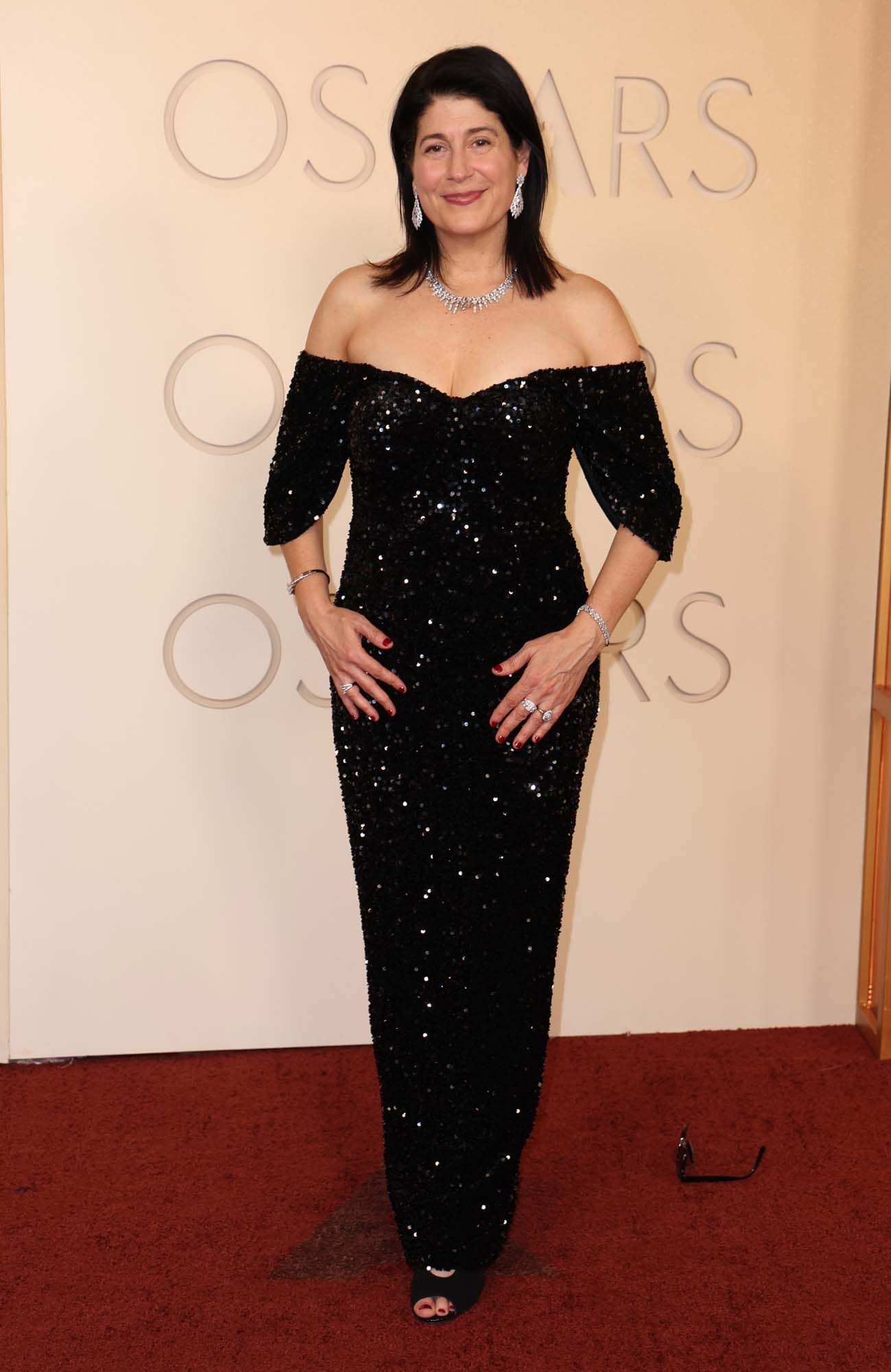
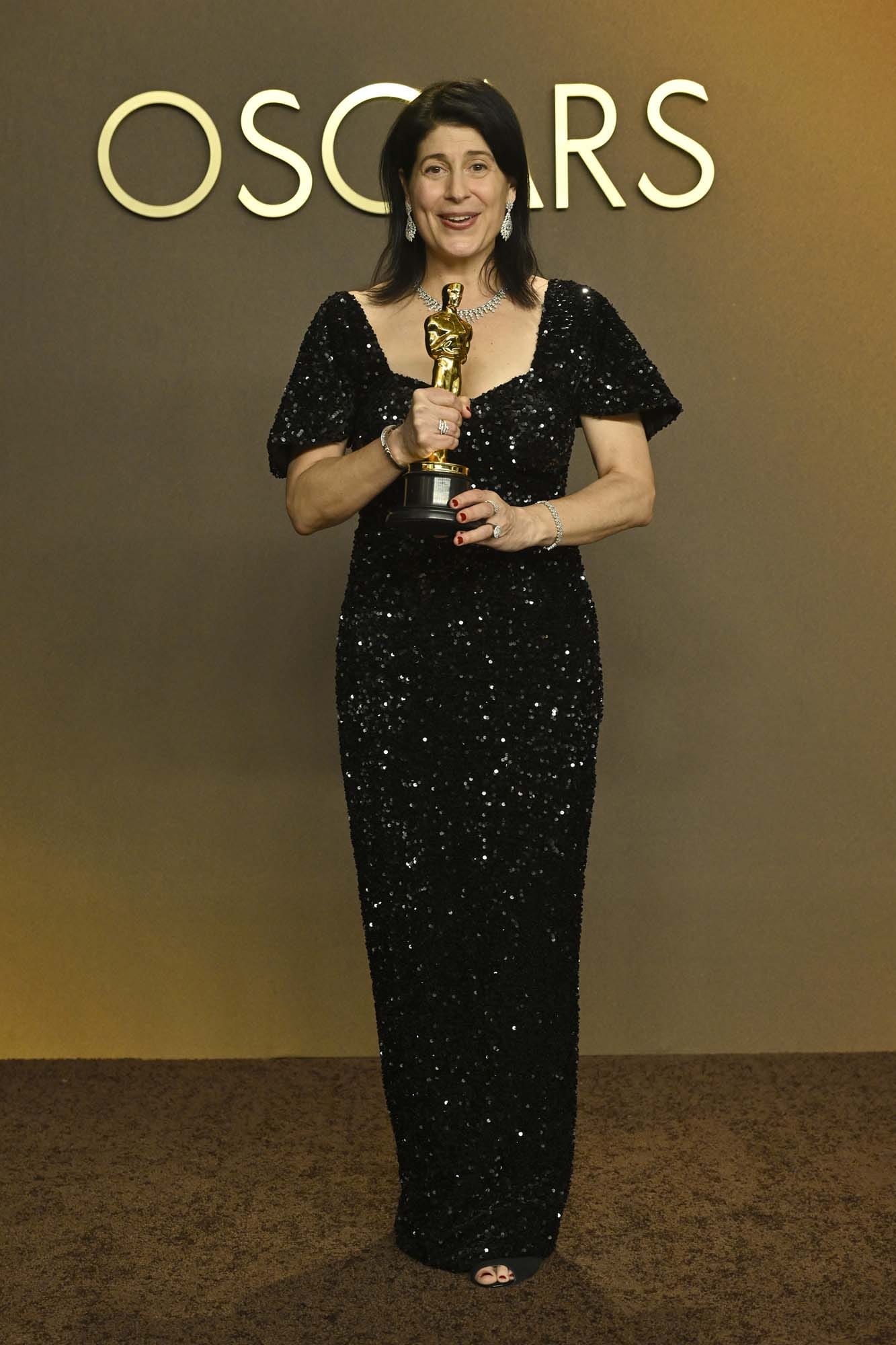
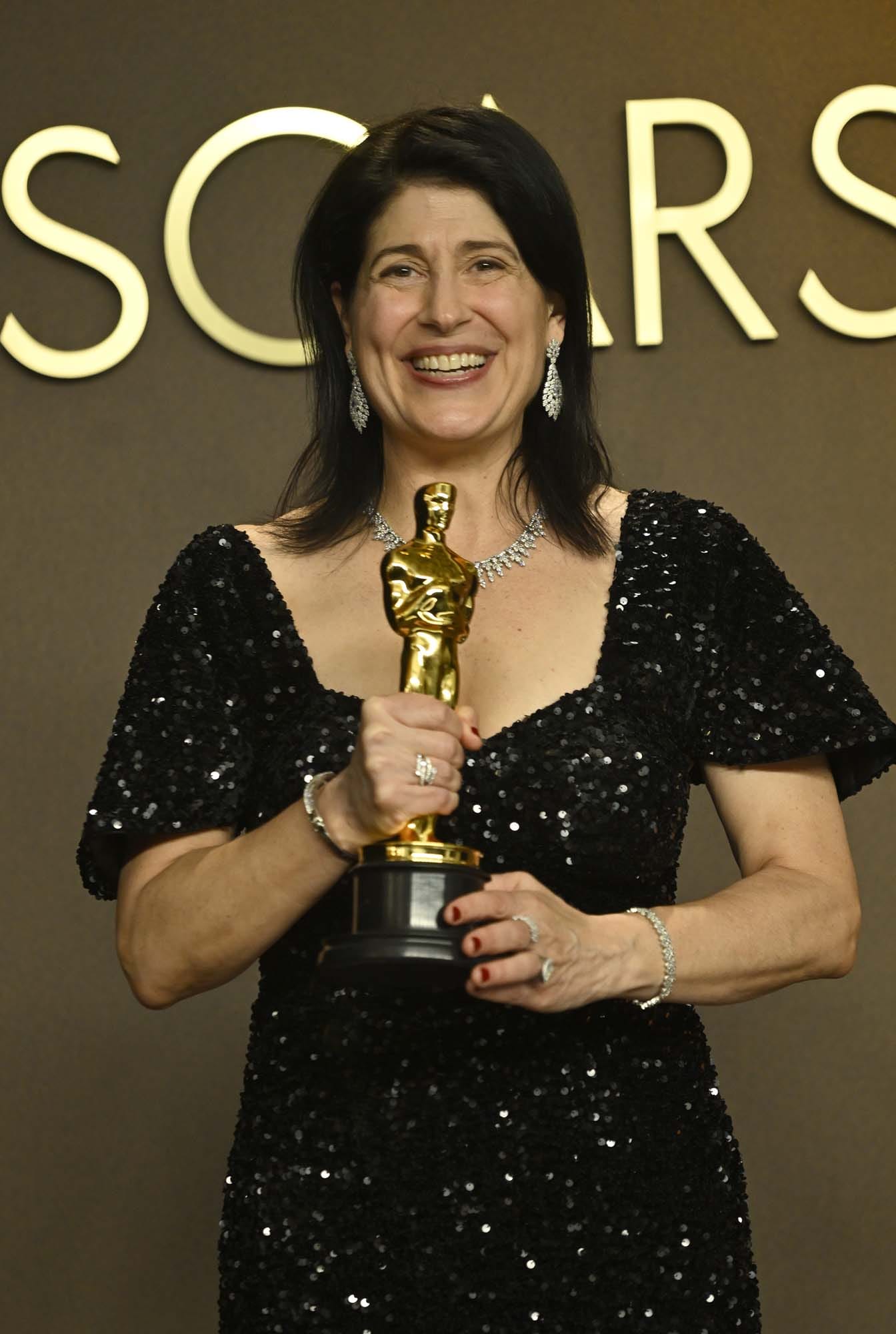
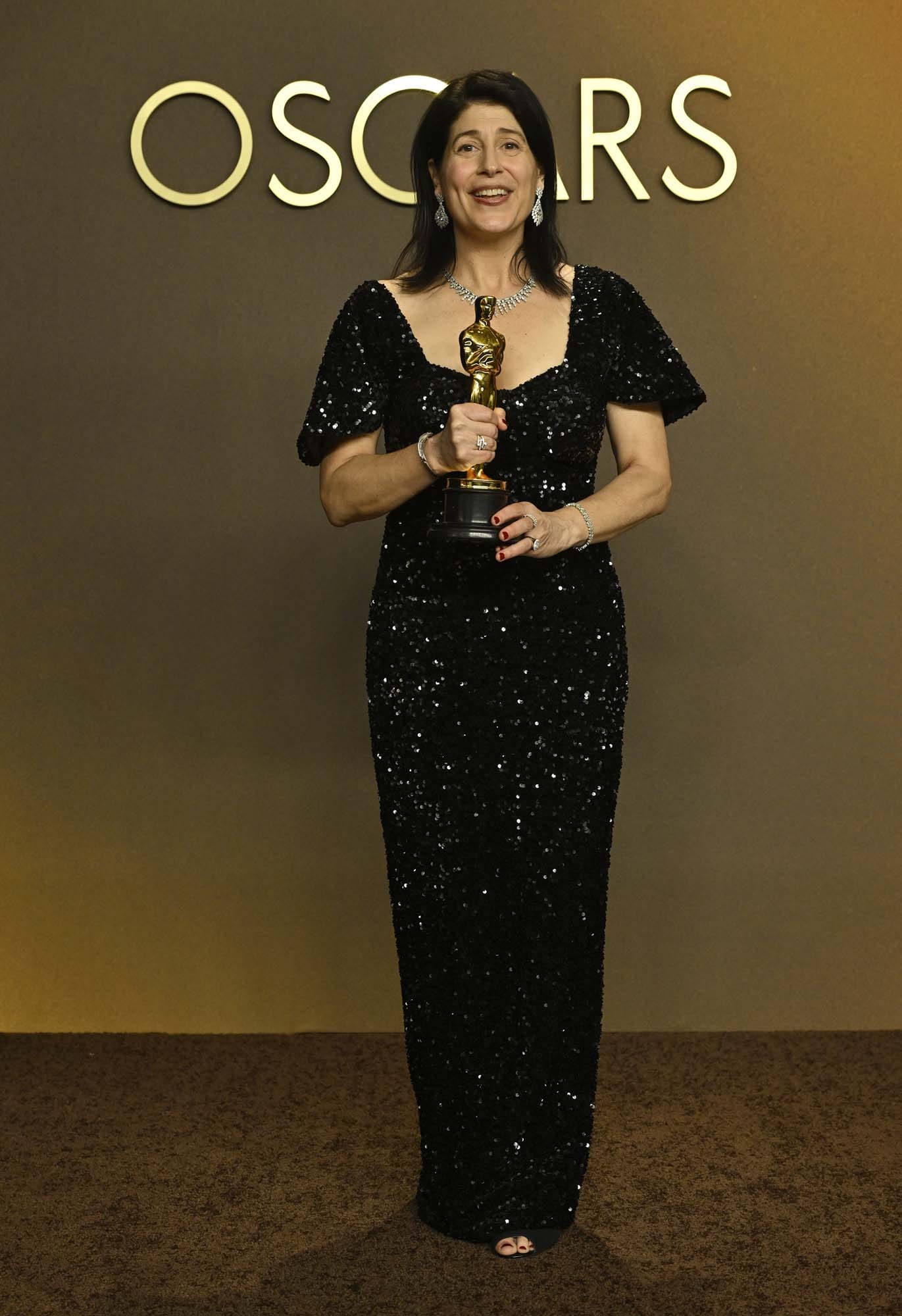
Chase Infiniti attends the 2026 Vanity Fair Oscar and Cassandra Kulukundis in the press room at the 98th Oscars at Dolby Theatre on March 15, 2026