Love is Blind, but core values aren't

– 5 min read

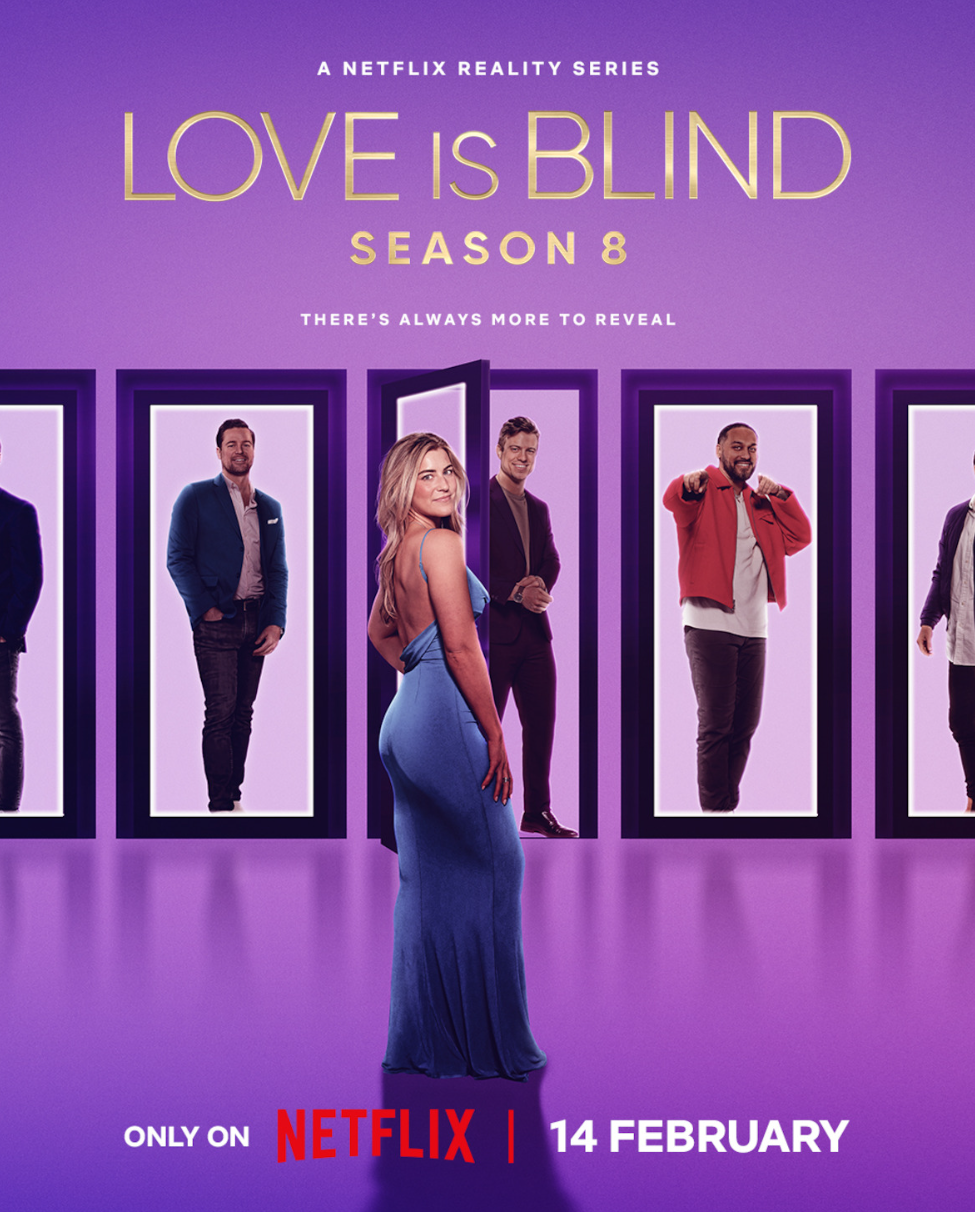
The reunion for the eighth season of Love is Blind premiered this week on Netflix, and of the show’s five hopeful couples who became engaged during their time in the pods, only one successfully exchanged wedding vows on decision day. With the point of the experiment hinging mainly on a couple’s ability to build a genuine connection beyond being able to see and judge the other person physically, it puts participants in an interesting position to get to know their potential suitors on a deeper level.
As we learned in the finale and during the reunion, there is one thing that carries even more weight than how your partner looks, particularly for two women who ended their engagements, saying no on decision day mainly due to a lack of alignment on core values. The disconnect between where they stood on issues like abortion, equality and their political leanings took center stage.
The first of two women to say no at the altar was Sara. Upon establishing a connection with Ben in the pods, she spoke at length about how George Floyd’s death, which took place in their home state, marked a pivotal moment for her, as she began to fully understand her privilege as a white woman in the United States. She discussed the importance of having a partner who shared similar core values, expressing interest in wanting to be with someone who was also aware of their privilege, believed in women’s rights, and would be accepting of her sister, who is part of the LGBTQ+ community.
Her partner, Ben, on the other hand, had a very different background and described coming from a religious and traditional home, still attending church regularly, and not really leaning into discussions about social justice movements like Black Lives Matter as he didn’t feel they were particularly relevant in his life as a young white man. This put Sara off initially, but the two agreed to continue having conversations about these topics. But Ben failed to initiate these conversations throughout the rest of their time together. He failed to ask questions, and failed to reflect, which, in the end, was all she was hoping for.
And when the pair attended a church service together, Sara appeared agitated. When she later asked him if he knew what his church’s views on LGBTQ+ marriage were, Ben said he didn’t know, again, blaming his lack of knowledge and interest on it not being relevant in his life. She revealed at the reunion that she took the initiative to watch a sermon from his church to learn for herself, and saw that his church denounced gay marriage, another contributing factor in her rejection on decision day.
The second woman to say no to marriage was Virginia, a Black woman from Minneapolis who turned down Devin, a biracial basketball coach a few years her junior with a white mom and Black dad. Virginia’s rejection of Devin was far more of a shock to the audience than Sara’s, mostly because, as she revealed at the reunion, their tensions were happening off-camera. She mentioned feeling the need to “protect” Devin over the course of filming, a façade she shed in time for the reunion, essentially revealing him to be a bigot, as this X user pointed out.
Virginia letting the world know that Devin is a bigot #LOVEISBLINDreunion pic.twitter.com/Q3TC3HG887
— Natasha ❀ (@ndelriego) March 10, 2025
While the couple was filming, there were a few conversations about women’s access to abortion, which Devin stayed mostly mum on, and another issue that appeared to be a red flag was Devin and his entire family’s initial opposition to her request for a prenup, which outlined that each person would leave the marriage with exactly what they entered with and joint assets would be divided appropriately. At the reunion, she mentioned other issues that appeared to be contentious for the couple, including her belief in freedom of religious expression, pointing to the fact that she had Muslim family members, who we saw in attendance at their wedding.
Besides the lack of alignment on core values, each relationship appeared to be progressing incredibly well, which highlights just how crucial core values are in a relationship, and whether they matter even more than the “superficial” elements that this experiment seeks to leave out of the equation. And it would appear that not only for Sara and Virginia, but an increasing number of other women, the answer is absolutely, unequivocally, yes.
According to a survey from Oddspedia, 1 in 6 Americans have ended or considered ending a relationship over political differences, with more than half of the 5,000 people surveyed refusing to date someone who has opposing political views – and gender plays a role here, too. If politics is a topic during a date, men are more likely to leave the date viewing it negatively. For women, though, they feel political conversations on dates are positive. And while men view having a politically-informed partner as more “cynical and elitist”, women view it as an indication of sex appeal, compassion and tolerance.
These findings show a progression in the severity of political polarization, particularly in the United States. A global survey found that among American respondents, 81% prefer not to date someone identifying with an opposing political party, which is 5% higher than the global average. The significance of this finding is best summarized by research conducted in January 2022 by the Carnegie Endowment for International Peace, which found that the United States was among nations with "chronically pernicious levels of polarization” – a rarity for a nation that boasts a lot of wealth and long-held a reputation for being a fairly democratic nation - which started around 2015, when campaigning for the highly contentious and divisive 2016 election kicked into high gear.
An interesting finding from the Oddspedia survey is that three quarters of those surveyed said political discussions should be avoided entirely on a first date. That’s where Love is Blind challenges how we date. Perhaps these topics are avoidable in a traditional dating setting, but in an experiment where there is a potential lifelong marriage on the line, intense conversations are had, and early. And that is what the foundation of these relationships become, and what the partners become attached to. Not the distraction of a chiseled jaw line or sultry eyes, which can often tempt not just participants, but anyone in the dating game to downplay or abandon the importance of core value alignment.
One thing I noticed watching this season of the show is the luxury of passiveness with which men approach politics. Ben’s idea that he didn’t have to concern himself with social justice movements like Black Lives Matter or what his church’s stance was on LGBTQ+ rights because it wasn’t relevant (to him, apparently), or because it didn’t directly impact him was so telling. And when Virginia asked how Devin voted, and he indicated that he typically voted the way his family did, which was Conservative, spoke volumes.
Women are – and have always been – at a crossroads. We are constantly faced with the decision of whether we can afford to love people whose political views inform not only how they feel about the world, but how they feel, at their core, about us. And for an increasing amount of women, with the stakes getting higher from moment to moment, the answer is becoming a louder, more resounding, more unequivocal no.