Meet The Shakespeares

– 3 min read

Chloe Zhao became the first woman of color to win the Academy Award for Best Director with 2020’s Nomadland. Her work up to that point was deeply sensitive, humanist, and realist. Then she made Eternals for Marvel which, while very ambitious especially for that risk-adverse studio, didn’t really work out for anyone. Now, though, Zhao is back on her sensitive beat with Hamnet, an adaptation of Maggie O’Farrell’s award-winning novel about William Shakespeare’s family, particularly his son, Hamnet, who died aged 11.
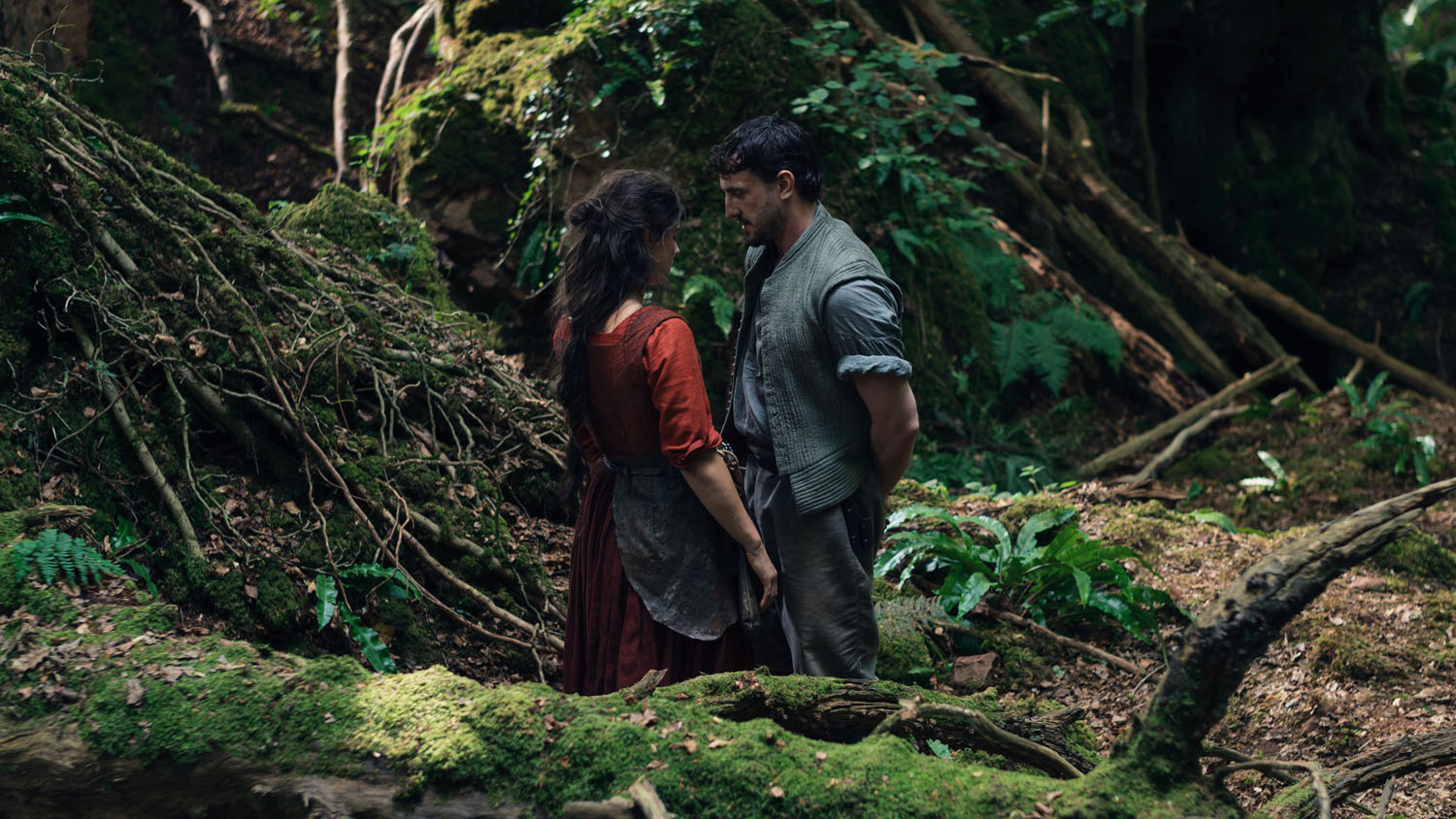
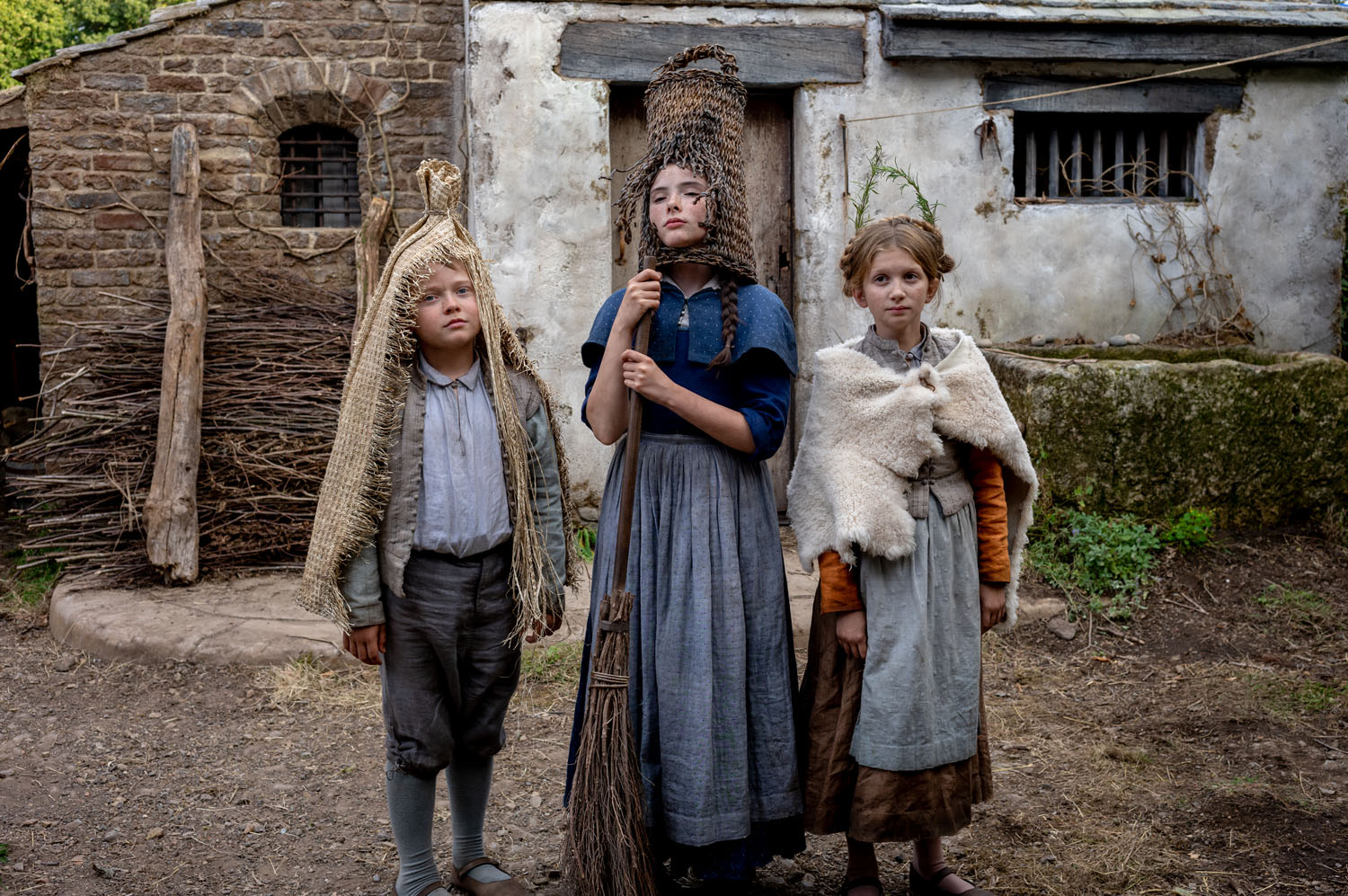
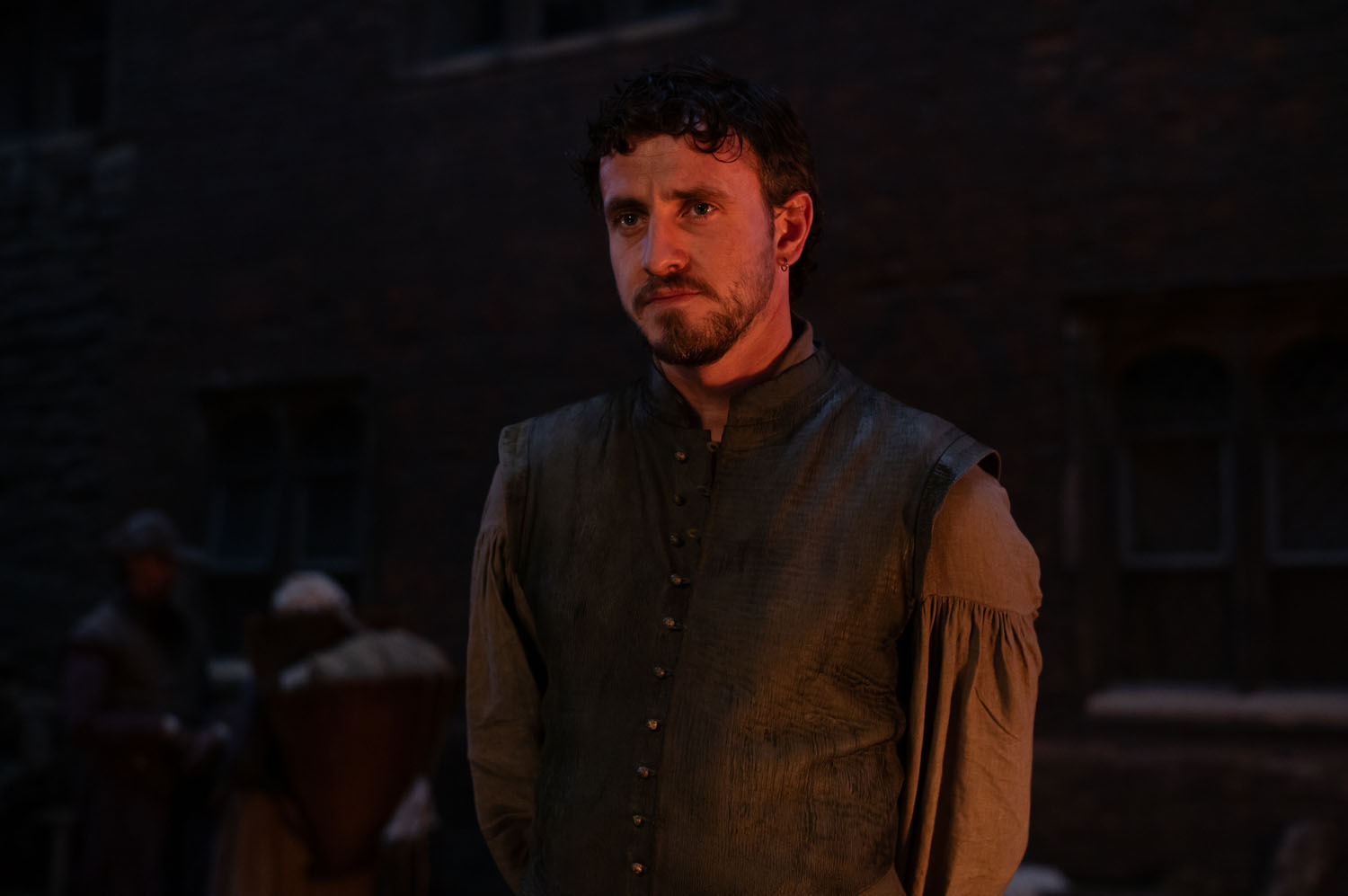
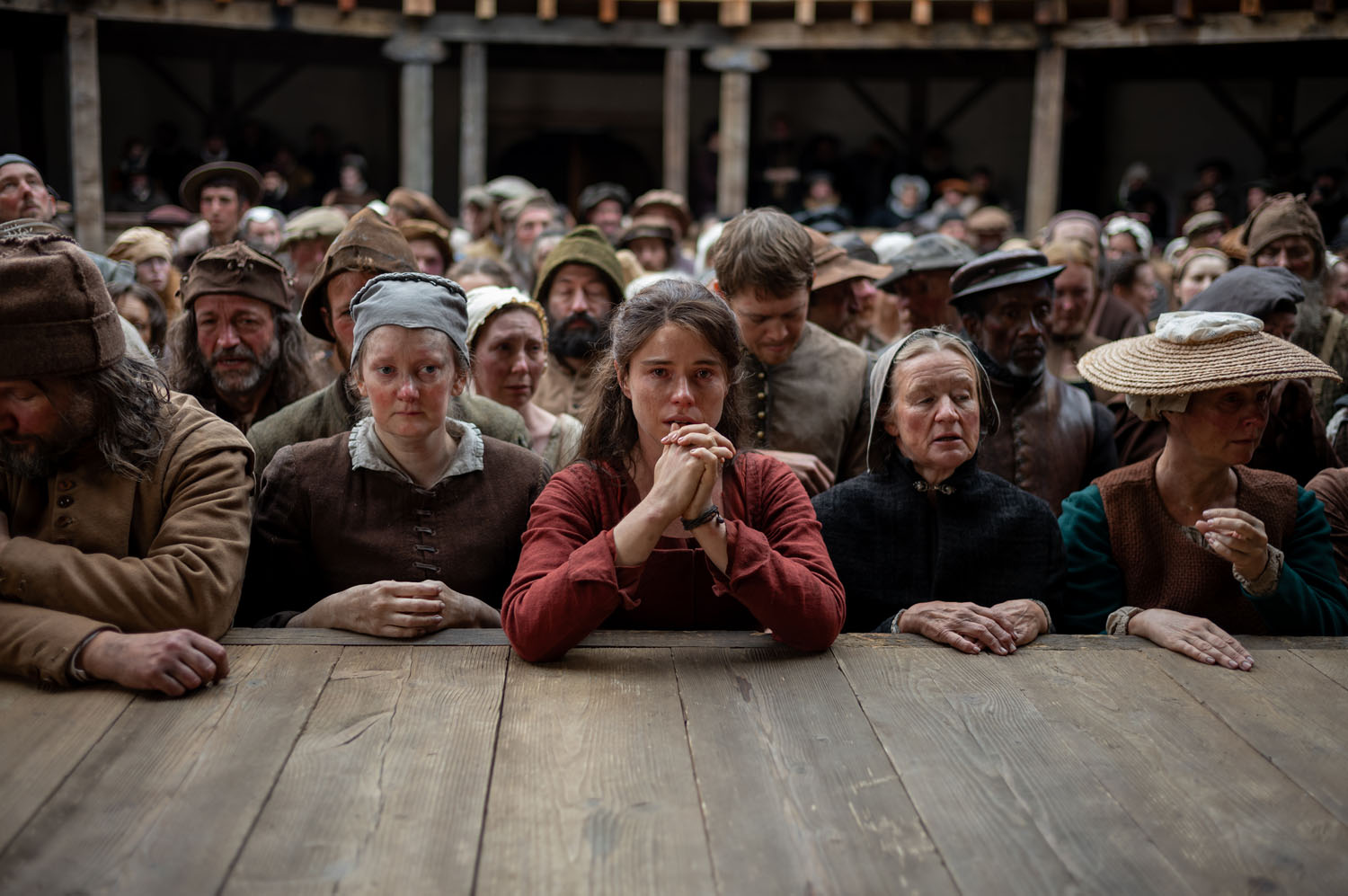
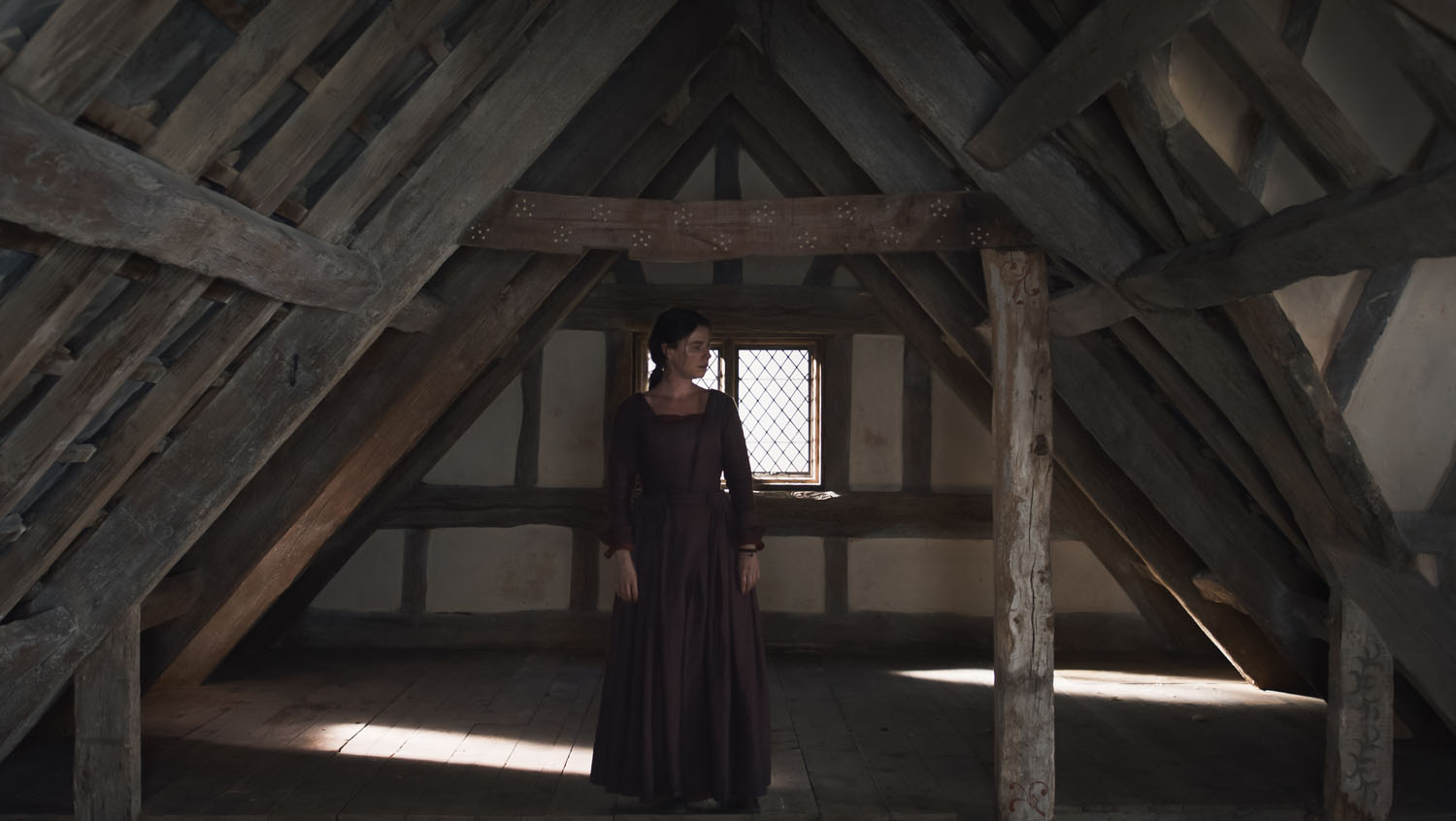
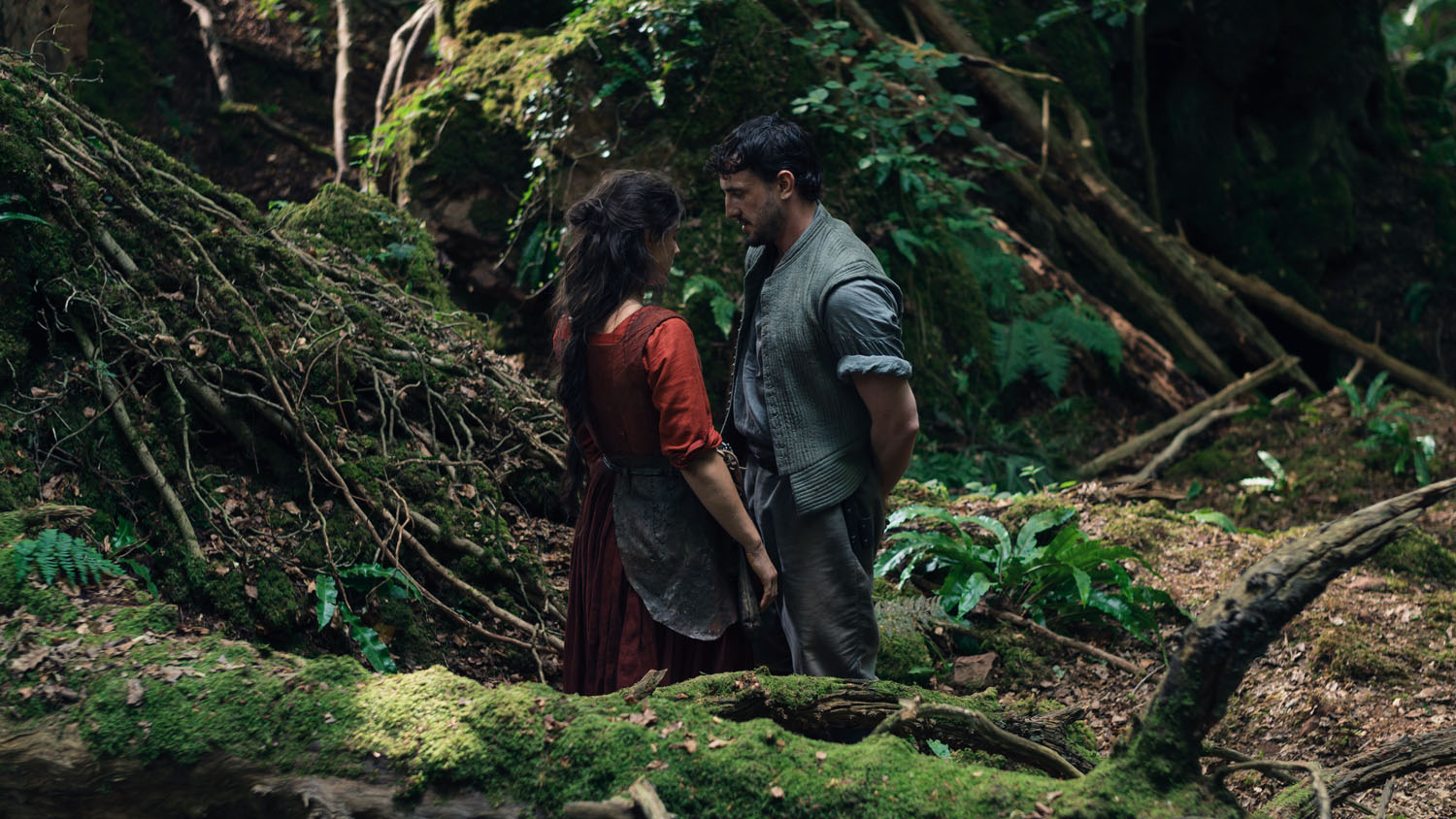
The trailer for Hamnet dropped this week, and it looks sumptuous and sad. Chloe Zhao has always had an eye for detail and staging, and Hamnet looks richly imagined, not the full-on “everyone looks like they have lice and smell like horse sh-t” worlds of Robert Eggers, but more than a glossy Hollywood imagining of the past. People are sweaty, everyone’s hair is bad, clothes look stank. But there is still a sheen of wistfulness and romance about the trailer, befitting a story about a poet’s tragic family life.
Hamnet Shakespeare was William’s only son, and the only one of his three children who did not survive into adulthood. Hamnet’s twin sister, Judith, lived to be 77, practically ancient back then. (Eldest daughter Susanna died at 66.) Many historians and literary scholars attribute the loss of Hamnet as the inspiration for some of Shakespeare’s greatest plays, most notably Hamlet. Shakespeare left virtually no personal writing behind, so we have only his plays and poems to decipher his personality, and there is a marked deepening of grief in his works following Hamnet’s death in 1596 (cause unknown, maybe the plague).
Up to 1596, Shakespeare wrote mostly comedies and histories, with Romeo & Juliet arriving in 1595. Then, sometime after that and before 1598, King John dropped like a lead weight onto the London stage, including the following line:
Grief fills the room up of my absent child
Grief became a HUGE theme in Shakespeare’s works after 1596, it is a literal haunting presence in Hamlet, but the problem with connecting Hamnet and Hamlet is that Hamlet is loosely based on the Scandinavian legend of Amleth, whose story is depicted in Robert Eggers’ The Northman, and “Hamlet” is a reasonable Anglicization of “Amleth”. But there is a certain grief-soaked despair in Shakespeare’s later works that he never shook until his retirement. Again, we can only presume from his works, but it does seem like William Shakespeare lost a child and part of him stayed mired in that grief.
Hamnet will have its world premiere at TIFF in two weeks. The film stars Paul Mescal as Shakespeare and Jessie Buckley as Agnes Hathaway (“Agnes” was her name in her father’s will, but Anne and Agnes were interchangeable back then, as both were pronounced “Annis”, and Nancy was the nickname). O’Farrell adapted her own book with Zhao, so they’re going with “Agnes” in the movie, too. Mescal and Buckley are great casting for ANYTHING, let alone a medieval family drama. Doomed Hamnet is played by Jacobi Jupe, and Joe Alwyn also appears in the film. Good for him.
This post is brought to you by my senior literature symposium: Classism and Shakespeare’s Identity. I wish that man HAD left more personal writing just so people would stop insisting he must be some rich guy.