Intro for May 29, 2024

– 3 min read

Dear Gossips,
Yesterday, I wrote about the (many) ills plaguing theatrical exhibition of films at home, on their nice big TVs with their nice sound systems. I get it! Especially when you add in overall comfort, lower cost, optimal snack options, and lack of rude people. Watching movies at home is better…in that sense. But in the sense that your TV, or mine, is “better” than a movie screen? Um, no. Not even the best TV is better than a mediocre theatrical screen/projector setup. A bad theatrical setup might be equal to TVs, but a TV is never better than a theater (excepting professional-grade screening rooms like rich people have, those are often spec’d by the same people designing actual movie theaters).
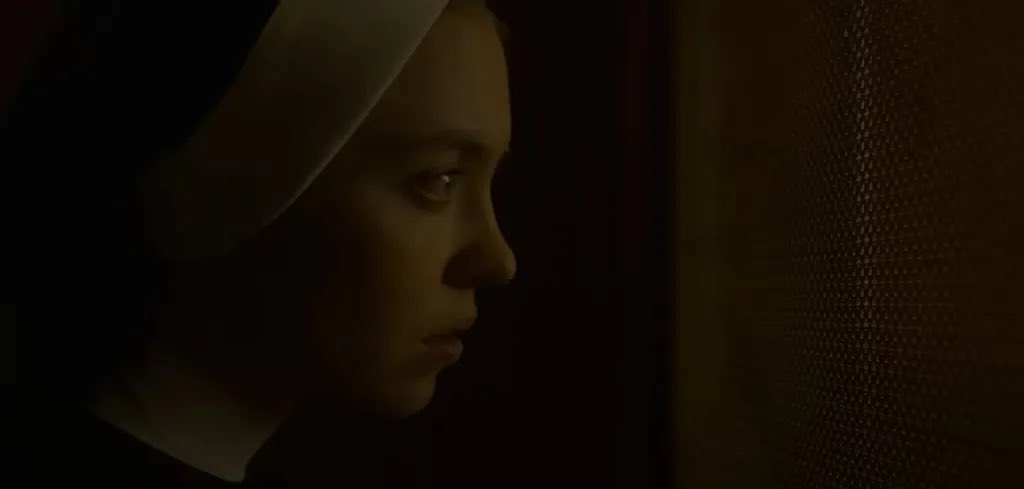
It’s to do with compression, which is how digital film files are squeezed down into rates that can be easily handled by broadband internet traffic, something which just came up with the Sydney Sweeney film, Immaculate. The film is now available on demand on Prime, Apple TV+, Google Play, etc. The problem? It looks like sh-t.
I know, man. This was absolutely not done intentionally. We have no control over the compression specs of each platform. It's a real problem that truly bums me out, and after comparing them all, iTunes is the closest to what we wanted / brighter than the rest. https://t.co/V65sCC3zMt
— Michael Mohan (@michaelmohan) May 28, 2024
I blame a little bit of this on Game of Thrones, where the defense of incomprehensibly dark scenes was “we did it on purpose”. But not every filmmaker hates their audience, and I saw Immaculate in a theater just before it ended its run in my area, and it’s a pretty good-looking movie. Giallo influences are obvious, there’s a lot of totally metal Catholic imagery, it’s not as daring as it thinks it is, but it’s generally a good time. And it is NOT incomprehensibly dark.
Or, it shouldn’t be, but compressing it to make it easier to feed into the internet (through…tubes?) inherently degrades the image quality. Among streaming platforms, Max is the absolute worst for this, everything looks like dogsh-t on that platform, and it is DEFINITELY worse since they merged HBO Max with Discovery+, it’s like all the quality Warner Bros. and HBO stuff got downgraded to crap Discovery levels. David Zaslav is incredibly well paid to make everything around him worse (I’m not worried about Robert Evans’ beautiful house at all!).
Prime and Netflix are generally okay, compression can get worse during peak traffic hours (Friday-Sunday night), and Apple TV+ is, consistently, providing the best quality control, but even there I have seen some of their stuff in theaters only to watch again on the app at home and catch noticeable image degradation.
All of this is to say—streaming isn’t really treating movies better than theaters. Theaters face the infrastructure issue of paying for expert staff trained on multiple projector systems to manage and maintain equipment for ideal screening circumstances. Streamers face the infrastructure issue of internet traffic, and how to store and transmit millions of hours of movies and series. Compressing digital cinema files makes it easier—and cheaper—to manage that flow.
The point being, we’re really not getting a good viewing experience ANYWHERE right now. And frankly, the streamers have a bigger hurdle to overcome as it relates to image quality, because they’re dealing with an avalanche of data, where a theater has a fixed number of projectors. It would be easier for a theater to fix lousy projection than for a streamer to fix image degradation due to compression. I mean, they could just stop compressing their files, but that would make their data load unfathomable, and the cost of increased servers and maintenance would only be passed onto us, the consumers. It always is.
Live long and gossip,
Sarah