Detecting an AI songstress

– 5 min read
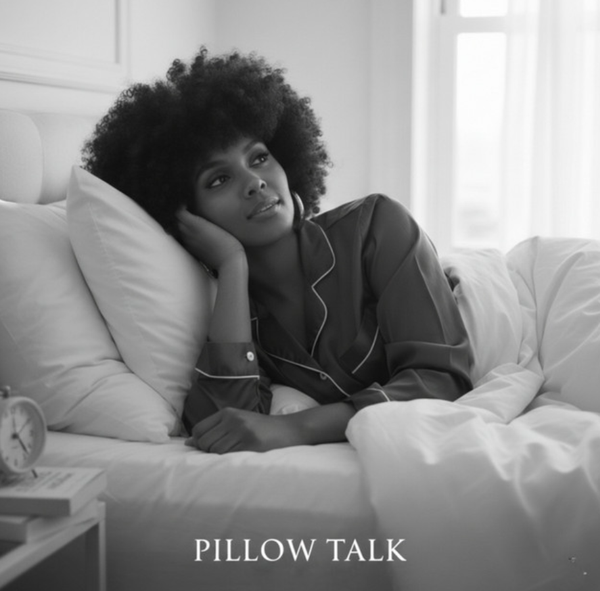
The internet is divided over whether the woman claiming to be the artist behind the much-loved music of Sienna Rose is, in fact, her, or whether the songs so many have come to know and love are all the product of a ‘worryingly convincing’ AI artist by the same moniker. With millions of Spotify streams, three songs sitting in Spotify’s Viral 50 playlist and nearly four million monthly listeners, it appears people are only now tuning into the fact that her heartfelt songs may not be human at all.
Human or not, the songs are pretty decent – at first listen, anyway. I can’t fault whoever might have heard her hits, with romantic titles like “The Shape of Tenderness” and “Golden Skin”, for not bothering to check whether the singer was human. Even Selena Gomez used Sienna’s song “Where Your Warmth Begins” in a post about the Golden Globes only to delete it later amid all the speculation. But for however long it was up, you can just imagine the boost the track got from a celebrity like Selena.
Up until very recently, doing a ‘human or AI’ check on a musician was never something that would cross our minds. But with the hoopla surrounding other AI artists like Xania Monet, who drew commentary from producers, artists and your everyday music consumer alike, these are the added considerations in our time.
Sienna’s music is best described as a crossover between jazz and neo-soul, and her sound is similar to what you hear when you listen to artists like Olivia Dean and Norah Jones. The BBC describes her sound as ‘dusky’. As good as her songs may be, people say they have good reason to doubt whether they were fully produced by humans.
A few of the giveaways and indicators she might be AI include a ‘hiss’ that runs through her songs, which is common for songs made with the assistance of apps like Suno and Udio. Then, there are other telltale signs like the inconsistency in the sounds of instruments in the songs. Sienna’s pattern of sticking to the melody also led to broadcaster Gemma Cairney saying there’s some ‘soul in the soul missing’ because she doesn’t really go off script and hit us with powerful – or even soft - riffs towards the end of her songs, which is uncharacteristic of artists in this space who typically use that part of the song to really drive it home.
But perhaps the biggest give away is the fact that all of her content has been flagged as AI-generated by streaming service Deezer, a platform that uniquely developed software to detect AI-made music.
"We can confirm that the majority of Sienna Rose’s albums on Deezer are detected and clearly tagged as AI-generated using our AI detection tool. As AI music becomes more widespread, we think it’s vitally important to be transparent with listeners and fair to artists, which is why Deezer removes all fully AI-generated tracks from algorithmic recommendations and editorial playlists, so users can make informed decisions about what they're listening to," the platform told the BBC.
While Deezer is working to slow down the spread of AI music, according to social media users, other platforms are actually helping to push her music to potential listeners. They say if they listen to people like Olivia Dean and Norah Jones, Sienna Rose comes up as a suggested artist they might like. And with Spotify being best known for its intuitive suggestions about what music you might like based on your history, it puts the platform at an interesting and ethical crossroad, particularly with their users who are opposed to AI artists receiving the backing of mega streaming platforms.
It’s taken a while for people to tune in to the fact that something was…off. So naturally, they looked her up on social media. Prior to her Instagram page being deactivated, which is a huge red flag in itself, there was a clip of Sienna on a podcast. The podcast had no name, no social handle, and the host is said to have had ‘vacant expressions and wandering eyes’, according to Yahoo. Other than that, her page had a series of similar-looking headshots with similar lighting, all characteristics of inauthenticity.
One of the biggest differences between Sienna Rose and Xania Monet is that Telisha Jones, the creator behind Xania wasn’t trying to hide the fact that she was AI. I mean, she was doing TV interviews to help promote her creation. But perhaps due to the backlash that stemmed from Jones’s open approach from artists like Kehlani, whoever is behind Sienna Rose has kept a low profile, deliberately avoiding calling too much attention through social media, which is now and has been for some time an entirely necessary tool for musicians and actors trying to make it big, or at least to stay relevant.
Only recently has Sienna’s TikTok page started posting consistently – and even those videos are drawing huge speculation and hilarious meme responses to the one photo she’s shared of herself as a child. And despite not being an expert on all of this, I agree that something is off.
It’s the lack of an origin story. Where are the photos of you performing in your local mall or something? Who have you opened for? Where are the real humans in your life coming forward to say, Yes, I know her, we went to high school together. She stuffed me in a locker one time.
All of this indicates how easy it is becoming for AI to do in months what takes human creators years, sometimes decades, to do and accomplish. Further to that, it shows the luxury they have while doing it. My heart aches for the musicians all over the world trying to get their break on TikTok, or on street corners busking. It aches for the ones who have been in talks with talent agents for months now, or the ones hoping for a reshare from someone like Selena Gomez. They’re all grinding daily only to not experience even a sliver of the success artists like Xania Monet and Sienna Rose have.
Between late September and December, Sienna uploaded nearly 50 songs to streaming platforms. Had this been a human artist, a move like this would’ve been revered. But with speculation about her authenticity, it’s bizarre. And beyond this being bizarre, it's scary. Because we shouldn’t have to be working this hard and conducting internet sleuth investigations just to find out whether someone is real. Nor should we have to be second-guessing which platforms we can trust to not dupe us with AI music.
The disappointment in Spotify is real. And the lack of transparency is beyond disturbing. It feels like a deliberate move by Spotify to start pushing human artists, who demand pesky things like royalties so they can pay rent, out of the industry in favor of robots who don't need food or shelter or rest. For those of us trying to support human creativity and real artists making real music, some kind of warning system might be necessary. Something tells me Spotify won't be the ones to provide it, though.