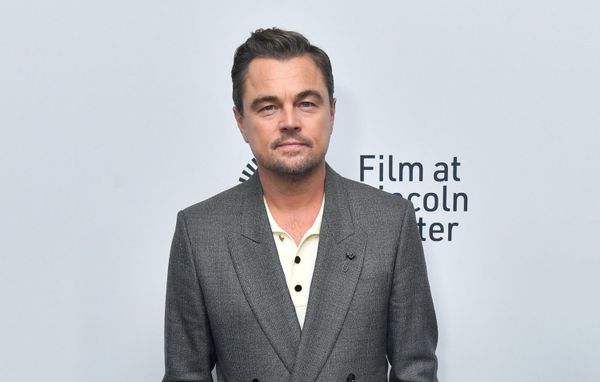
Paul Mescal in Dublin (and grumpy Ridley Scott)

– 4 min read
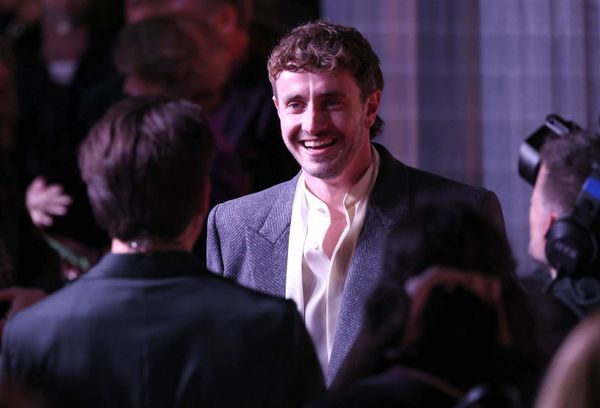
When I was in Dublin last year, I stayed just down the street from Trinity College and met several people who were quick off the cuff to tell me they went to school with Paul Mescal.
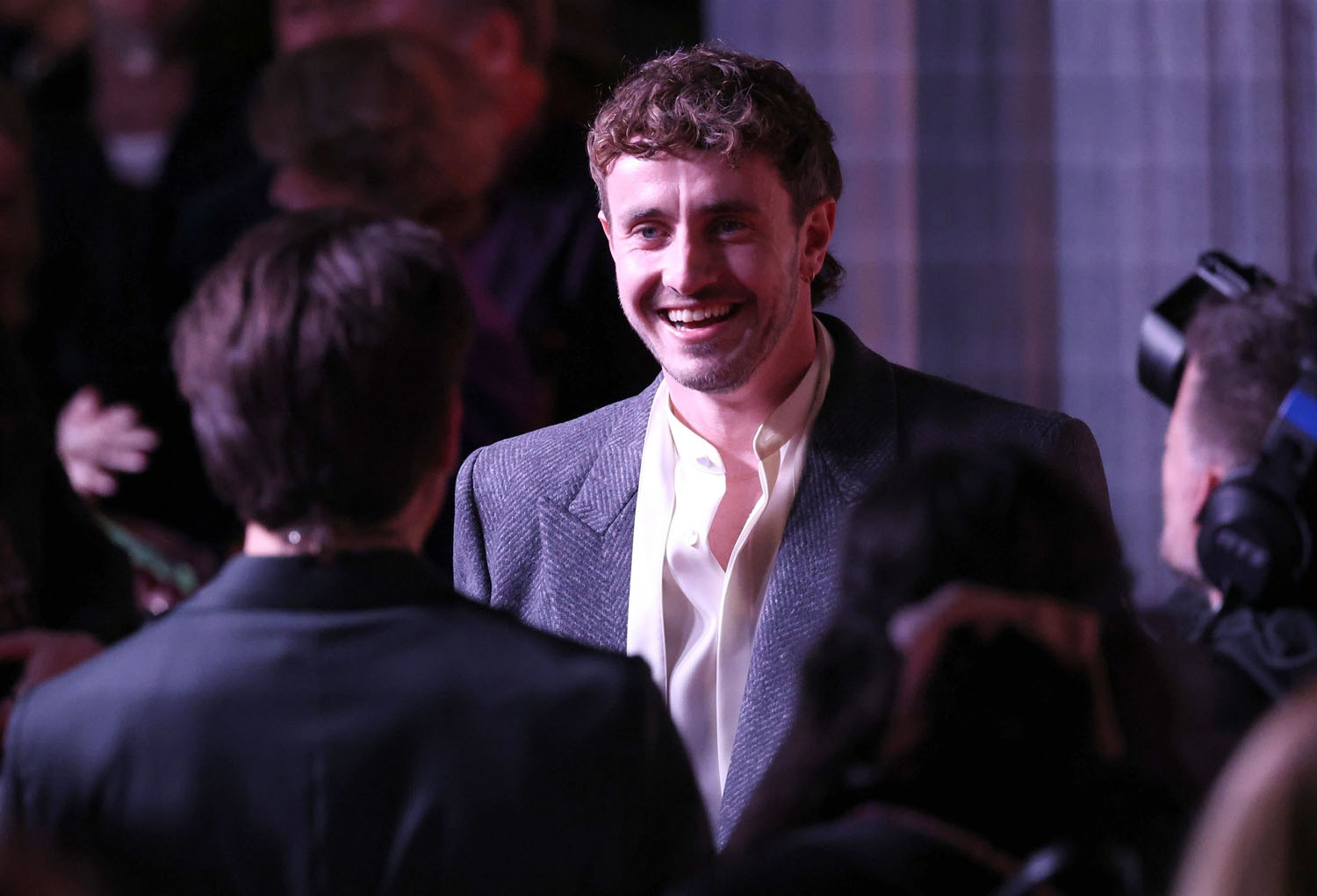
The local pride in Mescal for making it big was palpable, and yesterday he returned his college town love during a stop at Trinity before the Dublin premiere of Gladiator II.
Paul Mescal visiting Trinity College ahead of the Dublin premiere of ‘GLADIATOR ll’
— Film Updates (@FilmUpdates) November 7, 2024
https://t.co/odc3WcU4WO
Mescal is on the record saying he’ll be “profoundly depressed” if Gladiator II makes him more famous. Um, Paul, bad news buddy. The movie isn’t even out yet and it’s already making you more famous. There was even a Timothee Chalamet lookalike contest copycat in Dublin, except none of the men competing look like Paul Mescal.
Mescal’s plan, if Gladiator II wrecks his normal-ish life, is to “move on and do an obtuse play nobody wants to see”. I call this the Keanu Hamlet Maneuver, after the time Keanu Reeves went to play Hamlet in Manitoba at the height of his Nineties stardom. You know what that didn’t accomplish? Making Keanu less famous. There is a certain level of fame that, once attained, never really goes away. It’s the kind of fame that comes after you star in a massively successful film. Kristen Stewart and Robert Pattinson spent years after Twilight making weird, offbeat little films, and they both remain hugely famous.
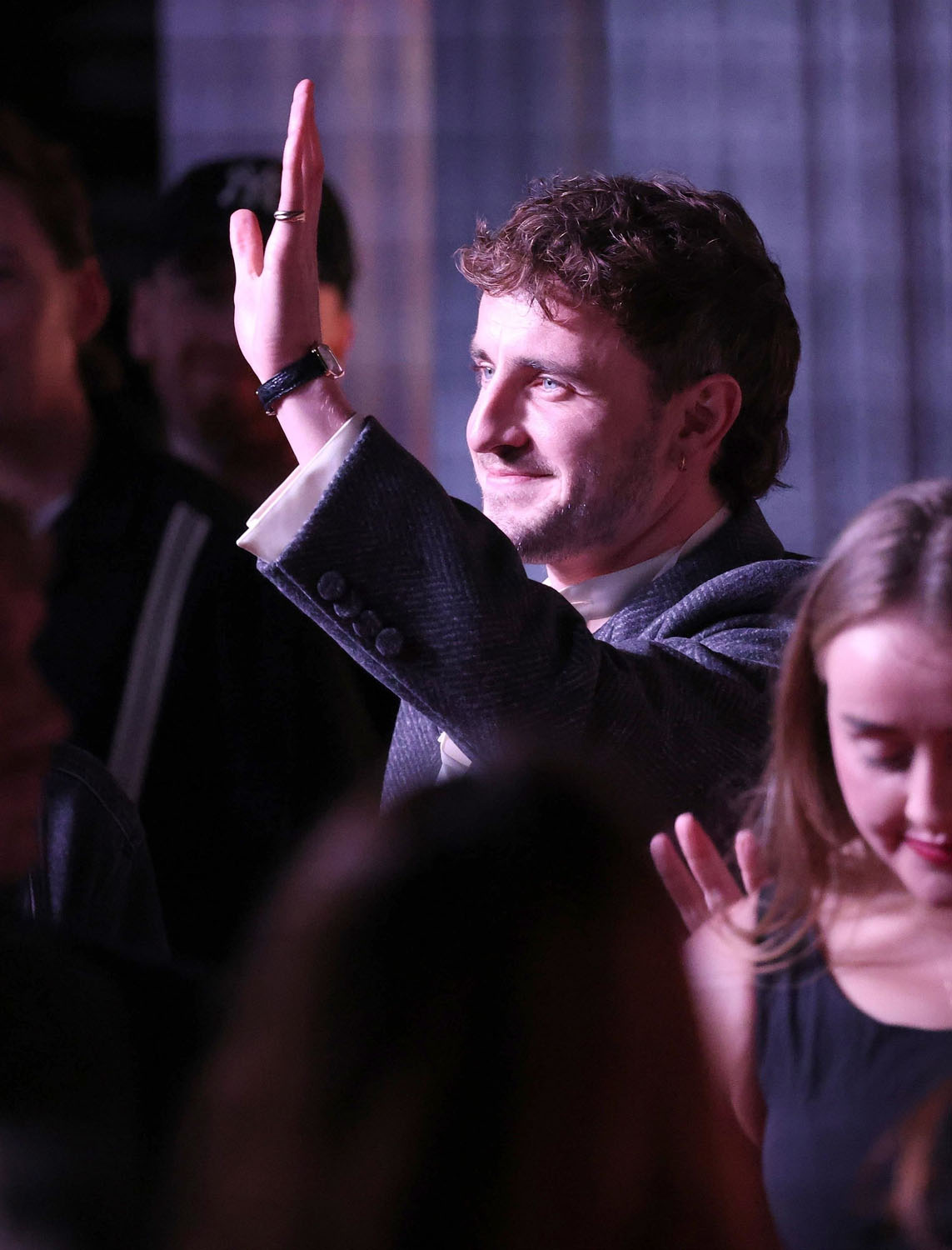
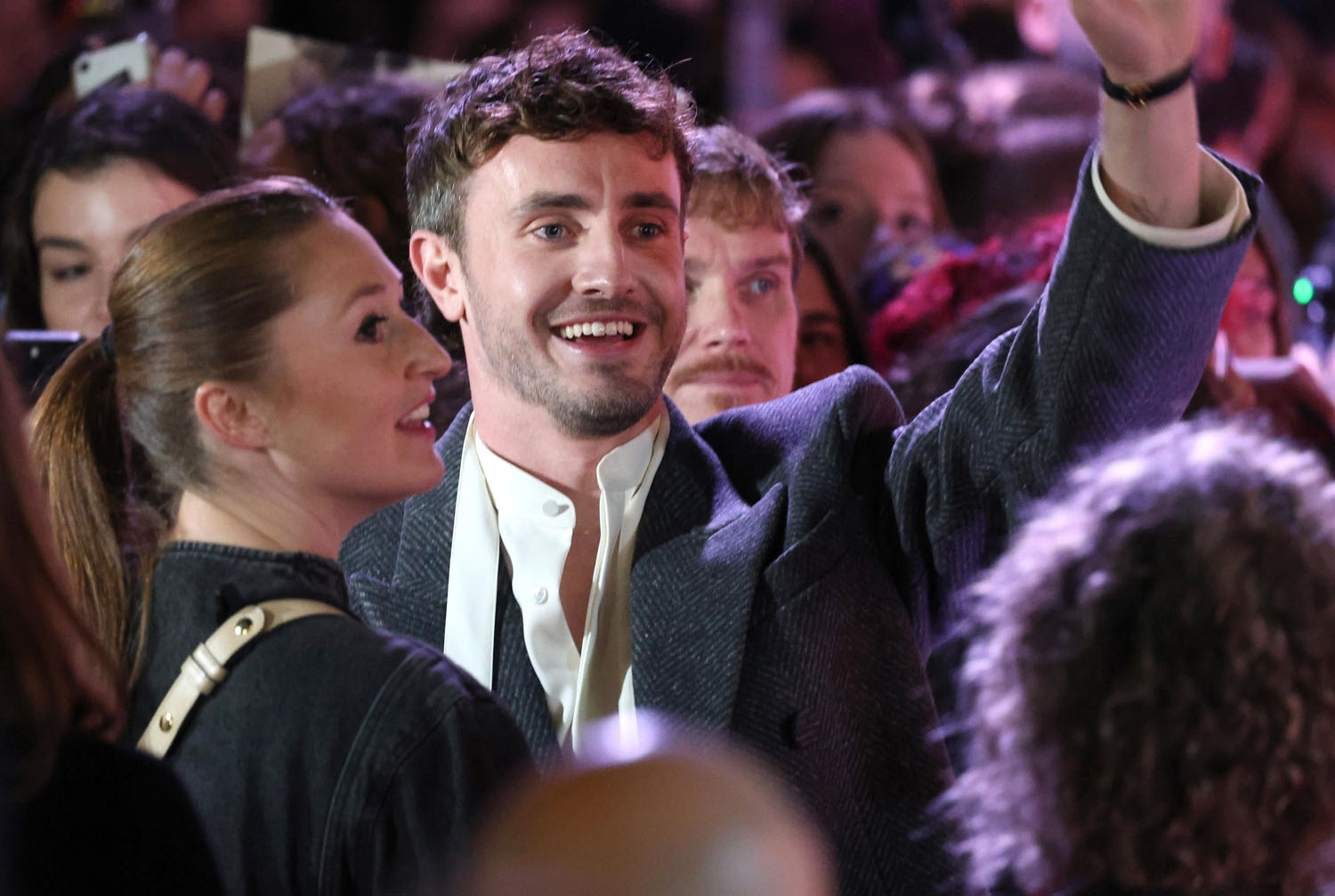
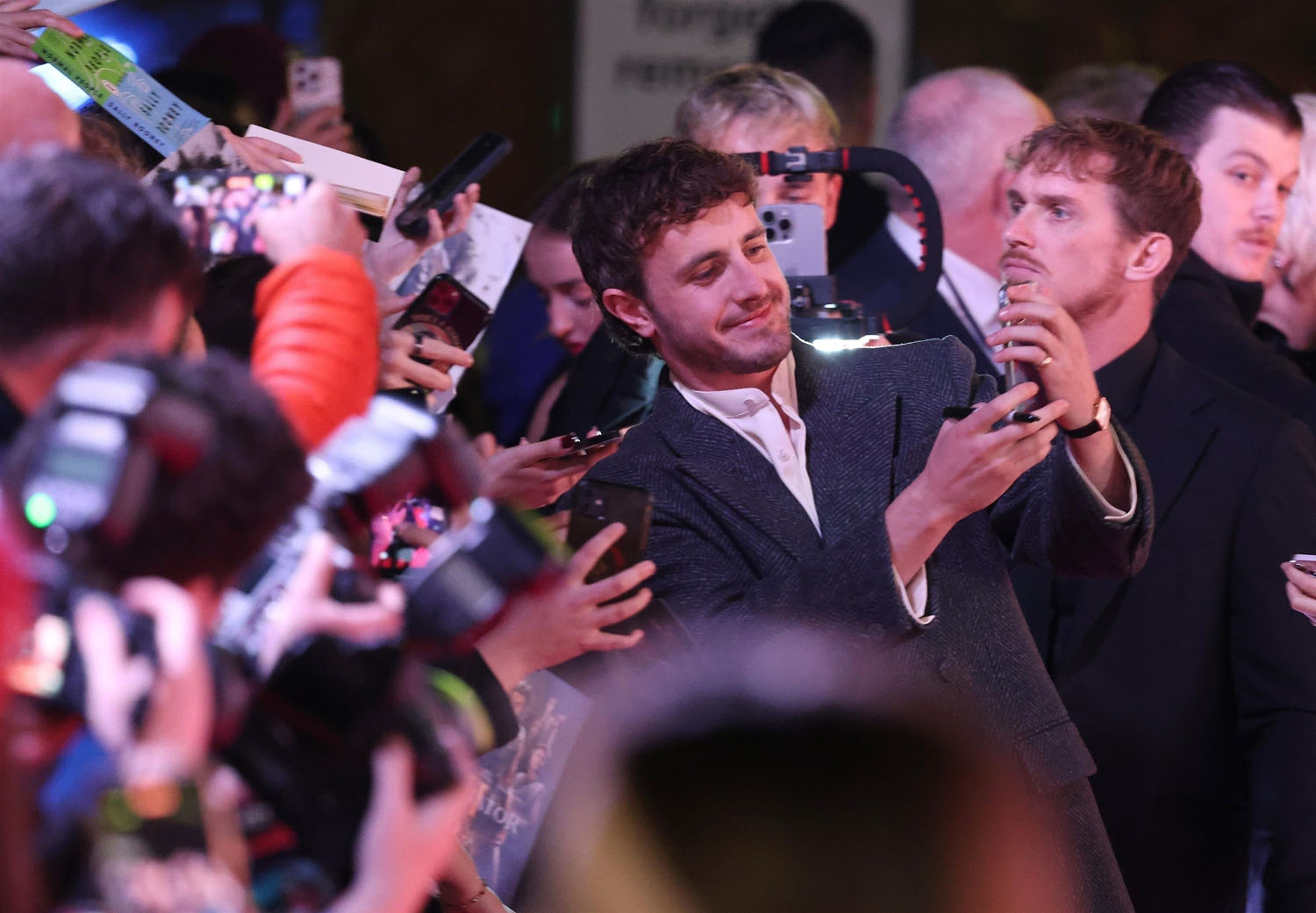
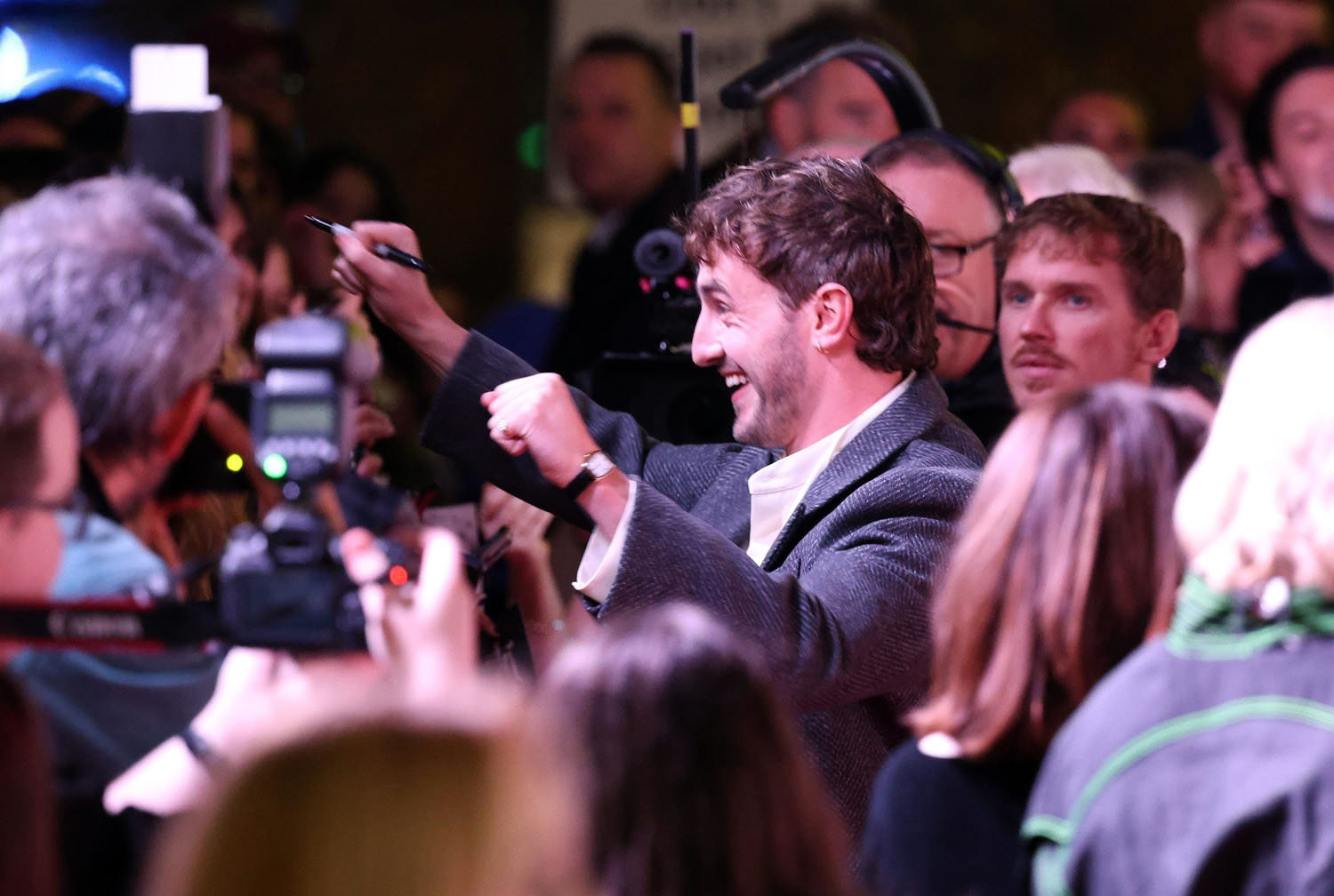
So sorry, Paul. Gladiator II IS going to change your life, and even if you do a weird play somewhere, it won’t make you any less famous. To that end, Mescal was mobbed by fans at the premiere at Dublin’s Light House Cinema:
Accept no imitations - Paul Mescal is here! pic.twitter.com/Lq7E9BYXYR
— Light House Cinema (@LightHouseD7) November 7, 2024
But the best part of the Gladiator II press tour isn’t Paul Mescal, it’s Ridley Scott giving grouchy interviews. When asked in The Hollywood Reporter about Quentin Tarantino’s intention to retire after directing ten films, Scott replied: “I don’t f-cking believe that bullsh-t. Shut up and go make another movie.”
On Pauline Kael’s famously excoriating Blade Runner review: “Go f-ck yourself, Pauline.”
On not winning an Oscar: “I don’t know how the award system works other than we are voted on by our peers, right? I think there are 19,000 ‘peers’ in the Director’s Guild. Are they 19,000 directors? I’m not going to comment on that.”
And then, speaking to Kyle Buchanan in the New York Times about Joaquin Phoenix almost quitting Gladiator: “He was in his prince’s outfit saying, ‘I can’t do it.’ I said, ‘What?’ And Russell said, ‘This is terribly unprofessional.’”
When RUSSELL CROWE is the voice of reason, you have gone too far.
But back to Ridley Scott saying amazing things. When asked about his Oscar nominations for Best Director, for Thelma & Louise, Gladiator, and Black Hawk Down, and whether or not those are the three films he feels most deserve nominations, he said: “No, I think there could have been more.”
The part of the conversation that is less cool is about AI. Scott wants to “get into animation” and use AI to do it. When Buchanan pushes back on how animators believe AI will cost them jobs, Scott says, “I don’t think it’s going to create jobs except for very high-end specialists. You can have done in a week what would take 10 guys 10 weeks.”
So yeah, it’s going to cost people jobs and Ridley Scott doesn’t really care (he also “not all billionaires” wealth disparity). Not great. And it’s not that I don’t understand his point about “retraining”, how people, especially in our rapidly evolving technological landscape, will have to retrain for their jobs multiple times in their careers, but the problem is that when AI gets good, like really good, like it can actually do everything it’s advertised to do, there won’t be anything for people to retrain on. The computers will do it all.
That’s why the ethicists keep warning about guardrails and protecting human labor, because we are not a cool and groovy society with a healthy social safety net. When those jobs are gone, they’re gone. It might be worth protecting the “10 guys” because what Scott is talking about is a permanent labor retraction that means less jobs, period. And where do those workers go? Robotic automation will impact every sector of every industry, there is not an unlimited supply of labor to go around. I thought we already learned this during the mechanical automation of the mid-20th century.
Ridley Scott is in his grouchy era, and it is 95% entertaining, but it is 5% a reminder that workers’ rights are important, and we need to defend them because there are people who do not see a difference between MS Paint and Sora, but one is a tool and one could permanently fracture an entire industry.