Yearning and gloop in “Wuthering Heights”

– 6 min read
Emerald Fennell’s adaptation of “Wuthering Heights” (“based” on the “novel” by “Emily Brontë”) is not a faithful adaptation of that novel; it’s full of deliberately anachronistic choices, and it has a very specific style palette that you will either love or hate. These are just facts. At a certain point, you have to stop holding the book against the movie and judge the film on its own merits. And on its own merits, Fennell’s third film is her most visually stunning, but also her most thematically shallow.
This is only "Wuthering Heights" if you’ve only ever heard someone who just read the Cliff Notes in high school explain the plot of Wuthering Heights. Fennell’s “Wuthering Heights” is a mishmash of romantic tropes from classical literature and the trashiest paperbacks on the “take a book” shelf at the train station. It’s a horny film for people who need therapy.
Margot Robbie stars Catherine Earnshaw, the only daughter of a genteel household in rural 18-whatever England—do not look to the book or the style cues for time and place, they won’t help—that is sliding into poverty. She’s a bitch, she’s a lover, she’s a child, she’s a mother, she’s a sinner, she’s a saint. Cathy sucks, but she’s also the product of an abusive, alcoholic father and a social system so strict that it basically tortures everyone trapped within it. Fennell, who wrote and directed the film, offers her best thematic idea early in the film: such a strict class system turns everyone into monsters and forces cruelty onto and out of everyone.
Robbie is joined by Jacob Elordi as yet another white Heathcliff, Cathy’s childhood friend turned lifelong sado-masochistic partner—Cathy and Heathcliff might be divided by class, but they match freak4freak. Heathcliff is a boy taken off the street and rehomed at Cathy’s home, Wuthering Heights, like he’s a lost puppy. He suffers abuse for Cathy, he loves her, he hates her, he f-cks her, he mourns her. Cathy walks Heathcliff like a dog, but he gets his lick-back by marrying Isabella, the ward of Cathy’s husband, Edgar Linton (Shazad Latif).
Robbie and Elordi are fine—good, even—as doomed lovers, but absolutely no one in “Wuthering Heights” tops Alison Oliver’s gleefully unhinged performance as Isabella. She’s so unsettling every moment she’s on screen, she’s a literal screaming delight—she will actually make you want to scream, her completely deranged performance dragged audible responses from the audience several times. “Wuthering Heights” is worth watching just for Oliver’s performance, which is genuinely, utterly, delightful. Hong Chau is a close second as Nelly, Cathy’s long-suffering companion, but ultimately, Nelly is too much a creature of restraint while Isabella gets to go full on cuckoo banana pants from moment one.
Another reason to tolerate Fennell’s butchered take on Brontë’s novel—which is actually a better adaptation of Romeo & Juliet, I promise that will make sense if you see the film—is for the visuals. Fennell’s vision is highly mannered and formally fake, the film has a very theatrical look thanks to the stagey appearance of sets. There is no attempt to make anything look real, locations are just ideas of places that might exist in a twisted fantasy. It adds to sense of wrongness that permeates the film, like the whole thing is the half-remembered fever dream of a stoned student failing English lit. The vibes won’t work for everyone, especially boring people who demand things like “fidelity to text” and “historical accuracy”, but if you abandon yourself to Fennell’s aesthetic, there is a noxious sort of charm to the film. It’s so beautiful and upsetting and poisonous.
This is a gloopy film that oozes with slime and grease and sticky things, it gushes and gurgles and heaves and pants and sweats and bleeds and splooshes and splooges and you’ll want a shower after. There is so much bllllrrrrrbbbb and ssmsssmssssms and hhhhrrrggghhhhh and mlllllllmmmmm. Some filmmakers evoke the disgustingness of the past with strict adherence to historical design, such as the way Robert Eggers’s films indulge in lice infestation and body odor. Fennell goes the other way, building a jewel box world not unlike Wes Andersons’s precocious cinematic visions, but she populates her landscape with bodily fluids and gggrrrmmmpp noises. It’s f-cking gross. It’s the second-best part of the film (first best is still Alison Oliver’s performance).
Where “Wuthering Heights” falls flat is the dramatic heft. Fennell references some of the most epic love stories in the English language and grounds it in the world of Brontë’s star-crossed haters, but she has nothing to add to except sssppplrrrrbbb. There has always been something hypnotic about the way Wuthering Heights has captured imaginations for almost 200 years, why people—mostly women—consider a tale of terrible people tormenting each other one of the greatest love stories of all time.
But Fennell doesn’t really bother with all that. She’s more hung up on aesthetics and bodice ripper moments—credit where it’s due, Heathcliff picking Cathy up by her corset IS hot—which is fine in and of itself, but we know from Promising Young Woman that Fennell can say more, do more, in her work than just contribute to bosom-heaving tropes. What Fennell pulls out of Wuthering Heights, at the expense of every other piece of text and subtext in the novel, is the sheer scope of yearning that seizes Cathy and Heathcliff. They yearn so hard they destroy everything and everyone around them. They are a Chernobyl of yearning.
And there is validity in this reading, the first half of the film functions beautifully as Cathy’s yearning for Heathcliff threatens to doom her to a life of penury, putting her at odds with herself and her desire to both save her family and have a more comfortable, rich life. But then the second half of the film arrives, in which there is not just yearning but consummation, and “Wuthering Heights” loses momentum once Cathy and Heathcliff come together.
Robbie and Elordi’s chemistry fizzles when Heathcliff and Cathy’s relationship changes, as if their performances are built so much on pining that they have nothing to fall back on once that part is over. Fennell’s direction loses focus, too. She has Ideas, but sacrifices substance for style, making this her most trifling film, even as it is the most visually complicated and elegant. It’s hard not to think what could have been, if Fennell matched her thematics to her visual style, but in the end, “Wuthering Heights” is more beauty than brains, though it never runs short on ggglrrrrppp.
Wuthering Heights will play exclusively in theaters from February 13, 2026.
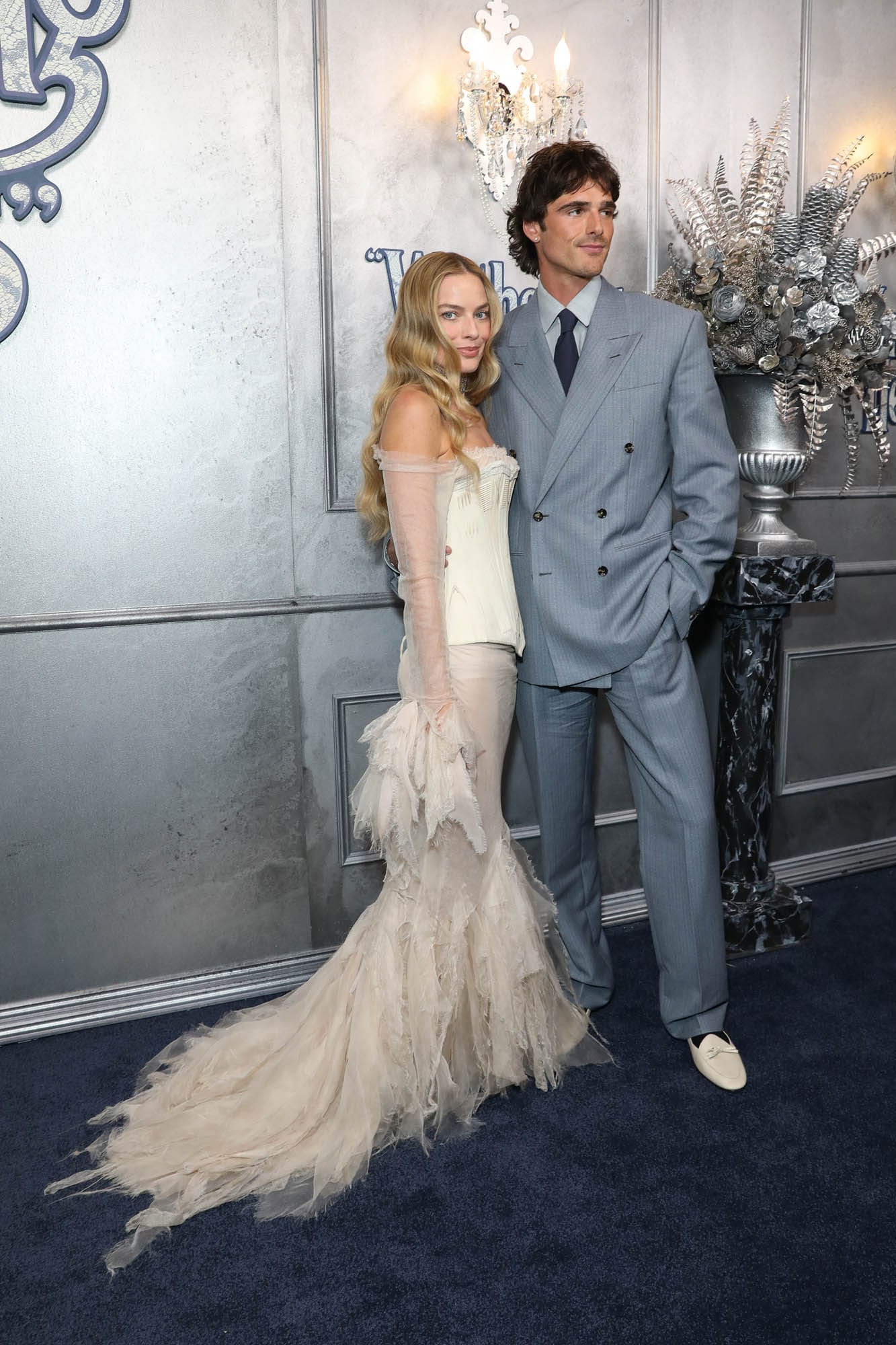
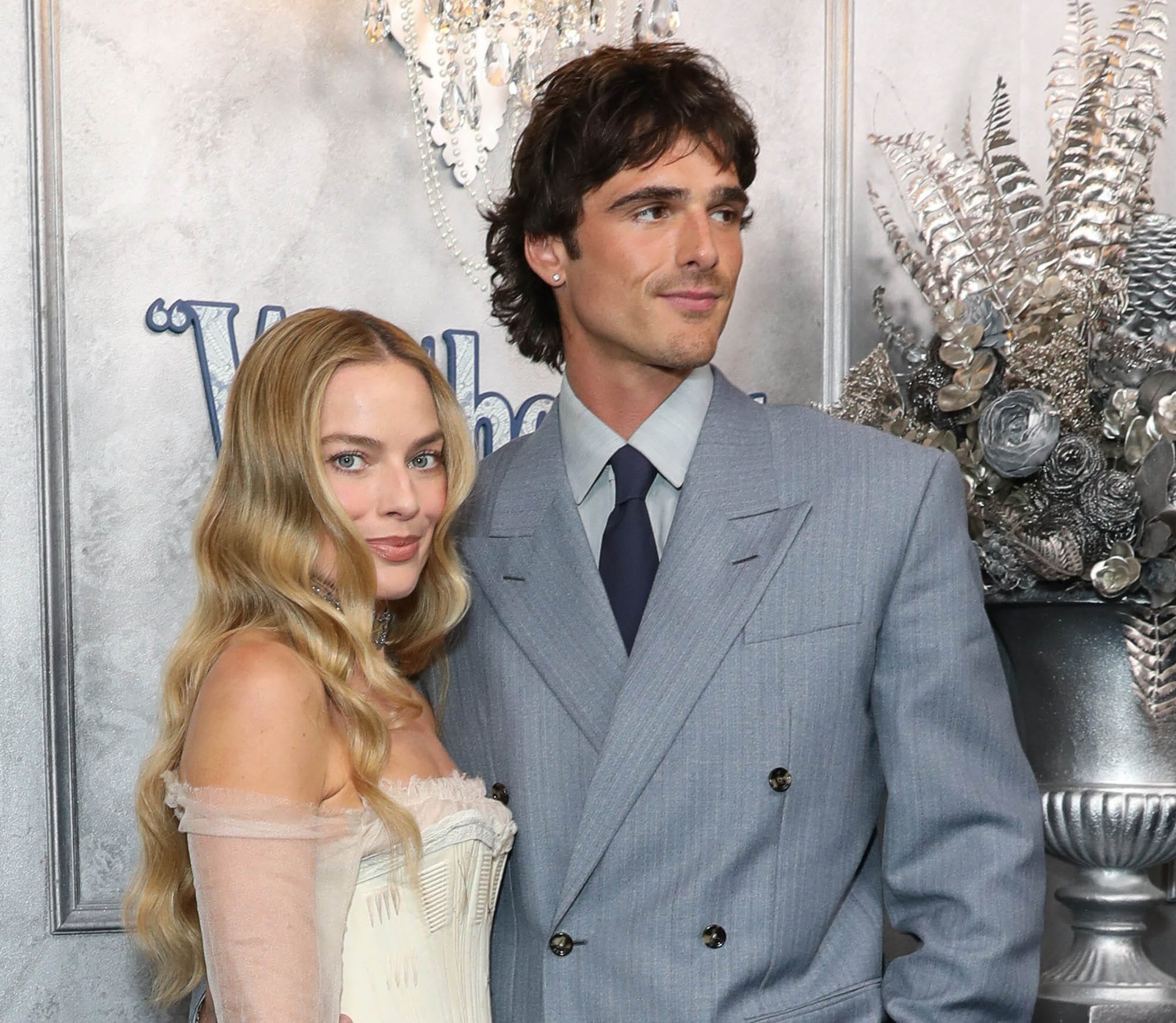
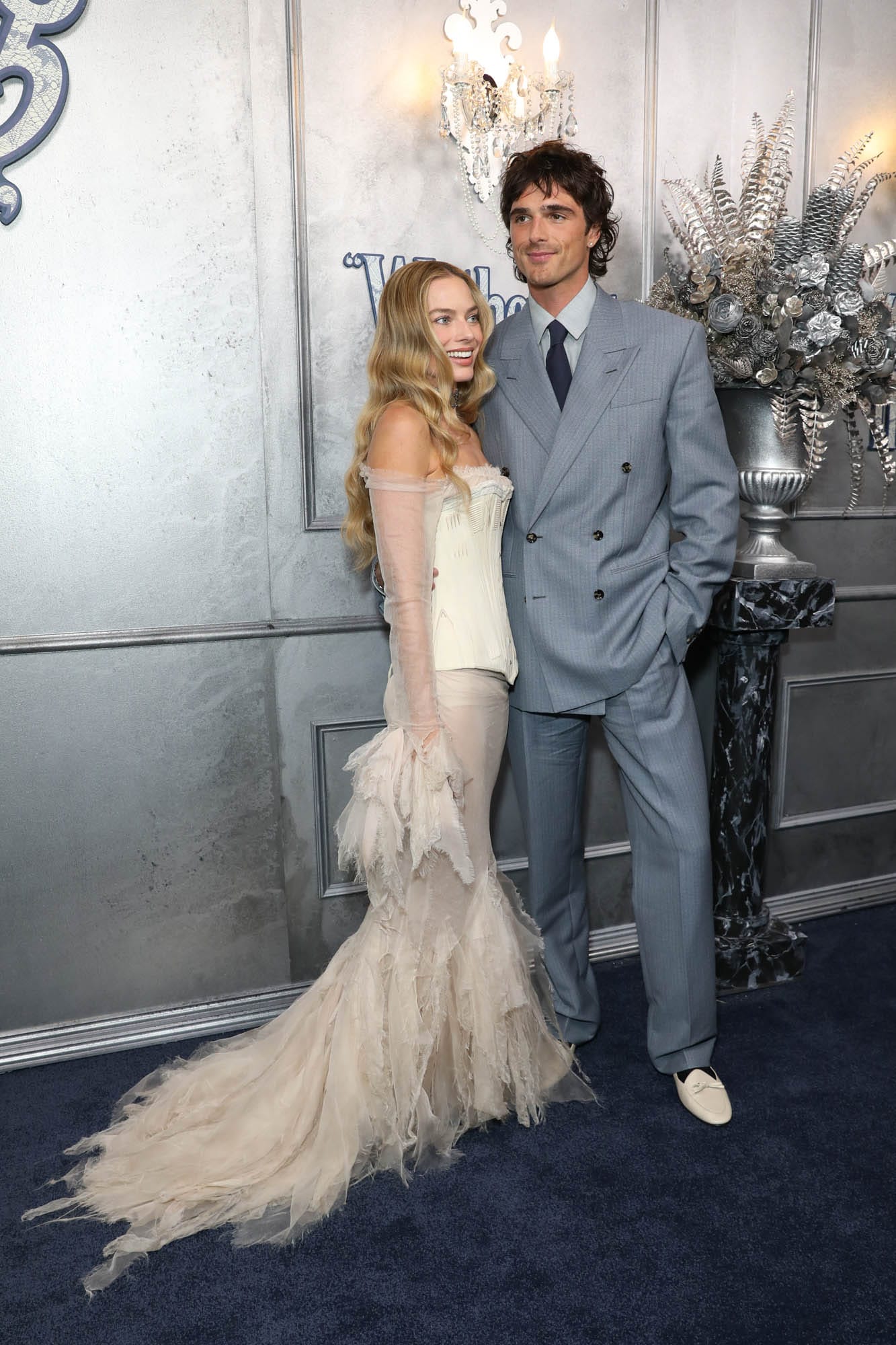
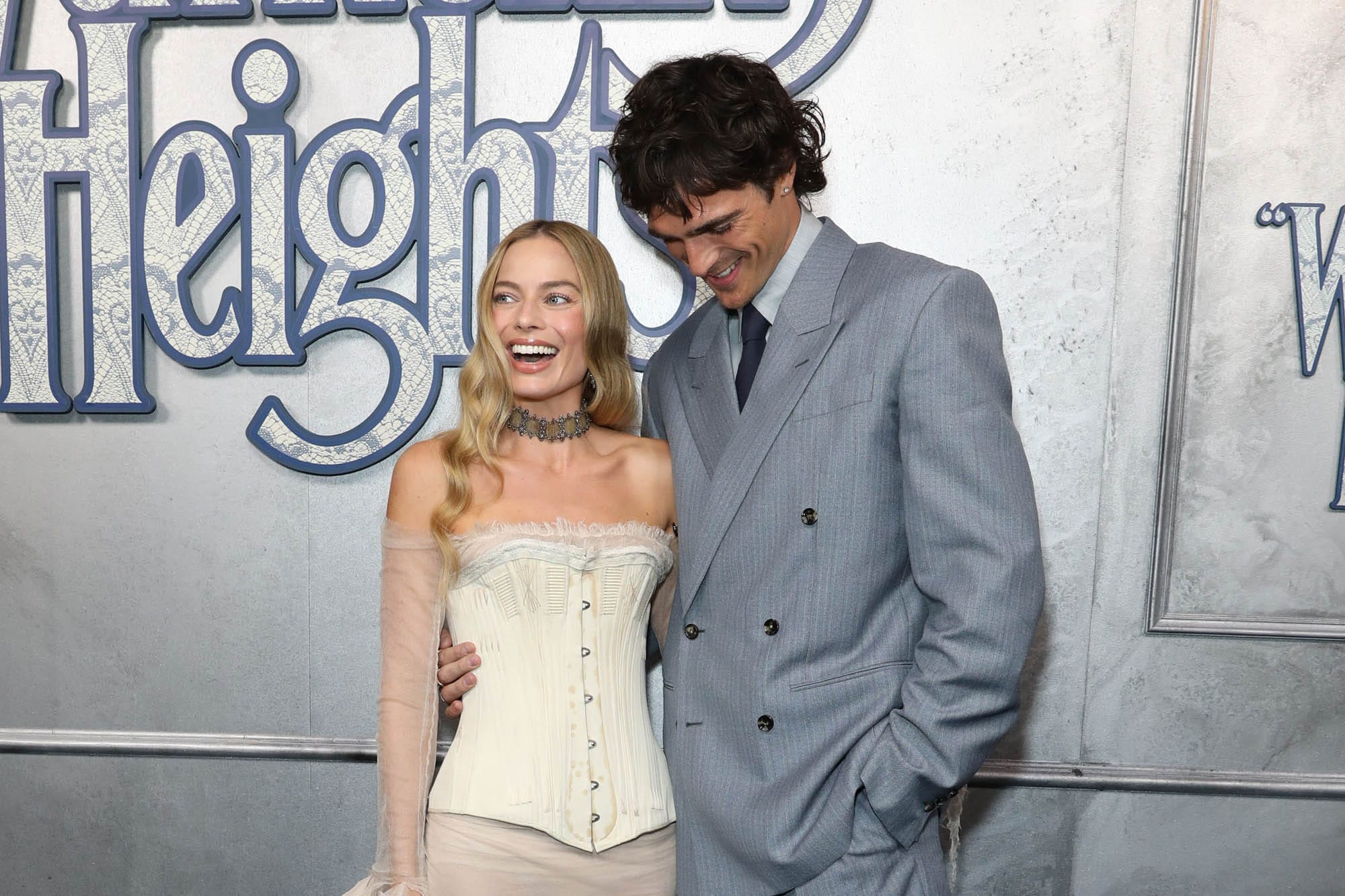
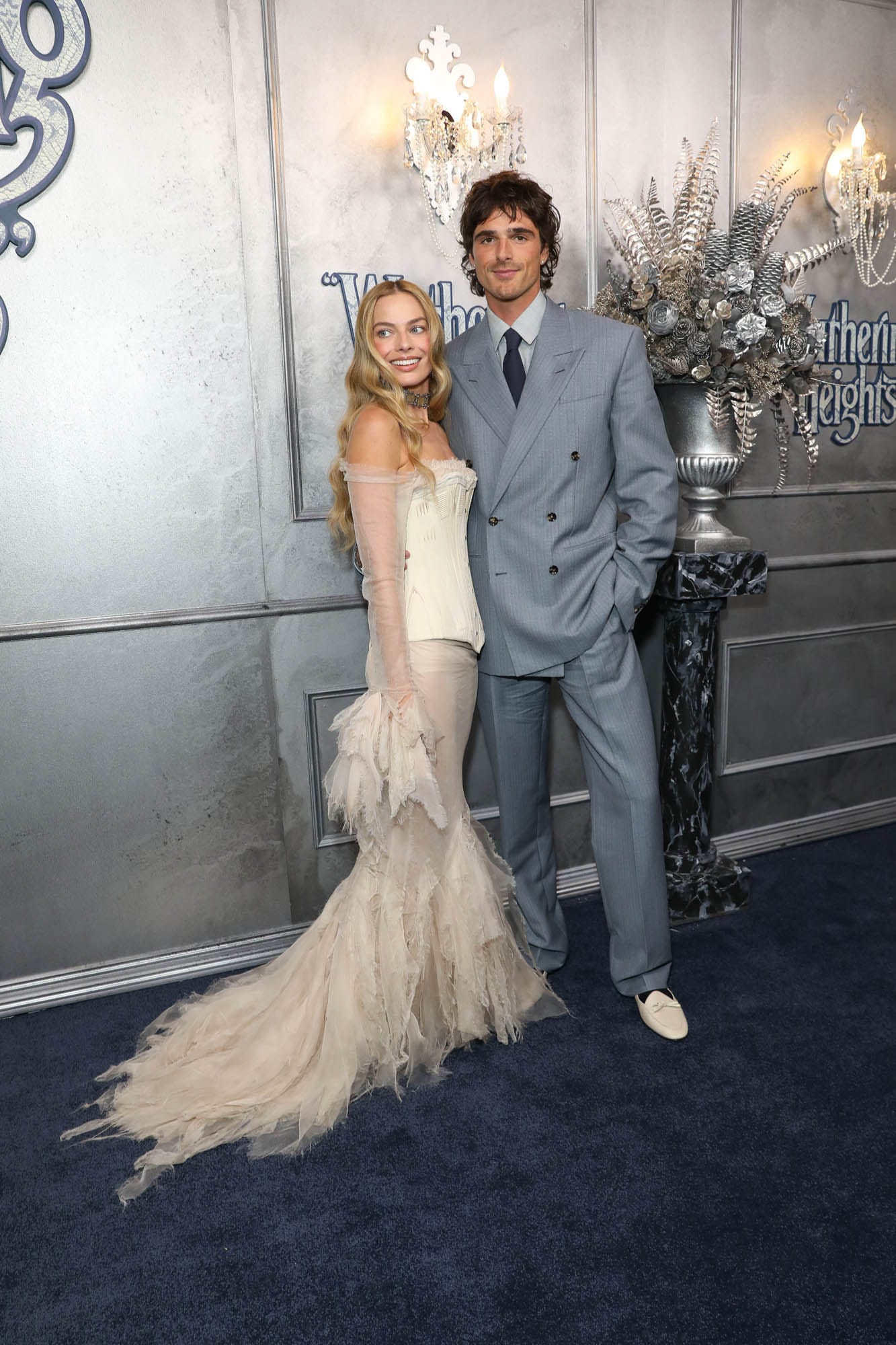
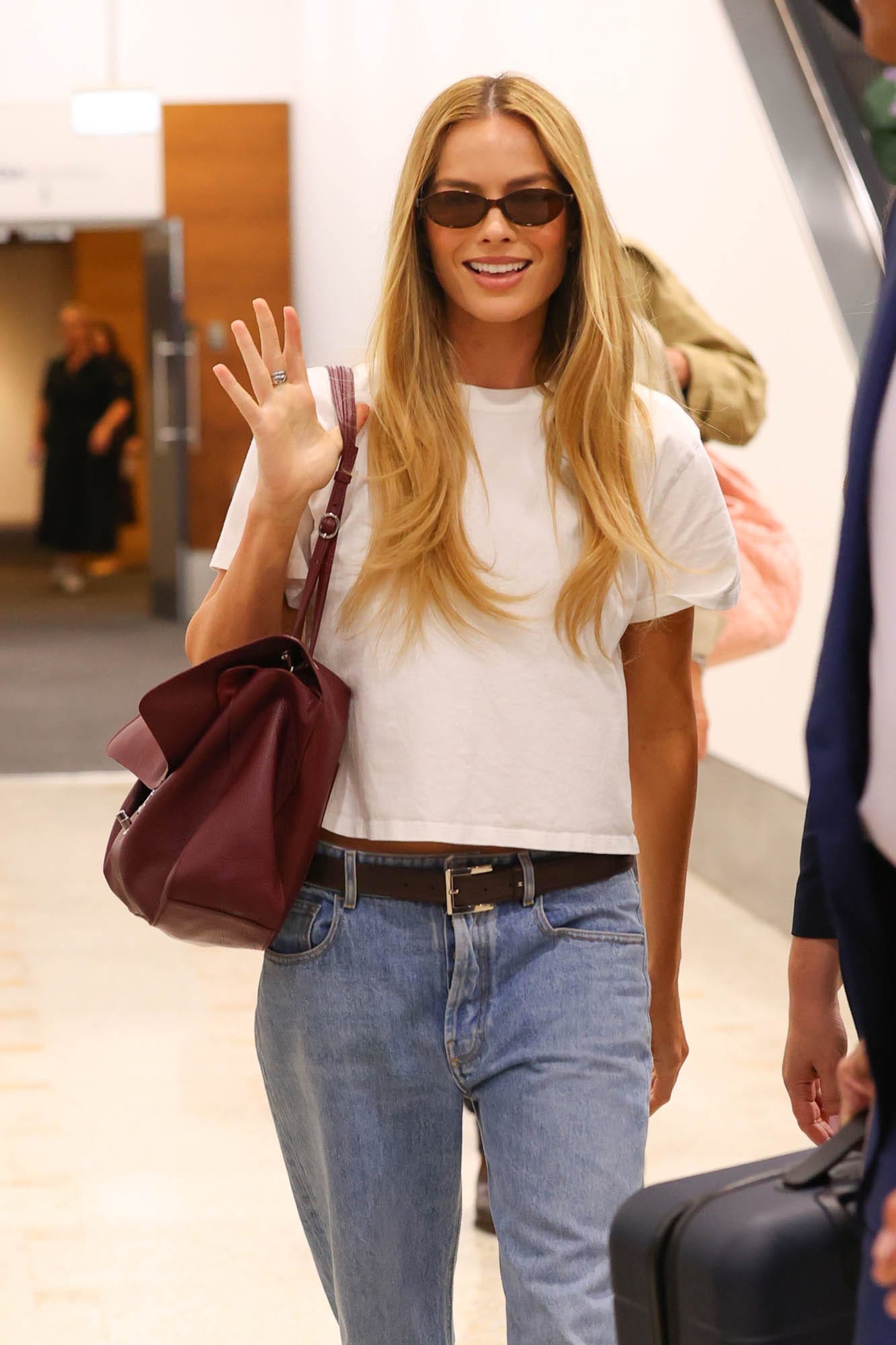
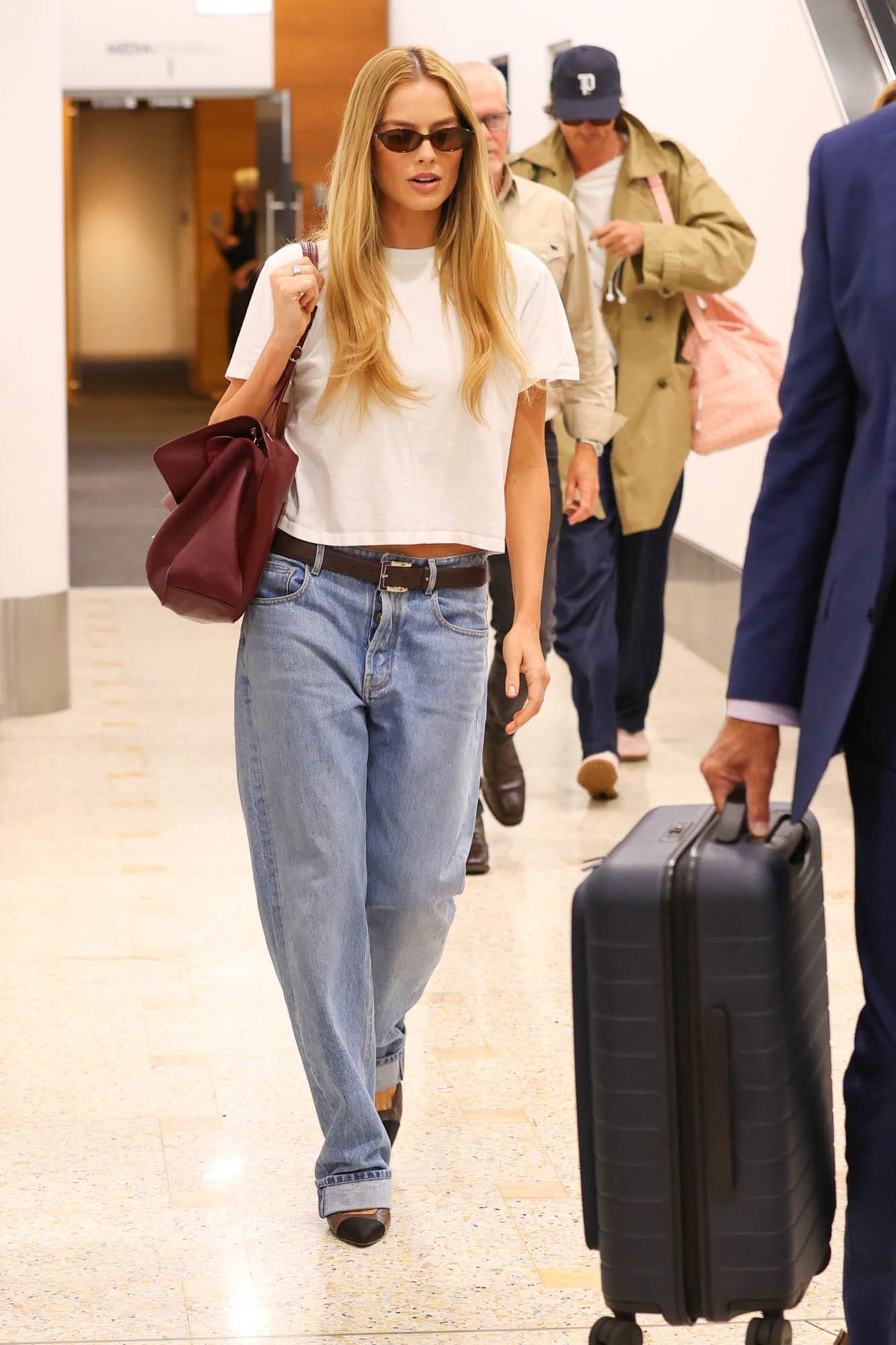
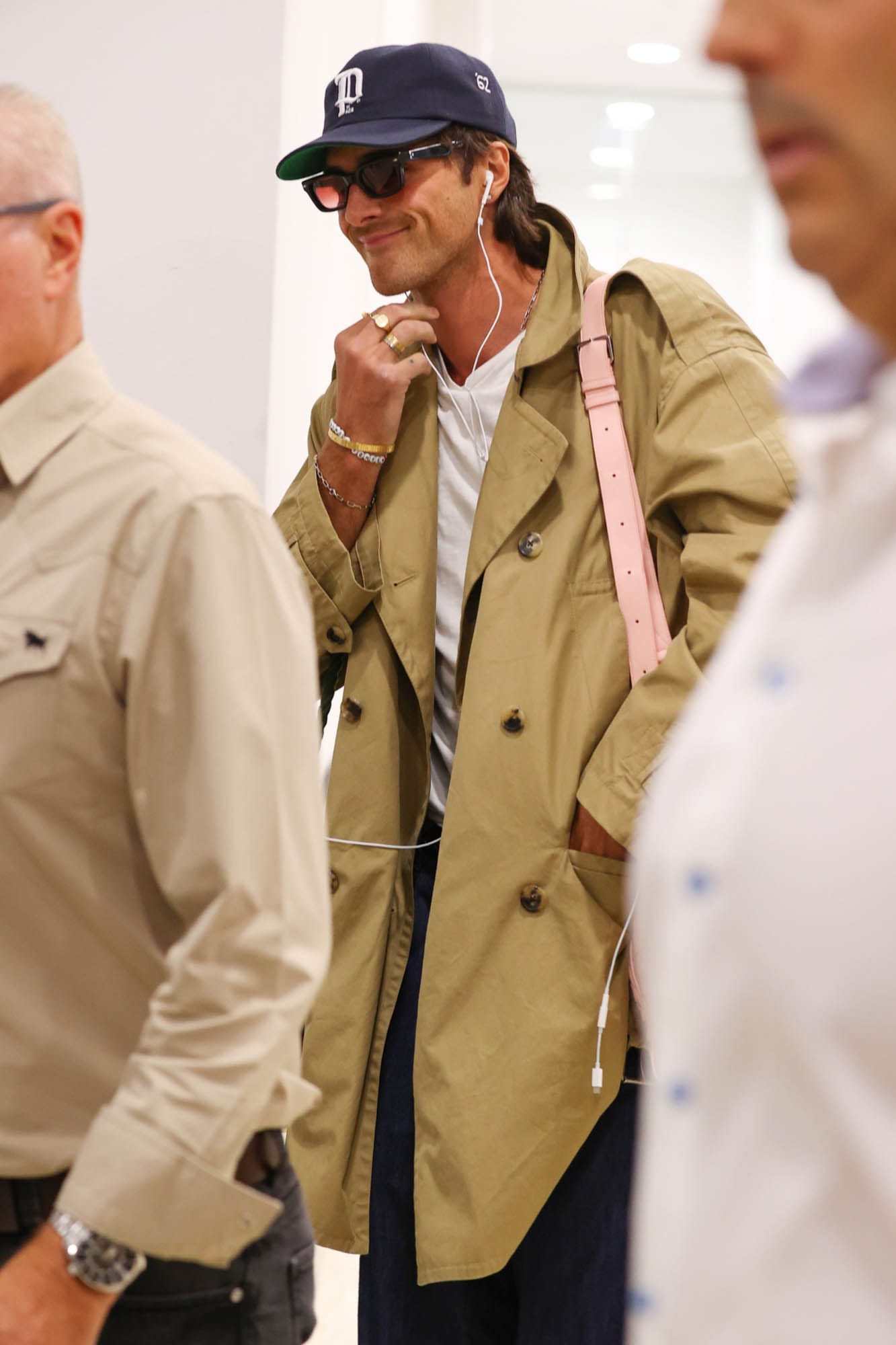
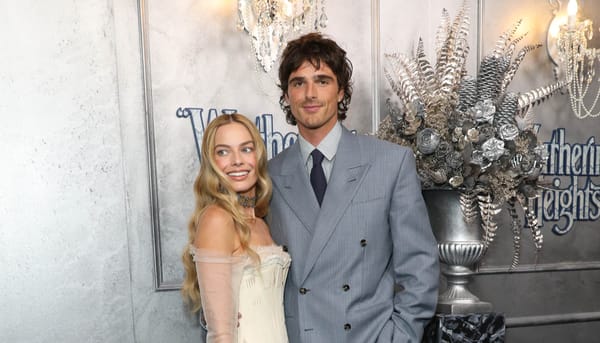
Margot Robbie and Jacob Elordi attend the "Wuthering Heights" Australian Premiere at State Theatre on February 12, 2026 in Sydney, Australia, and arriving in Sydney earlier in the day