Sam Rockwell in Good Luck, Have Fun, Don’t Die

– 4 min read

Among the many ways to classify films, they can be sorted into two groups: films in which Sam Rockwell dances, and films in which Sam Rockwell does not dance. Note that a film in which Sam Rockwell dances does not actually have to contain Sam Rockwell dancing, it can just feel like Sam Rockwell should dance. Such is the case with Good Luck, Have Fun, Don’t Die, a deeply cynical action-comedy about the apocalypse and one tired man trying to save the world. Sam Rockwell does not dance in the film, but it feels like he could.
Directed by Gore Verbinski and written by Matthew Robinson, Good Luck stars Sam Rockwell as an unnamed time traveler from the near future in which artificial intelligence has wiped out half of humanity while the remaining half descends into slack-jawed numbness fed by virtual reality. The man from the future pops into a Los Angeles diner for his 118th attempt at saving the world. Rockwell opens the film delivering a scathing monologue about all the sh-t AI is about to rain down on humanity, all with the tone and temper of a man approaching his wit’s end.
He’s already familiar with the diner’s customers, enough to pepper some unsettling details into his speech. In the end, he rounds up a motley crew including two schoolteachers, Mark (Michael Peña) and Janet (Zazie Beetz); forlorn mom Susan (Juno Temple); Scout leader Bob (Daniel Barnett); Uber driver Scott (Asim Chaudhry); and a literal party princess in a tulle gown and combat boots, Ingrid (Haley Lu Richardson). This is a highly charismatic ensemble led by the highly charismatic Rockwell, and a lot of the film’s gas comes from these actors interacting.
They set off to save the world, but their leader from the future sees everyone but himself as expendable—because he can keep going back in time—which leads to some brutally funny decisions in the field. Good Luck is a viciously mean film, taking aim at everything from an overbearing police state, school shootings, unrelenting internet ads, and Mean Teens. But the big bad is AI and Verbinski and Robinson do not hold back on their hatred, which might be why Good Luck is being released by the relatively small outfit of Briarcliff Entertainment, and not a bigger studio. At one point, the team wonders if AI might send something manageable to fight, but the future-man assures them that “nothing good” will ever come of AI. This is not a vision of the future in which technology serves humanity, but one in which the constant quest for greater convenience and ad revenue has ended the world.
A film like Good Luck should be enjoyable, and it mostly is thanks to the combination of actors on screen, particularly Rockwell and Richardson, but the film has two besetting sins. One, there is just a little too much going on. Verbinski and Robinson throw a lot of thematic and ideological spaghetti at the wall, and much of it is grounded in action and visuals, so it’s pretty effective, there’s just too much of it. Good Luck needs a little more sharpening to hone its points as finely as possible, the looseness of the first half becomes sloppiness in the back half. Related to that, the film is too long. A film like this simply should not be more than 90 minutes, 100 minutes tops. The film simply goes on too long, overstaying its high-concept welcome.
But there is a lot to like about Good Luck, which might, over time, develop a following akin to Idiocracy. There’s a similar sense of meanness, comedy, and prophecy, and Sam Rockwell is always, always extremely watchable. Make no mistake, though, Good Luck is not a mere trifle. It has big ideas, even if they’re not all articulated equally well, though the film’s nasty streak and overlong runtime weigh it down. A good old-fashioned Sam Rockwell dance number would not have gone amiss.
Good Luck, Have Fun, Don’t Die is now playing exclusively in theaters.
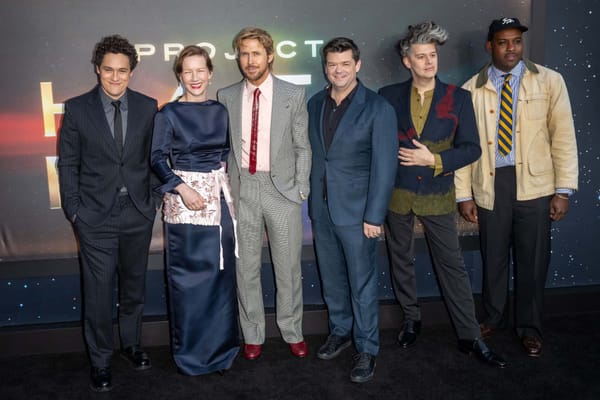
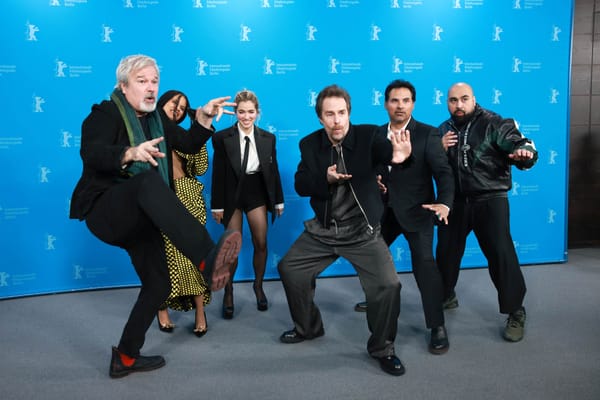
Attached - the cast having a ball at the 76th Berlin International Film Festival today.
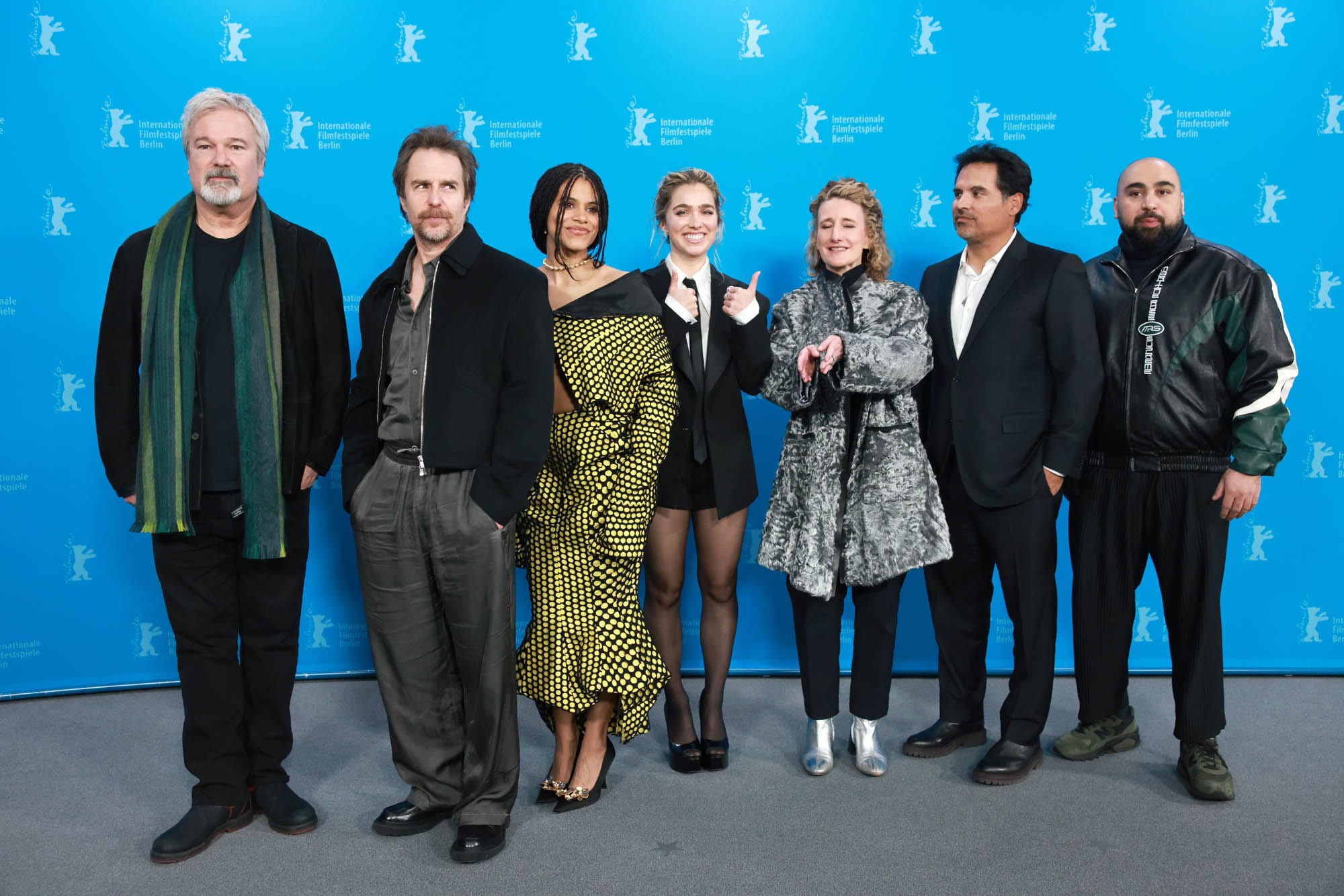
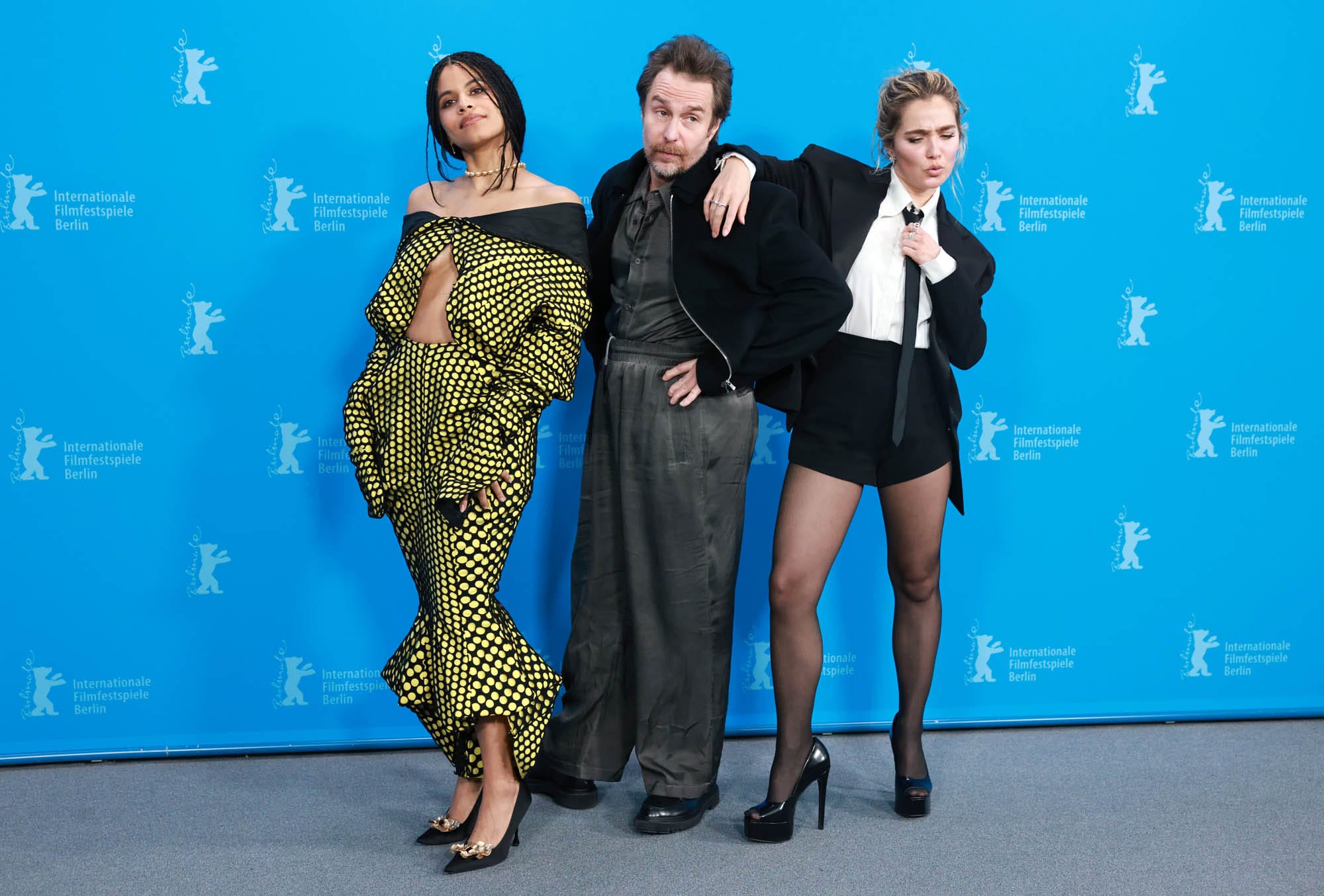
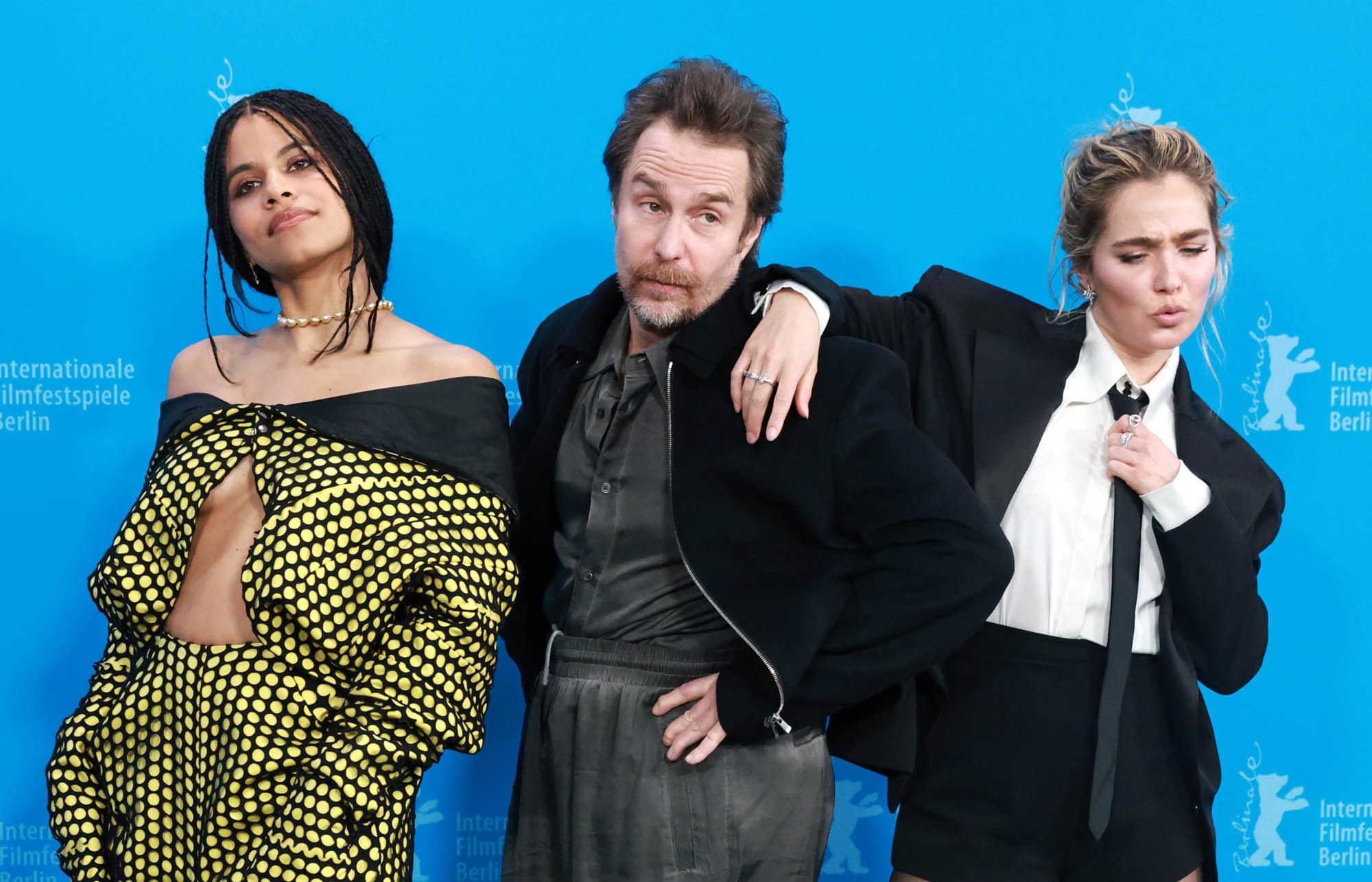
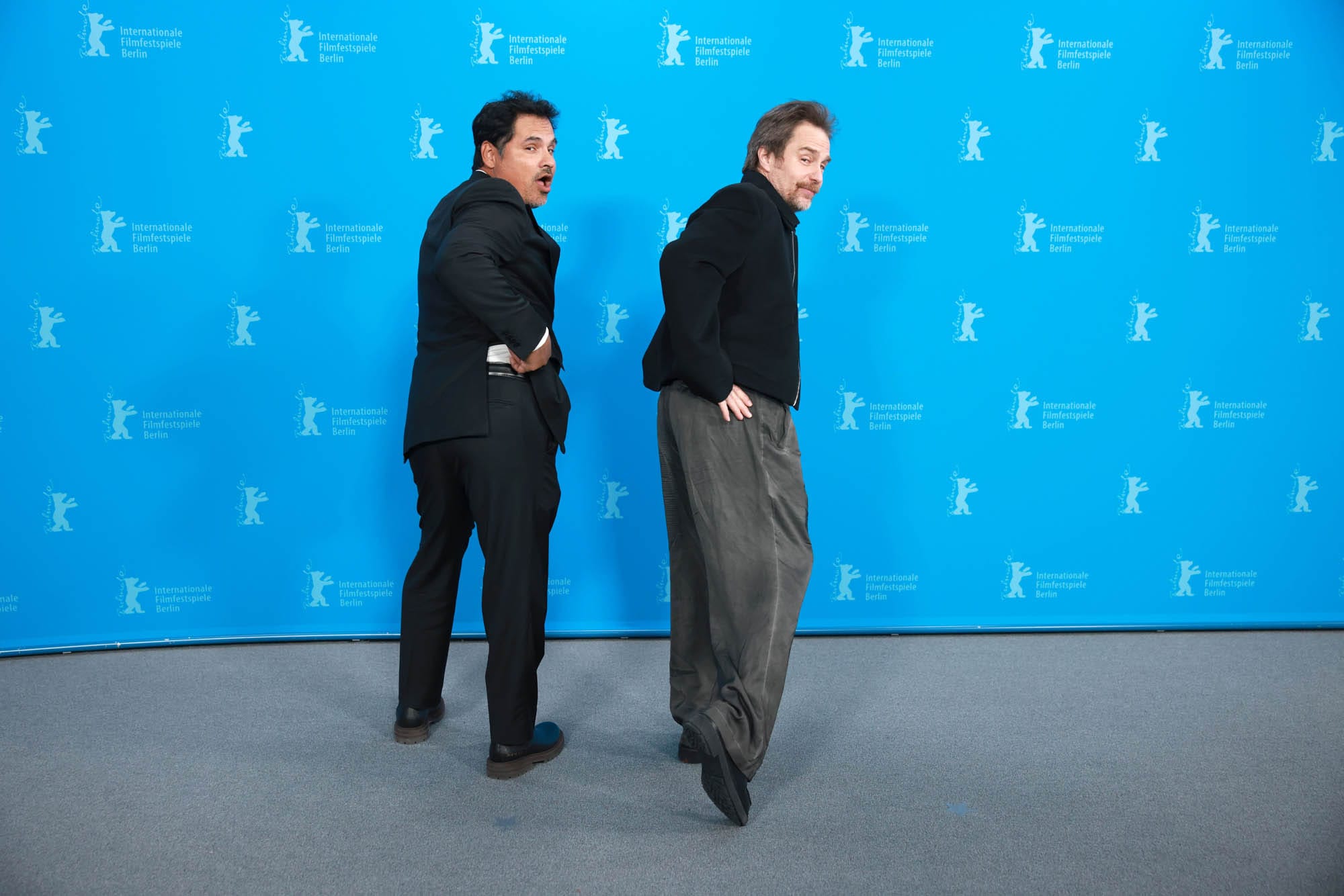
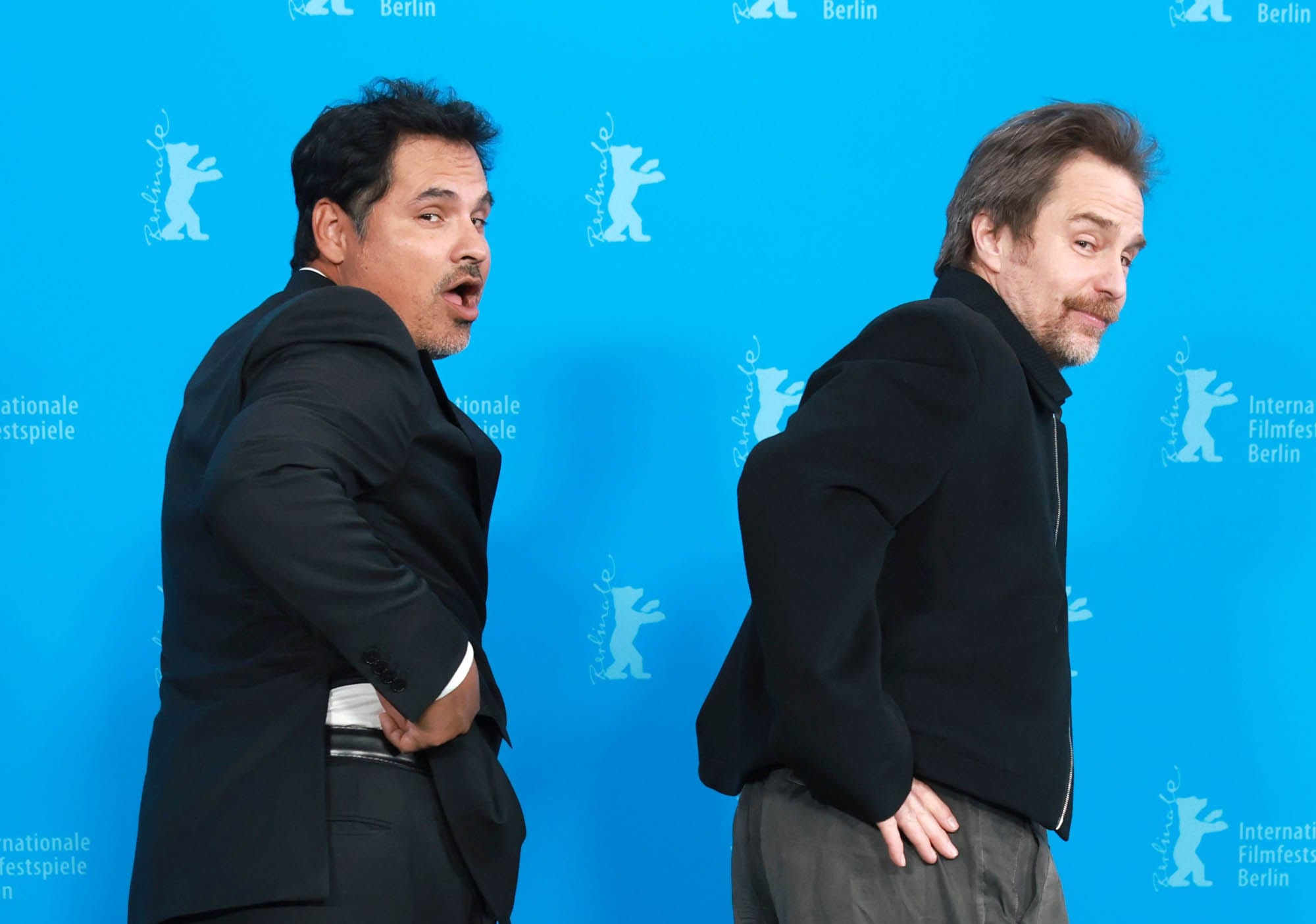
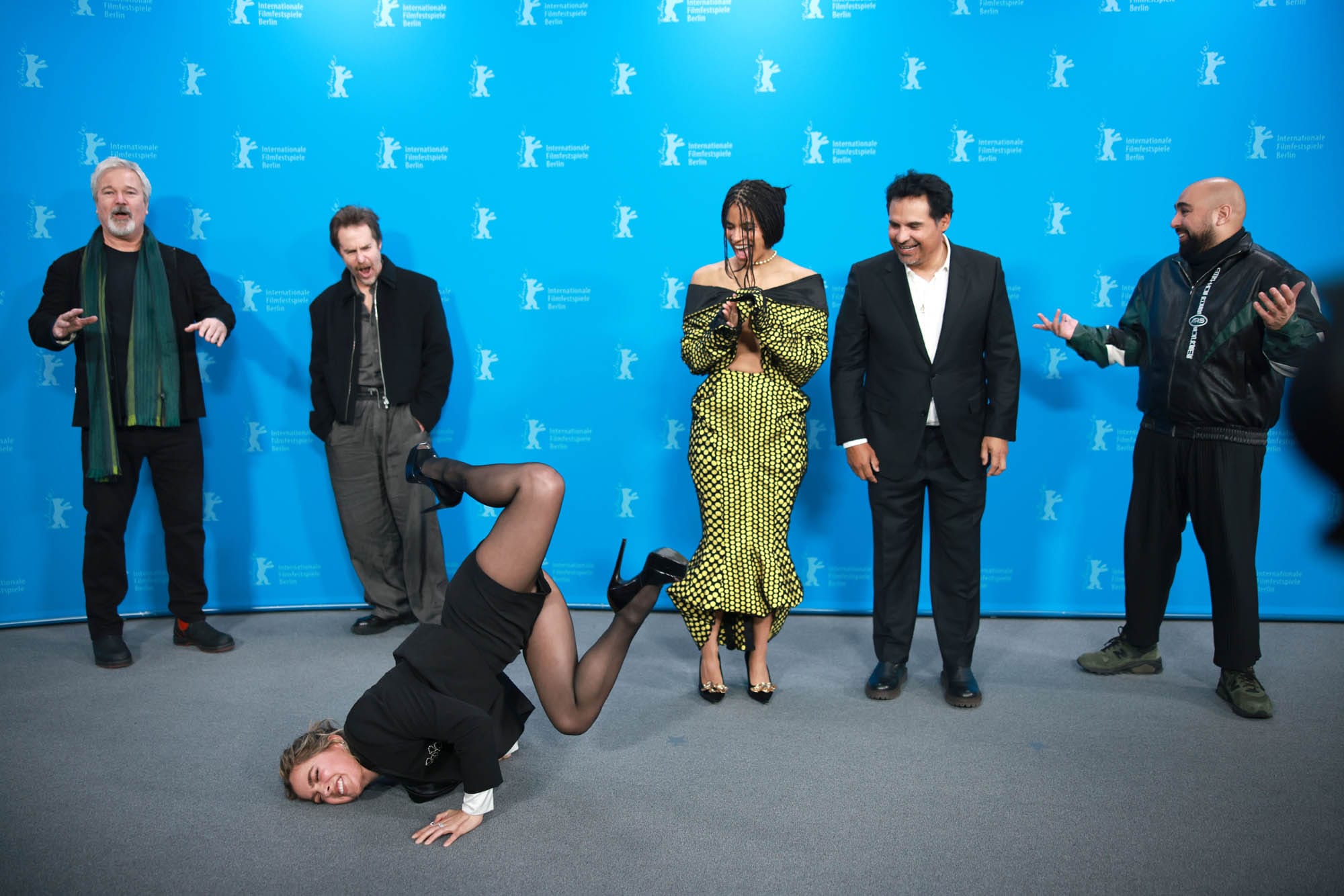
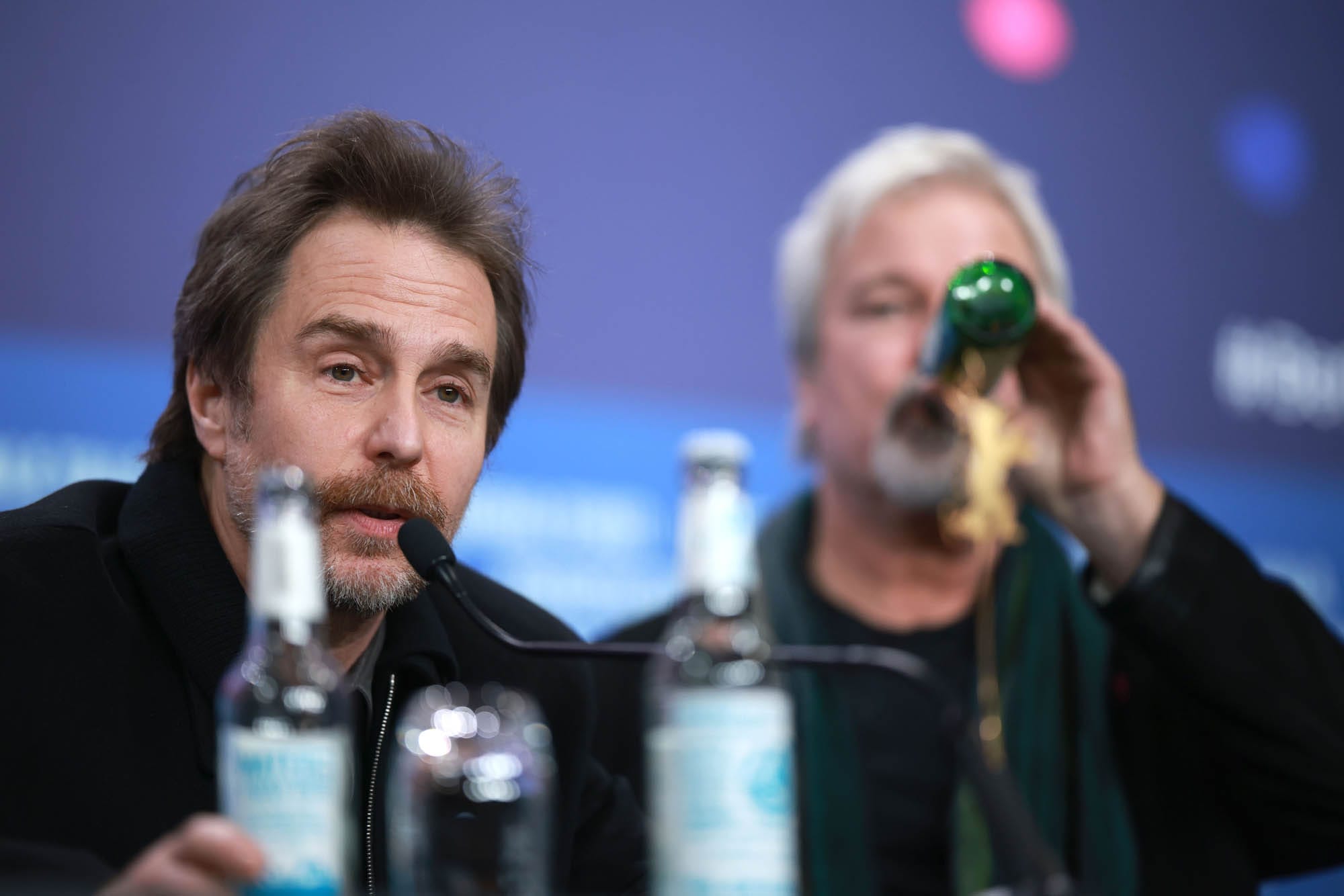
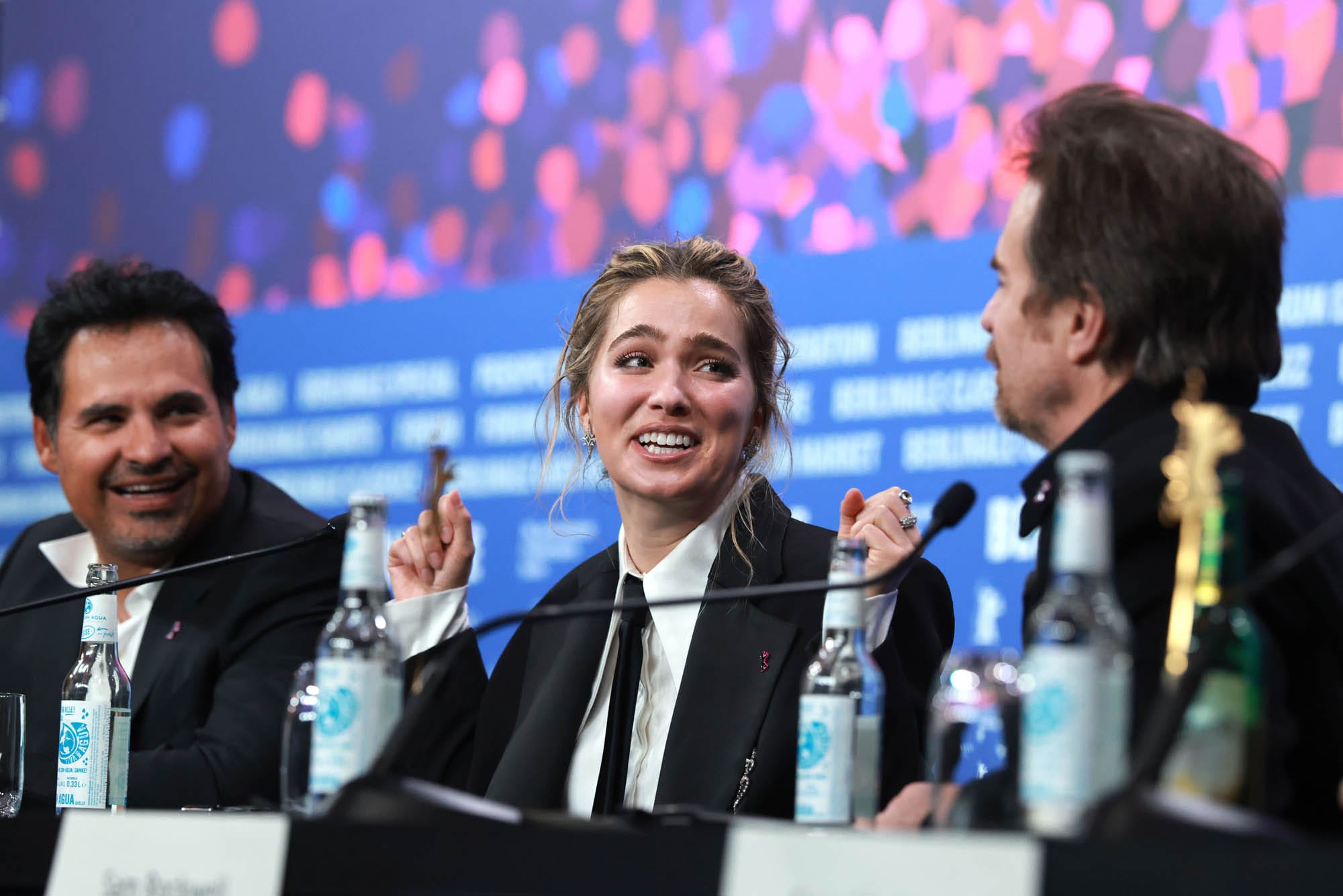
Gore Verbinski, Zazie Beetz, Haley Lu Richardson, Sam Rockwell, Michael Peña and Asim Chaudhry at the "Good Luck, Have Fun, Don't Die" photocall and press conference during the 76th Berlinale International Film Festival Berlin at Grand Hyatt Hotel on February 13, 2026 in Berlin, Germany