Everybody likes John Candy

– 5 min read
In the 80s and 90s, a time when comedies ruled the box office and produced mega-Movie Stars like Bill Murray and Eddie Murphy, John Candy became one of the most beloved figures in Hollywood. Even a kid growing up in America’s “flyover country” understood that John Candy was A Star, that he was the kind of actor who could show up for a bit part in Home Alone and elevate the whole film that seeing a “grown up” John Candy movie like Planes, Trains and Automobiles was a big deal to a ten-year-old. John Candy was Uncle Buck, he was everyone’s favorite funny guy, he was accessible and lovable in a way snarkier figures like Bill Murray, and more celebrated figures like Tom Hanks, were not. And then one day, he was gone.
John Candy passed away at 43. As a kid he seemed old, but now, at 42, I realize how young Candy actually was, how much he was leaving undone in his career, never mind in his personal life. Colin Hanks’s new documentary, John Candy: I Like Me, traces Candy’s rise from humble Canadian beginnings to Hollywood superstardom, measured against the personal struggles and private anxieties that plagued a man who made making people feel good his business. It’s a loving tribute from someone whose life was directly touched by Candy—Hanks’s dad, Tom, worked and was friends with Candy—but I Like Me is a strangely impersonal portrait.
It is a very warm and sincere doc, to be sure, with more than one tear-jerking moment. John Candy was beloved by his friends, family, and peers, and that comes across in the many interviews Hanks edits into his film. Candy was part of a generation of Canadian talent that saw the likes of Martin Short, Eugene Levy, Dan Aykroyd, Catherine O’Hara, and Dave Thomas cross over into mainstream Hollywood success. He was pals with Bill Murray, Tom Hanks, Steve Martin; he made an impression on a young Conan O’Brien; his family, including his widow, Rosemary, and children, Jennifer and Chris Candy, are all interviewed.
The result is very funny—because all of these people are very funny; this is a very heartfelt tribute to a man who obviously left a gaping hole in the lives of those he loved. Balanced against that, Hanks traces Candy’s unlikely rise from being a Toronto salesman to success on SCTV to success in Stripes and Hollywood beyond. There lies the more interesting portrait of John Candy, a tremendously talented actor—who didn’t live long enough to have his second-act dramatic career like Murray—and a big-hearted family man who seemed incapable of saying “no” to anyone or anything.
Hanks doesn’t hide Candy’s difficulties: overeating, excessive drinking, a lifelong smoking habit, and a developing anxiety issue that saw Candy suffering panic attacks on set. Hanks also includes brutal interview snippets in which journalists pick on Candy’s weight, asking him to his face if he wouldn’t be happier if he was thinner. Candy, a handsome man with a gorgeous smile, genuinely seems okay being a big guy, though it is said he did at one time make a concerted effort to get in shape, losing as much as 70 pounds, only to be told by an agent not to get any thinner, that the “funny fat guy” roles he was being offered would dry up—only to see the work dry up anyway as he became uninsurable over concerns about his weight.
And this is where Hanks drops the ball as a director. Obviously, the way people talked to and about Candy is horrifying from a contemporary perspective, but Hanks does not interrogate that shift in empathy. And more acutely, Hanks, who is old enough to remember this firsthand, does not connect Candy to Chris Farley, who died just three years later after experiencing the same “funny fat guy” stigma. There is no indictment of Hollywood’s hypocritical double standard for funny fat people, that while everyone will talk sh-t on your appearance and supposed health to your face and behind your back, you’re also damned if you lose weight because “no one wants to see” skinny John Candy or Chris Farley. There is an obvious connection to make but Hanks does not make it. If you don’t remember Chris Farley and the equally hideous way he was talked about, the connection won’t even occur.
It's clear that Colin Hanks wants to memorialize someone he remembers fondly. And to that end, I Like Me is successful. It is a sincerely beautiful tribute to John Candy by those who knew and loved him best. (It also manages to be a history of that generation of Canadian comedic talent that took over Hollywood in the 80s.) But the documentary skims over the darker aspects of Candy’s life, touching on but not deconstructing the forces that shaped and damaged his career, and how those same forces affected others.
Candy himself believed he was destined to die young, because his father did, but I Like Me unintentionally posits that it didn’t have to be that way, that if even one of the myriad pressures on Candy was lessened, he might still be here. It’s impossible to know, of course, but I Like Me will make you wish it could be so. He was a movie star, a proud Canadian, a loving father, a devoted husband, a true-blue friend, a funny man, and a good man. The world could use a few more like John Candy. The world could have used more John Candy, period.
John Candy: I Like Me will stream exclusively on Prime Video from October 10, 2025.
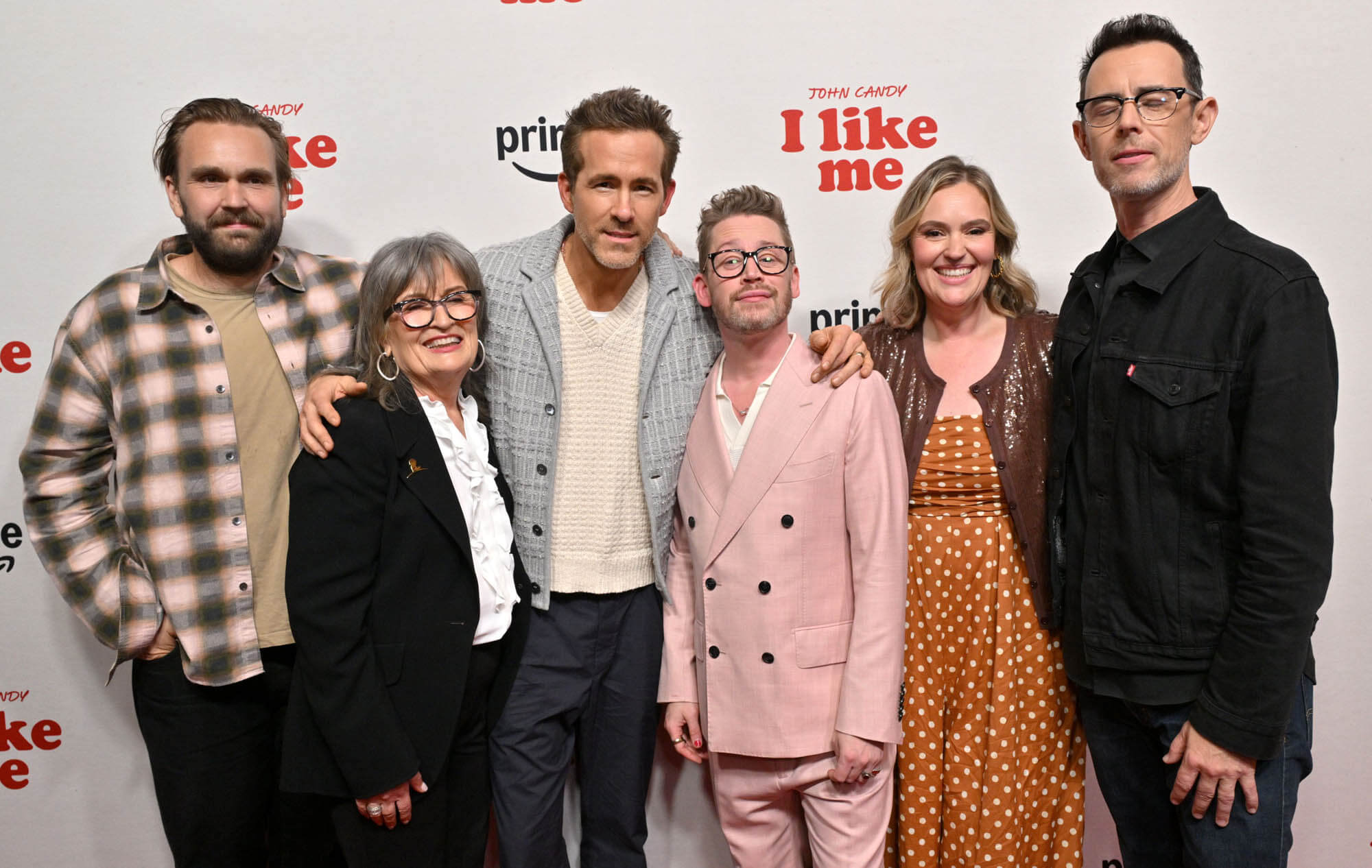
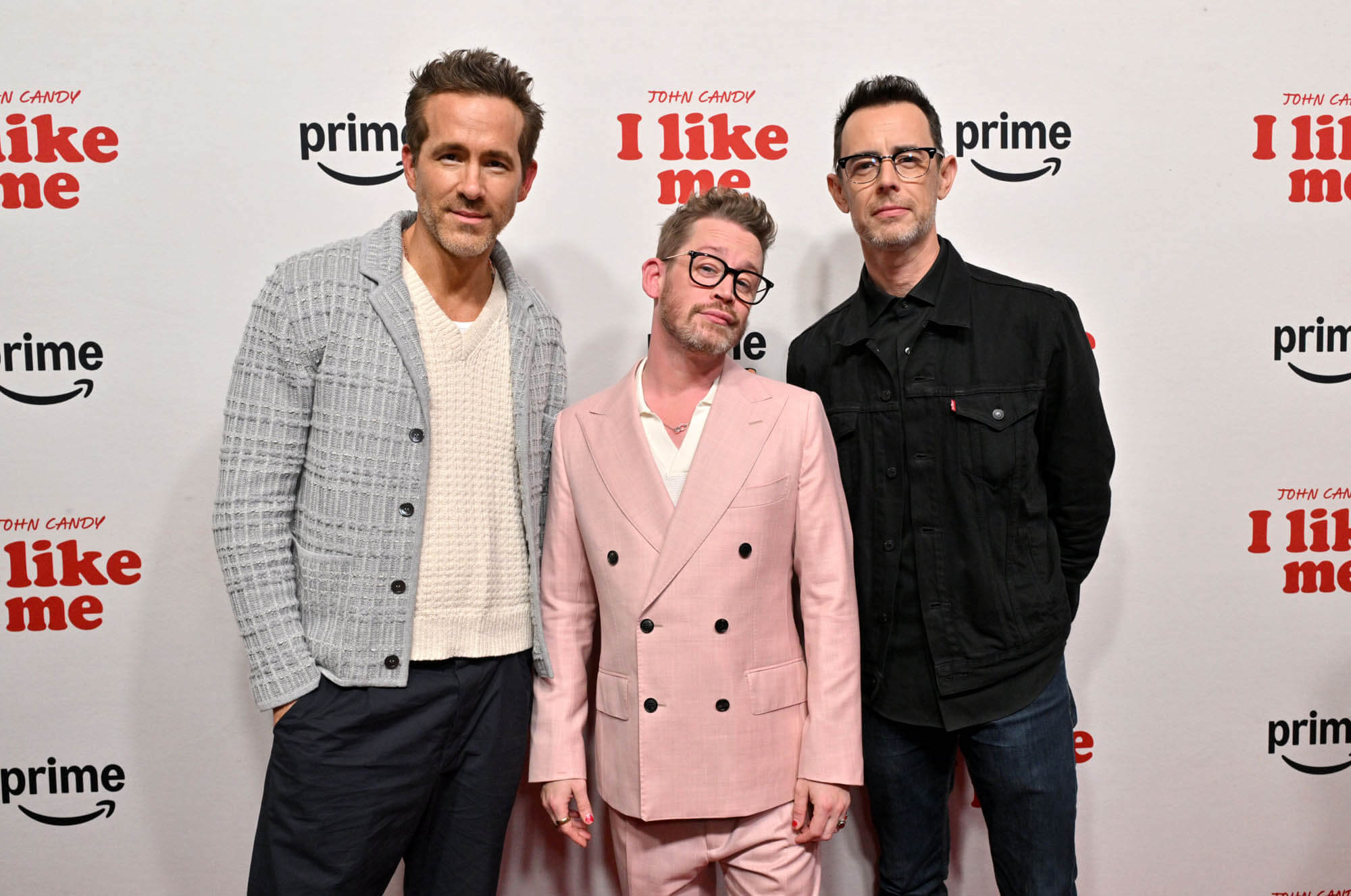
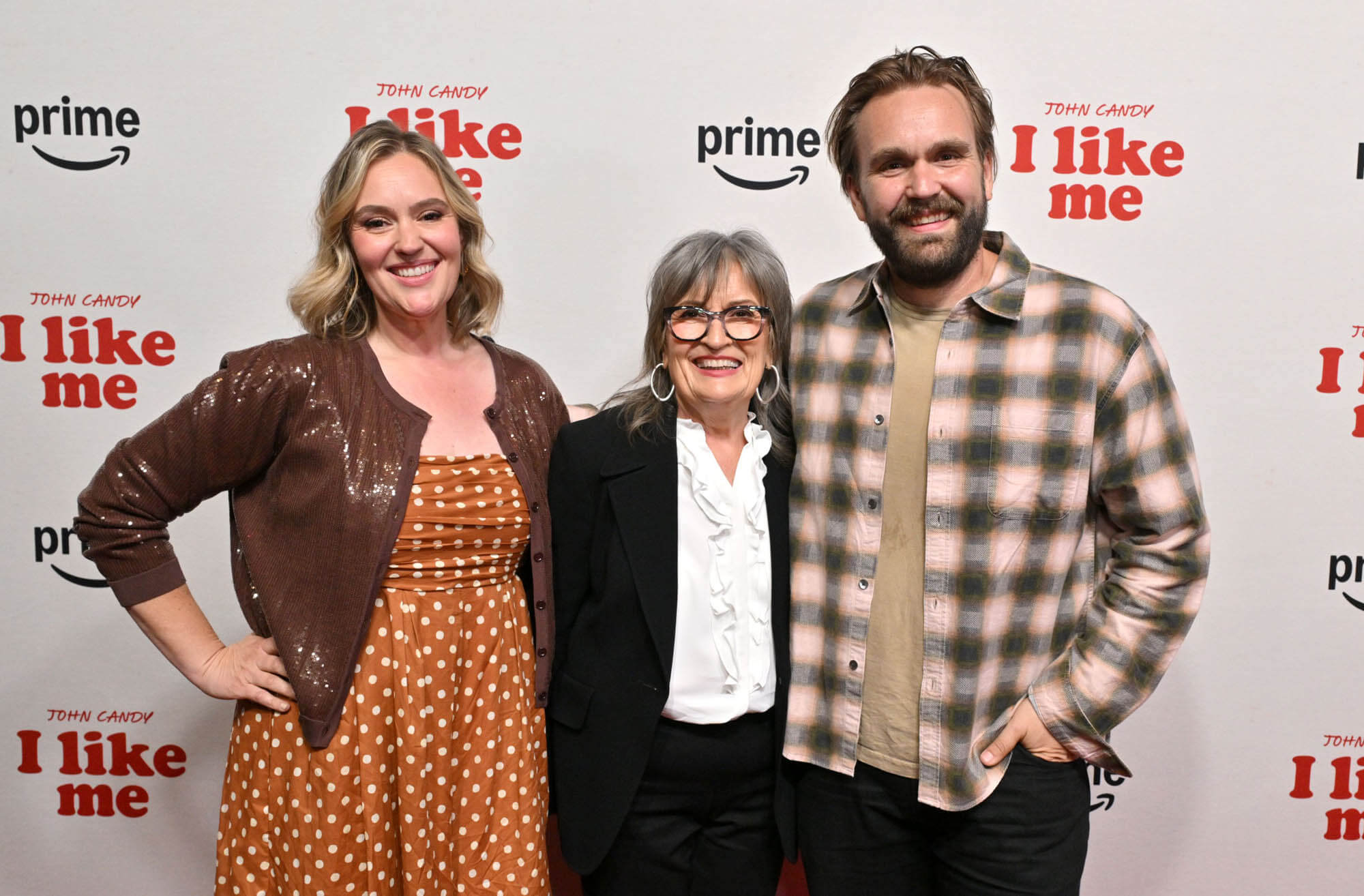
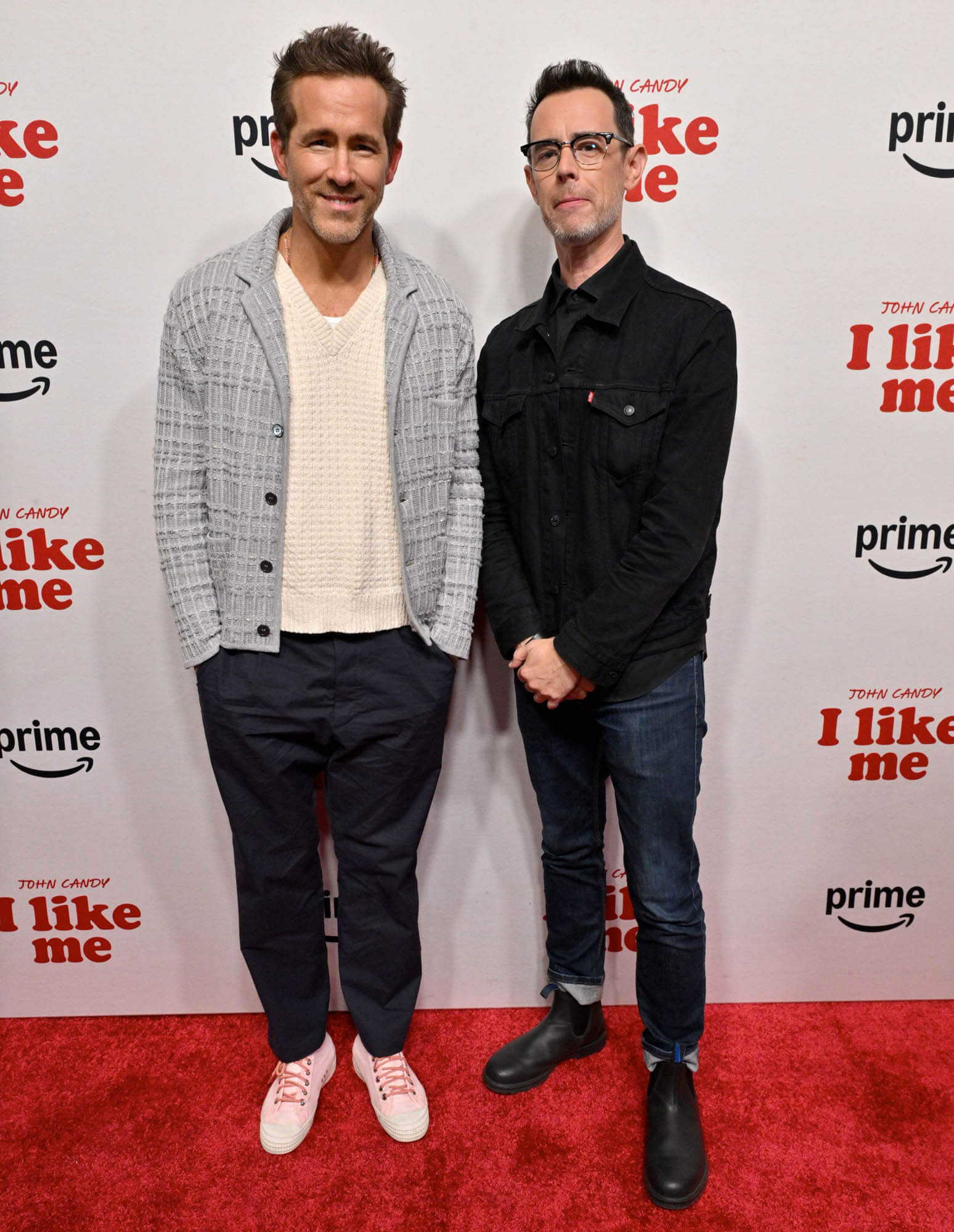
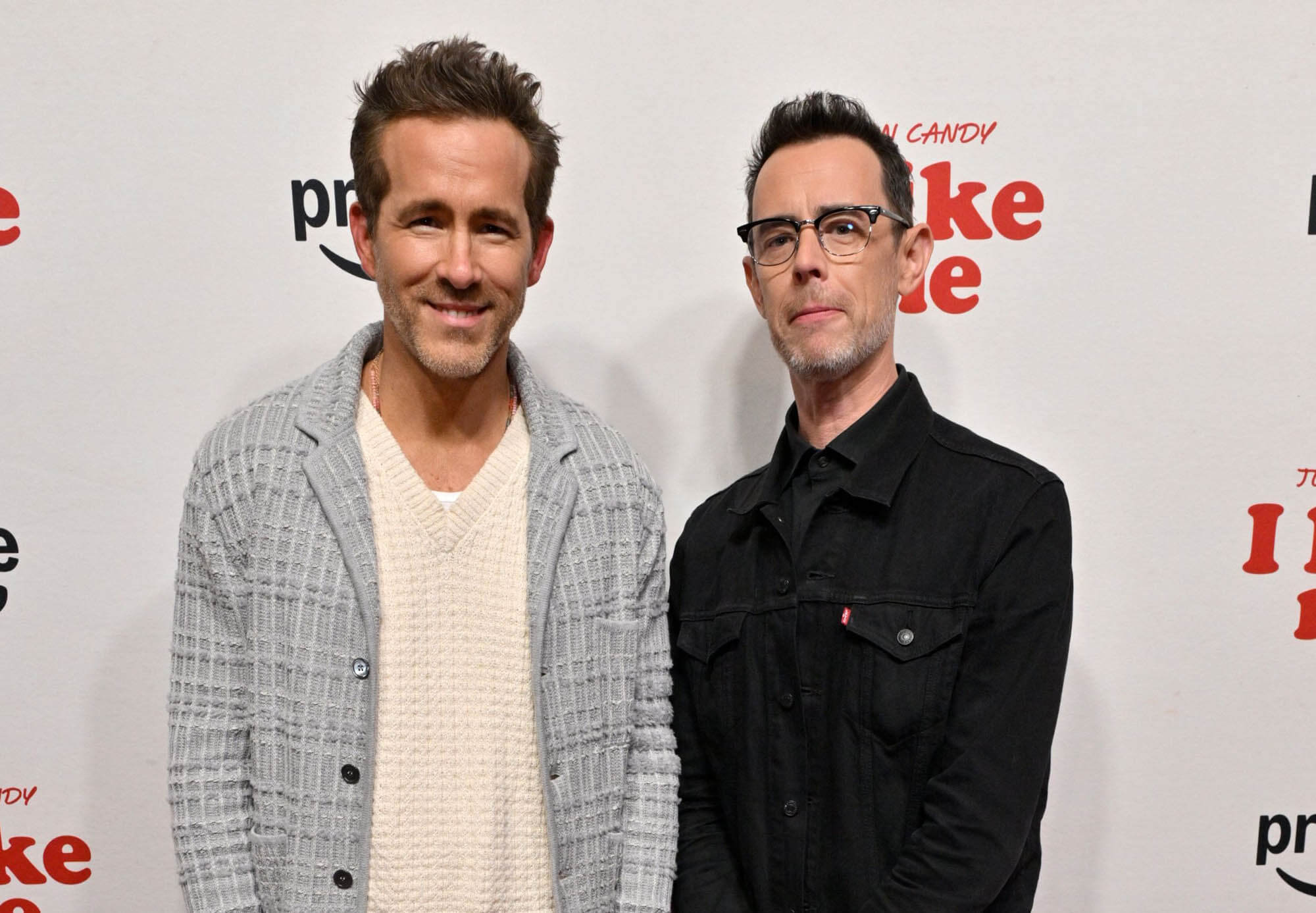
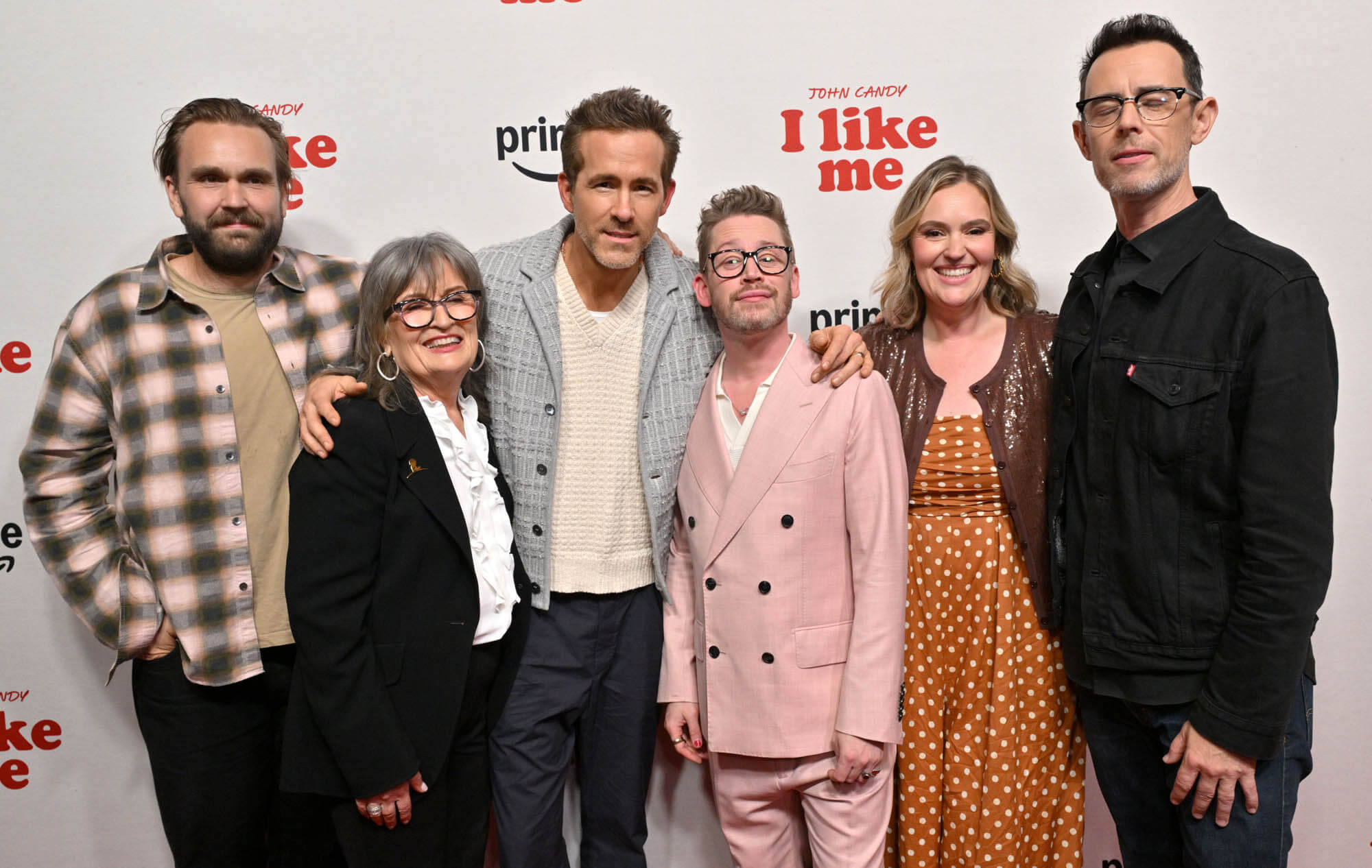
Attached: Colin Hanks, Ryan Reynolds, and the I Like Me family at the LA Special Screening on October 2, 2025.