Kristen Stewart’s The Chronology of Water

– 5 min read

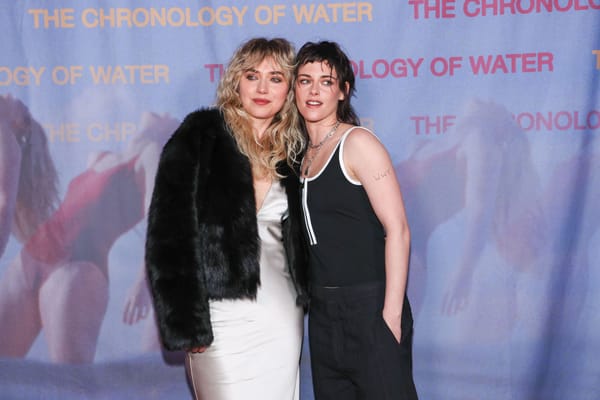
Kristen Stewart’s feature film directorial debut, The Chronology of Water, is a strong style statement that goes a little light on substance. Adapting the screenplay herself from Lidia Yuknavitch’s memoir of the same name, Stewart has a clear, bold vision for the film, which begins with a very fragmented narrative that slowly smooths out into more traditional linear storytelling. Imogen Poots stars as Lidia, who leaves an abusive home for college on a swimming scholarship only to wash up when substance abuse catches up to her. Lidia also experiences the still birth of her daughter and then has to piece her life back together through grief, trauma, and sobriety.
Poots is incredible as Lidia, though Stewart runs into the common problem of memoir adaptation—how to preserve the voice of the author, telling their own story. This results in Poots narrating the film in a monotone mumble which is much less effective than simple, hushed scenes showing Lidia going about various elements of her life: swimming, school, writing. The original score, a syncopated, jazzy beat, is from Paris Hurley, but Stewart often utilizes long stretches of silence to great effect, allowing Poots to hold the screen through Lidia’s various phases of growing up. The narration just feels redundant most of the time.
There are a number of strong style statements in Water, including framing the entire film in a 1.33:1 aspect ratio, almost but not quite the old television box standard of 4:3, with a raw edge effect. The film is shot to look like 16mm film, as if we’re watching Lidia’s memories unfold in a home movie. In some sequences, it’s very effective, particularly early in the film when Lidia’s memories are a cavalcade of impressionistic images owing to trauma, altered states, and grief. But as Lidia’s life comes into focus, the physical look of the film never changes, counteracting Stewart’s narrative structure, which emphasizes the increasing clarity and linearity of Lidia’s experiences.
But even when Stewart’s choices don’t quite work, there is never a lack of confidence or commitment to her conceit. Stewart chose for her first feature film a dense, difficult text, and while the film is maybe not quite as dense as it thinks it is—Stewart isn’t really interested in exploration so much as presentation—it is certainly difficult. Thematically difficult, stylistically challenging, and centered on a protagonist who seems to revel in her unlikability, Water is not a film interested in currying favor with an audience. You are either on board with this film, or you are not, there is no middle ground, though Imogen Poots’s presence does provide an in for audiences.
Poots’s feral smile and slow maturation as Lidia is a ripe performance, matching Stewart’s big swings behind the camera with the kind of assured acting that does not need coddling from a filmmaker to explode off the screen. There is a latent trust between actor and filmmaker that allows Poots to go to some raw places, narrative revelations resting on nothing more than her expressiveness. Stewart also gets a solid performance from Jim Belushi as Ken Kesey, author and mentor to Lidia, who enables some of her worst habits while lighting her path forward as a writer.
Having sat through plenty of milquetoast directorial debuts from actor-directors too scared of looking foolish to make a strong choice, it’s refreshing to see Stewart put down an almost pugnacious filmmaking debut. Water dares you to like it, Stewart’s choices are assured, and she shows herself to be a good director of actors, giving the cast plenty of space to perform without over managing every sequence. It does make the raw edge of the film constantly grating because the film really doesn’t need it, but at the same time, I admire Stewart’s commitment to the bit.
One of the nicest things about this film is how much time Stewart gives to silence and expression, simply trusting actors to keep the audience engaged without constantly swinging her camera around to prove she knows how cameras work. Indeed, the combination of simple framing and jagged editing does the most to communicate Lidia’s inner life and journey to sober writer and mother. (The film is lensed by cinematographer Corey C. Waters and edited by Olivia Neergaard-Holm.) The Chronology of Water is a more than promising start for Kristen Stewart as a filmmaker.
The Chronology of Water is now playing in select theaters. Content warning for depictions of still birth/pregnancy loss.
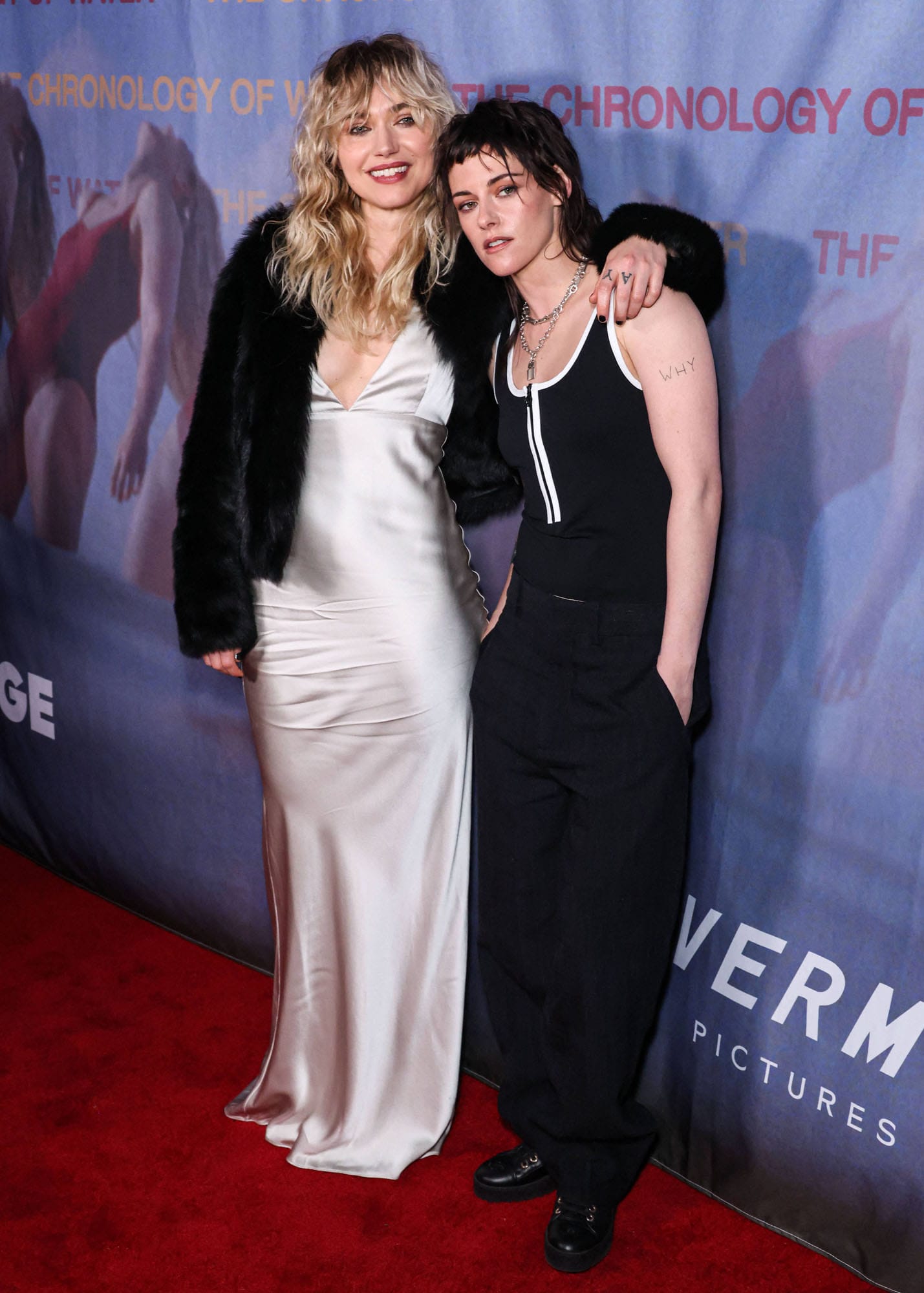
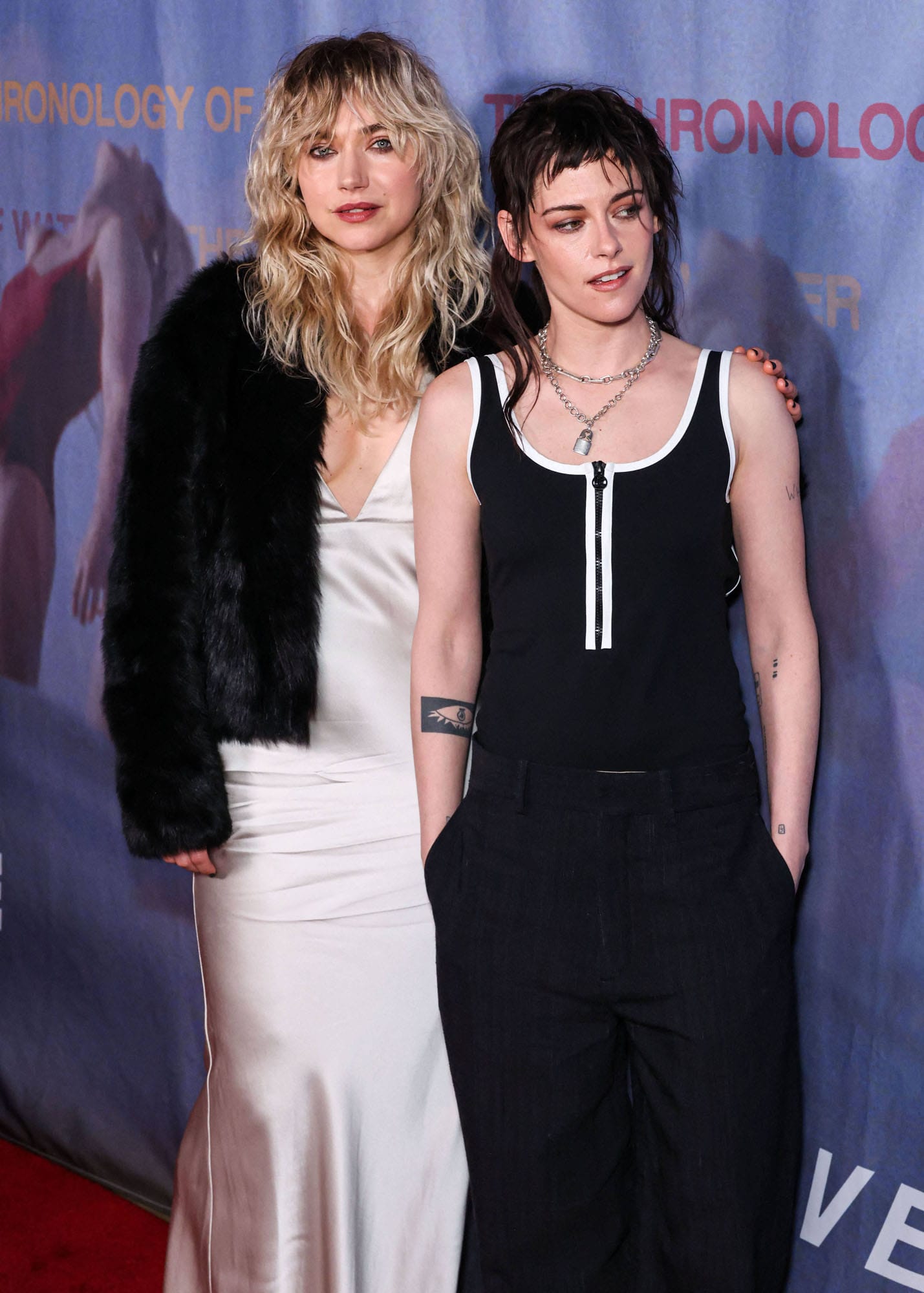
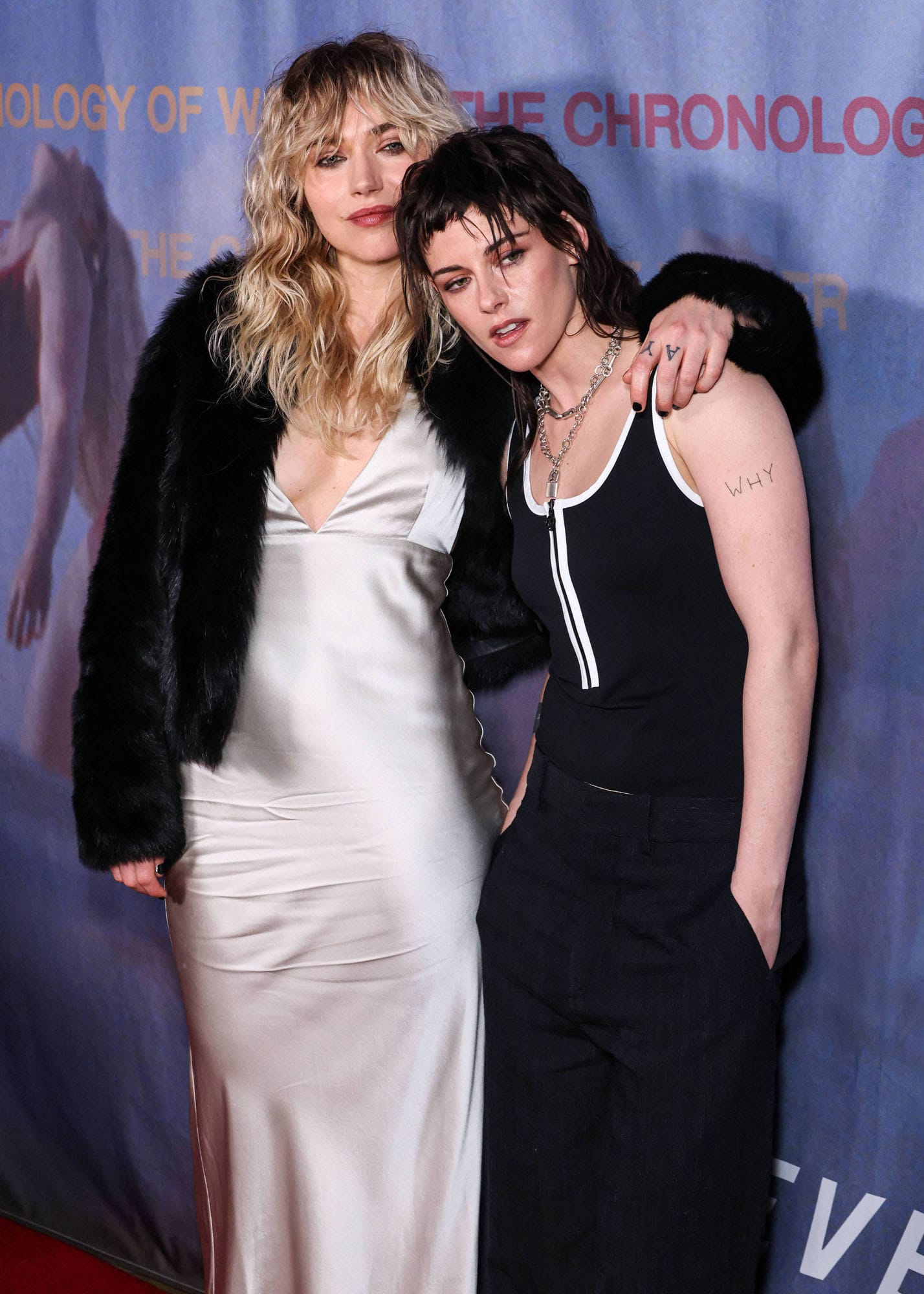
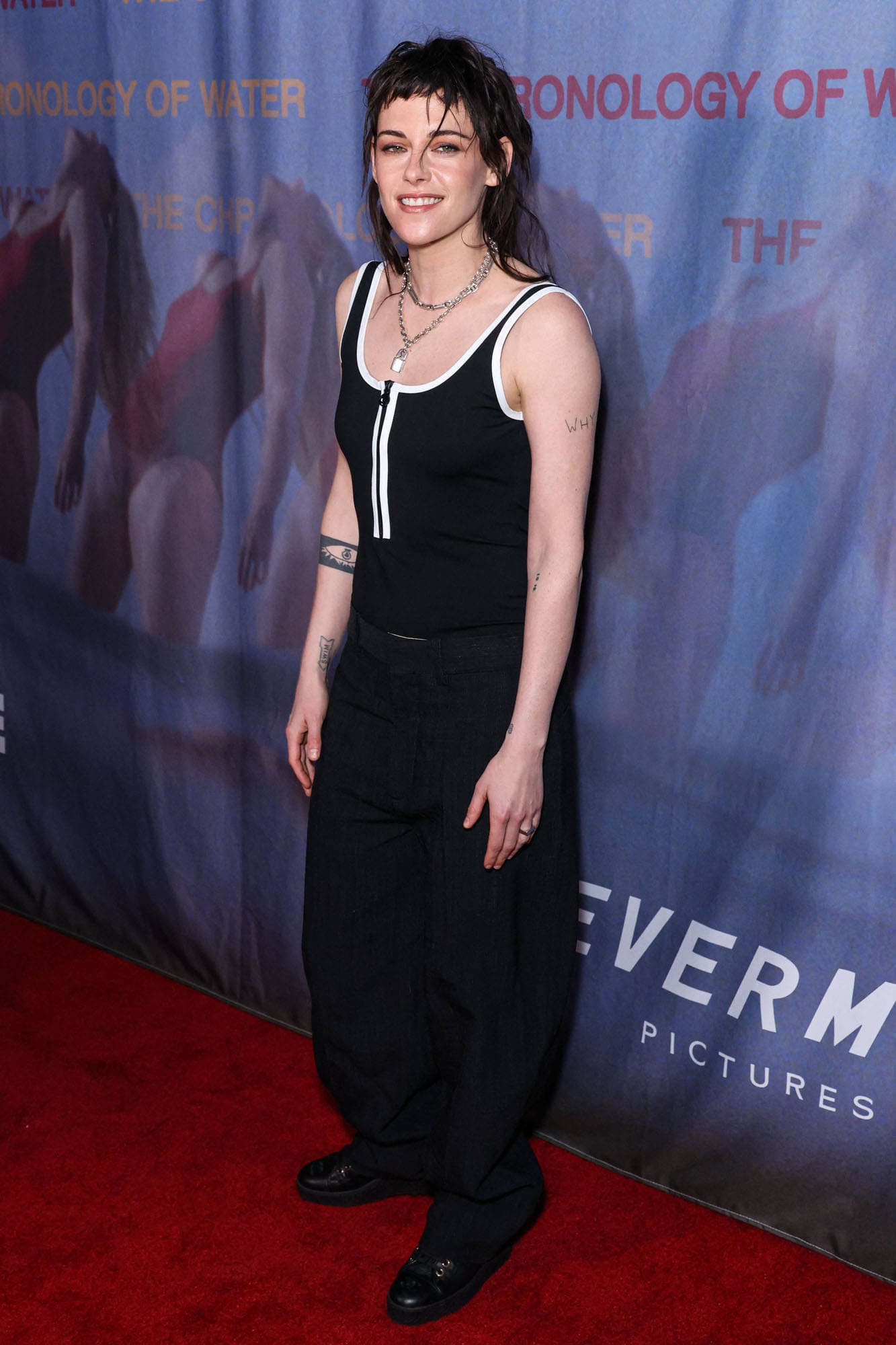
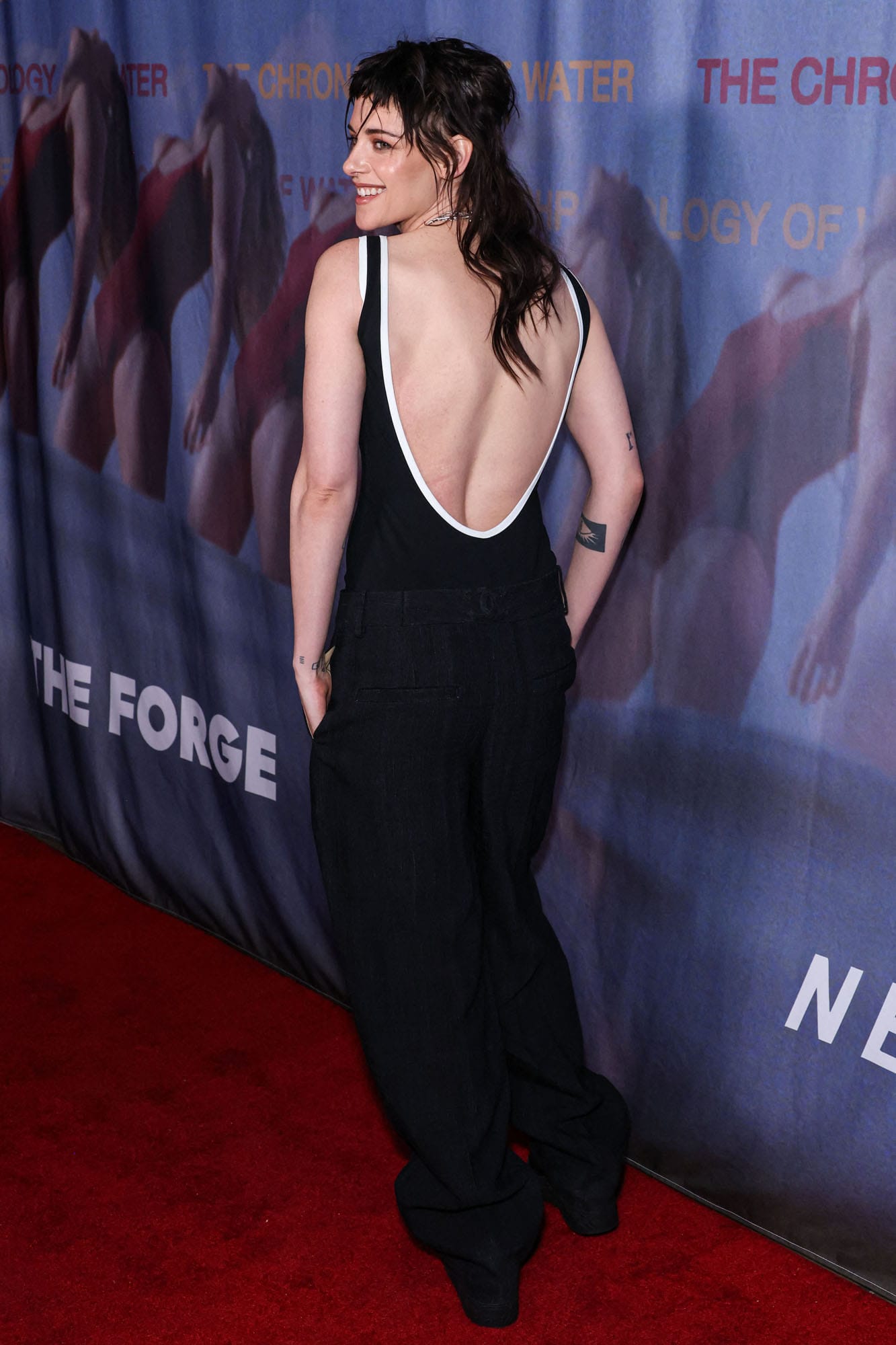
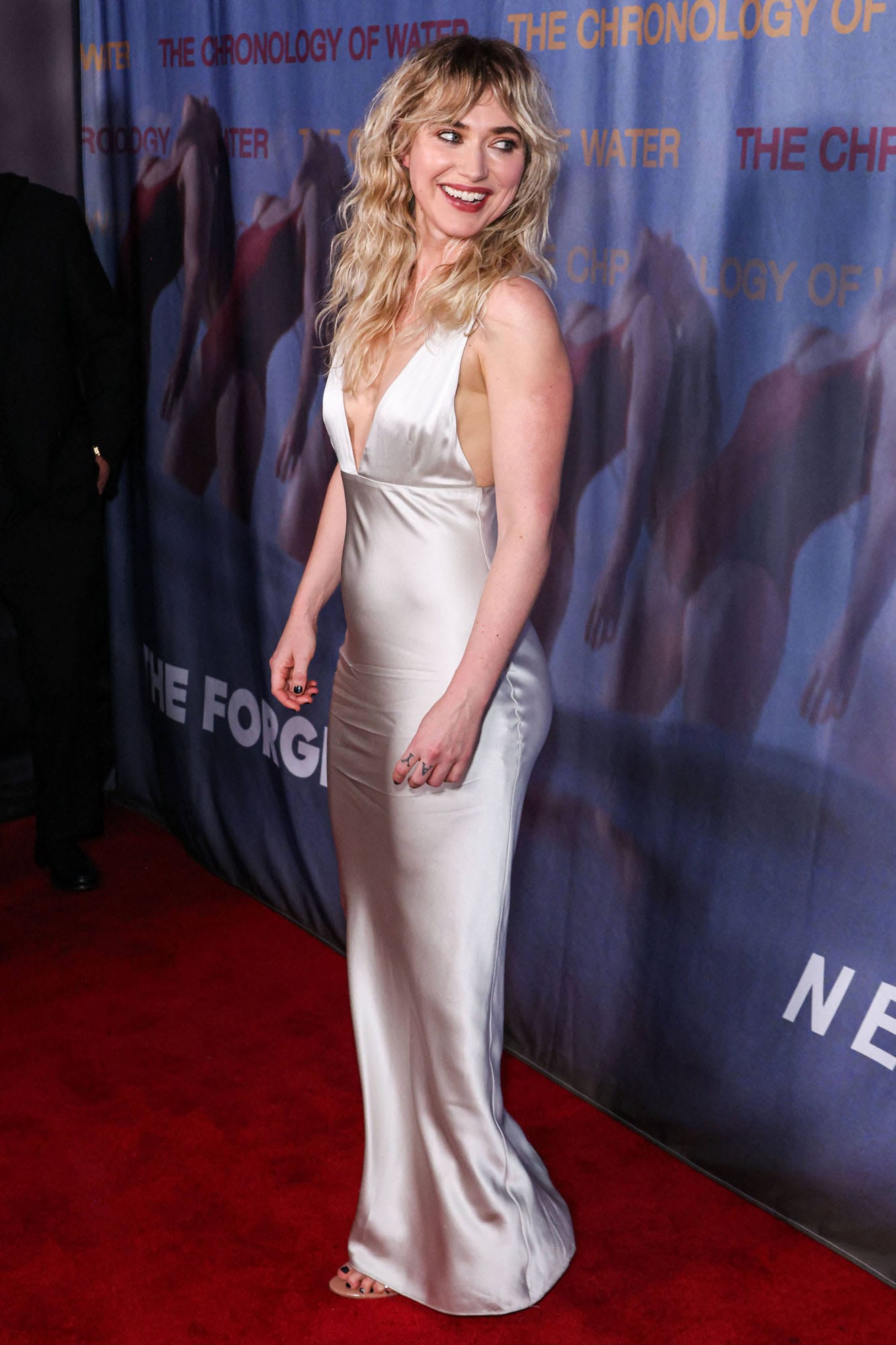
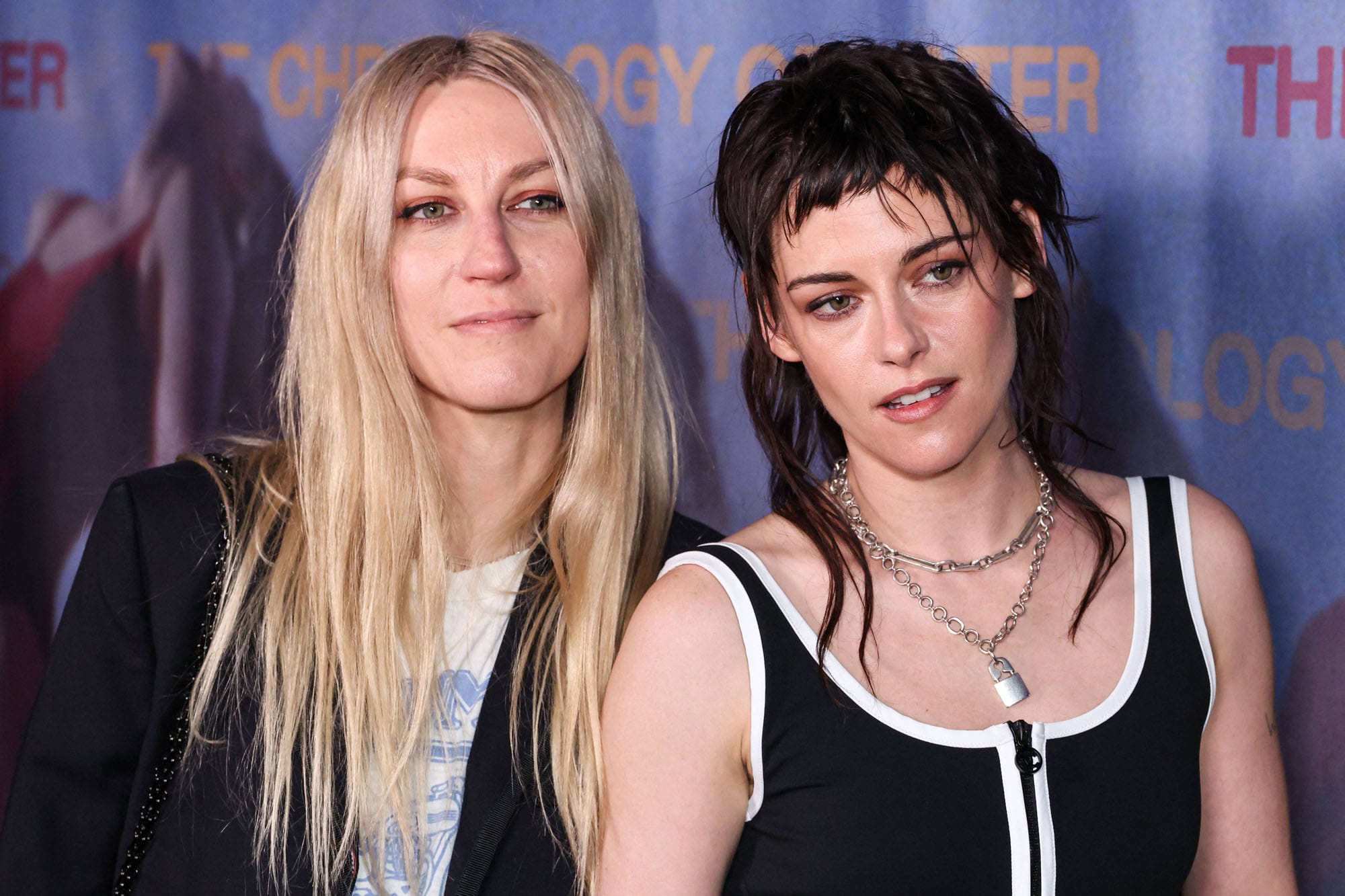
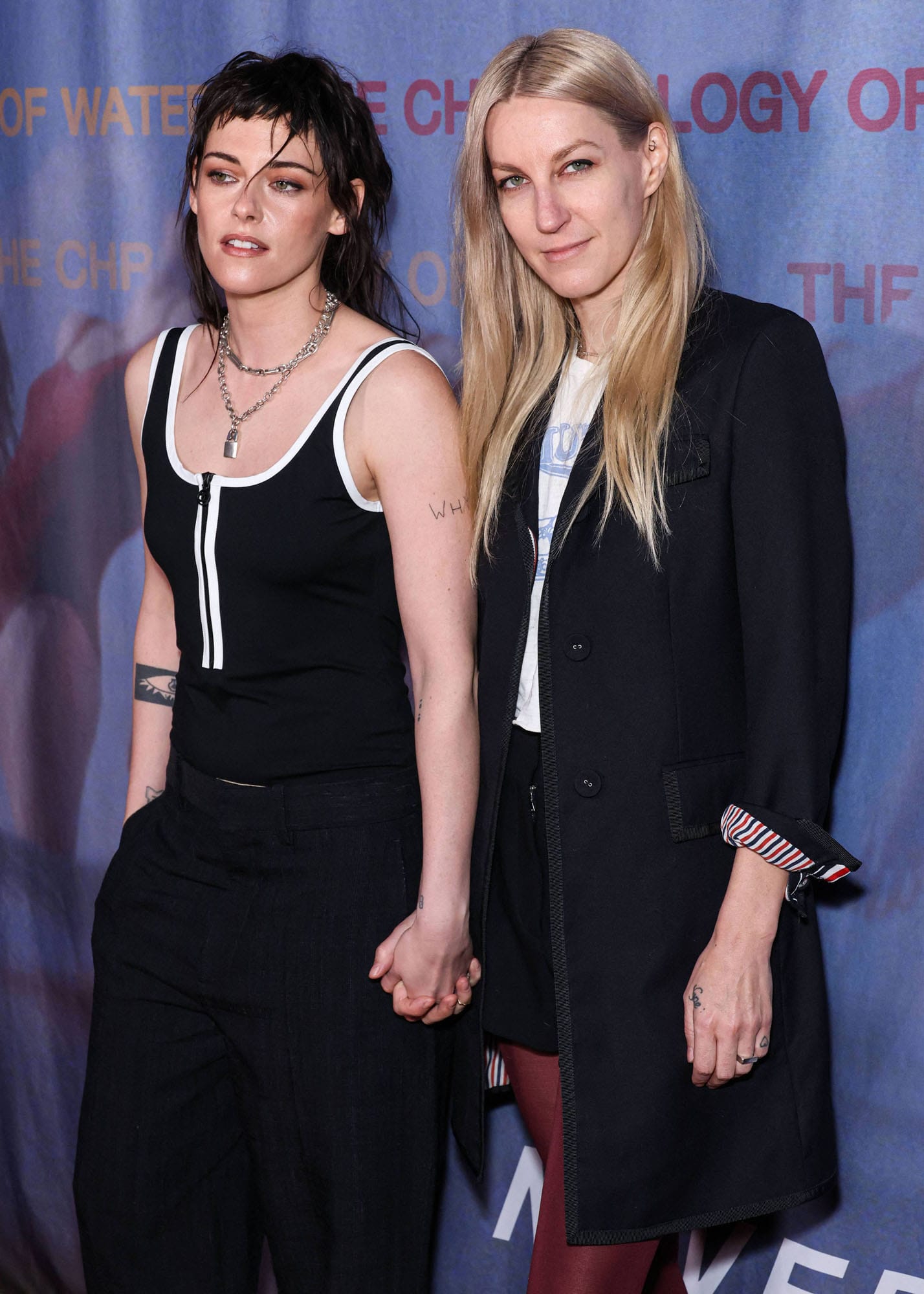
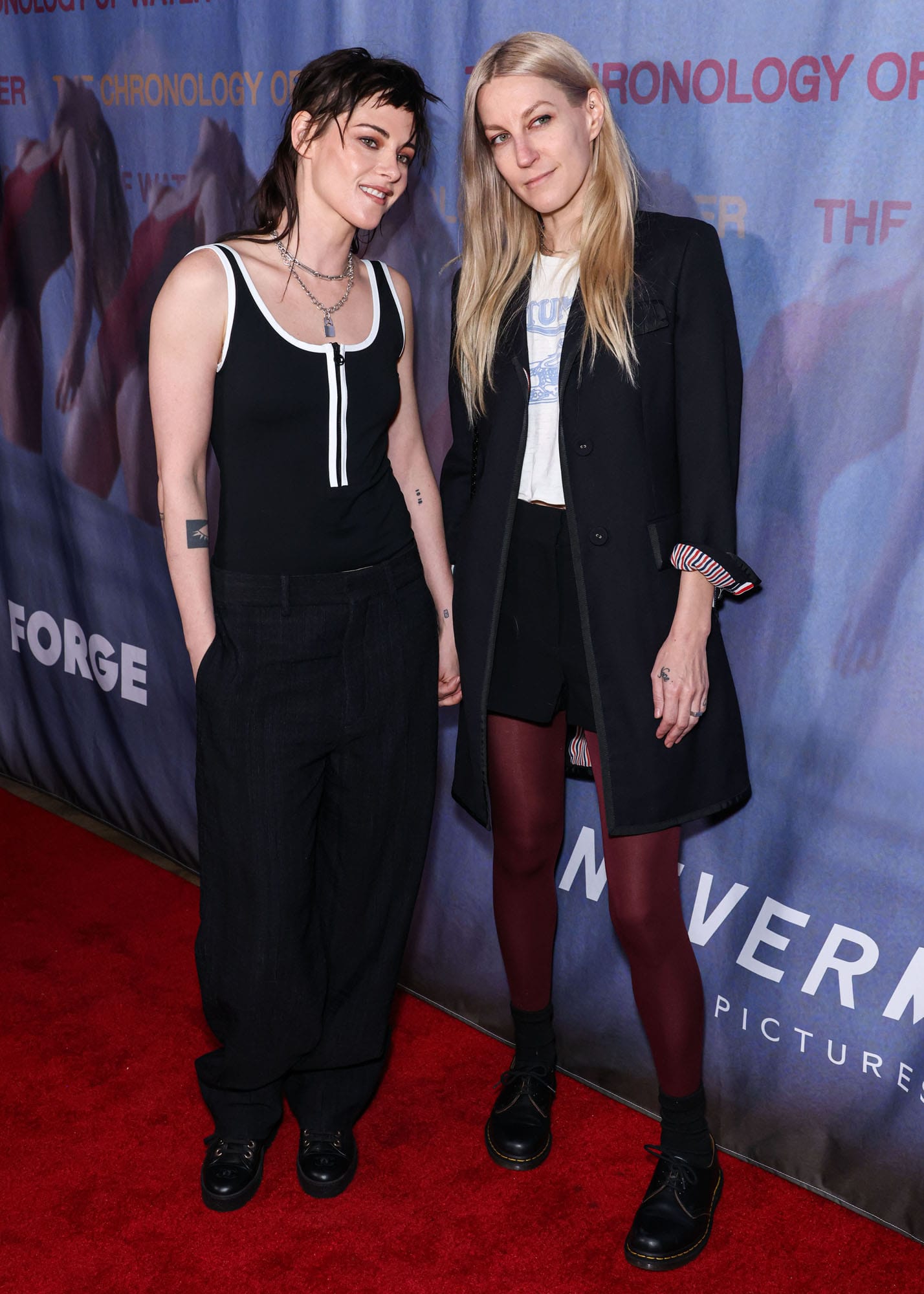
Imogen Poots, Kristen Stewart, Dylan Meyer attend the Los Angeles Premiere of "The Chronology of Water" at 2220 Arts + Archive on January 08, 2026 in Los Angeles, California
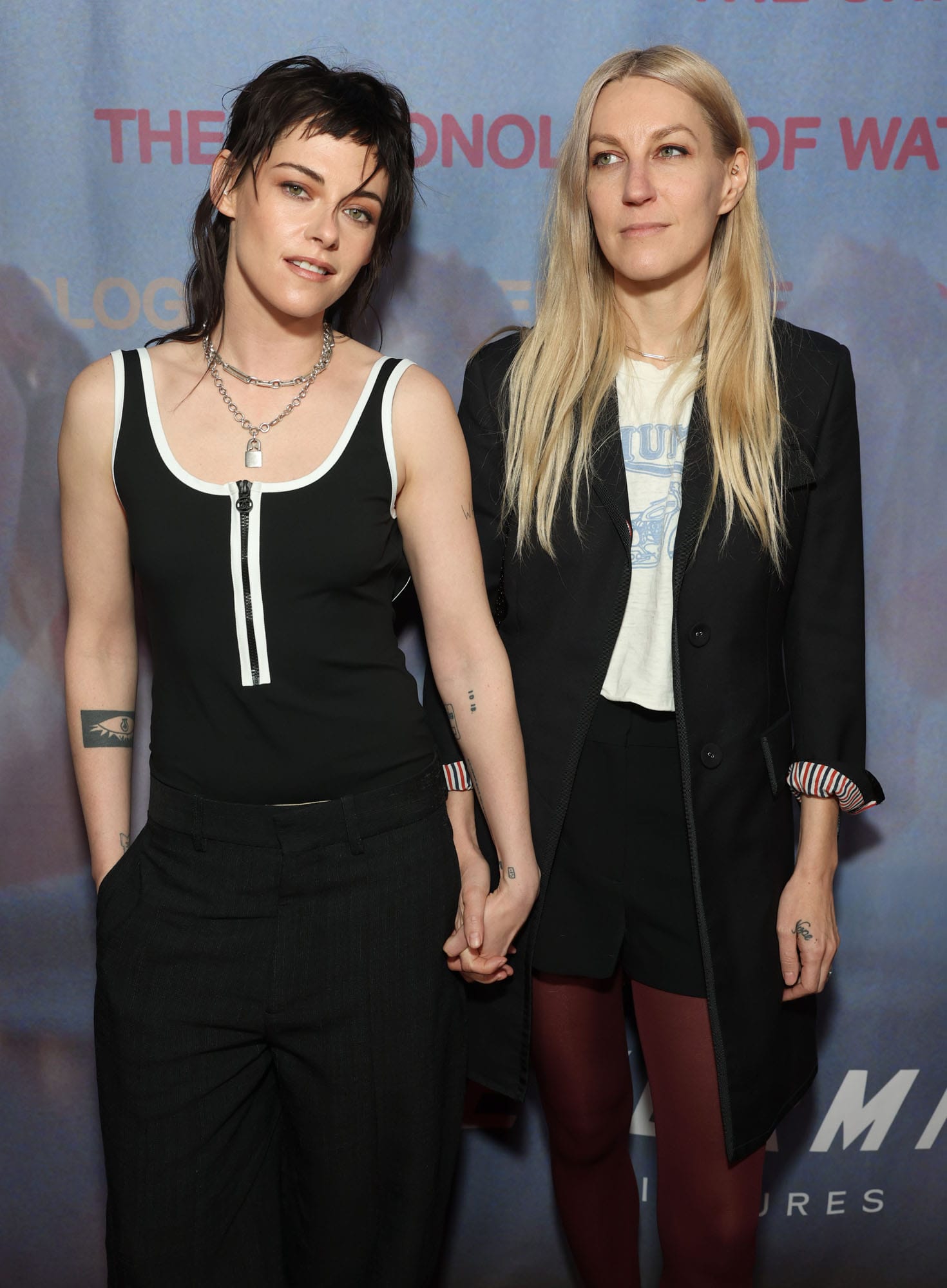
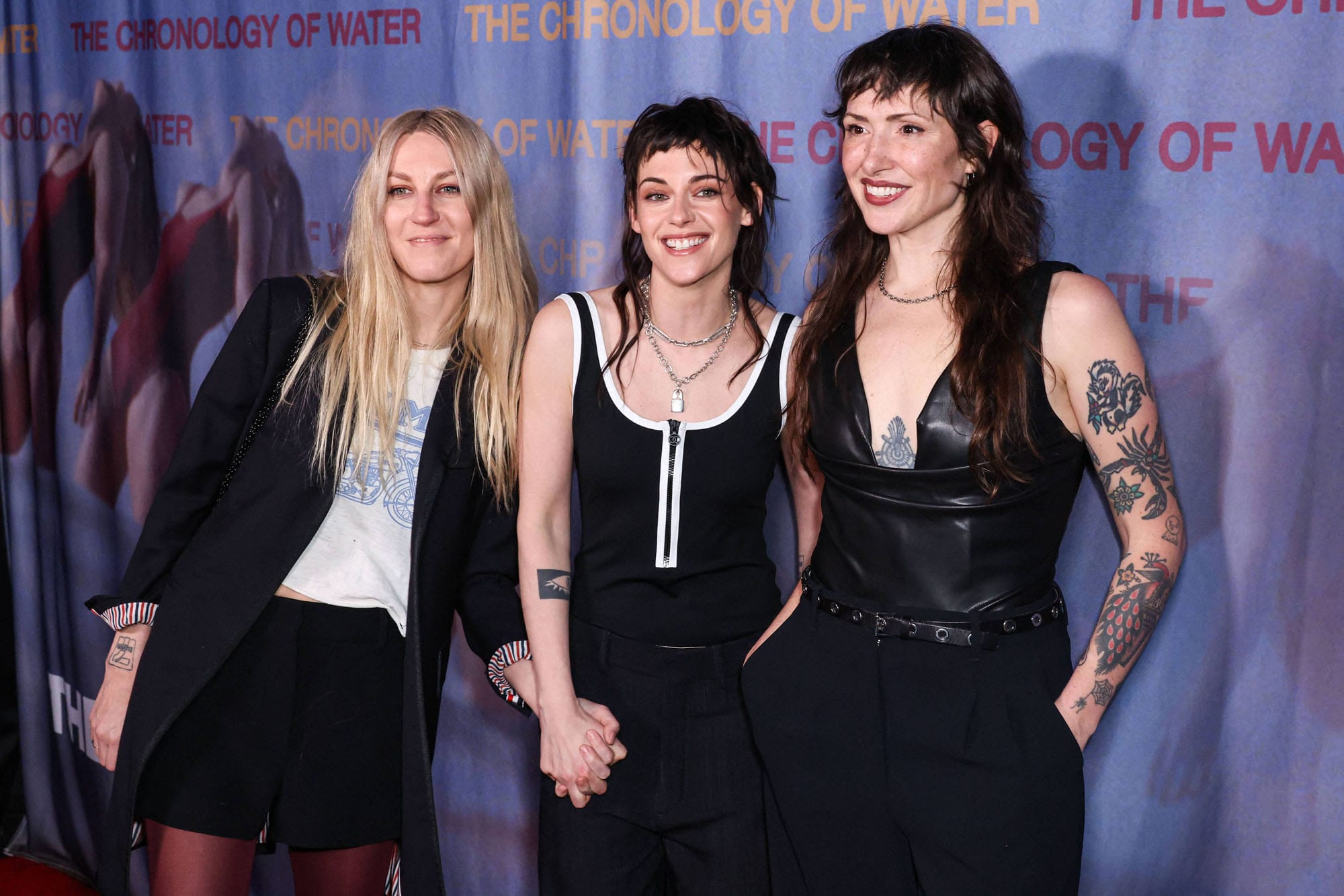
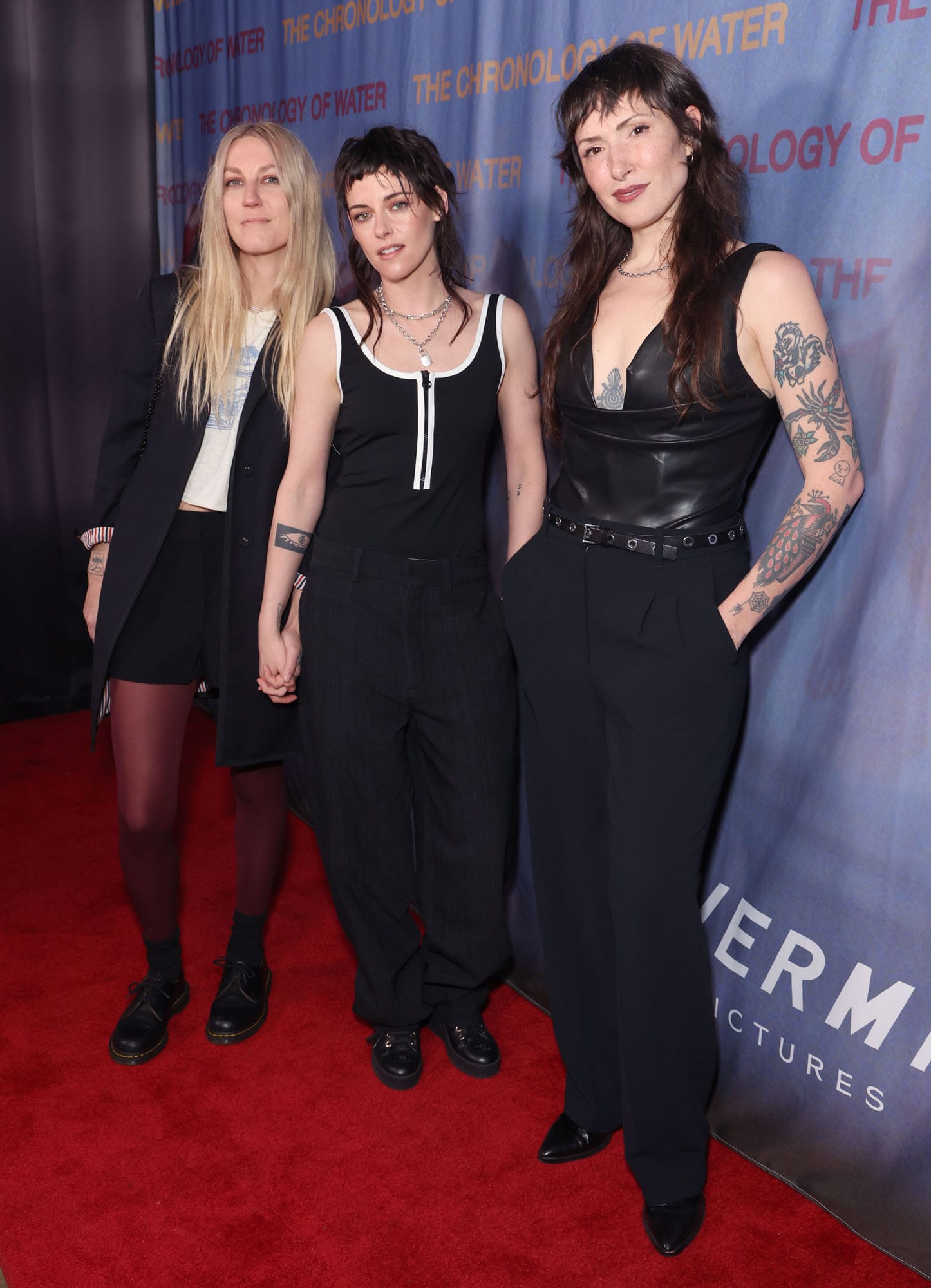
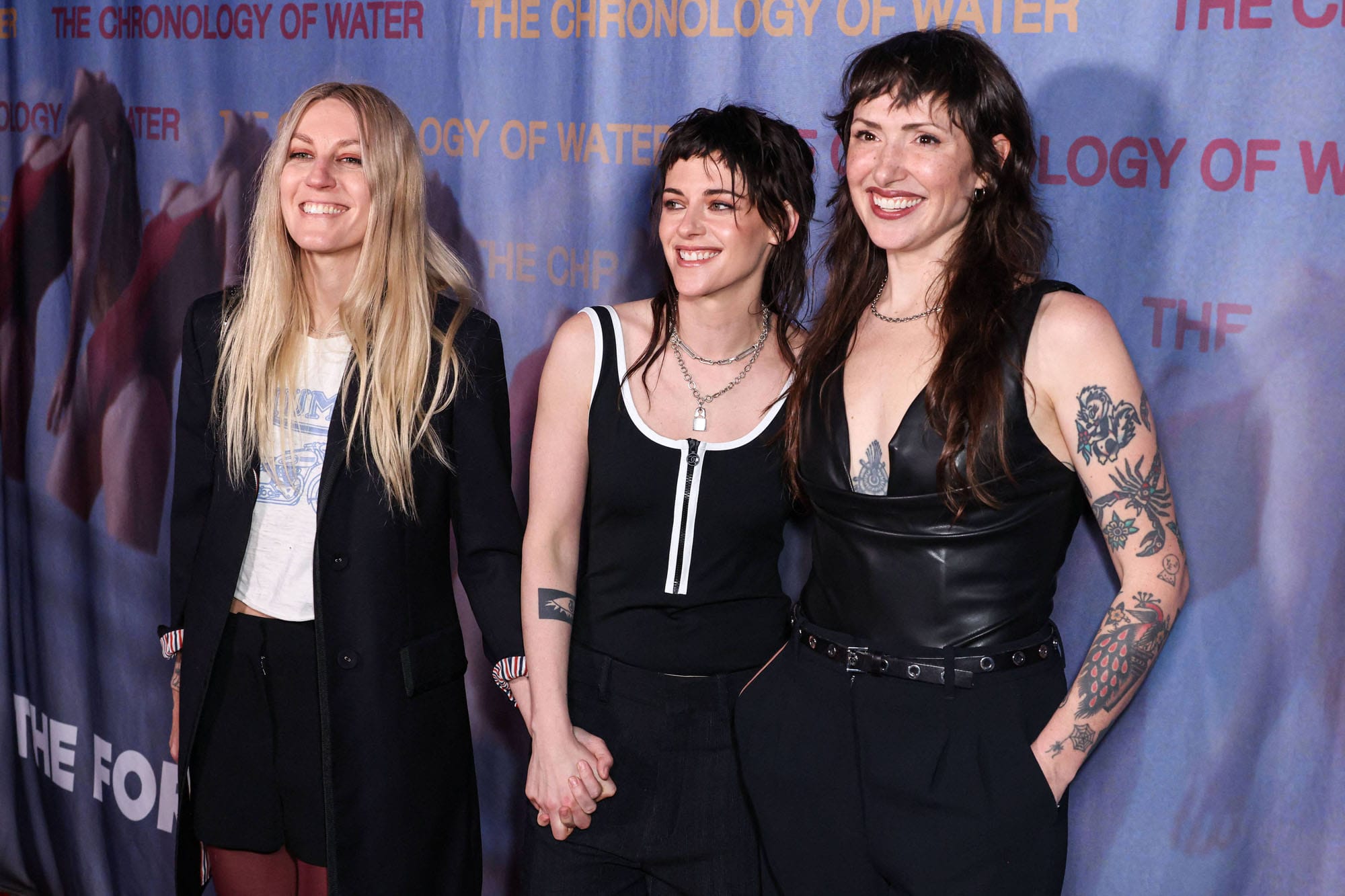
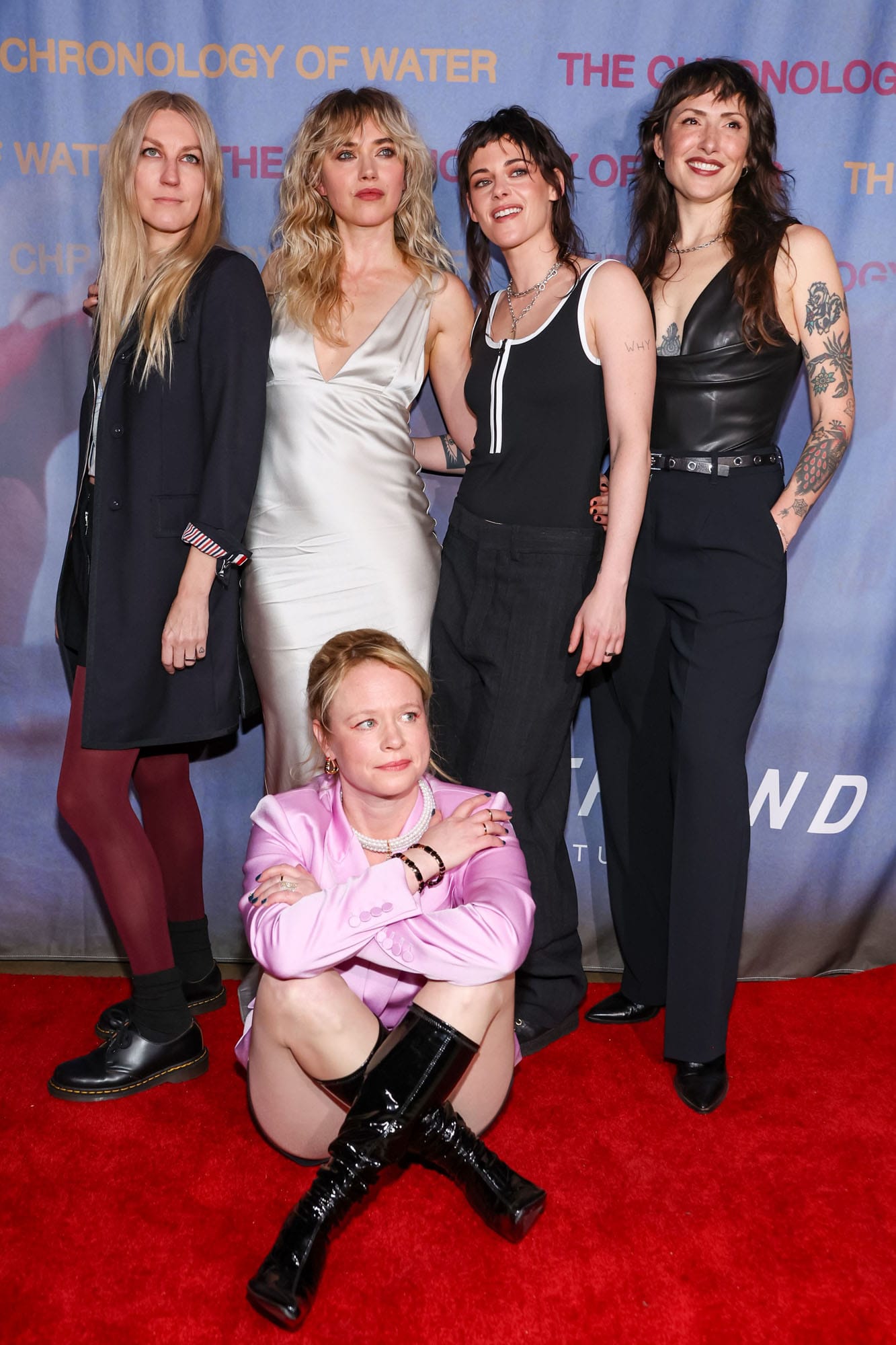
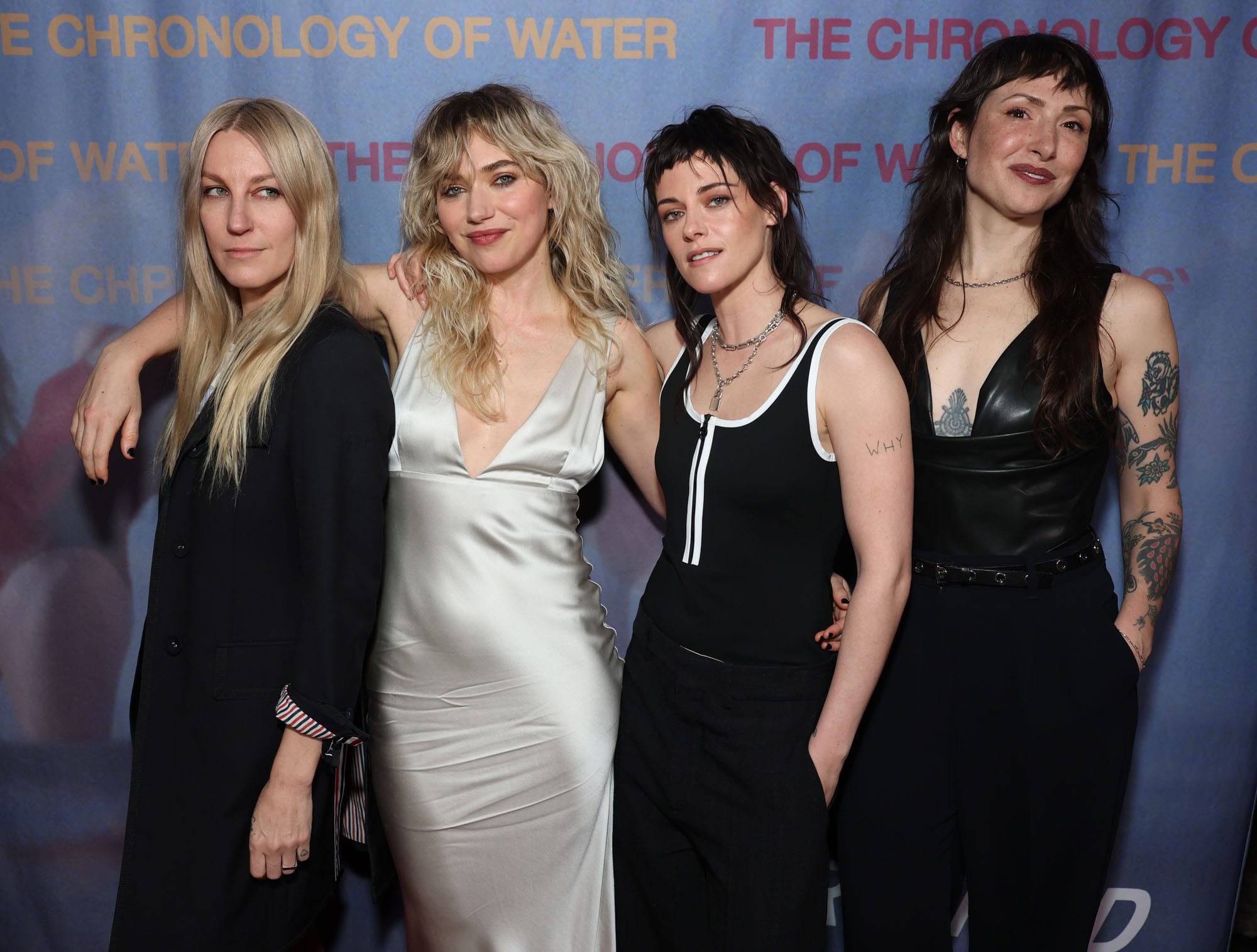
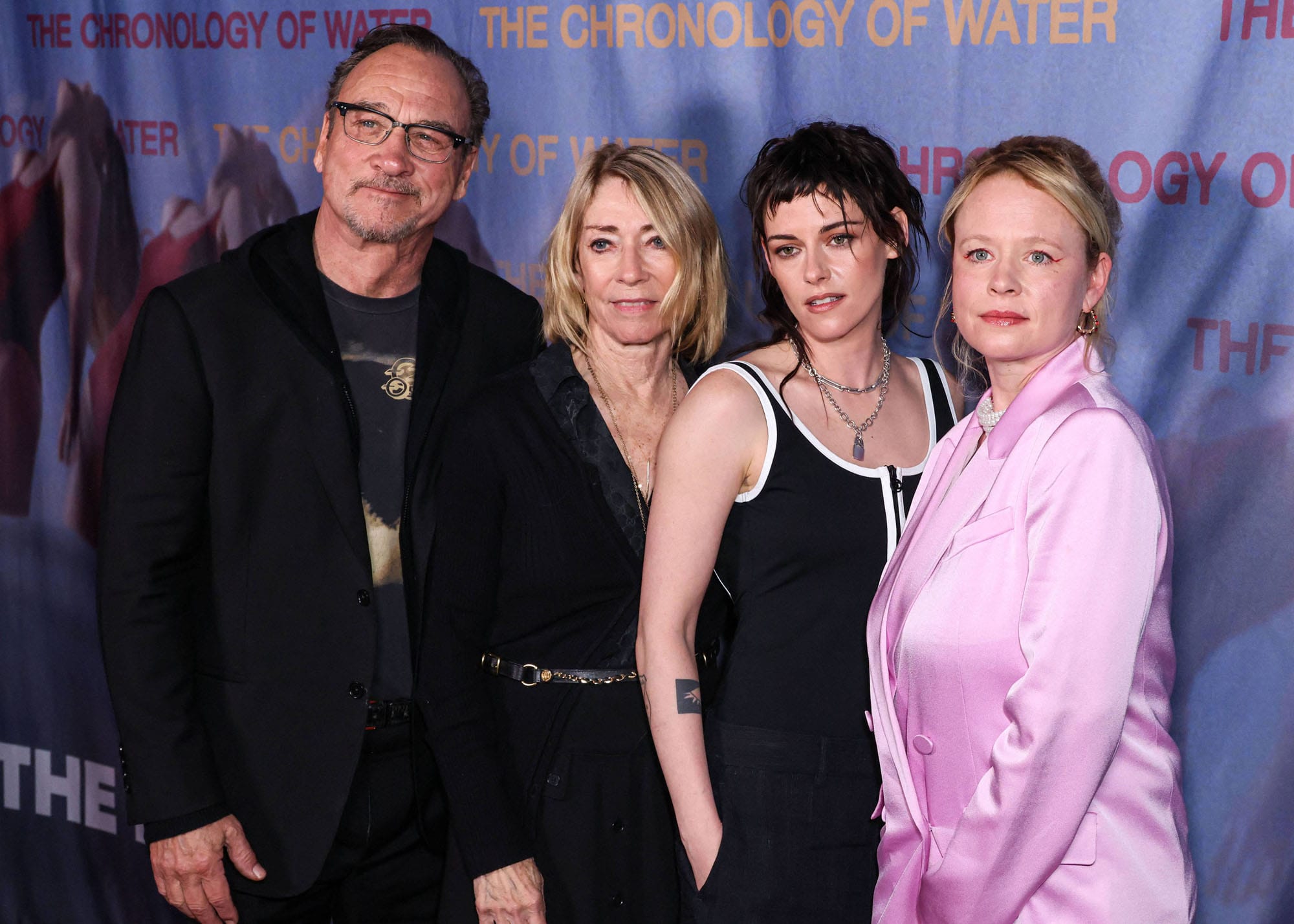
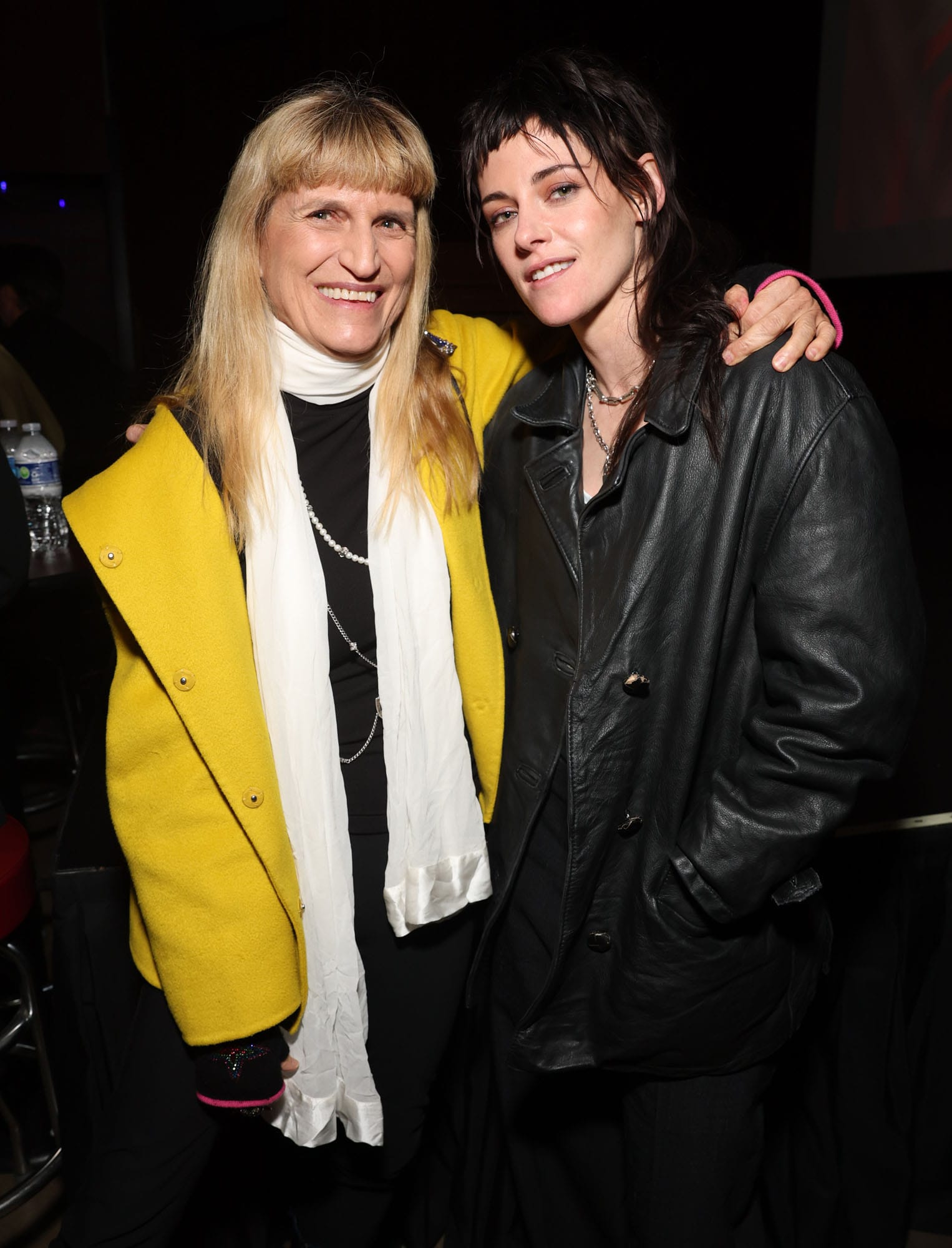
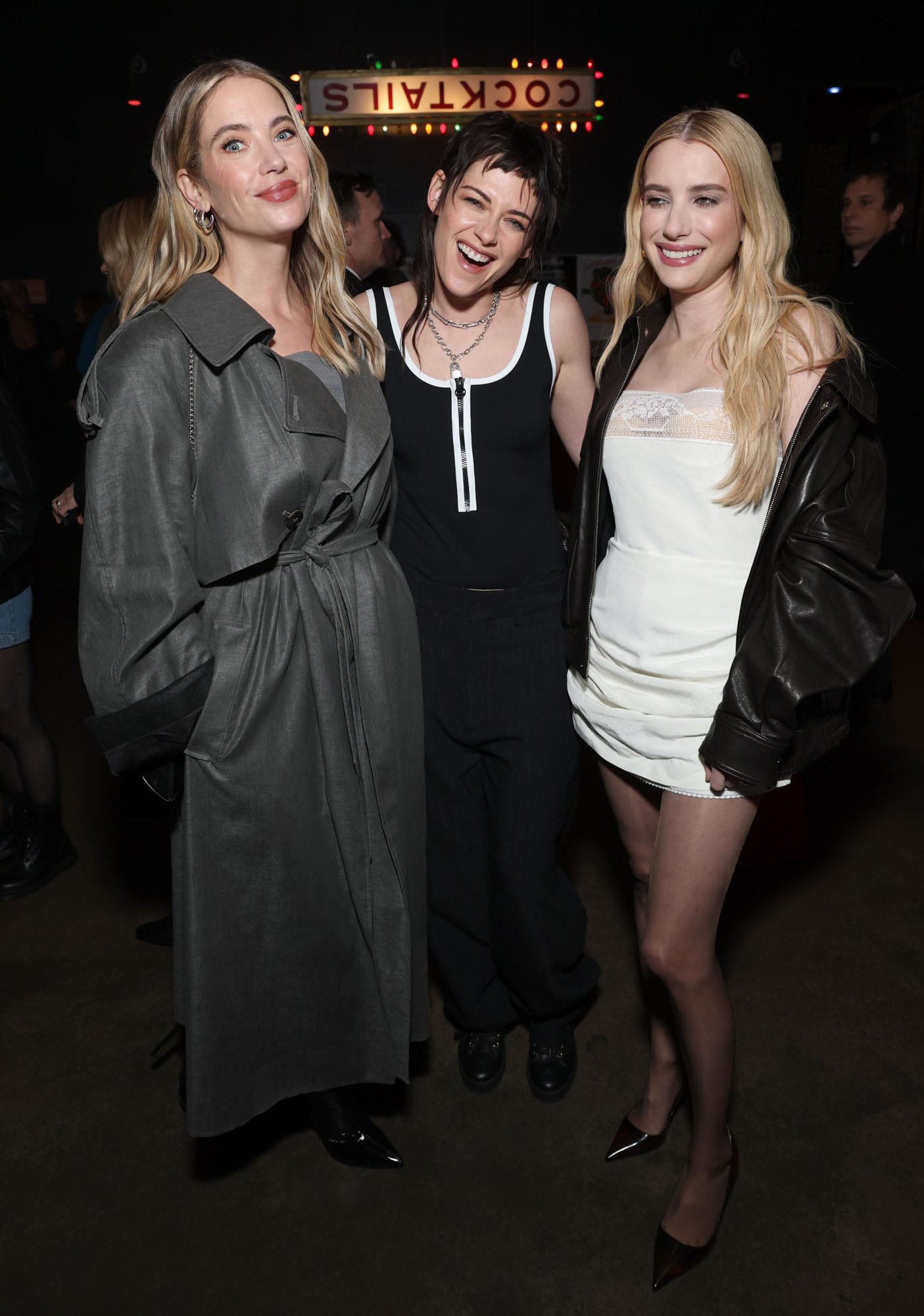
Kristen Stewart, Dylan Meyer, Maggie McLean, Thora Birch, Jim Belushi, Catherine Hardwicke, Ashley Benson, Emma Roberts attend the Los Angeles Premiere of "The Chronology of Water" at 2220 Arts + Archive on January 08, 2026 in Los Angeles, California