Saweetie and the politics of beauty

– 7 min read

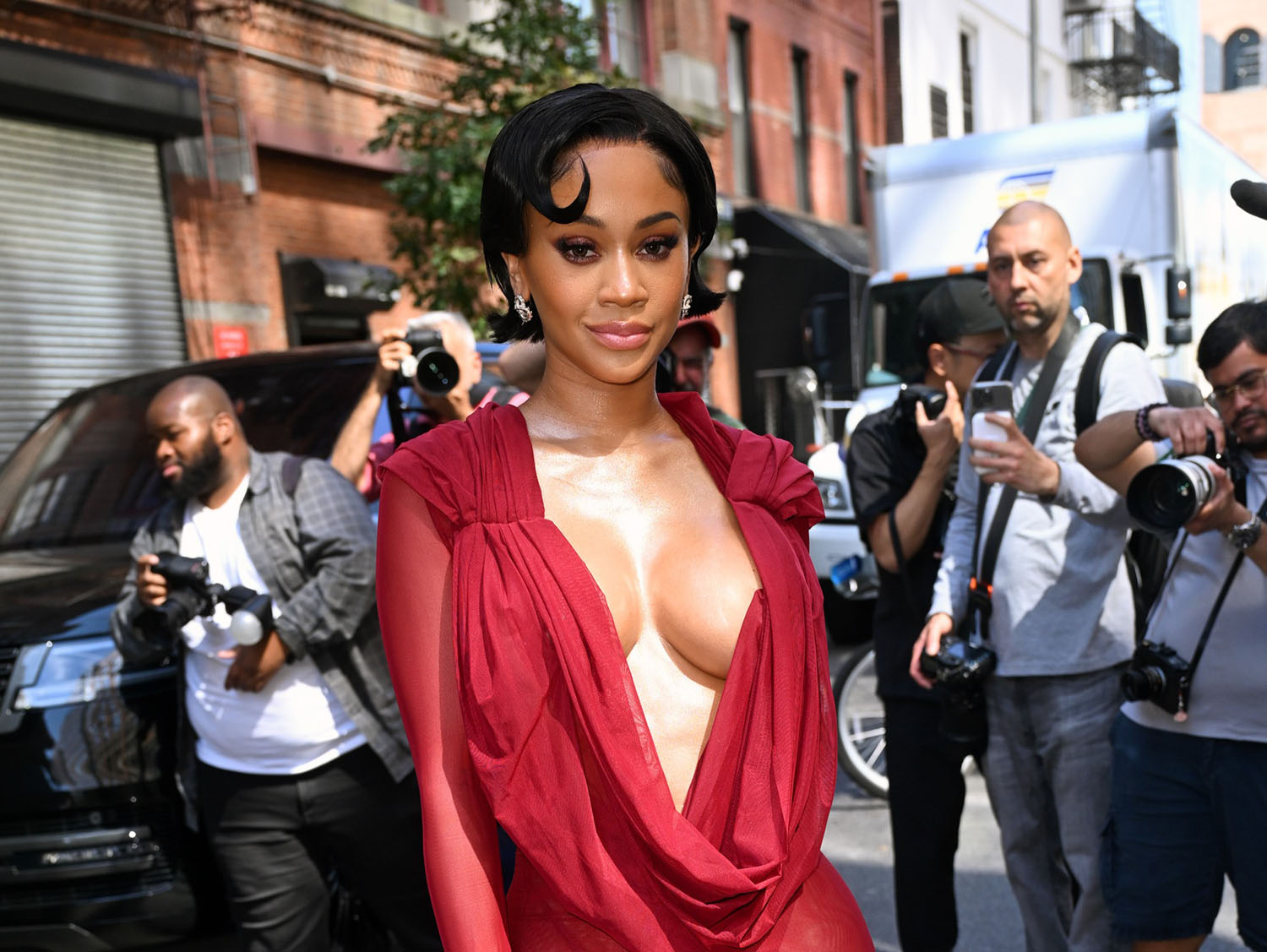
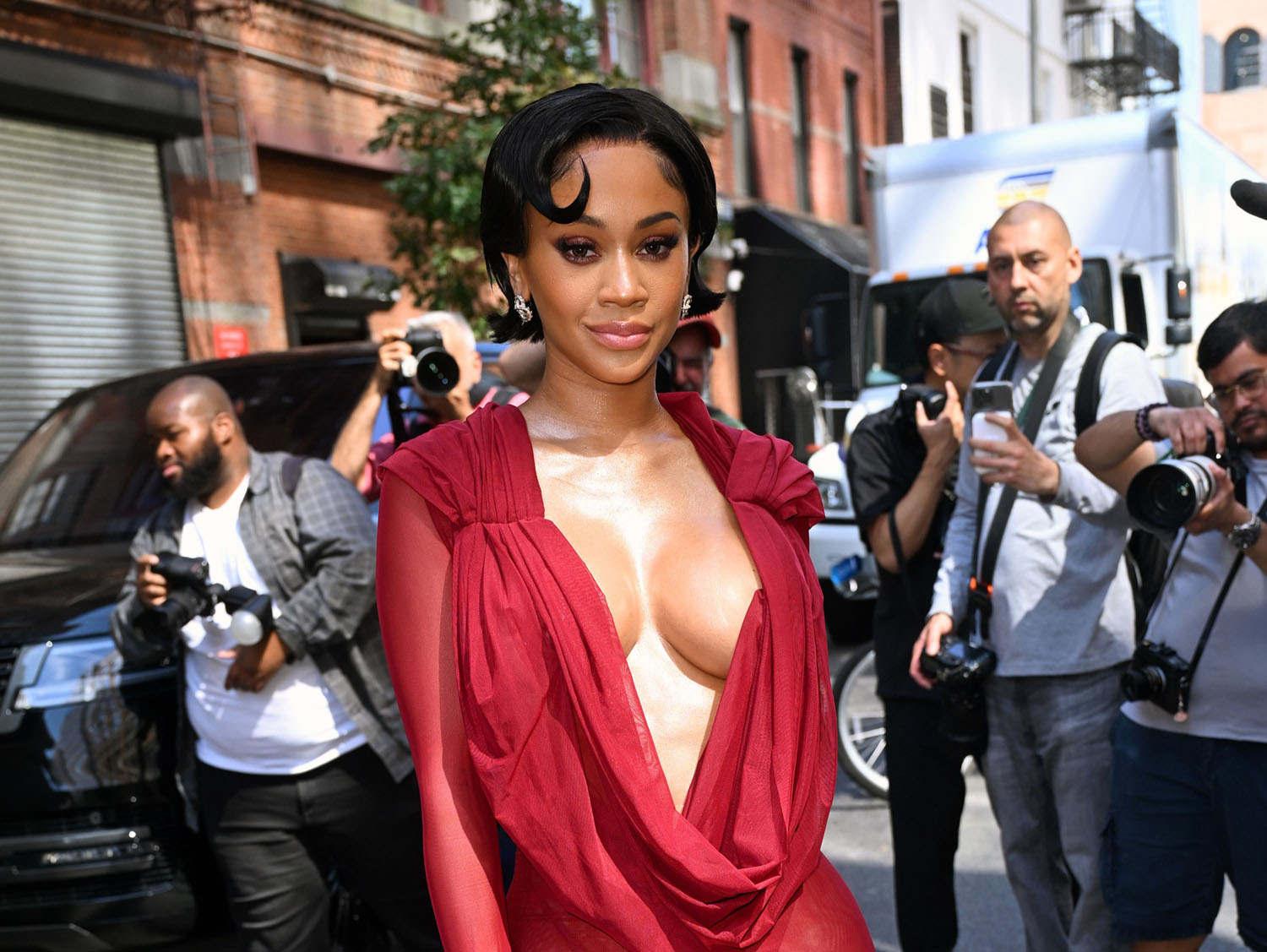
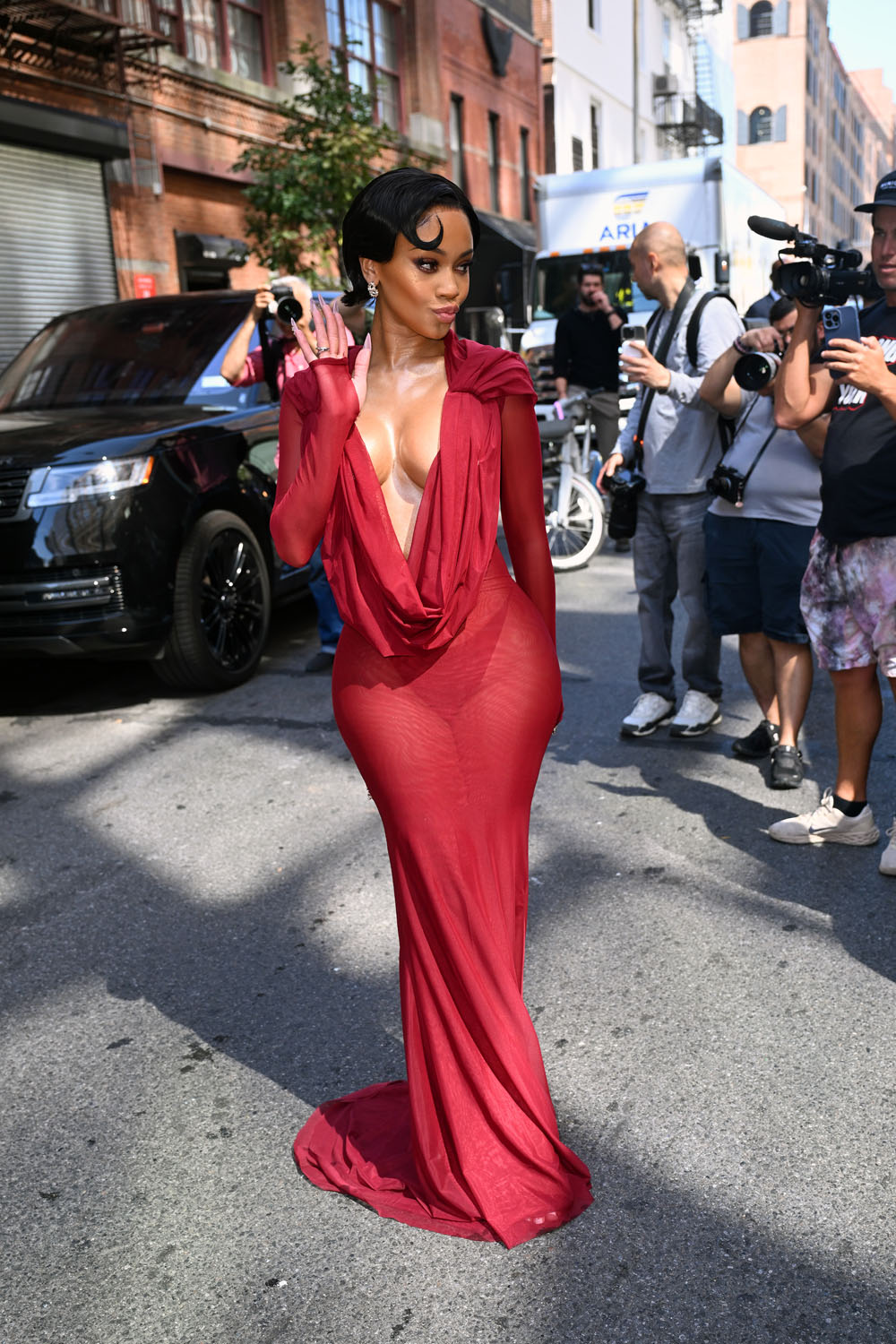
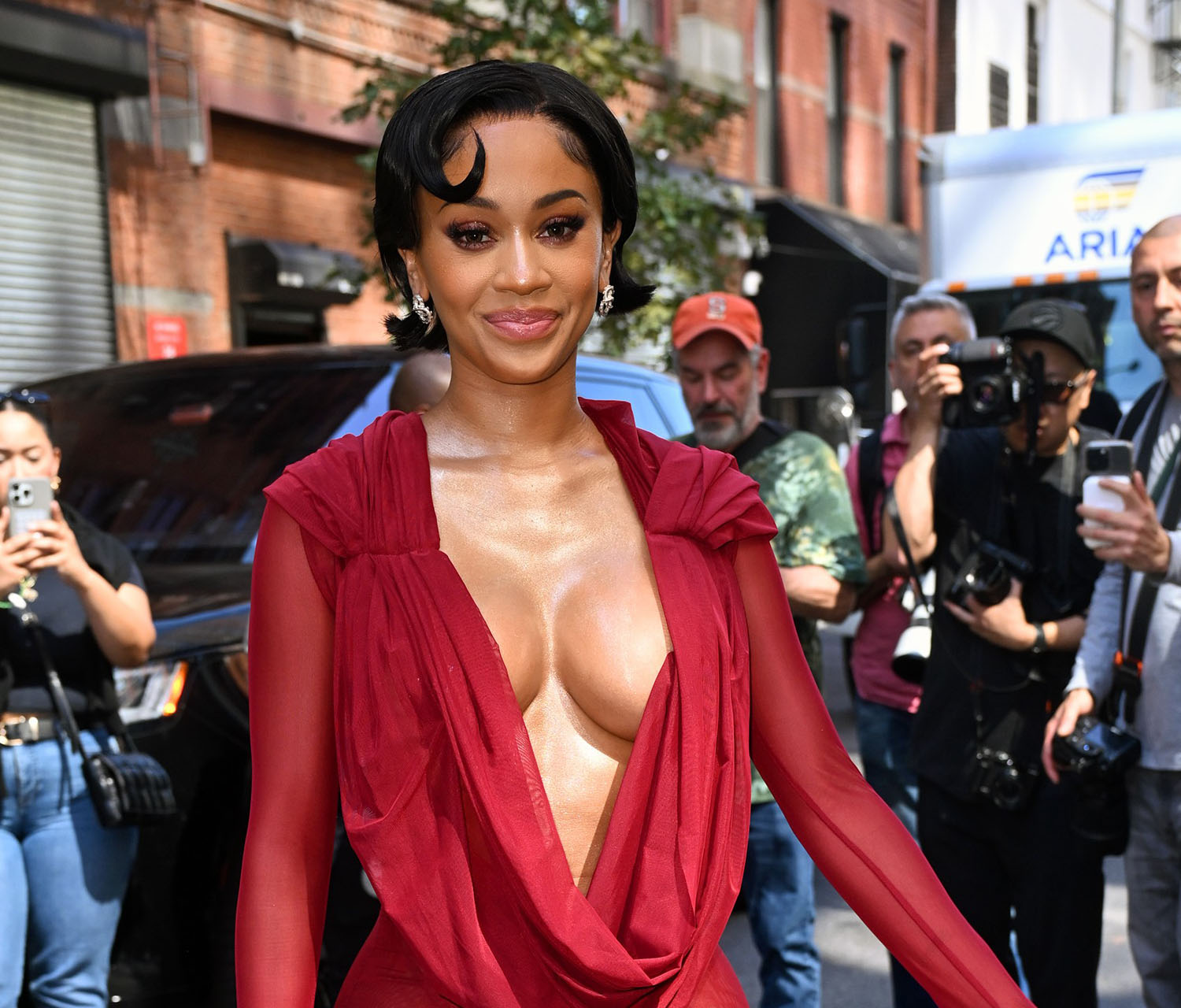
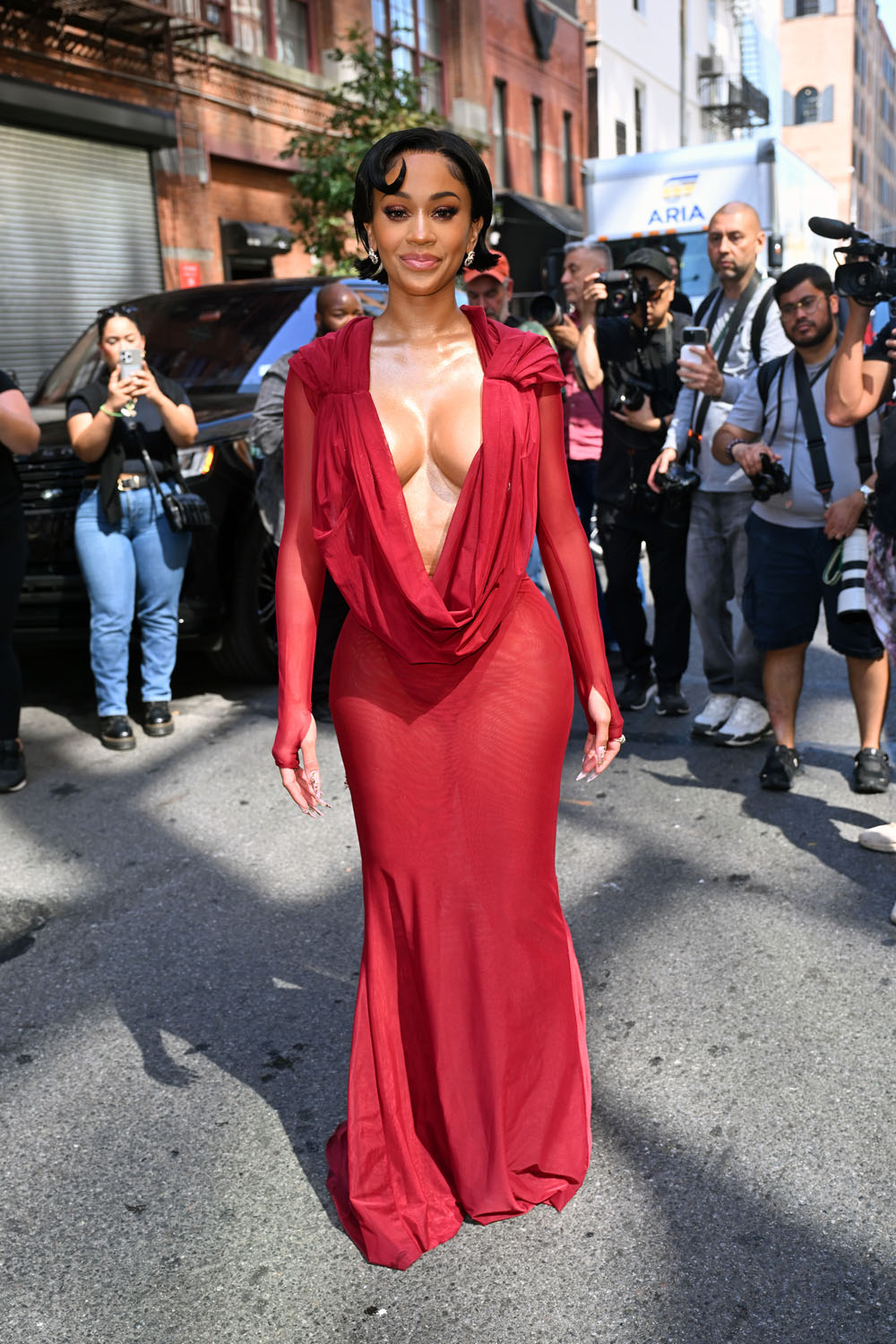
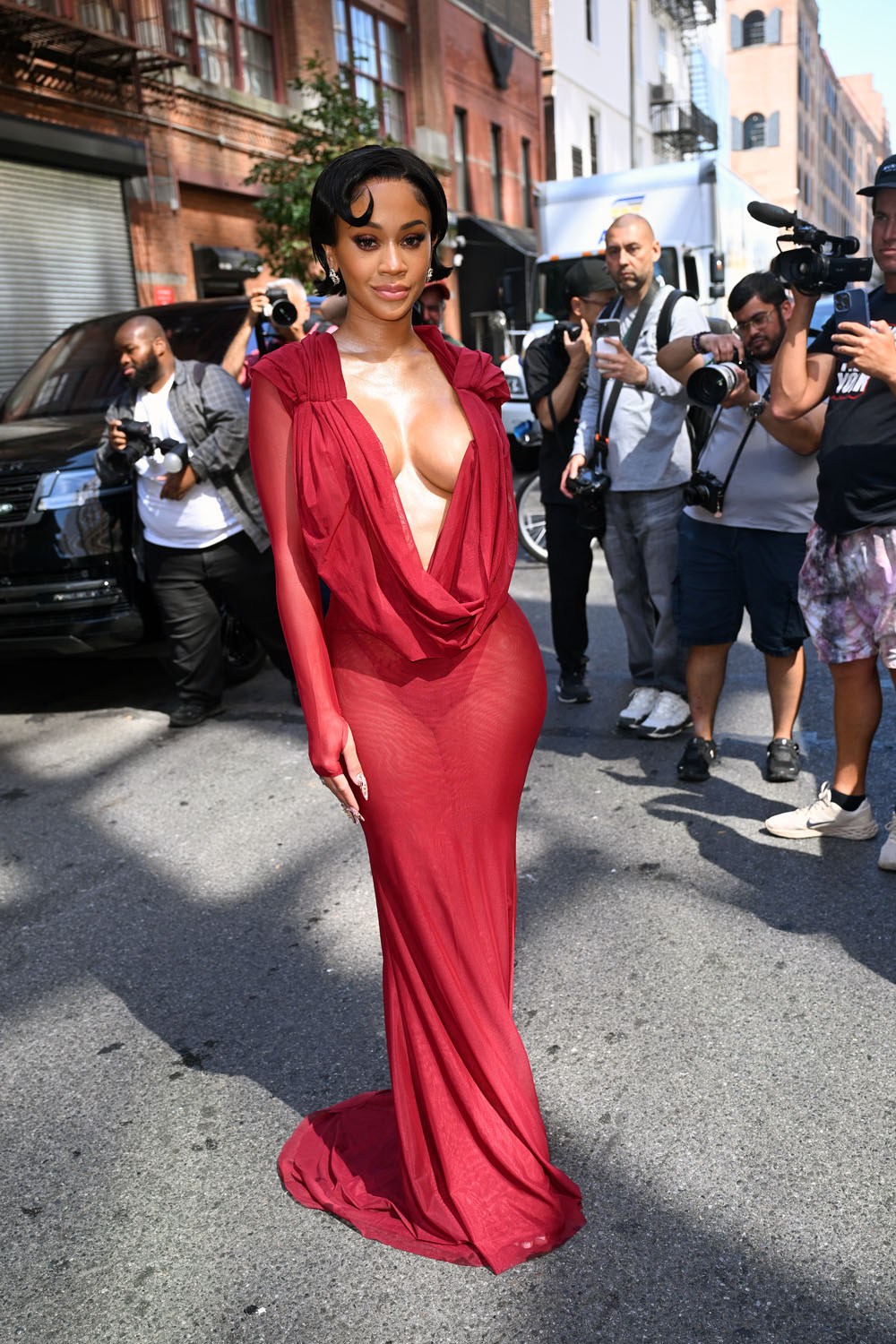
Saweetie’s recent remarks about the downside of being pretty - or “pretty punishment” as she calls it - have caused quite the debate online. A few days ago, she was on a podcast and spoke candidly about the negative aspects of being attractive, and though people agree there are cons to being beautiful, not everyone is having an easy time offering up sympathy.
During her conversation on Nessa on Air, Saweetie said that fitting into a certain category of beauty isn’t all it’s cracked up to be. According to her, the punishment of being pretty has led to her being excluded and “counted out” throughout her whole life, and particularly in the entertainment industry.
“They talk about pretty privilege, but they don’t talk about pretty punishment,” she said. “There have been so many times I’ve just been counted out, and I know that it’s behind animosity. I know it’s because of a hidden agenda, but it just makes me work harder. But this has happened my whole life, so what I deal with in the industry is a different face, same case.”
When the clip of her discussing this went viral, several people took to social media to share their thoughts and reflections on what she was saying. Some validated it, others disputed it, and others did a mix of both, acknowledging her talent, pretty privilege and pretty punishment, but suggesting that she wasn’t the victim she was portraying herself to be.
In this exchange below, a social media user disputed Saweetie’s claims that she’s being punished over being attractive, saying the real reason she’s not experiencing the success she feels she should be is because talent-wise, she’s “mediocre” and that her beauty is the only reason she got a spot in the industry in the first place. Saweetie responded by calling this “confirmation bias”.
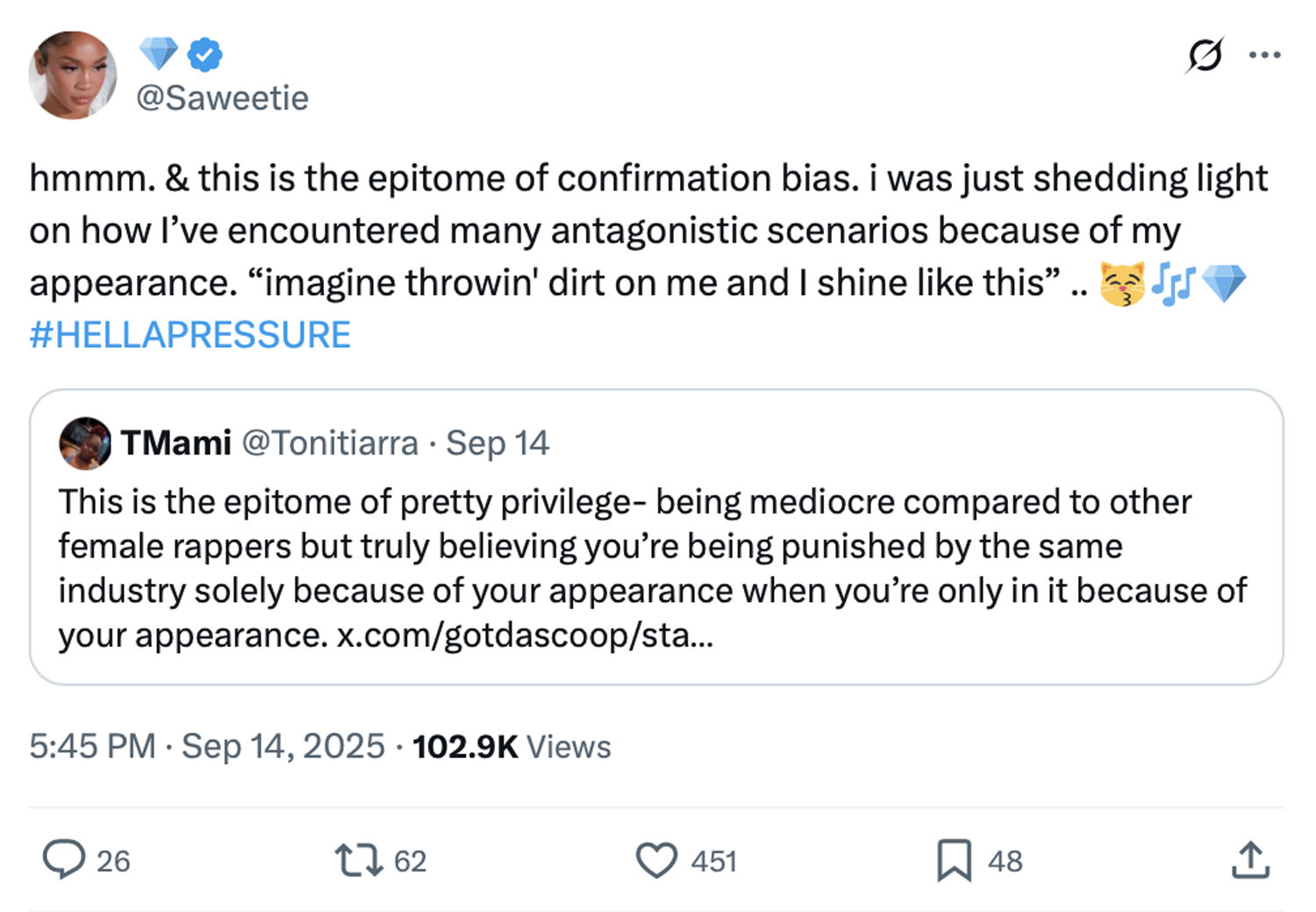
One interesting response to this was this social media user agreeing that she’s attractive, but asserting, like the other user did, that she has no talent, likening her to Cassie Ventura, whose career and chances of success were thwarted after the horrific abuse she suffered at the hands of Diddy. I wrote about that here.

As for whether people can sympathize with her, part of the reason people seem to be having a hard time with that is because whatever negative treatment a woman may experience due to the fact that she’s beautiful pales in comparison to the way women are treated when they do not meet certain standards of beauty. The second reason is – girl, you’re still rich, you’re still famous, you’re beautiful and you’re thin? We’re not about to sit here and cry for you.
Back in 2021, when Saweetie landed the cover of Cosmopolitan, she acknowledged that while there is a certain type of “power that comes with people admiring your face,” it wasn’t something that she gets off on.
“For me, honestly, throughout my whole life, being pretty was…it wasn’t a privilege for me. I was judged, rumors were made up about me, and it was kind of always working against me. And it’s just like, for me, I never thought of pretty as glamorizing my existence as a human being,” she said.
In this instance, Saweetie only spoke to what it means when people admire your face. While it’s important that she can admit that there is both power and privilege in being attractive from the neck up, for women, there is also the pressure of having a body deemed beautiful, or fit, or sexy. That’s another huge layer to this conversation and a determining factor in how you’re perceived and treated – for men, too, but especially for women. So we have to talk about the impact that having a body widely accepted as beautiful by society’s very limited standards has on whether a woman will or will not obtain a certain level of success, respect, and even income.
This is something content creator and political commentator Olurinatti speaks to in this video essay, If Pretty Is a Privilege, Ugly Is a Curse. In it, she uses Lena Dunham as a case study to paint the picture of how doomed women are as it pertains to beauty standards.
She talks about how in Lena’s 2012 HBO show Girls, her choice to display her body in the capacity she did became a launching pad for attacks about her physical appearance in Hollywood, with articles and comments constantly denouncing her. She points to Joan Rivers’ remarks that Lena was “committing crimes against nudity by showing her body on television”, and the subsequent remarks she went on to make, as a way of showing just how volatile the backlash was.
“The consequences of a Eurocentric beauty standard are that by virtue of being non-white, fat, disabled or gender non-conforming is to be ugly or at least not beautiful, undesirable, in the eyes of a society that rewards those who meet the beauty standards,” Olurinatti asserts, despite her own belief that Lena and her body are neither of these things, and stating that Lena’s body would be perceived entirely different in the Caribbean, where perceptions of “bigger” bodies are not so negative.
I think the interesting point here is that bodies are not up for debate, so whether the reaction is positive or negative, bodies are not something anyone should be responding to or perceiving in any way other than neutral. Bodies just are. At least in an ideal world.
She also addresses things like desirability – which looks completely different for darker-skinned women than it does white women, or even someone with Saweetie’s skin tone. She says that the number one point made by trolls online trying to paint her, a content creator and political commentator, as undesirable, is that she is African, even though she was born and raised in the Bahamas.
“African is the definition of ugliness in a culture that says Eurocentric beauty is the standard,” she says.
Saweetie and Olurinatti have both made the case for how this plays out in a celebrity capacity – but how does this impact regular people in regular workplaces? What does the impact of pretty privilege and punishment - and on the other hand, how women who don’t fit into Eurocentric beauty standards are treated - look like?
A 2025 study showed attractive workers earn up to $20,000 more a year than “unattractive” colleagues. Some of the other findings from the study were that over 80% of people believe pretty privilege exists in the workplace, and nearly 80% of workers feel the need to spend money on how they look to meet professional expectations. Interestingly, CEOs are more than twice as likely to rate themselves as extremely attractive compared to the average person. Clearly, there’s a strong correlation between professional success and self-perceived attraction.
But the problem with that is that self-perceived attraction is largely reinforced by how closely we feel we fit into society’s beauty standards, and if those standards favour mostly white or fair-skin, and bodies of a certain size or shape, or bodies whose gender can be easily identified, or bodies that are capable of things other bodies aren’t, where does that leave the people who fall outside of all this? It leaves them underpaid and mistreated, in a nutshell.
The picture all of this paints is that women, beautiful or not, are doomed. Despite the negative chatter online, Saweetie’s music has made waves – and largely thanks to it being the exact kind of music that blows up on social media. It's been the perfect soundtrack for dance trends, reels and the like. Her 2017 hit “Icy Girl” went viral. Her 2019 hit “My Type” went platinum. And the 2021 hit she made with Doja Cat, “Best Friend”, was her highest-charting single on the Billboard Hot 100 and earned her her first Grammy nomination. Yet still, these accolades are chalked up to her beauty, and her talent is being labelled as “mediocre” to some and “non-existent” to others.
There are a few takeaways from all of this. First, it’s that we almost never have these conversations about men. Not in this capacity. And not to this extent. It’s not lost on me that the study I cited shows the likelihood of CEOs rating their attractiveness highly and that men tend to fill CEO offices in numbers women don’t. They are not up against the beauty standards women are. Second, it’s clear why people aren’t buying what Saweetie is selling. She was still treated well enough to make it as far as she has in Hollywood. And she’s pretty enough to have privilege, which is a lot more than so many others can say.
Despite the treachery that can come from being pretty, like being oversexualized and having your success undermined, the benefits of pretty privilege still outweigh the downsides. And moreover, what is simply an annoyance for Saweetie is a lifelong phenomenon of compounding issues that can have devastating impacts on every aspect of the lives of women who fall outside of conventional beauty standards – even their bottom line.