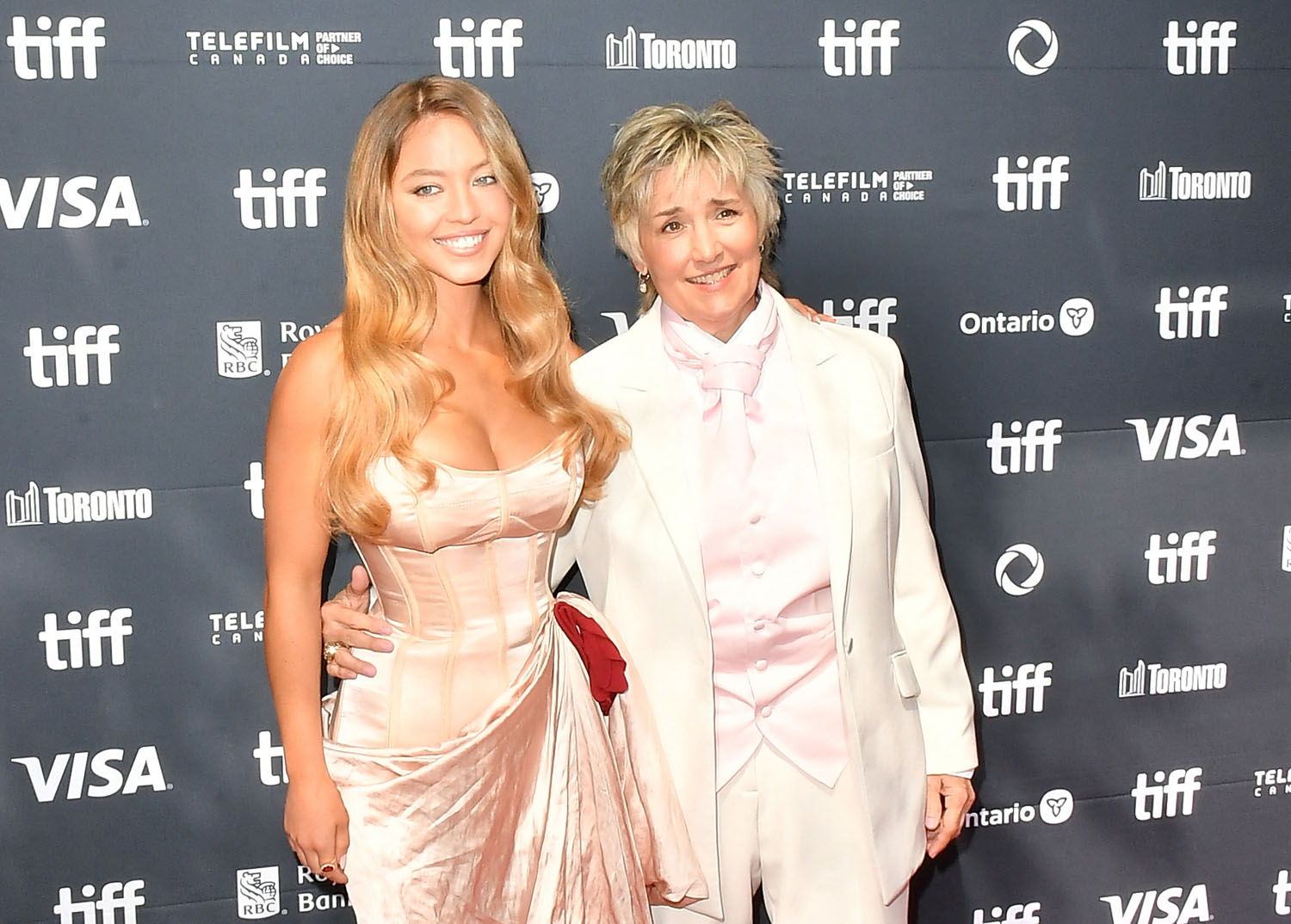
TIFF Review: Sydney Sweeney in Christy

– 5 min read

TW for domestic violence
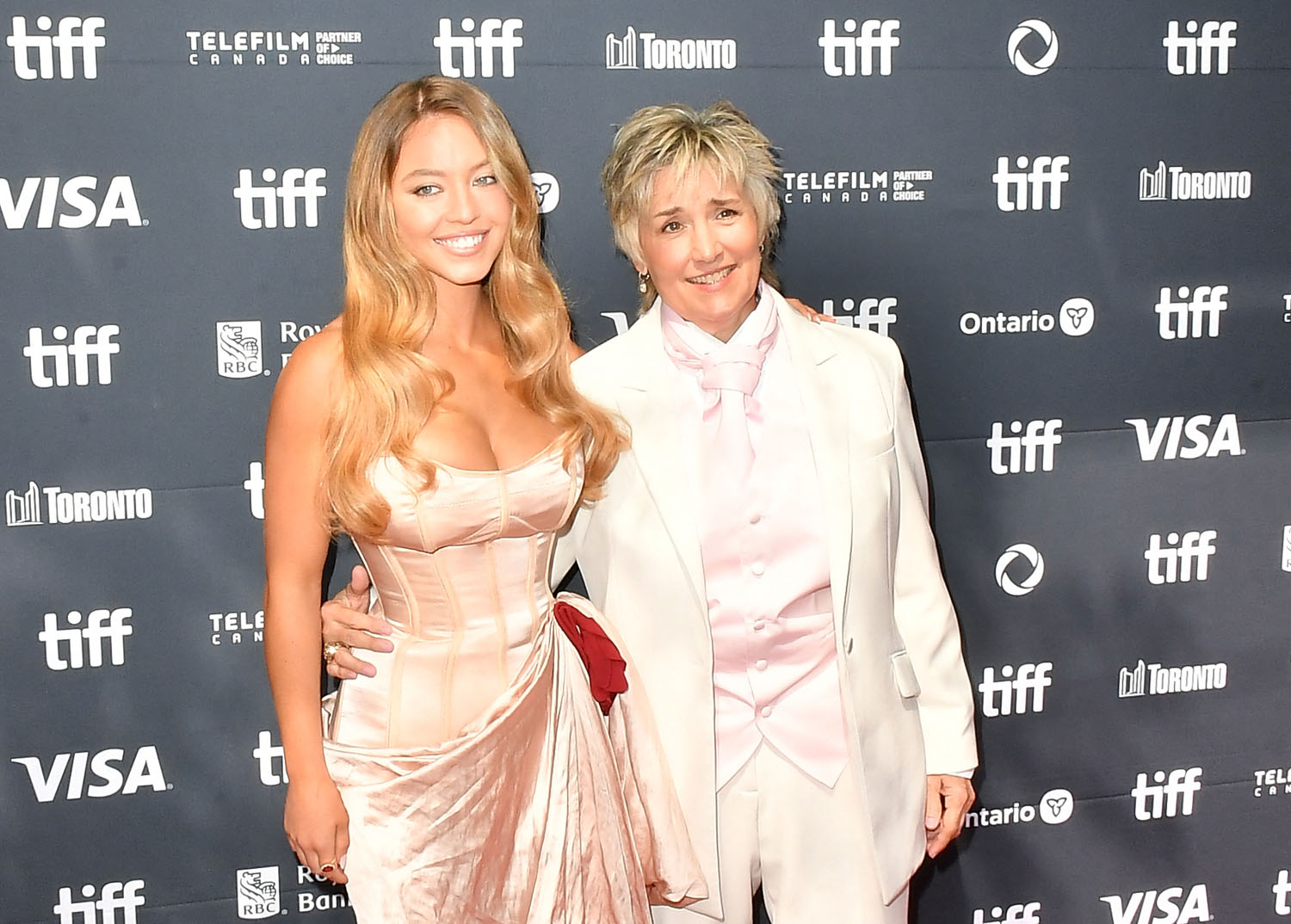
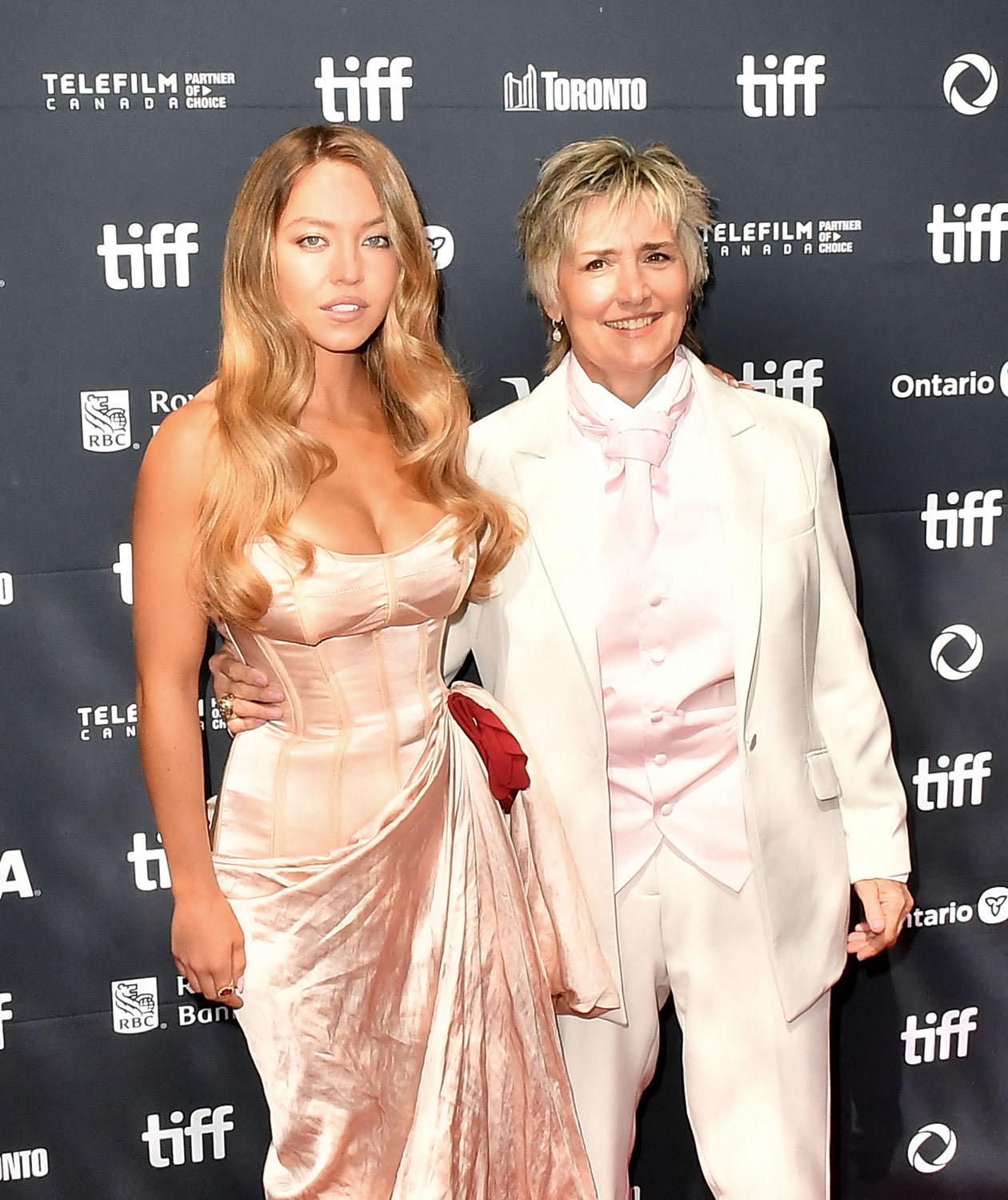
Christy Salters, known for much of her career by her married name, Christy Martin, put women’s boxing on the map, and was the first “lady fighter” to grace the cover of Sports Illustrated and compete in a Pay-Per-View match. She was a champion and a rags-to-riches success story whose later life is marked by her advocacy of survivors of intimate partner violence and increasing LGBTQIA+ acceptance, as she is both a survivor herself and a queer woman who spent nearly 20 years married to a man who nearly killed her. Hers is a remarkable life story, ripe for the Hollywood treatment, which it is now receiving by way of Christy, starring Sydney Sweeney as Christy Salters.
Sweeney transforms herself for the role (though she is hardly unrecognizable). With a brunette mullet, brown eyes, and enough muscle added to her frame to turn her famous curves into a stockier, fight-ready physique, Sweeney steps into Christy’s shoes circa 1989, when Christy begins her boxing career as a means of earning some extra cash. From small-town West Virginia, Christy doesn’t have many options out—both her father and brother work in a local coal mine—and Christy kind of needs to get out because she is gay in a time and place that won’t accept her.
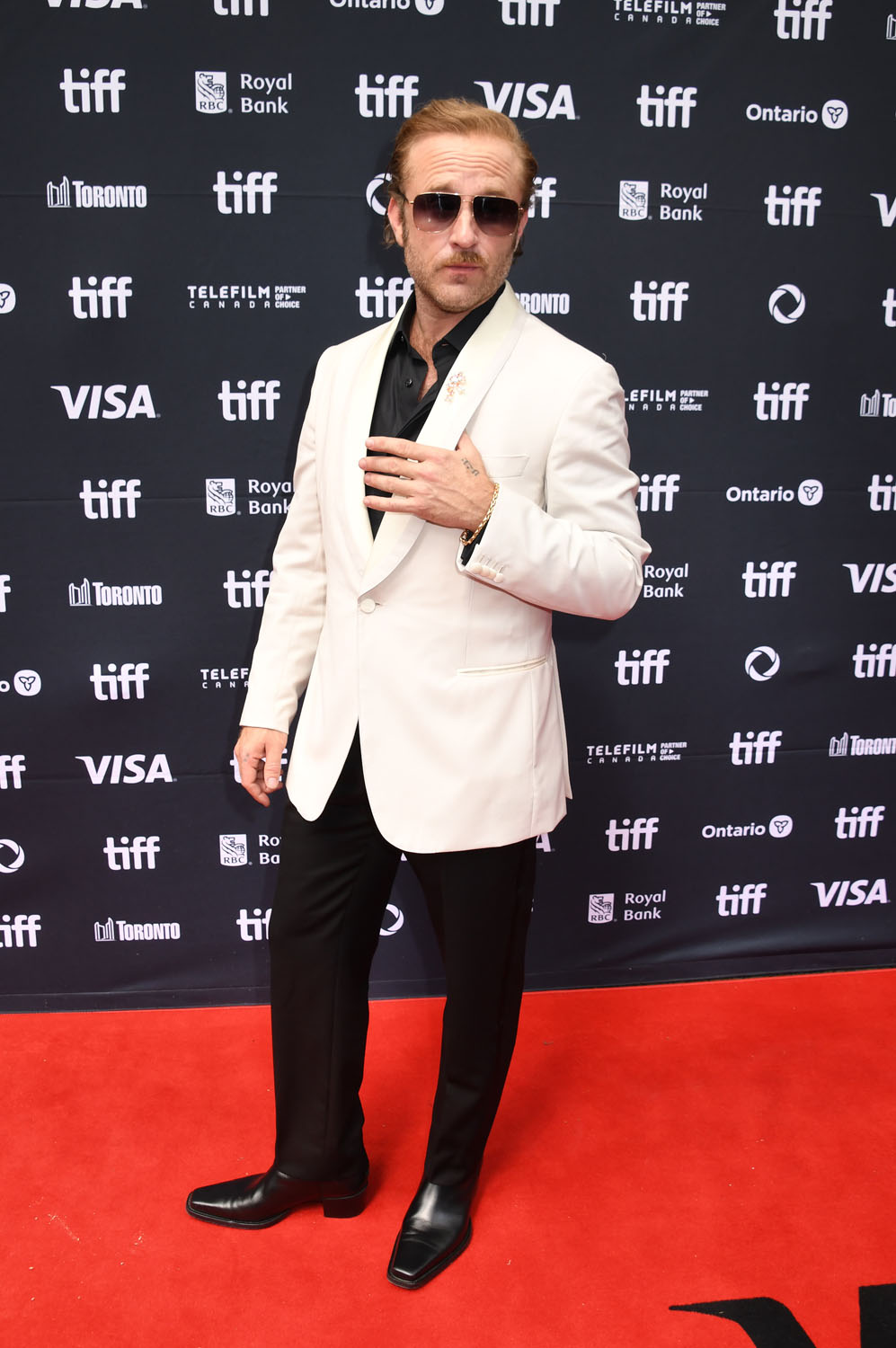
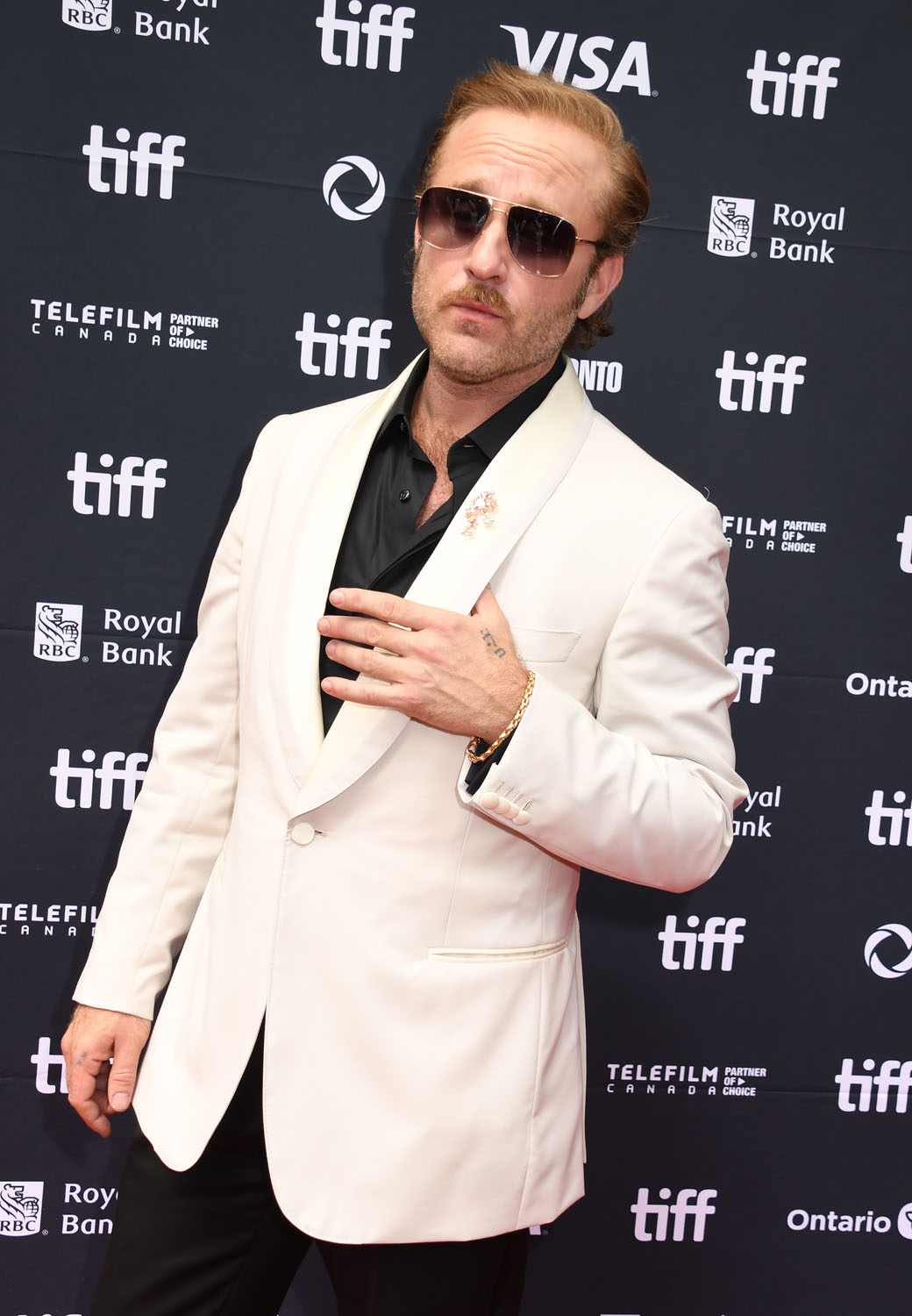
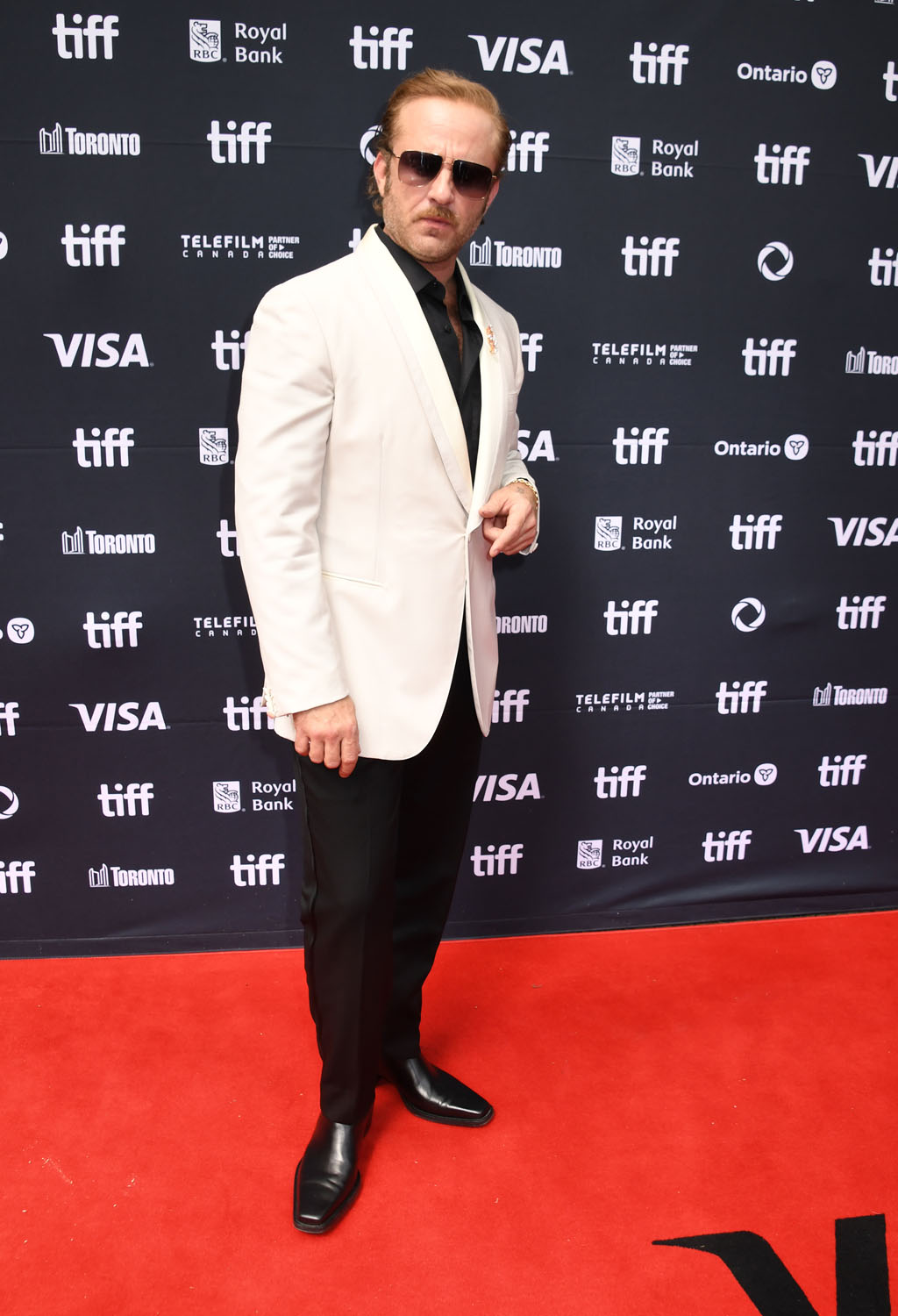
What makes Christy a story worth telling is Salters’ incredible life story, which includes remaining closeted and marrying a man who attempts to murder her when Salters tries to leave him. But the film, written by Mirrah Foulkes and David Michôd (who also directs), from a story by Katherine Fugate, is strangely tentative about drawing larger connections in Christy’s life. There is no question she marries walking red flag Jim Martin (Ben Foster, who actually is damn near unrecognizable here) to protect herself from rumors and speculation about her sexuality, but the film prefers to emphasize his role as Christy’s boxing trainer and how he represents her ticket out of a dead-end life. That’s true, too, but filmmaking is about choices, and the choice here is to lean harder on the boxing angle than the queer one.
Christy is a by-the-numbers biopic, ticking every box of the genre, complete with a rousing score from Antony Partos to underscore the emotional beats. But David Michôd’s direction is excellent, particularly in the latter half of the film, when Christy switches from being an underdog sports story to a domestic violence drama. Michôd does not put much of the violence directly on screen, but in the aftermath of Jim Martin’s brutal attack on Christy, he does show the full effect of her being stabbed and shot and left to die. These scenes are stark and grim, a deliberate contrast to the glitzy heights of Christy’s glory days.
The film is at its most effective when depicting how the walls closed in around her, with a lacking support network and a rancid mother who tells Christy she “sounds crazy” when she says she wants to leave Jim. The film does a great job showing how Christy’s confrontational attitude toward her peers—which includes using homophobic language against some of her opponents—isolates her within her own community of female athletes, even as Jim is isolating her from her family, her finances, and the people in her daily life. Once again, though, the film never really digs into how the circumstances that kept Christy closeted contribute to her isolation. The connections are there, unignorable aspects of Salters’ life story, the film just chooses not to highlight them.
But Christy is really about Sydney Sweeney’s performance, as she is in nearly every single frame of the film. Her commitment is on full display, not just through her physical transformation but also by adopting a West Virginia twang and changing how she moves through space. It’s not a bad performance, though she does not top her performances in Reality and The White Lotus, and she is overmatched by Ben Foster and Merritt Wever, who stars as Christy’s awful mother, Joyce. With a dead-eyed stare and slackened jaw, Foster perfectly communicates the very real threat of Jim, despite his frumpy exterior, and Weaver only has to purse her lips to exude a lifetime of judgment and emotional withholding.
Sweeney’s performance, in contrast, is marked by effort—she is doing so much, all the time—but Foster’s muted malevolence and Weaver’s smiling toxicity are effortless. Ditto for Katy O’Brian, who briefly appears as Christy’s rival, Lisa Holewyne. With her striking physicality, ability to match ferocity and vulnerability in her performance, and sparkling screen presence, it’s natural to wonder why O’Brian isn’t the star of Christy, except that Sweeney developed this film as a star vehicle for herself. Still, O’Brian’s short but innervating performance demands this actor be given more leading roles. Ultimately, Sweeney isn’t bad, but she is dispensable. Between the natural appeal of Salters’ life story and Michôd’s stellar direction, Christy would be just as good starring anyone else.
Salters’ story, though, makes Christy what it is. The highs and lows of her life are an emotional roller coaster, and her triumphant survival provides the catharsis demanded by her suffering. The film lands all of these beats effectively, which makes it precisely the kind of inspiring biopic audiences love. It is also a sharp depiction of how domestic abuse whittles away a person’s foundation, and how hard it can be to break the cycle even when everyone knows something is wrong. Christy starts out as a sports story, but it ends up as something more real and affecting, an ultimate tale of survival and determination.
Christy will play exclusively in theaters from November 7, 2025.