The Pitt is hell itself

– 4 min read

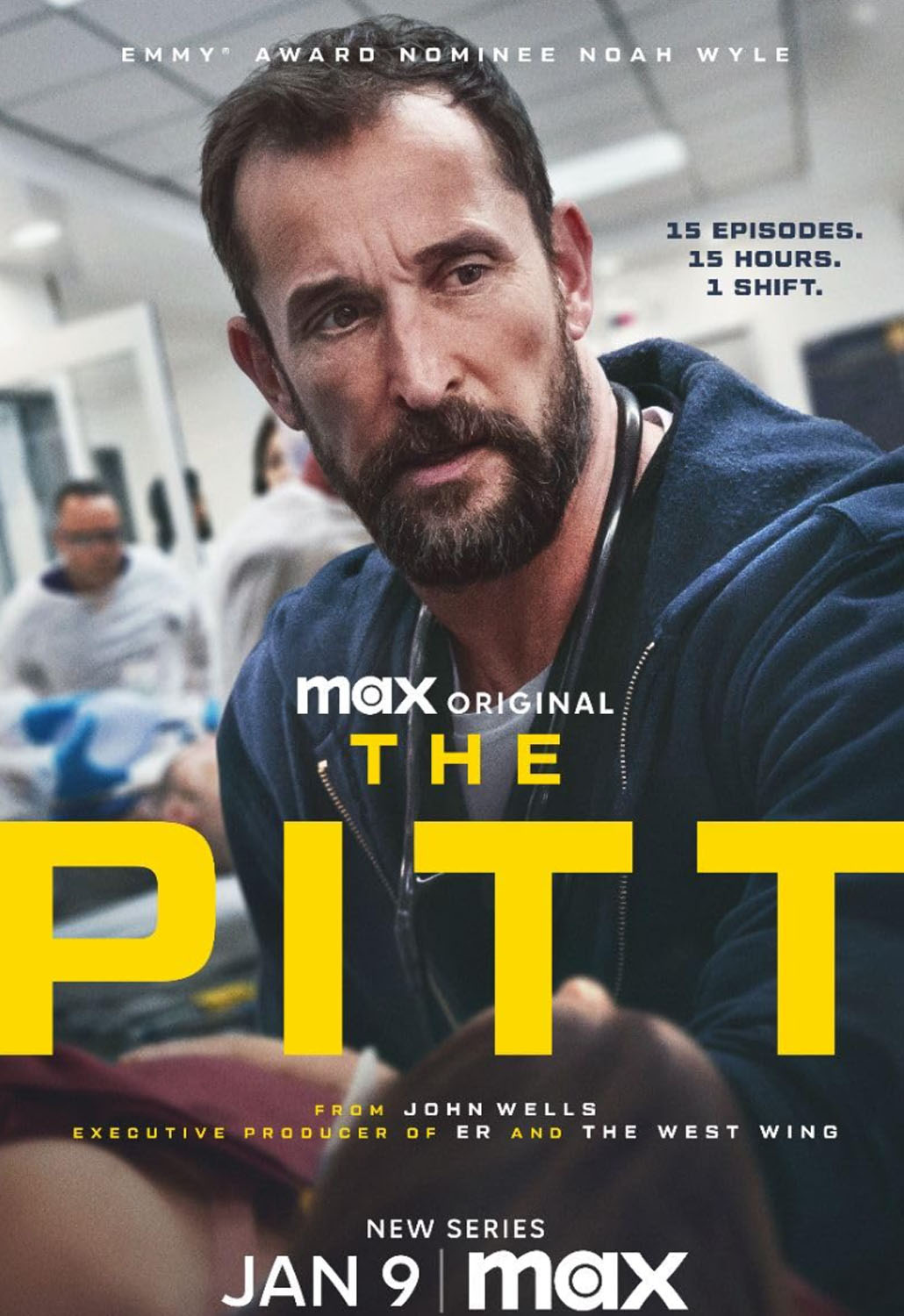
There are several contemporary television shows running in the “is this really hell” stakes, from Severance (is Lumon hell?), to Doctor Odyssey (is the Odyssey ferrying the dead to the afterlife?), to The White Lotus (is the White Lotus where the rich go to have their hearts weighed against feather, but only with an act of suffering they can achieve enlightenment?). But of all the shows that may or may not secretly be set in hell, The Pitt, the breakout medical drama on Max, is the only one that is hell itself.
The Pitt is a relentless, nerve-shredding, heartbreaking depiction of life in an urban emergency department. Filmed in a “real time” style with each episode corresponding to one hour in a twelve-hour day shift at the fictional Pittsburgh Trauma Medical Center—which goes into overtime thanks to a mass casualty event—The Pitt has been praised all over social media by doctors and nurses for its accuracy, not only in depicting medical procedures, but in the daily realities of working in healthcare post-COVID, where patients are varying degrees of rude, ungrateful, problematic, hateful, and violent, and Google means every professional diagnosis is up for debate.
The hospital’s emergency department, somewhat callously referred to as “the pit”, is understaffed and overworked, and on this particular day, it’s especially volatile because senior attending physician Dr. Michael “Robby” Robinavitch (Noah Wyle) is working on the fifth anniversary of his mentor’s death from COVID. Robby was the one who had to give the order to suspend life-saving measures, and he hasn’t worked on the anniversary since. The moment he shows up everyone is outright asking what are you doing here, so there is an early sense that nothing on this day is going to go right. Robby shouldn’t be there, it’s the one day no one expects him at work, but he’s pushing himself to “return to normal” when normal has been blown out of the water.
It's also the first day in the pit for a new group of resident doctors and medical students, including second-year resident Mel (Taylor Dearden), intern Santos (Isa Briones), 20-year-old med student prodigy Javadi (Shabana Azeez), and sweet summer child Whitaker (Gerran Howell), both of whom are so fresh-faced and innocent you just know the pit is about to destroy them. The physical place is an over-bright tangle of rooms and hallways, nothing particularly ominous about it, but by the end of the first hour, as an idea the pit looms like a gaping maw, a dark shadow of infinite hunger where hope and humanity go to die.
Sisyphus is directly referenced, and Robby says with a wry smile, “One must imagine Sisyphus happy.” He is quoting Albert Camus, who compared Sisyphus’s struggle to the absurdity of life, concluding that “the struggle itself towards the heights is enough to fill a man’s heart.” Robby’s career as a trauma doctor is a struggle against catastrophically injured bodies, sickness, and the family members who are locked in their own struggle with reality as their beloved parents and children linger on the brink of death. Noah Wyle is not recycling his performance as wide-eyed Dr. Carter on ER. It’s not just that Robby is older than Carter, it’s that Robby is that Sisyphean figure, doomed to repetitive toil, searching for meaning—happiness—amidst broken bodies, broken systems, and his own broken faith.
No one on The Pitt ever stops to info dump about their personal life, no one is sneaking off to have sex in a supply closet—Robby can barely find time to take a piss during his shift. The Pitt is full of hot doctors having the worst day, everyone is beautiful, and no one has the time or energy to get horny (although it is suggested there was an inappropriate workplace romance in the past). But within the extremely tight writing that only ever parcels out personal information in drips, there are some beautiful interpersonal moments. One of the best comes late in the season when Robby is mid-breakdown and comfort comes from an unlikely source—except for all the ways the writers, which include Wyle among their ranks, seed the idea that there is only one person in the pit who can reach Robby at his lowest. All the little hints along the way only make the moment sweeter when it comes.
There are victories, too, the show is an unrelenting momentum beast, but not every second of the day is tragic. Some patients do get better, some get to go home, sometimes the doctors and nurses do get through to a stubborn family member. But those victories are weighed against all the losses, the bureaucratic nightmare of the US healthcare system, and the post-COVID breakdown in civility. The intermittent rays of light that do manage to break through the pit’s consuming darkness are brighter in contrast, moments that shine with simple humanity, the odd dose of kindness and humor, a community that forms in the wreckage of lives that wash up in the pit.
But they are always pushing that rock up the hill, gaining inches only to backslide by feet. The good moments must be savored because there is always a fresh hell arriving. The pit is the grounds of an unwinnable war—at best, the doctors and nurses can only hold the line. Artists, writers, philosophers, and theologists have imagined what hell must be like for ages, but surely it is just this: a minute-by-minute struggle for life taking place in Death’s own waiting room. Grace is in short supply, the unjustness of fate is inescapable. But still, the doctors and nurses toil, pushing that boulder back up the hill, hoping they can at least imagine themselves happy.
The Pitt season one finale will premiere on Max on April 10, 2025. All other episodes are now streaming on Max. In Canada The Pitt is streaming on Crave.