Intro for October 4, 2024

– 4 min read
Dear Gossips,
Yesterday, Variety published a feature on how movie studios are responding to the rise of “toxic fandom”, the phenomenon of fans attacking films and TV series for reasons often described as “relentlessly negative, often bigoted online campaign[s]”.
It’s an interesting read, with some unnamed sources in film and TV marketing talking about the steps they take to deal with it, such as social media bootcamps for talent, and even creating superfan focus groups to test marketing materials. Seasoned industry veterans acknowledge these negative sentiments have likely always been around, but the internet and especially social media created one hell of a bullhorn to promote the loudest, ugliest voices. And it’s interesting that the article, written by Adam B. Vary with an assist from Marc Malkin, acknowledges some people didn’t even want to discuss the issue…lest they attract the ire of toxic fans.
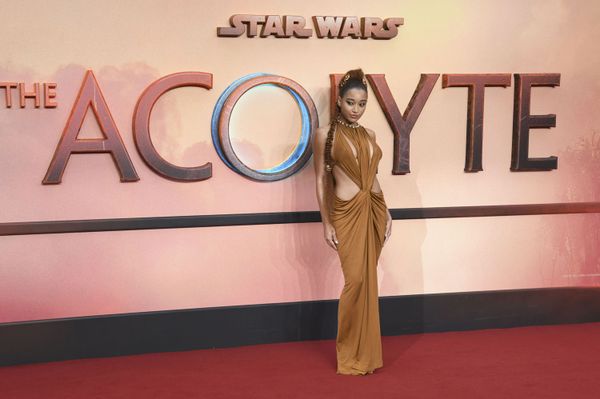
But there is still a streak of—something—in this article that bugs me. I’m not sure if it’s naivete, or just a willful refusal to call a spade a spade. Because while Vary notes that toxic fandom is often bigoted in its nature, they don’t actually just say it—that is the ENTIRE problem. Think about all the instances of review bombing, social media hate campaigns, and the Youtube “fail” economy—who is the target of all that hate? It’s not white guys named Chris. Ewan McGregor and Hayden Christensen didn’t get targeted by online mobs when Obi-Wan came out, Moses Ingram, the Black female lead, did. Similarly, no one yelled at Carrie-Anne Moss for The Acolyte, they yelled at Amandla Stenberg.
The Last of Us wasn’t targeted for its depiction of fungus zombies, it was targeted for a single episode centered on a queer love story (carried over from the games), and I am GENUINELY scared of what awaits us if and when the series introduces trans character Lev, who absolutely should make the leap to the show, I’m just dreading the inevitable toxic fandom backlash. Because I know who the target of these “fans” is, and it’s not white people or straight people. Which is the line the Variety tiptoes up to but won’t quite cross. You can’t even pretend there’s a both sides here, because there isn’t. Toxic fandom isn’t a problem of passionate fans getting out of hand and SOMETIMES turning mean, it is ALWAYS a problem of racism, misogyny, and queerphobia.
Superfans who are unhappy with how their favorite movies and series turn out make unhinged multi-hour deep dive videos on Youtube explaining where they think their favorite thing went wrong down to the tiniest plot points, but what they don’t do is say, Well, they introduced a Black character in season three and that was the end of everything good. Or superfans bury themselves in fanfic, “correcting” the perceived wrongs of their favorite thing. The explosion of the “Marauders” fandom is basically a direct response to JK Rowling’s transphobia, it’s a blatant attempt to claim Harry Potter for queer fans. (The “Marauders” are the parental generation of James and Lily Potter, and follows James, Lily, Sirius Black, Remus Lupin, et al in their own Hogwarts days and beyond. It is deeply queer. Take back your fandom, Marauders!)
What they DON’T do is target actors online or make ninety videos explaining why everyone in Hollywood hates Brie Larson. That’s the difference between toxic and superfans. Superfans can be won over. They WANT to be won over. They want to like things, and group together with other people who also like that thing and devote their energy to a thing-centered lovefest. Toxic fans, however, can never be appeased. I don’t get from the Variety article that anyone understands that, and if they DO understand it, they won’t admit it, which is just as bad. The only way to “defeat” toxic fandom is to call it what it is—inherently bigoted and incurable from a movie studio standpoint.
These are not the people to cater to, and you can’t impress them or convince them your gay magic lady show is good, actually. Issuing official statements condemning toxic behavior is good from a talent relations standpoint, showing solidarity with someone receiving that level of hate, but it doesn’t do anything to abate the actual behavior. Ewan McGregor saying racists are not real Star Wars fans was meaningful to show support for Moses Ingram, but it’s not like racist fans suddenly went, Obi-Wan is right, let us welcome Black women into Star Wars with open arms. They just went harder at Amandla Stenberg.
Toxic fandom is not going away any time soon, and I’m not sure what the right answer is to deal with it. It can’t be “don’t feed the trolls”, because that just gives the trolls more room to operate. And it doesn’t work, anyway. I have never in my life clicked on a video with Brie Larson and “hate” or “fail” or any other negative word in the thumbnail, but that sh-t shows up in my algorithm all the time. Because we know controversy sells. One way to tackle toxic fandom would be to demonetize it, but good luck getting Youtube or any social media platform to go along with that. As long as there is money to be made, toxicity will persist.
Live long and gossip,
Sarah