Charlie Sheen’s way back

– 7 min read

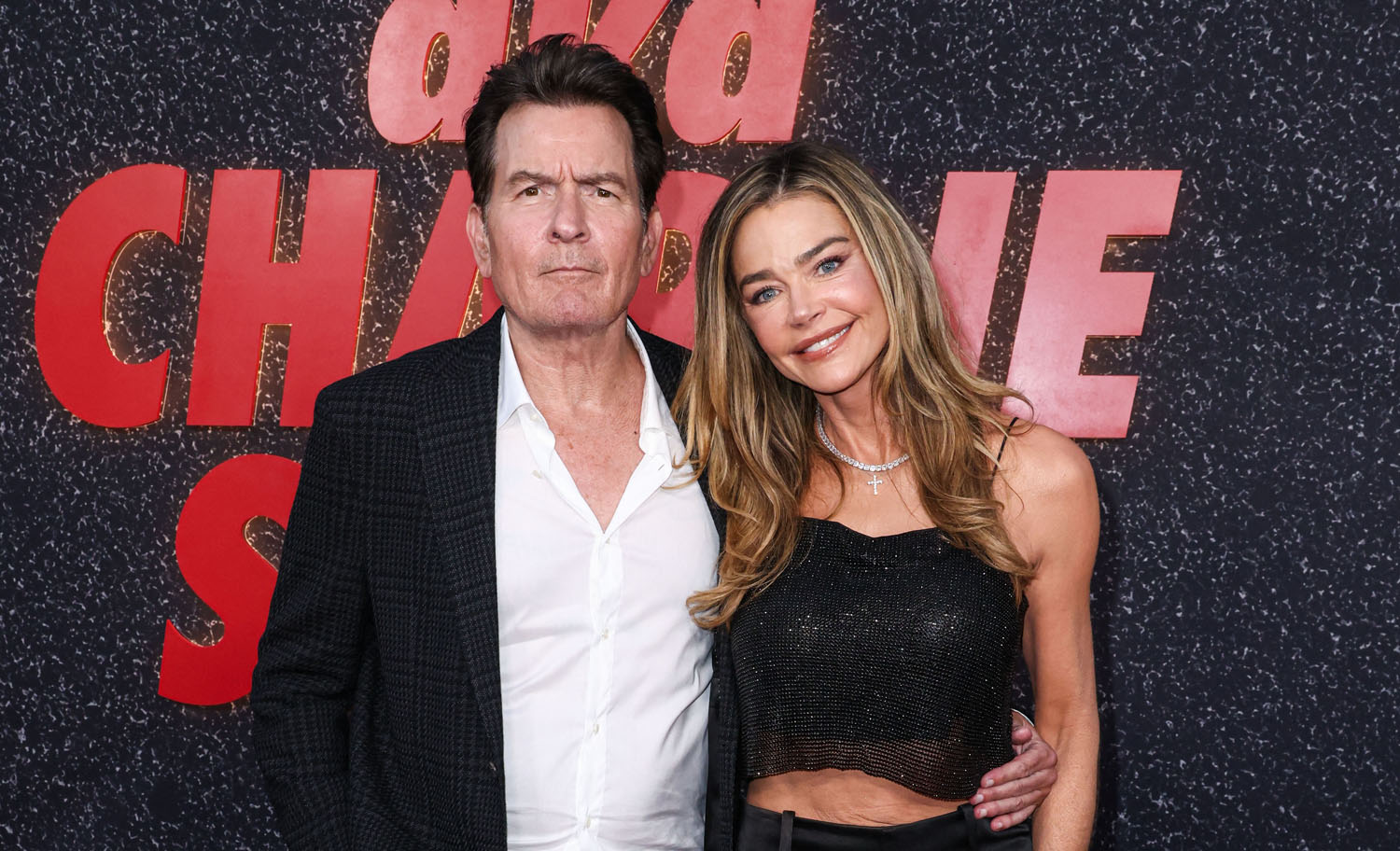
Aka Charlie Sheen, the two-part documentary about the life and times of Charlie Sheen, made its debut on Netflix earlier this month. Despite knowing how wild Charlie’s reputation has been throughout his career, some of the stories and anecdotes he shared still came as a shock as he reflected on his seemingly impenetrable career.
Stars like Chris Tucker, Jon Cryer, Sean Penn, and his ex-wives and mothers of his children, Denise Richards and Brooke Mueller, all appeared in the documentary, sharing their own accounts of having known, worked with, or been married to Charlie. His dad, Martin, and brother, Emilio, both of whom have been credited with keeping him from becoming a casualty of his excessive drug use over the years, were notably absent from the series after declining to participate.
By cataloguing Charlie’s life in the format of this documentary, producers were able to humanize one of Hollywood’s most colourful characters. But in the process of humanizing him, viewers are faced with the question of not only why he had so many chances, but how, despite continually making colossal mistakes that devastated everyone from friends to family to colleagues, he managed to become the highest-paid actor in history at the height of his career. And it appears that in a lot of chatter about the doc, people are crediting his success to…luck.
But for me, watching the documentary, two things are very clear. First, it’s Charlie’s privilege. Despite being born an Estevez like his brother Emilio, he followed in the footsteps of his father, changing his surname to Sheen. This change was a big step in detaching him from his Spanish ancestry. And fitting into a European standard of ‘beauty’, it made it easier for him to routinely get off the hook. The second thing that becomes clear is that the people who suffered the most from Charlie’s actions were the women and children and the people of colour he had in his circle.
Early in the documentary, Charlie recounts an incident in which he and Nicolas Cage are on an airplane. Nic gets a hold of the intercom and announces himself as the pilot, essentially telling passengers the plane was going down, which caused great panic. This was a stunt that neither the pilot nor the half dozen law enforcement officials waiting for them on the ground found funny. And despite having an ounce of cocaine attached to his leg, he and Nic got off without issue.
Charlie is asked, and not for the first time throughout filming, if this was just another one of the “perks of the job”, to which Charlie seems to agree. But to me, it’s a lot more than just the upside of being famous. Because if that were true, famous people that don’t look like Charlie might also benefit from the same privileges. But as we know, that’s simply not true.
At one point, there is a comparison made between Charlie and Tiger Woods, in the wake of his cheating scandal. When word of Tiger’s infidelity got out, he was put through the wringer. But it appears that when it came to Charlie, we were all just okay with his antics and sexcapades, despite the damage they were inflicting on the people in his life.
When it comes to the people who suffered the most, it wasn’t just his ex-wives, but former friends, too, like Heidi Fleiss, who used to help facilitate the sex workers Charlie was known to spend time with. Charlie explained that his payments to her were typically made in cash. But after one encounter, he asked if it was okay that he pay by cheque. And in doing so, it led to criminal charges against Heidi for running what she called an “illegal consensual sex empire”. He, too, would have been in legal trouble if he did not provide law enforcement with her name. But…he snitched.
“He’s a crybaby rich boy. He’s a rich kid from Malibu, they’re not gonna do sh-t to him. He was at his peak. They’re not gonna do anything to him, are you kidding me?” Heidi Fleiss says in the documentary, having received a three-year prison sentence, and that Martin Sheen appeared at her home one day, asking that she “go easy on Charlie” during the court case.
Denise Richards shared the heartbreaking story about her failed marriage to Charlie, blaming part of their breakup on the success of Two and a Half Men.
“As soon as the show started getting really successful, I think the pressure of that changed him. It was almost as if he was sabotaging his success and sabotaging our family,” Denise explained.
“He got very aggressive. I mean, what I went through, what he did put me through, I don’t know how I’m here to be honest. I think the only way through tragedy, what I was going through, the only way through was having a sense of humour because it was so bad,” Denise said, describing Charlie taking baseball bats to TVs at times. “It was a lot.”
The idea that Charlie was self-sabotaging was a thought also echoed by his Two and a Half Men co-star, Jon Cryer, who spoke candidly about the pressure that came with his livelihood being dependent on Charlie’s ability to be stable and consistent. “There’s a part of him that throws it all away to see if he ever deserved it,” Jon said.
In discussing his introduction to crack cocaine, Charlie explained that the first time he used it, he was receiving oral sex from a woman. During his experience, he described being of two minds. One, excitement, as if everything made sense. But the second feeling was fear over how deep into addiction he might fall. The woman he was with that night ended up fatally overdosing right around the time of her 30th birthday. “Such a waste,” Charlie said after sharing the story.
The picture this story paints is one I’ve discussed in the past, which is that privilege plays a huge role in recovery. And with a father who was always ready to try to manage the press coverage of his son’s latest drug-fuelled blow up, and a seemingly endless reserve of money, Charlie is lucky enough to be eight years sober now, when the same cannot be said of so many of the people Charlie used drugs with over the years. While his sobriety is a wonderful thing certainly worthy of celebration, there seems to be a lack of atonement for what transpired during the years of him being in active addiction.
“Because of the problems Denise and I had when Lola was born, I didn’t have a chance to, in her early part of her life, to really bond with her,” Charlie said, reflecting on his relationship with his daughter Lola, who also sat down for an interview.
“I always wanted him to be sober when I was growing up. Just because you can’t have a real relationship with someone who’s going through addiction,” Lola said.
He didn’t fare any better in his marriage to Brooke Mueller – and they each reflected on the night he allegedly threatened her with a knife one Christmas. Charlie got off thanks to Brooke recanting her statement.
“I remember the D.A. being very upset with me. If I didn’t recant my story, he could’ve gotten into a lot of trouble,” she explained. “Not only was he my husband but I was so incredibly screwed up on serious drugs for such a long time that I couldn’t sit there and say, ‘I know for a fact that this is what happened, and this is how it happened.’”
And then there’s his lifelong friend Tony Todd. Despite the difference in skin color and lifestyle, with Tony being a non-drinker, non-smoker and a non-user, Tony had been with Charlie since childhood, serving as a constant source of support and comradery. Yet somehow, he was accused of just being there for the party.
“He would get a lot of criticism by a lot of people…about he was just around me for the fun shit. The bonuses, the trips. I think he went also knowing that this group ain’t gonna handle any of the stuff that he’d be looking for. I was glad that he was there, down the hall in case shit went bad, But I did always feel that he deserved to be in the presence of better things,” Charlie explained.
There are so many dangerous and racist stereotypes in how Tony’s role in Charlie’s life has been interpreted and none of them could be further from the truth. And there were subjects in this documentary that really needed a deeper dive. The rape allegations from Corey Feldman, the shooting of his ex-girlfriend Kelly Preston, his abuse towards Denise and Brooke. The mentions of these just seem like drivebys. And knowing that production staff on Two and a Half Men would call Denise to do wellness checks on him is diabolical.
She described pounding on his door, coming in to make “white trash sandwiches” for Charlie and his companions. But this is how women are still expected to perform emotional and physical labour for men, even when they’re not our partners anymore.
Part of the problem lies in exactly the message that Martin delivered to Heidi that day. The encouragement for people to be ‘easy’ on a man who often went out of his way to make things hard. Hard for himself, hard for the people he worked with. Hard for his family. Hard for his own children.
In this way, it’s interesting how documentaries can simultaneously work to both humanize and reveal the inner workings of monstrous behaviour. Because in learning about what was happening behind the scenes, it also helps us properly contextualize just how heinous it all is. But it also begs some big questions. What is the point of this documentary? Why now? Did he need money? Is he signalling to Hollywood that he’s open for business?
It’s anyone’s guess whether this was his final act or whether he plans to use this as a launching pad for his umpteenth act. And it’s anyone’s guess how he’d be received if he were to make a comeback. But the fact is that it’s really not that big of a stretch of the imagination to think that after everything, he could still make a triumphant return, which is a true indication of privilege. His wealth, his proximity to whiteness, having a famous and beloved dad are all factors that allowed him to move through life with ease, and in his case, inflated power. And that? Well, that’s privilege for you.