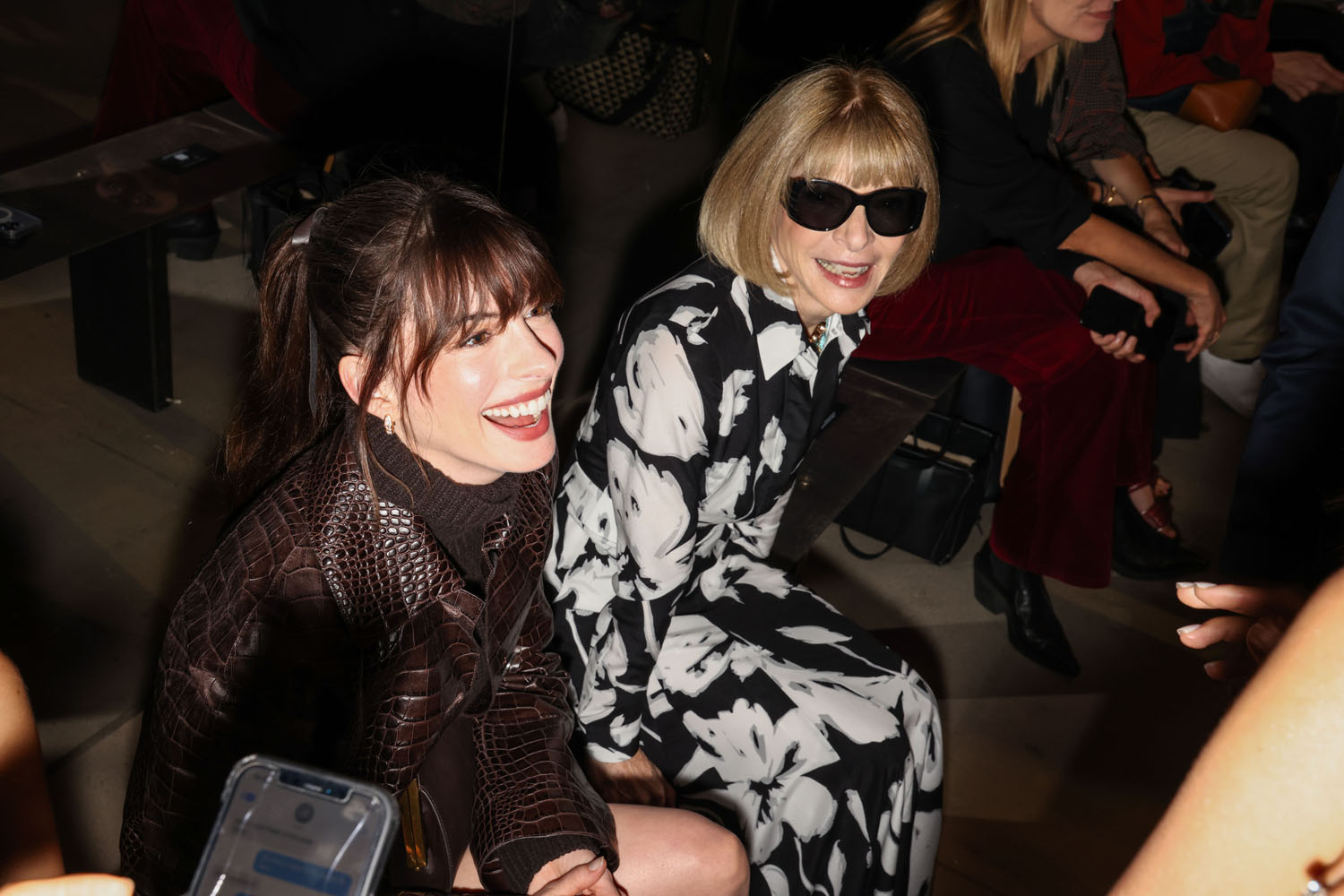
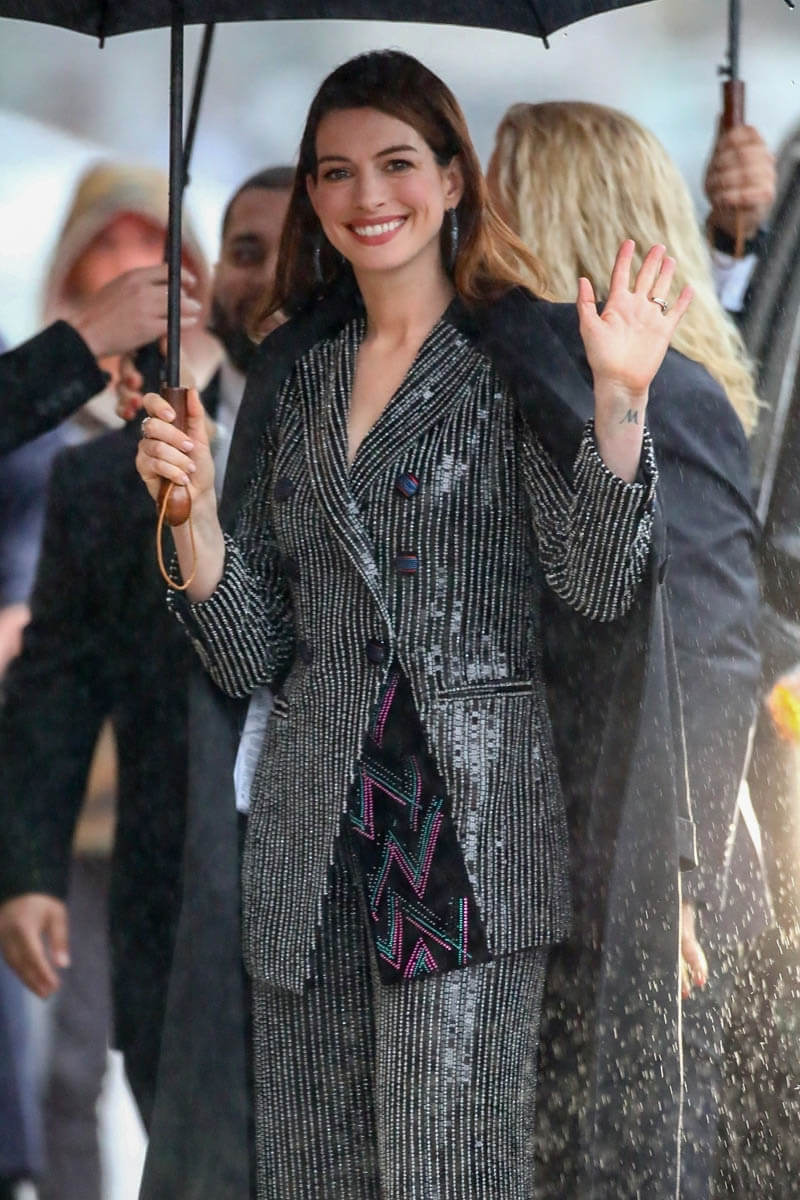
Anne Hathaway gives homework

– 4 min read

One of the biggest surprises that I’ve learned about myself in adulthood is that I like homework. This was not me in school – hated homework, and I was lucky, I was able to pick up concepts in conventional learning environments, so I could be that student who crammed at the last minute and ended up not failing. When I did fail it was because I just stopped showing up and literally skipped out on all assignments and tests. This is why I live in regret, because if I enjoyed homework then the way I enjoy it now, I could have had so many more academic opportunities.
But maybe it’s because homework as a grownup is elective. For example, there is new homework in my life right now as I’ve just started language classes. It’s a couple of hours of studying a week plus two coaching calls for another hour, and assignments that are graded. And I’m excited about this – because it was my choice to do it. When you’re young though, and it doesn’t feel like a choice, the motivation is different, of course.
I’m talking about homework because in her new Harper’s Bazaar cover story, Anne Hathaway actually assigned homework to Leah Chernikoff who was reporting the story. It’s to read the open letter that Arsenal’s Gabriel Jesus wrote about his injury and recovery and the insight that came out of what he expected to be a low point in his life and career. Annie has been a longtime Gooner but there were takeaways for her from that letter that extended beyond football. It was about perspective and the learning that can come from slowing down.
This has resonated with me because, while I just talked about homework, having homework doesn’t necessarily mean becoming busier. For me it’s been about letting go of some things to make room for others – instead of what it used to be: doing it all. That comes up in the interview with Annie too, which of course has been timed for the upcoming release of The Devil Wears Prada 2. It’s now been a decade since “leaning in” defined feminism – which in hindsight seems, at best, overly simple. Reckoning with the limitations of girl boss feminism has, in some corners, given way to more nuanced conversations about ambition and expectation.
Women’s ambition was, a decade ago, more broadly defined as basically “having it all”. But ambition can take shape in more focused ways. We can be ambitious in the one thing that we do, instead of applying ambition to doing all the things. For me, personally, as a woman of a certain generation, and a child of immigrants informed by necessity and the idea that EVERY opportunity must be explored, it has been over the last few years an often uncomfortable process of reflection on how to be ambitious, but in a more fulfilling way.
Much of what Anne talks about in this interview relates to how she’s experiencing this shift. While also, obviously, not compromising on effort and hard work. That, for me, was challenging to unpack and reframe: the idea that working hard was a concept of scale; that hard work only counted if you were working hard, non-stop at everything, and not if you worked hard on a dedicated thing.
Anne Hathaway has always been a try-hard work-hard, this will never change. But she can now be more selective about what she tries for and works hard for. I know this entire post seems like the most basic bitch discussion ever, duh, but at least in my world, among the women I know, it’s so difficult to put into practice, to actually believe that hard work can be more specific and targeted as opposed to a blanket lifestyle.
Reading about Annie’s trying, though, crystallised what I’ve been noodling for a while, though smarter people have likely already figured it out, I’m just way slower on the pickup. As a celebrity, Anne’s least popular period came after she hosted the Oscars with James Franco and then won her own Oscar – because she was accused of wanting it too bad and trying too hard. Later though, trying too hard came back into favour in pop culture, it was no longer cool to be too cool to try.
But now, once again, especially during these times of TikTok, when the greatest fear of the younger generations is to be “cringe”, trying hard seems, again, to be abhorrent. Because of the risk of cringe. When we try our hardest, it’s part of the deal, failure is always possible. We can recover, we can take the lessons that come from flopping, but the act of trying is always accompanied by the chance of failing and/or embarrassing yourself. That’s the realisation then in terms of understanding where the pendulum has swung – an avoidance of cringe has resulted in a lack of try. But are we better for it?
Click here for more of Annie in Harper's Bazaar.
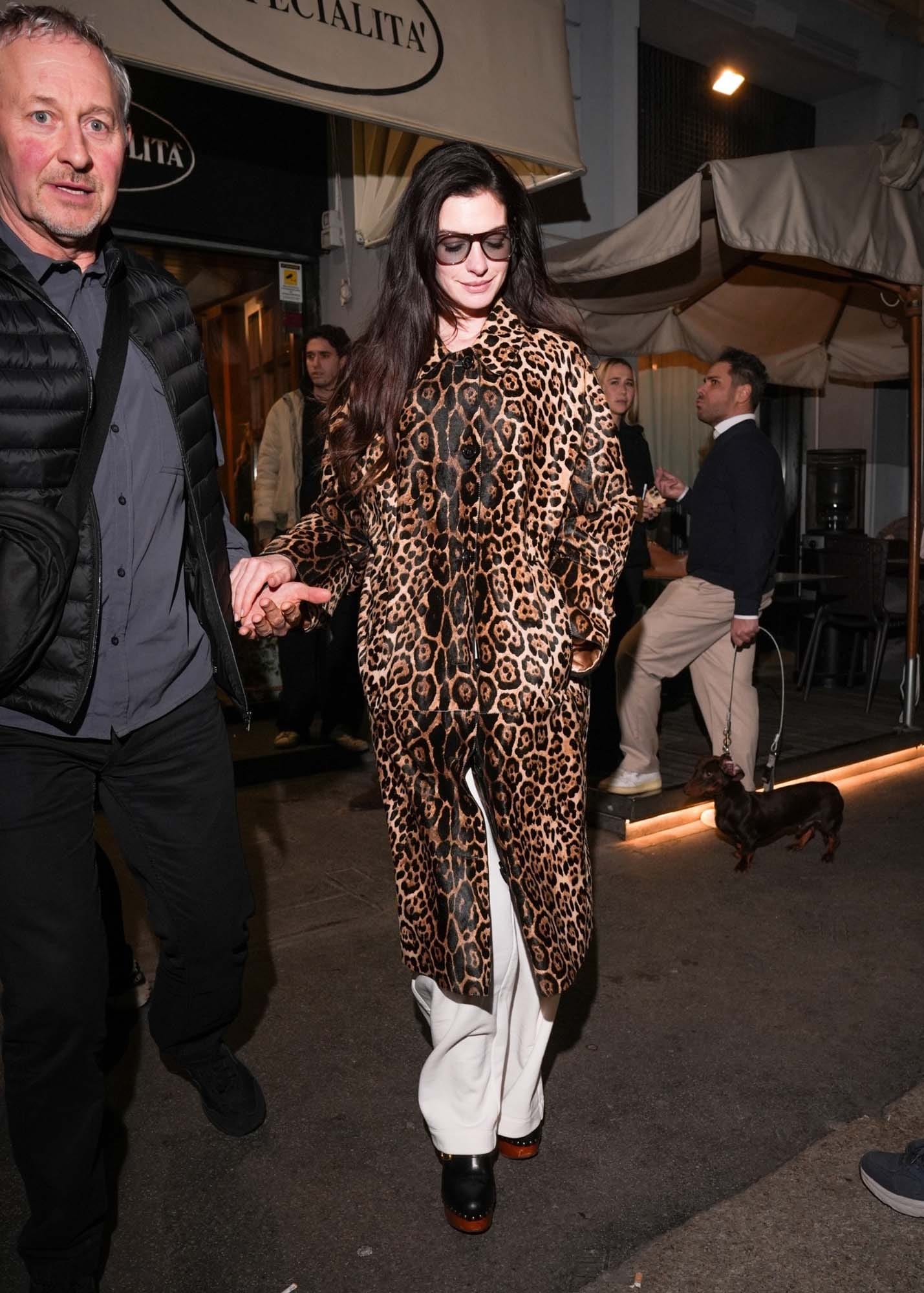
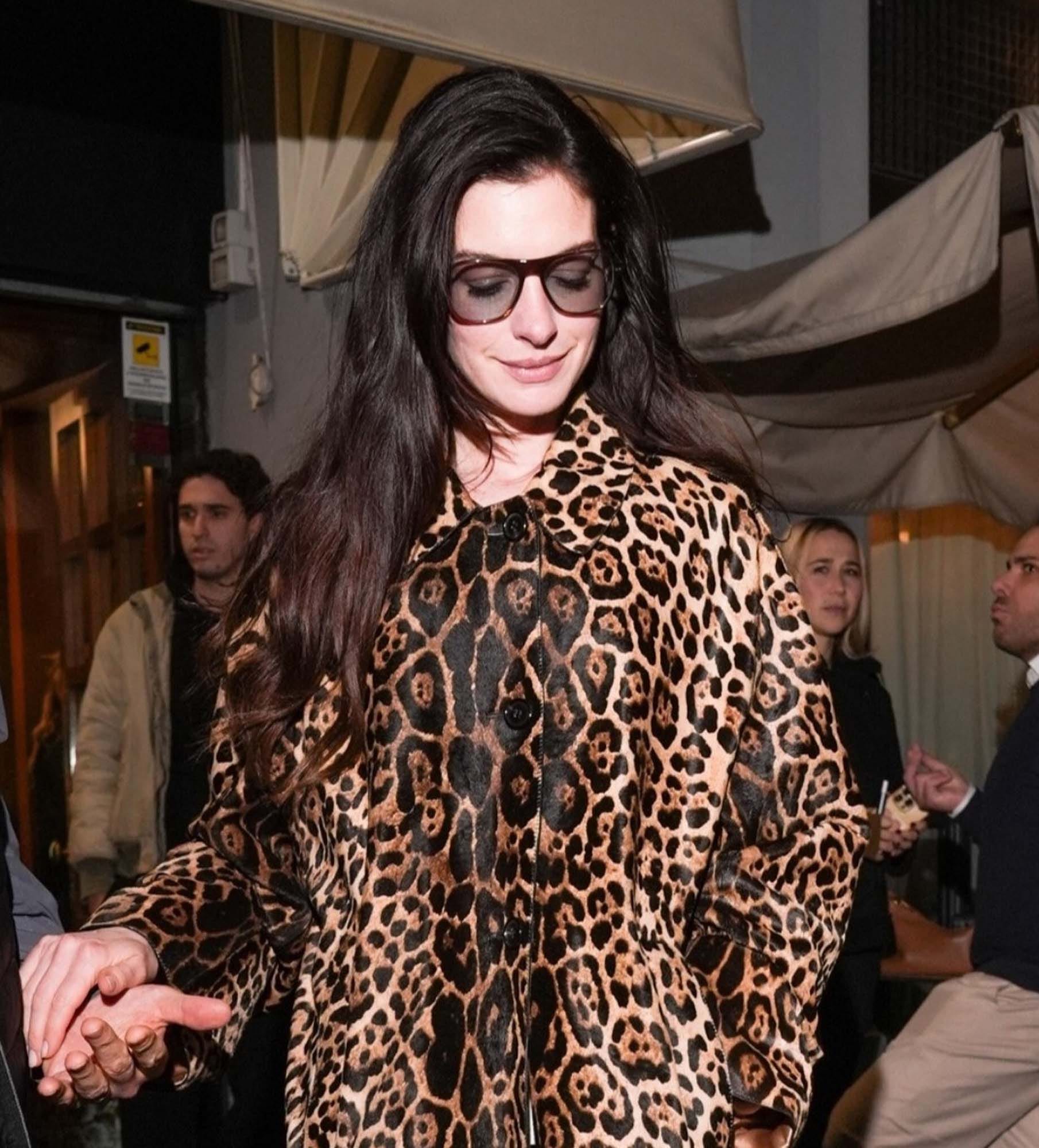
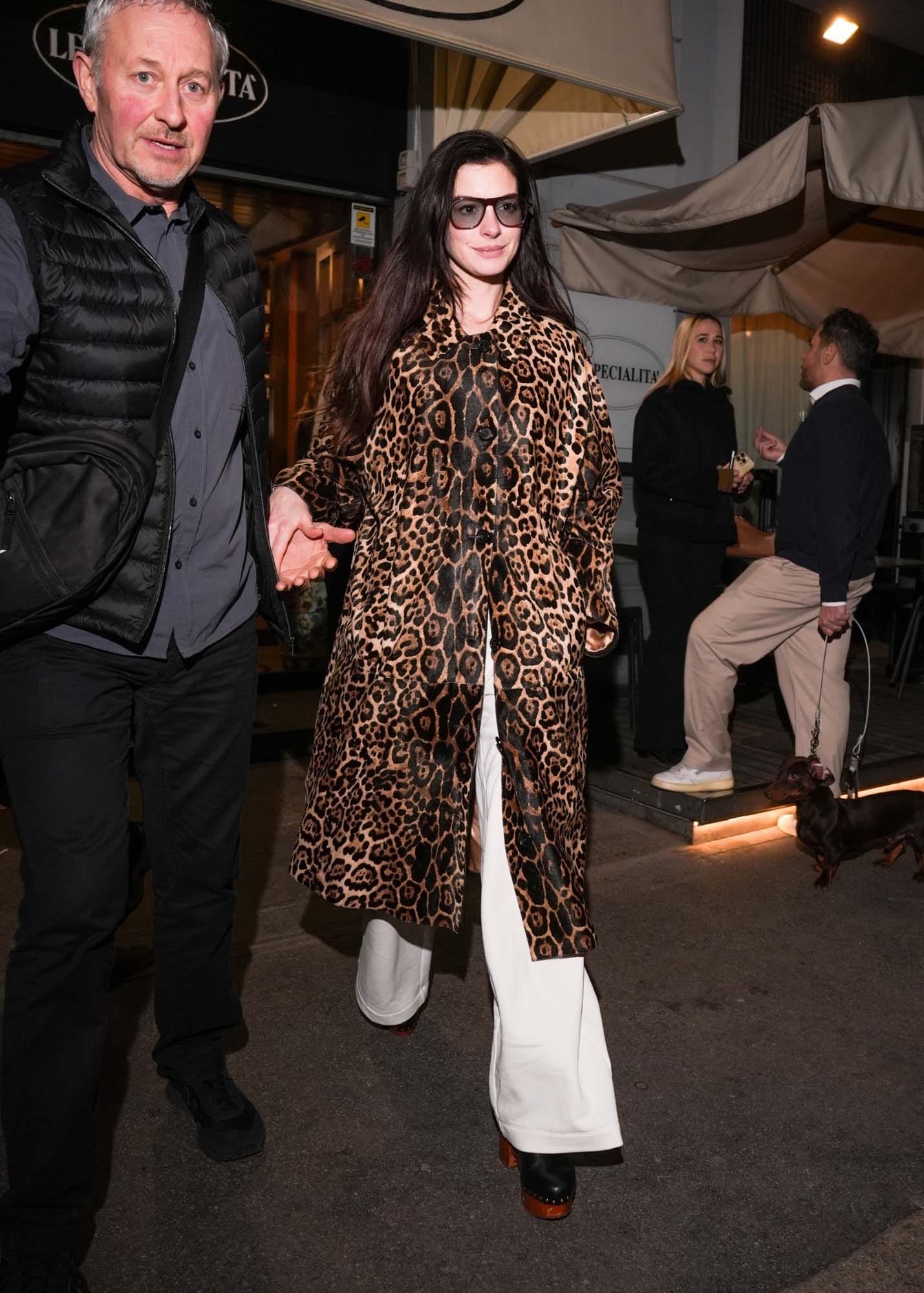
Anne Hathaway out for dinner in Milan, March 22, 2026