Intro for September 27, 2024

– 4 min read

Dear Gossips,
We have been talking about child stars and the impact of fame on kids recently, with Demi Lovato’s documentary about child stardom, the docuseries about Nickelodeon, and Jennette McCurdy’s memoir about her youth in Hollywood. Skirting the edges of all of that, though, are kids who are social media famous, a phenomenon of the last fifteen years which is often not included in the conversation about child stardom.
Yesterday, though, the state of California took steps to include social media kids in the protections afforded to kids in traditional entertainment. Governor Gavin Newsom was joined by none other than Demi Lovato as he signed two bills into law.
California is taking a stand with @DDLovato to protect child influencers on social media.
— Governor Gavin Newsom (@CAgovernor) September 26, 2024
Under new state labor laws, child creators on all platforms will now get a trust fund for their earnings that are accessible when they turn 18. pic.twitter.com/ezTGbYIChz
One of the bills expands the Coogan Law, which was first constituted in 1939 after Jackie Coogan found his parents squandered most of his fortune earned as a child star, to include online creators. That law specifies 15% of earnings must be set aside for minors performing in the entertainment industry, and now, too, the vlogging industry. The other bill is essentially the Coogan Law for influencers, requiring creators who feature children in at least 30% of their output to set aside a percentage of their gross earnings in a trust account for minors, just like the Coogan Law. Basically, the Coogan Law was expanded to include performers who are hired on contract for online/social media projects, and the new law, called the Child Content Creator Rights Act, is meant to protect kids who are featured online not under contract, such as kids included in their parents’ videos.
Not to brag, but Illinois was actually the first state to pass a law protecting child performers on social media.
It’s a step in the right direction, especially since the new law includes a requirement that creators document how long kids are in their videos, and how much income the video earns, overall. That should come in handy for any future court cases about kids featured on social media only to grow up and have nothing to show for it.
But this is hardly the extent of what needs to be done to protect child performers, because compensation is only one piece of the puzzle. A HUGE piece is whether or not there should be child performers at all. I do think there’s value in kids seeing themselves on screen, but how and when kids work is still a problem, despite the basic protections provided by the Coogan Law—and influencer kids still don’t have real limits placed on how much they can work.
I’ve heard some people propose that kids only work during the summer, essentially turning acting into a summer job. I like that basic idea, but I don’t know how practical it is. Movies and TV shows don’t only get made during the summer, and your production schedule often depends on when certain resources are available. I think the first step is asking if your story REALLY needs a kid, but if it does, then I think a ninety-day annual limit should be applied.
For instance, a kid could work three months in the spring, perhaps missing one semester of school. But that’s it for the year. That summer and fall, they’re just a normal kid doing normal kid things. Or a kid could work ninety days in the fall, and ninety days again in the new year, but they would then be maxed out in the new year. Come autumn, they’re in school with everybody else. Or they could work a few days here, a couple of weeks there, throughout the year.
However you slice it, a ninety-day cap means at least part of the year, that kid is in school, mingling with their peers and getting something resembling a worthwhile education. I cannot count how many child stars have said they felt cheated of a real education because all they got was on-set tutoring, which is often lackadaisical at best. Capping the number of days a kid can work each year would allow for some quality school time. And friend time!
That’s just one idea. I’m sure other people have other, better ideas. My fear, though, is because ANY law got passed at all, everyone will pat themselves on the back and consider the job done. But financial protection is only one facet of what child performers need, and even then, the Coogan Law has never been perfect. Plenty of kids sacrifice their childhoods and still have little to show for it. The next steep needs to be considering what child labor looks like in the entertainment and content creation industries. Because that’s what this is. Child labor.
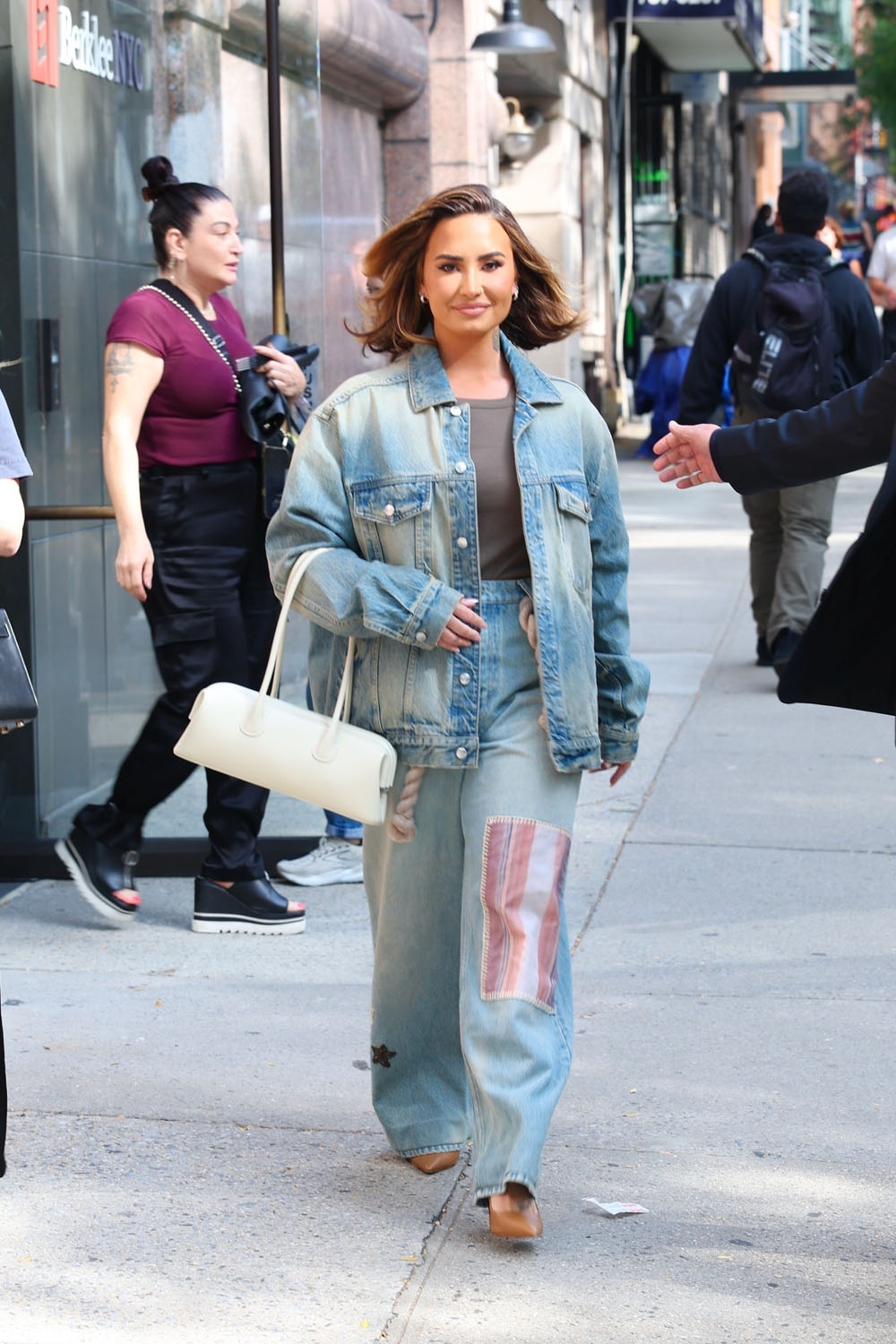
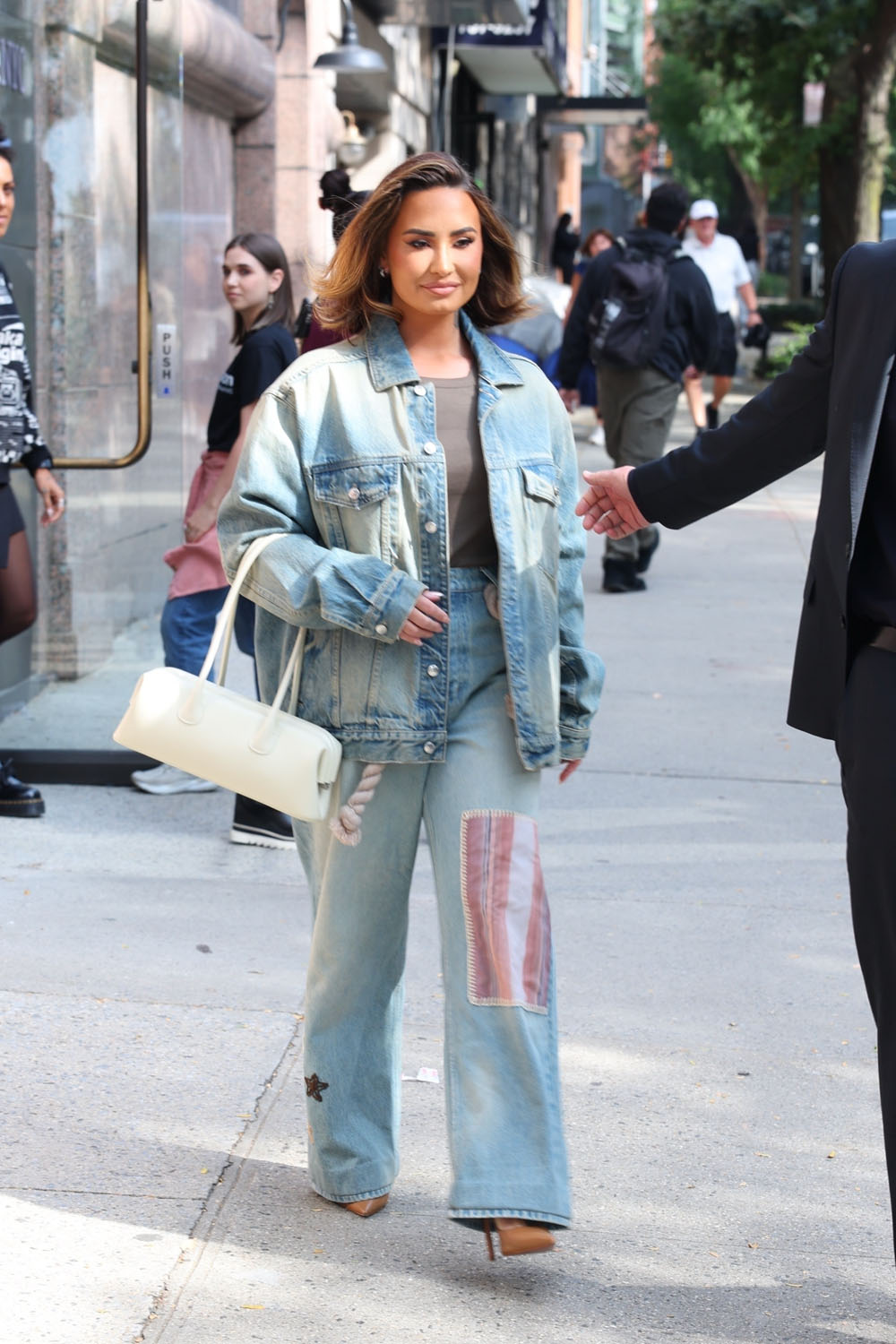
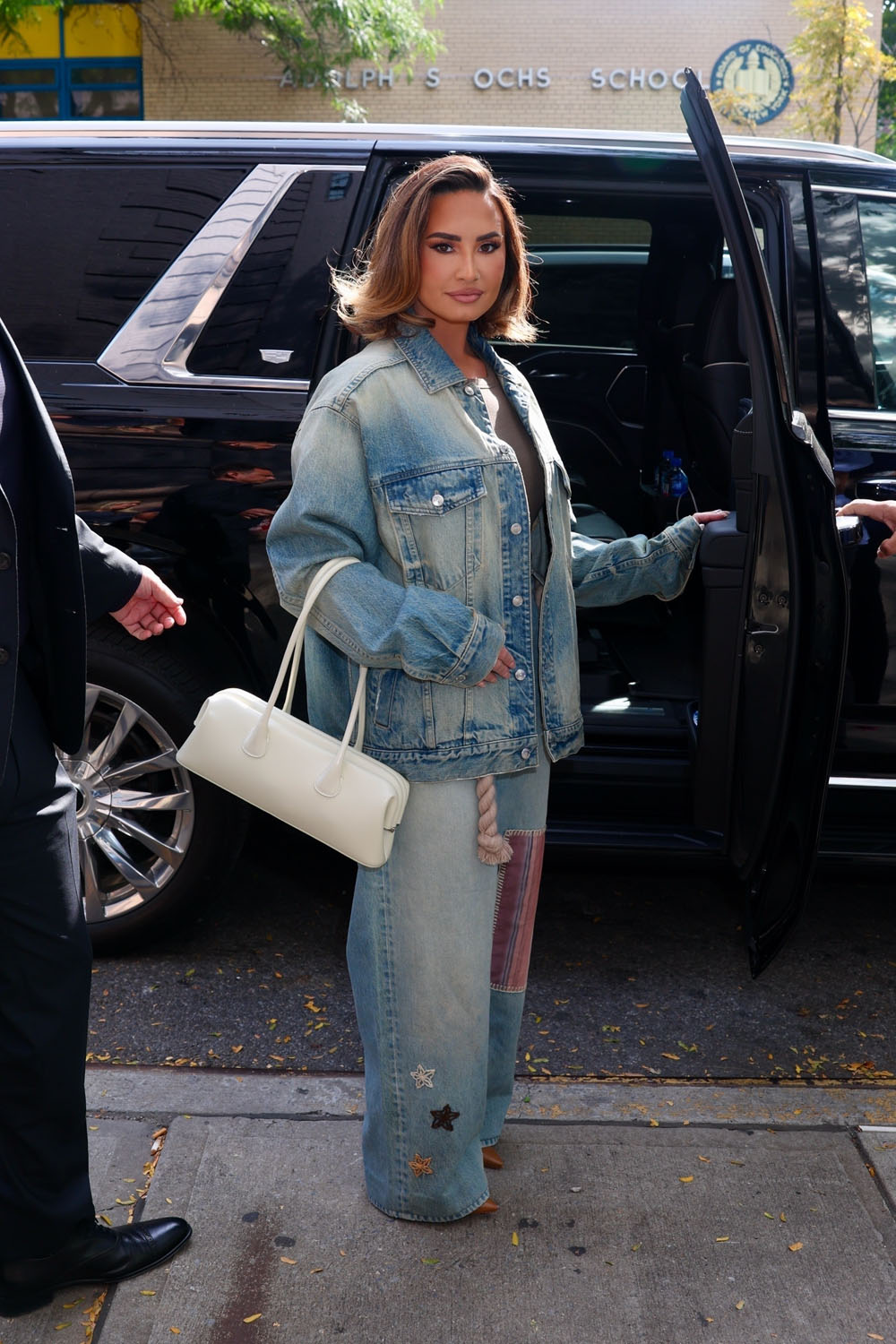
Here's Demi in New York last week.
Live long and gossip,
Sarah