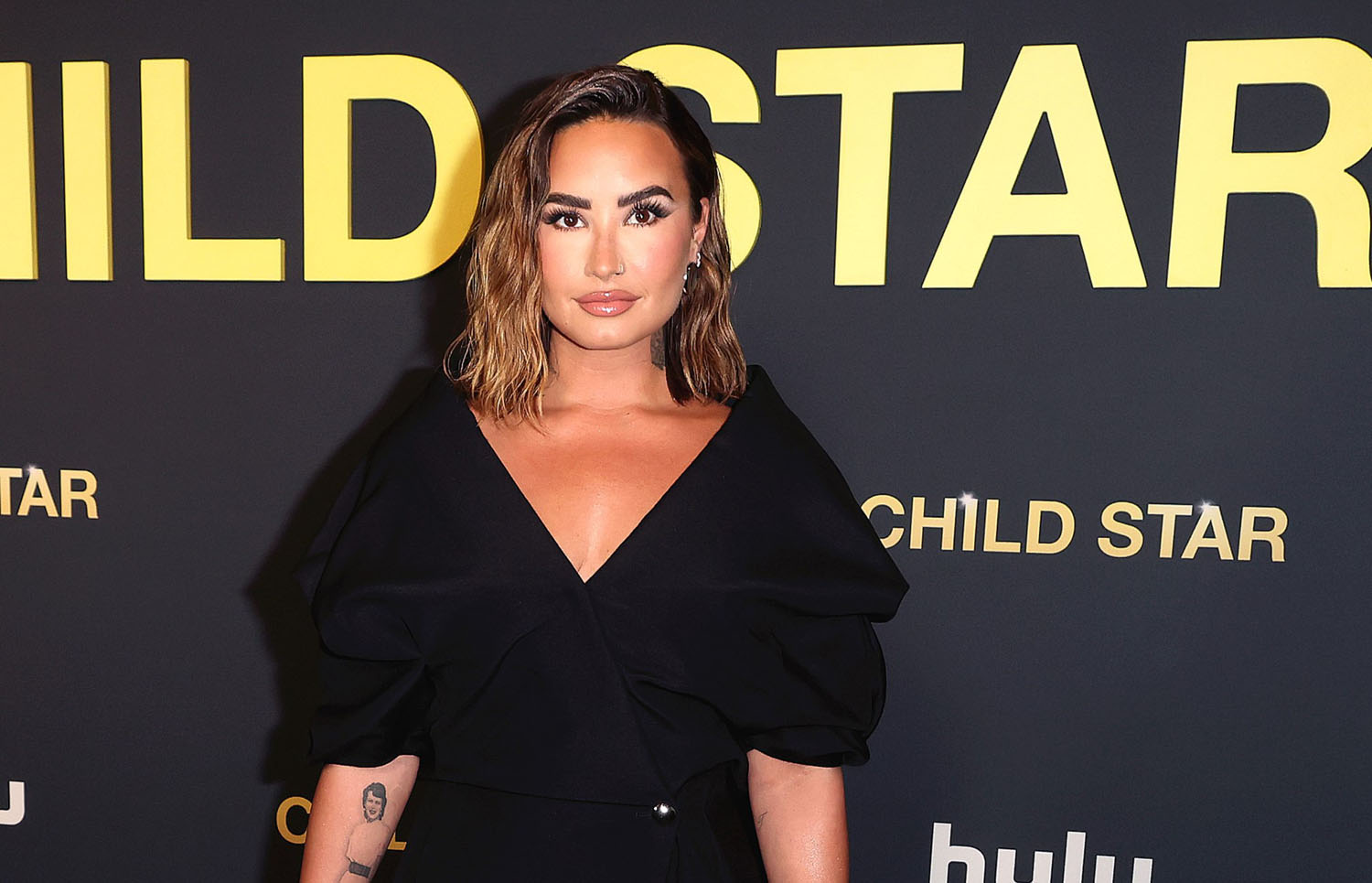
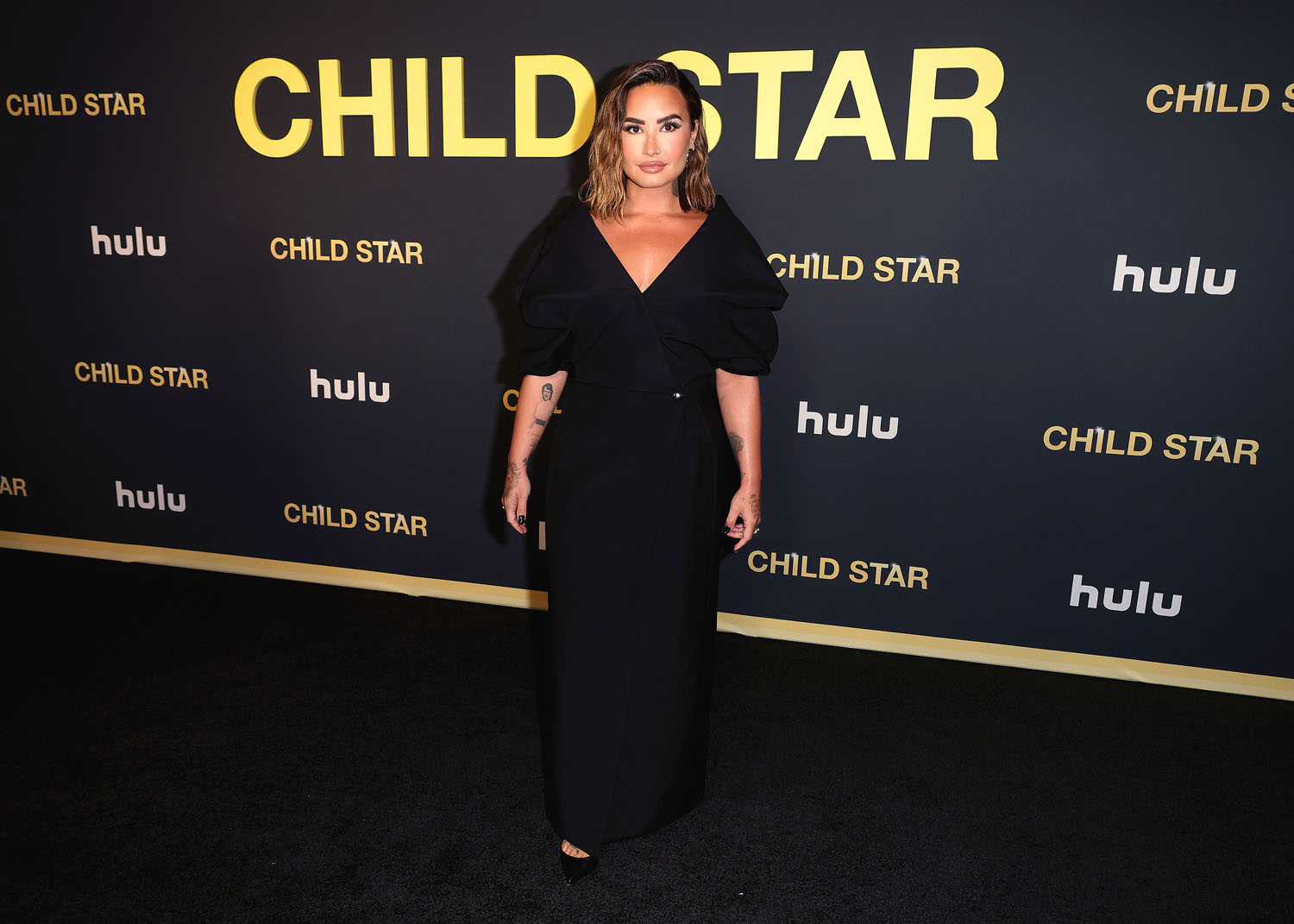
Demi Lovato is for the kids

– 5 min read
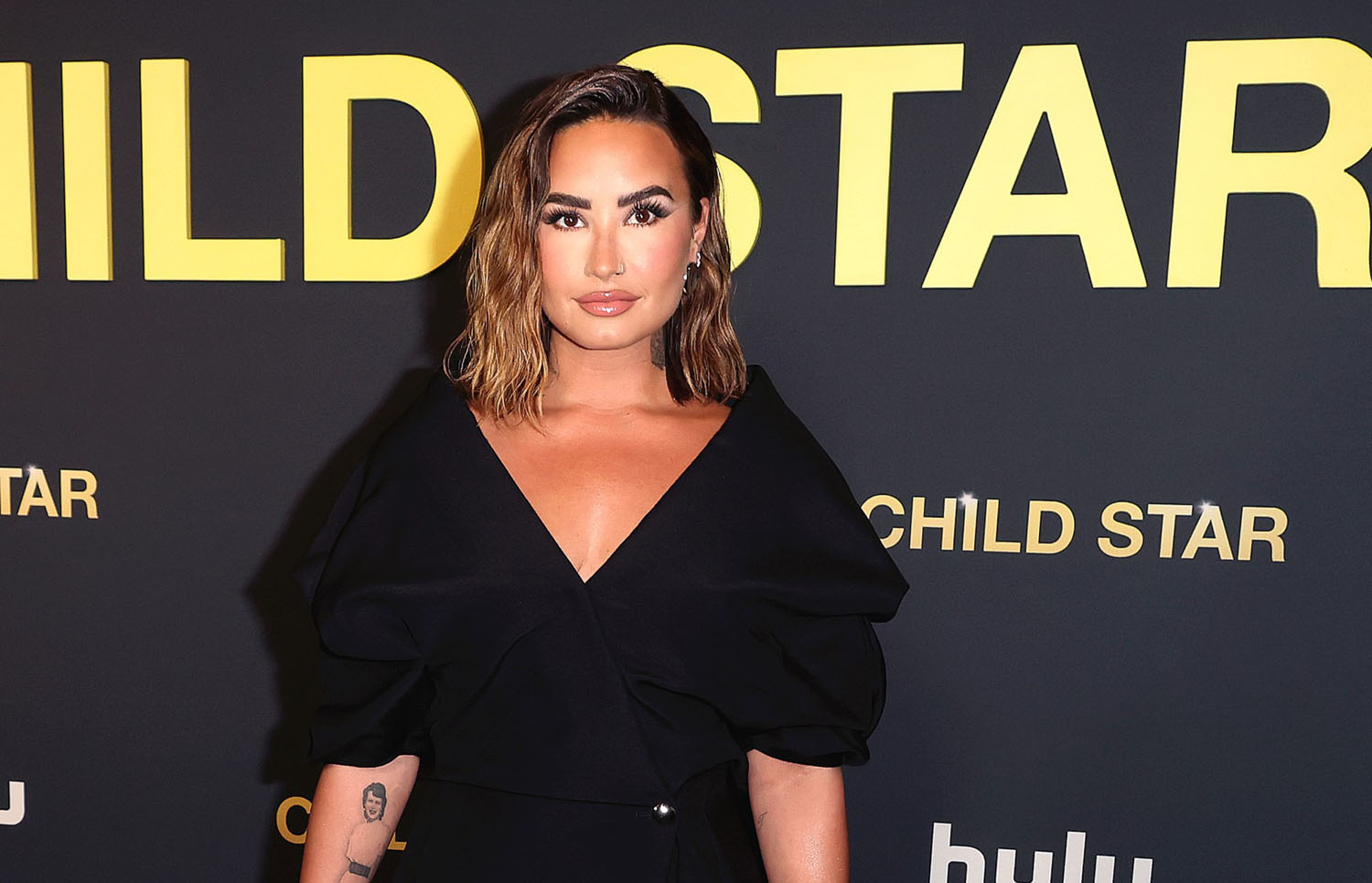
Demi Lovato is reflecting on some of the struggles she faced trying to make sense of her life as a young celebrity. Despite being vocal in the past about her experiences as a child star and the legacy of those issues, which undoubtedly played a role in her near-fatal overdose in 2018, this time, she stepped into the director’s chair.
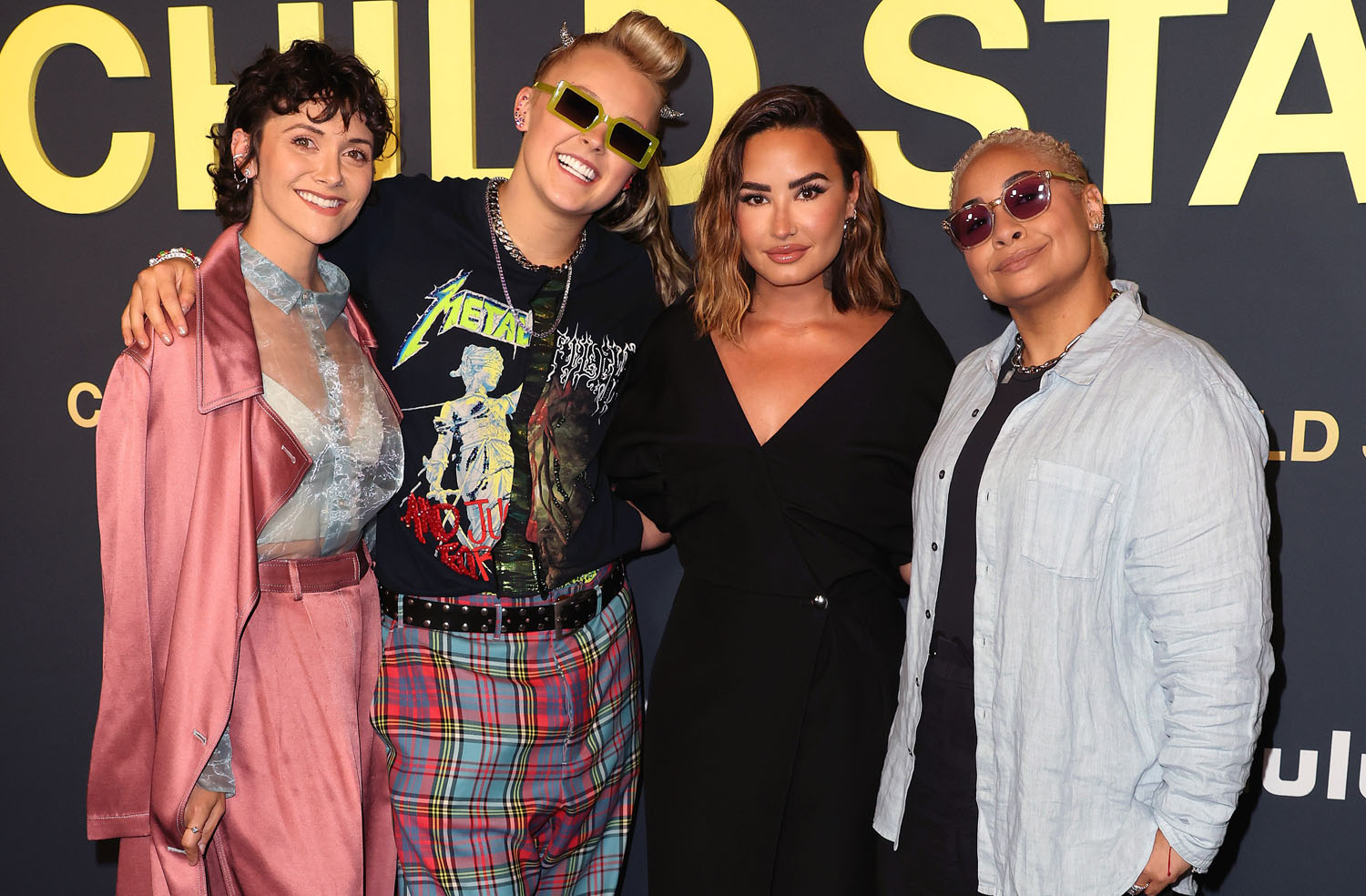
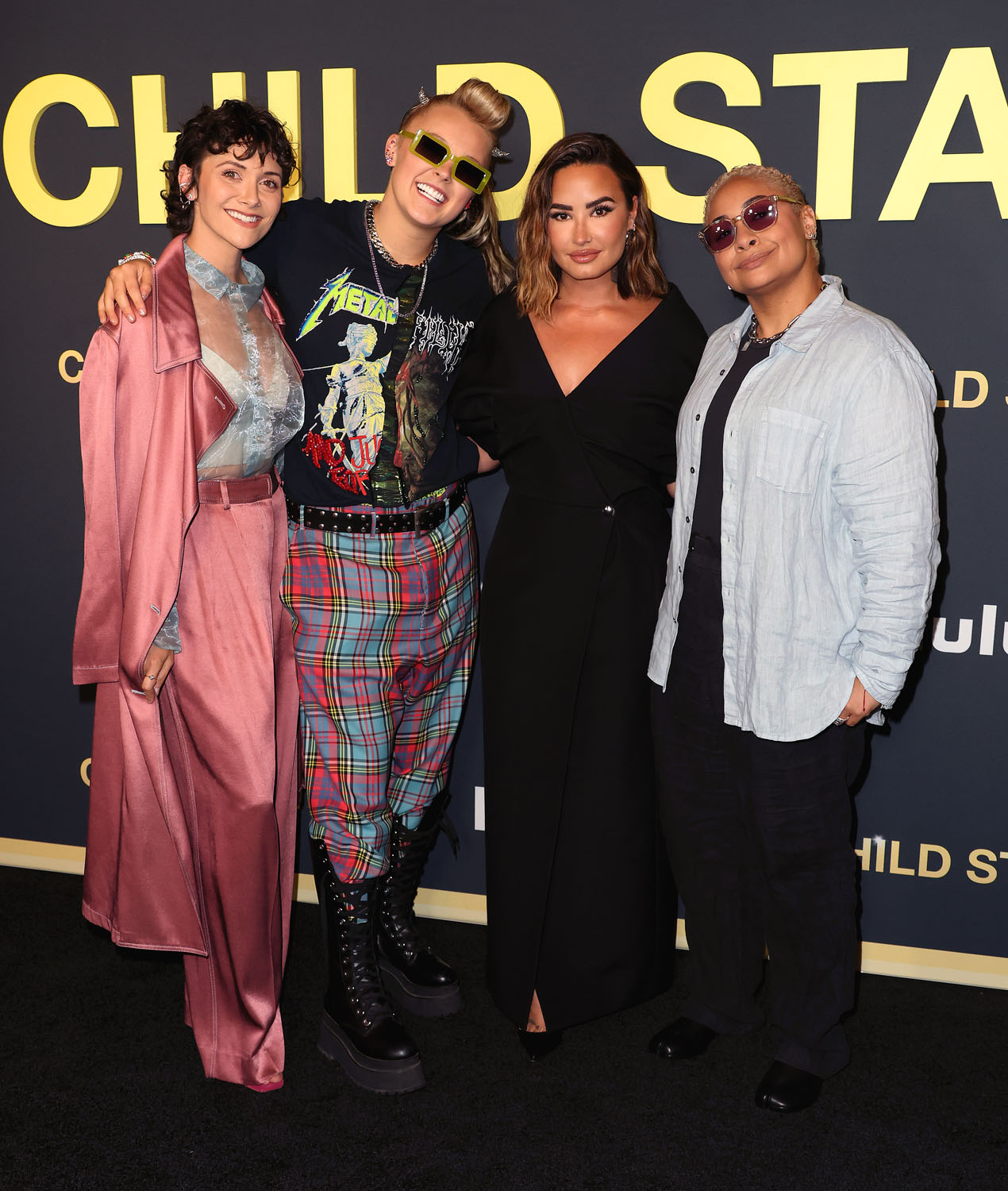
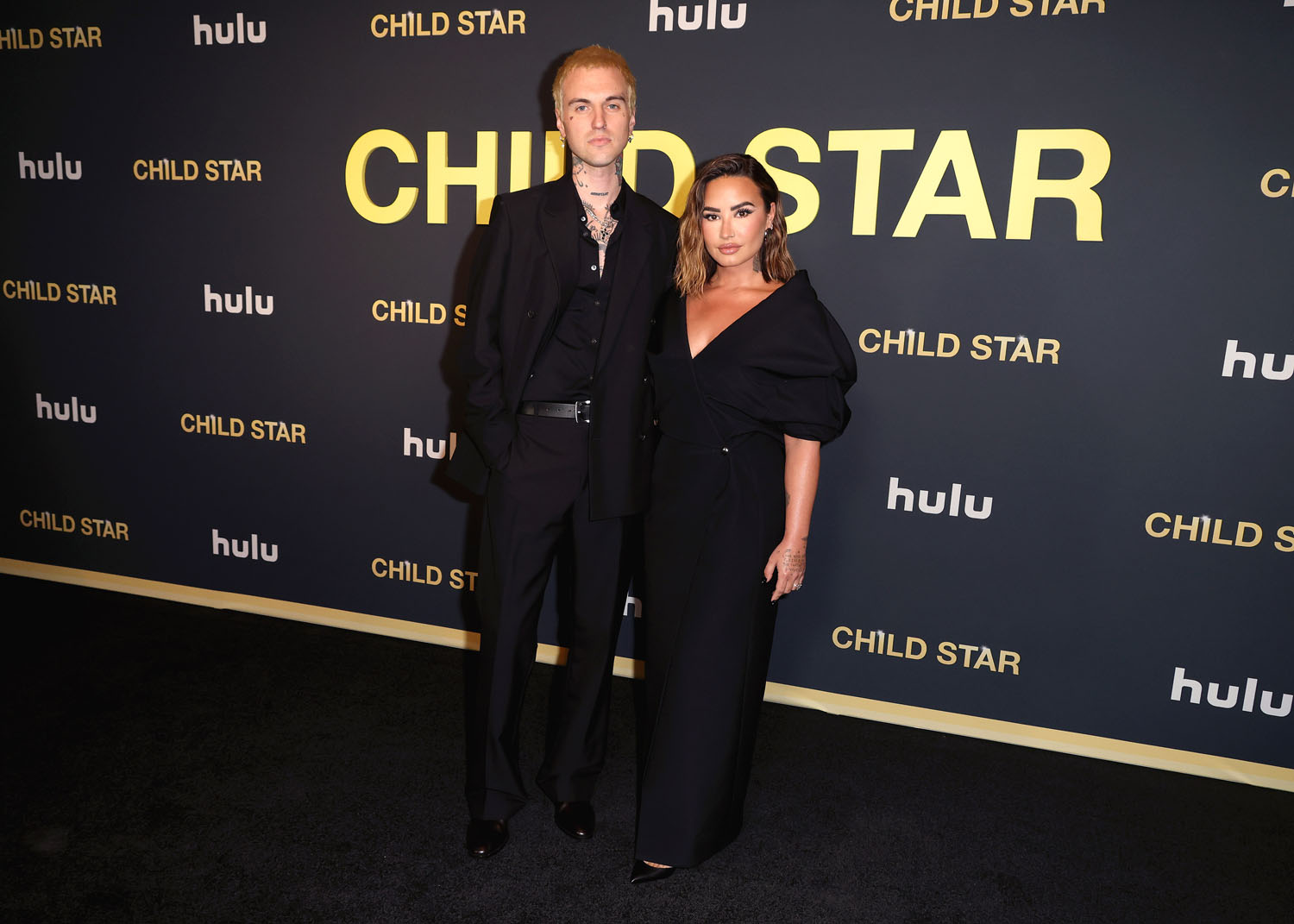
In Child Star, which is now streaming on Hulu, the audience sees Demi revisit not only their struggles, but the struggles of several other former child stars, including Kenan Thompson, Jojo Siwa, Drew Barrymore, Raven Symone, Christina Ricci and Alyson Stoner. The experiences these actors and entertainers shared in the documentary helps to dispel long-held misbeliefs about idyllic childhood fame, a misconception that is increasingly being shattered as more child stars come forward with their truths.
The documentary confronts some of the troubling issues that seem to have plagued kids in the spotlight – like substance abuse, bullying, eating disorders, financial abuse and disassociation as a means of coping with the pressure and predatory environment they spent so much of their days in.
Demi recounted the difficulty she had with juggling life as an actress and still being a regular kid. She described being given a suicide petition, signed by students at school, seemingly envious of her budding career.
“I remember going to lunch and feeling like everyone was staring at me. They had signed a suicide petition saying I should kill myself…It was passed around and people signed it. It was so extremely hurtful.”
Raven Symone, though, described a different kind of pressure – the kind that came from inside her family home. She revealed that the first time she was placed in front of a camera was when she was just 16 months old. By age 3, she said she knew exactly how much money she was earning and was made to understand that acting was her job. And her job was to entertain people, a sentiment also echoed by Keke Palmer.
“Parents forget that children, young kids, are performing for their parent. They're performing for their parents’ love and affection and their ‘good job.’ And yes, it’s a lot of money. And money does crazy sh-t.”
Some of the other stories shared in the documentary include Kenan Thompson describing how he lost most of his Nickelodeon earnings to a con artist who operated under the guise of being a reliable tax accountant, and Jojo Siwa sharing her experience being the first child star to come out while still being a child star (according to her, Rowan Blanchard came out in 2016 at age 15). She recalled being reprimanded by an executive who ordered her to make individual phone calls to all of the retailers she was working with to explain she “wasn’t going crazy” after coming out on social media.
On this site, we’ve written extensively about other former child stars like Jennette McCurdy, Hayden Panettiere, the actors featured in the Quiet on Set documentary, even the kids from TLC shows like Jon & Kate Plus 8 and 19 Kids and Counting. And one thing that’s been made clear is just how much trauma lives on long after filming.
For that reason, I love that Demi featured stars like Christina Ricci and Drew Barrymore, because they were a generation before the rest of the kids who mainly got their come-up on Disney and Nickelodeon. But they, too, were still child stars. And with these women sharing that they had been introduced to substances at a young age and having their own anecdotes about how childhood fame had a negative impact on their lives despite the success they may have now, it helps connect the dots that Demi is making so clear in the documentary: child stars at any age, in any generation, deserve better protection.
And it’s not just in the acting space, either. We’ve heard so many musical artists discuss the missteps made as a result of not having proper guidance in navigating the entertainment industry as a child. Singer JoJo just published her memoir, Over the Influence. In it, she described taking on the responsibility of saving her family from poverty and addiction through her vocal abilities, only to struggle with substance abuse and debilitating anxiety herself as a young adult.
For Demi, rather than just leave it at storytelling, she’s actively working towards change after making such a strong case for what needs to be done. And I think that’s why she decided to step into the director’s chair. She wasn’t just trying to make some documentary that people would watch and forget about; she had a specific vision for the storytelling and couldn’t just hand that responsibility off to some third party that had no personal connection and no personal experience with the complexity of childhood stardom. Her relationship not only to the stars who are featured, but to childhood stardom itself really illuminated the subject matter and helped convey the reasons for her vested interest in advocating for kids.
In an interview with Good Morning America to promote the documentary, Demi described working with an activist named Chris McCarty, who, in their senior year of high school, started an organization called Quit Clicking Kids, to help advocate for child influencers after learning there was no regulations to protect kids on monetized social media channels.
“We’re working to pass a bill currently sitting with California Governor Gavin Newsom. The bill would implement the legislation that would protect and compensate minors on social media,” she told Michael Strahan.
Demi has overcome a LOT. In fact, all of these stars have. They dealt with things no child should ever have to deal with, and despite earning what I can only imagine was so much money, visibility and fame, we also need to consider how much was lost for the sake of entertainment. Innocence, “normal” childhoods, first experiences, naivete. There are so many people that don’t make it back from what they’ve endured, let alone a near-fatal overdose, which is how I lost my own brother. So the fact that Demi has not only had as much of their health restored, but using what they’ve referred to as their ”ninth life” to help others is incredible. But if we’re being real, that responsibility should be falling on the shoulders of the adults ushering kids into the industry – whether it’s family members, executives or showrunners/producers. Not the people trying to survive having been in the industry in the first place.