Stan Wars: It's Gracie Abrams’ turn

– 5 min read
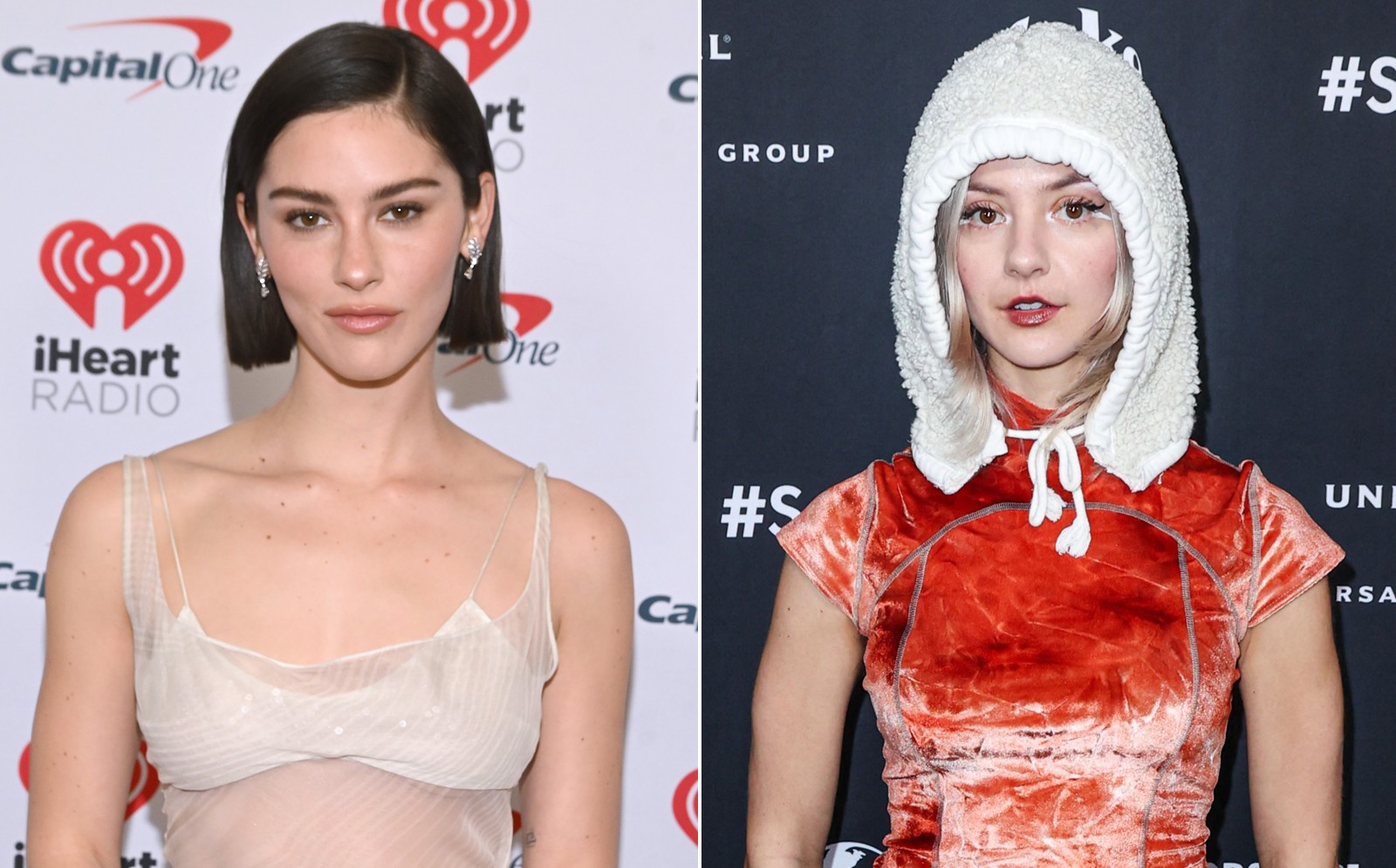
Gracie Abrams is speaking out after a fan started a petition to replace indie artist Dora Jar as the opening act in her upcoming tour. On Friday, Jar announced the gig on her social media, which led to a now-deleted petition appearing on Change.org, started by a Gracie Abrams fan who used the name ‘Dexter Morgan’ on the site and sought to have Jar be replaced by “a more well-known energetic artist or band” that can “set the mood and get the crowd excited”, criticizing her “slow tempo songs”.
“Many fans, including myself, are baffled by the recent announcement…We are perplexed as we do not recognize her, and with less than two weeks till the tour, it’s virtually impossible to familiarize ourselves with her slow-paced songs,” the petition page read.
While Jar’s response has been mostly polite, with her even tweeting out in jest that she signed the petition herself but was rehearsing in the event she did not lose the gig over the hoopla, Gracie came to her defence over the weekend after getting wind of the petition’s existence. She took a more rooted stance in calling out the petition and its creator, doubling down on her support and admiration for Jar, saying:
"Just hearing about this absolute ridiculousness… so wildly uncool and bizarre and also just does not remotely add up…I’ve only seen everyone’s total excitement and I couldn’t be luckier or prouder to share a stage with this talented wonder. Stream everything she’s ever made whether or not you’re coming to the show. Dora forever and ever."
I wish I could say that the entitlement of this fan, and of the many others we’ve seen expressing a similar sense that they’re owed something by musicians is surprising, but sadly, it’s a fairly accurate reflection of what music and fan culture, particularly surrounding younger artists, younger fans, and so much of today’s music discovery coming from platforms like TikTok, tends to look like these days.
Gracie already had a burgeoning career, which included opening for Taylor Swift during The Eras Tour, prior to her song That’s So True taking off on TikTok near the end of 2024. The song sparked a trend on the platform, leading to the creation of hundreds of thousands of videos being made using the audio. Between fan edits, dance interpretations and users reimagining the lyrics of the song, it quickly became a trending song on the platform, and the success the song experienced on TikTok spilled over to other streaming platforms, with the song amassing more than 550 million streams on Spotify.
It's no secret that success with a song on TikTok can fundamentally change a musician’s career, no matter what stage they’re at. We saw this recently with former reality TV star and musician Heidi Montag after her husband Spencer Pratt called on social media users to stream her song to help them rebuild their lives after losing everything in the wildfires raging in California. His calls not only led her 2010 album to hitting No. 1 on iTunes years after its initial release, but the song being widely used as audio in tons of content. I touched on that here.
And after being featured in the Netflix series Stranger Things, Kate Bush’s nearly 40-year-old hit Running Up That Hill experienced a massive resurgence in 2022. This led the song to snagging the third spot on the Billboard Hot 100 chart decades after its first release. It also generated a whopping $2.3 million in unexpected earnings thanks, in part, to Gen Z discovering the anthem, which predated their existence, and making content about it or featuring it in their TikTok videos. According to Forbes, nearly 40% of Gen Z surveyed said they only knew the song because of TikTok.
So clearly, TikTok can account for a lot when it comes to the success of a musician who experiences a song or career boost on the platform. But by that same token, TikTok can also lead fans to over-asserting a sense of entitlement over an artist’s success, particularly if they, much like ‘Dexter Morgan’ likely did, feel as if they played a role in leading to that artist’s success in the first place.
Key findings of a Music Impact Report, commissioned by TikTok to understand the impact the platform has had on the broader music industry, support the idea that songs that go viral on the platform can definitely catapult someone’s music career to the next level because of the visibility it brings. And some of the key findings of the report quite accurately explain why fans feel so entitled.
One important finding in trying to figure out why TikTok users, particularly when they’re from the U.S., lay so much claim to the success of any given artist whose music does well on the platform is because of the music discovery the platform fuels. In the U.S., TikTok users are twice as likely to discover music on short-form video platforms than the average user of other short-form video or social media platforms.
The report goes on to suggest that 62% of TikTok users reportedly pay for a streaming service, and there is evidence that TikTok leads to generating value in the music streaming market, which is exactly what we saw with Gracie and her success on the platform leading to success on Spotify. The report also found that TikTok users spend nearly 50% more on music purchases, including merch and tickets to live music events. And this, specifically, is what differentiates music consumers on TikTok vs. any other platform – their dollars actually translate to value for musicians. No wonder they act like they’re silent partners in the creative process.
While all of this can lead to amazing opportunities for musicians, it also leaves them wildly exposed to contentious relationships with fans, who incorrectly lay claim to someone’s success, and often in a deranged and delusional way – like starting a petition to dispute a creative decision for an opening act. Or, in Chappell Roan’s case, assuming that the access you are granted on social media translates to real life and leaves the door open for scary and unsolicited in-person interactions.
All of this goes far beyond the parasocial relationships many of us are guilty of establishing with celebrities – or anyone that we’ve followed for a while. It’s not a crime to feel like we know someone based on how closely and how long we’ve followed their journey. And by virtue of them sharing their lives with us (to an extent they are comfortable with), there is sort of a two-way relationship building happening. Feeling a sense of one-sided familiarity is becoming more and more of a natural response to bearing witness. But more and more, we’re learning that there are always the people who take it a step further, like this fan did in creating this petition.
Let this instance – and both Gracie and Dora’s immaculate responses to it – serve as a reminder that we are not solely responsible for a musician’s success. And whatever role we do play in their success does not grant us entitlement or access to the creative decisions they make when it comes to their work. Our job is to sit back and enjoy the art – in whatever way they deem fit for delivery.