Jeremy O. Harris deconstructs Jeremy O. Harris

– 4 min read
Jeremy O. Harris’s Slave Play. Not A Movie. A Play. tells you up front what it is: it’s Slave Play, which is not a movie, it’s a play. Chiefly, it is Harris’s incendiary Broadway debut, a play that unpacks centuries of colonialism, racism, and sexual politics through satire that set Broadway alight in the 2019-2020 season, going on to earn twelve Tony nominations. Slave Play. Not A Movie. A Play attempts to unpack Slave Play and Harris’s experience of making it, but only after it became a hit production and cultural moment (a West End production starring Kit Harington opens later this week).
As Harris says in the documentary—which is what this really is, a documentary—he didn’t record his Slave Play experience before, so he has to try to recreate the process of workshopping the play, unpacking it for actors and figuring out how to make it maximally communicable to an audience, only after he has actually achieved that.
The doc opens with a cellphone recording of a white lady in full Karen meltdown, berating Harris during a post-show Q&A for, oh my gosh it’s so tiring, but basically making her feel bad with theater. What stands out in the clip, besides the lady shouting, “I’ve spent my whole life trying to make a f-cking solution,” which is the new, “I would have voted for Obama three times,” is how Harris keeps his cool, pointing out the play is a metaphor, and metaphors don’t have to represent every single person, and that he doesn’t know what the “solution” is, either, because it’s hard to solve 400 years of oppression. What this cellphone video sets up is the vitriolic reaction to Slave Play, which prompted a lot of big feelings from its audience.
Working backwards after his successful Broadway run, Harris brings a group of actors to the William Esper Studio in New York in 2022 to workshop the play, essentially recreating his creative process, even though he now stands at the apex of this particular creative effort. He explains the unusual formatting of the dialogue on the page, how it represents the rhythm of the words in his head; that some lines have asterisks because he only added that line to satisfy someone else’s incomprehension of his script; that he didn’t really research so much as absorb a lot of cultural and factual influences and mash it all together. One man says Slave Play feels like porn to him, Harris points out that a wide swath of Americans’ preferred porn search term is “ebony”.
The doc is halfway an instruction manual for anyone who might mount their own version of the play, giving insight into the style and tone that Harris considers essential for the satire to work, and halfway Jeremy O. Harris on the work of Jeremy O. Harris. Slave Play was first written while he was a student at Yale Drama, it ran off-Broadway in 2018 before jumping to the, er, great white way in 2019. Harris, who is only 35, has had a rocket-launch ascent that includes co-writing Zola, producing episodes of Euphoria and Irma Vep, and appearing on Emily in Paris, Gossip Girl, and What We Do in the Shadows. Watching him unpack his own work in this documentary it is clear why he ascended so quickly: his obvious talent is matched by his quick wit. His smile never dims even when grappling with very dark and complicated subjects—I’m going to be thinking about corporate DEI workshops as snake oil for a while.
There are excerpts of performances of Slave Play, from the workshops at the Esper Studio to previous professional performances, though this is not a full recreation a la Hamilton. Harris actively does not WANT Slave Play to be a movie, he wants it to engage the imagination as only theater, which requires more mental and emotional commitment from the audience, can do. And it’s easy to see why, though he touches on cinematic influences like the controversial 1975 film Mandingo and Gone with the Wind, Slave Play needs a present audience willing to lean in and really hear what is being said beyond the provocation of sex scenes and Rihanna songs. Slave Play is an act of engagement, and much of Slave Play. Not A Movie. A Play. is devoted to Harris asking us to engage, even if, perhaps especially if, it makes us uncomfortable. And maybe not to take the metaphor so f-cking personally.
Slave Play. Not A Movie. A Play. is now streaming exclusively on Max.
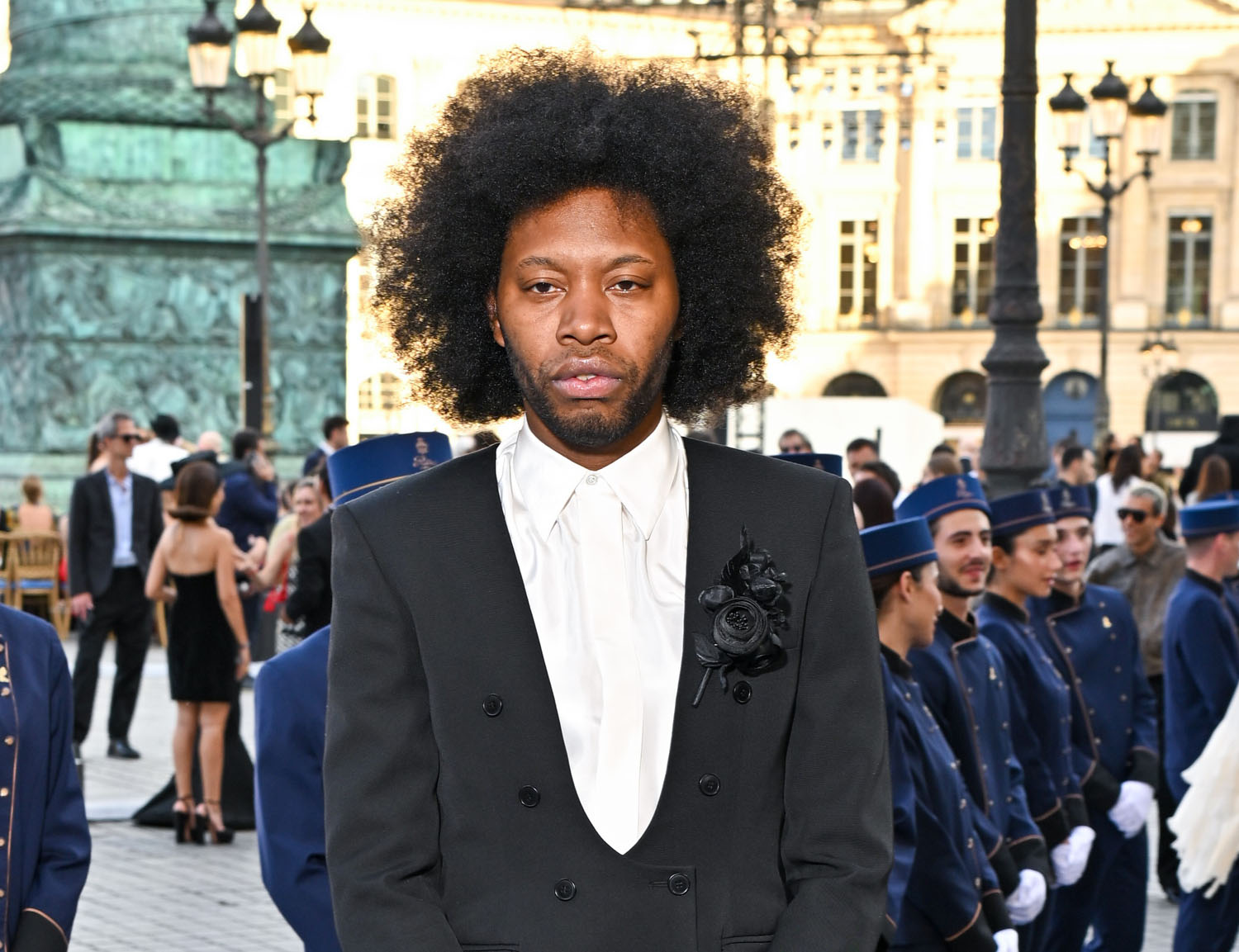
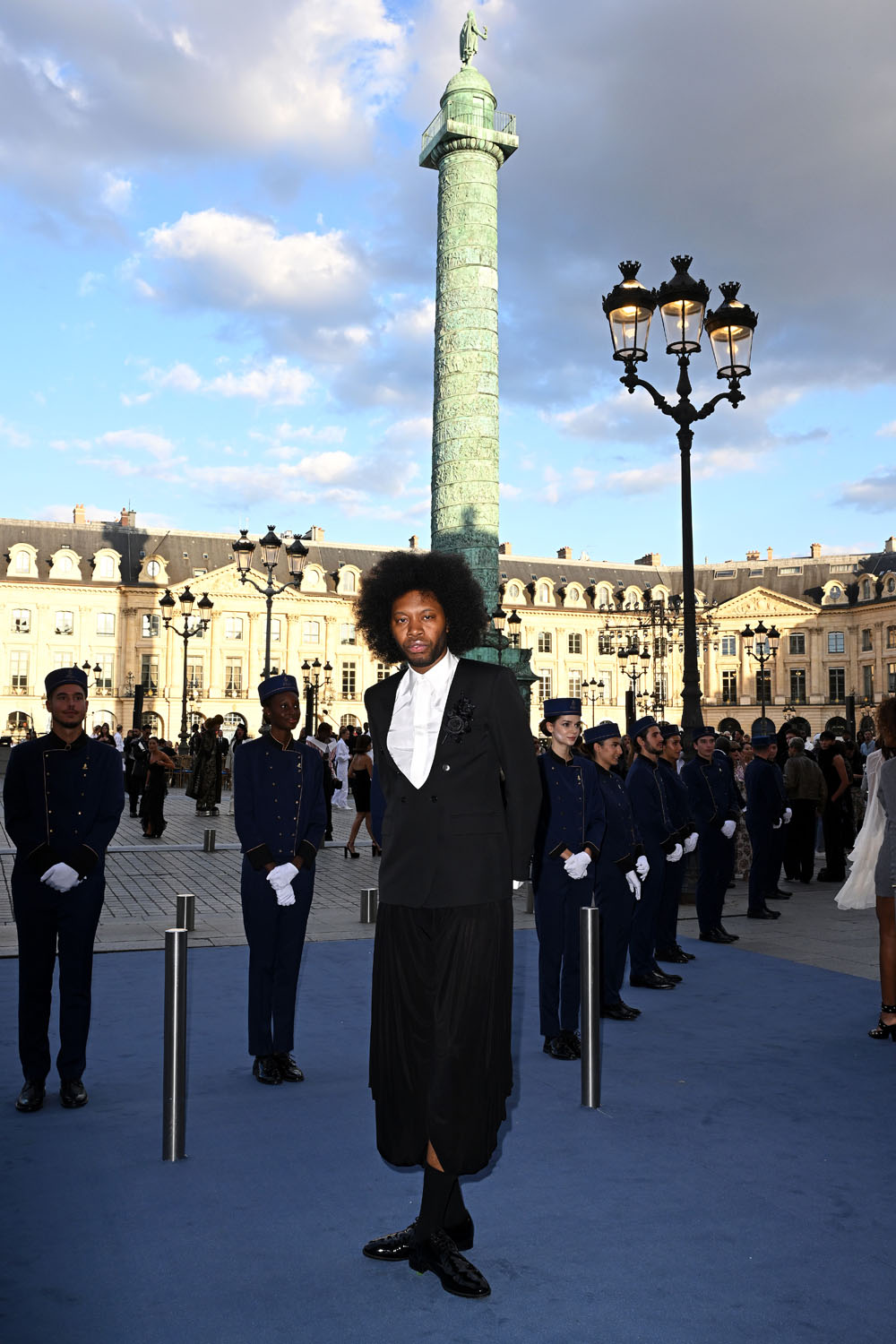
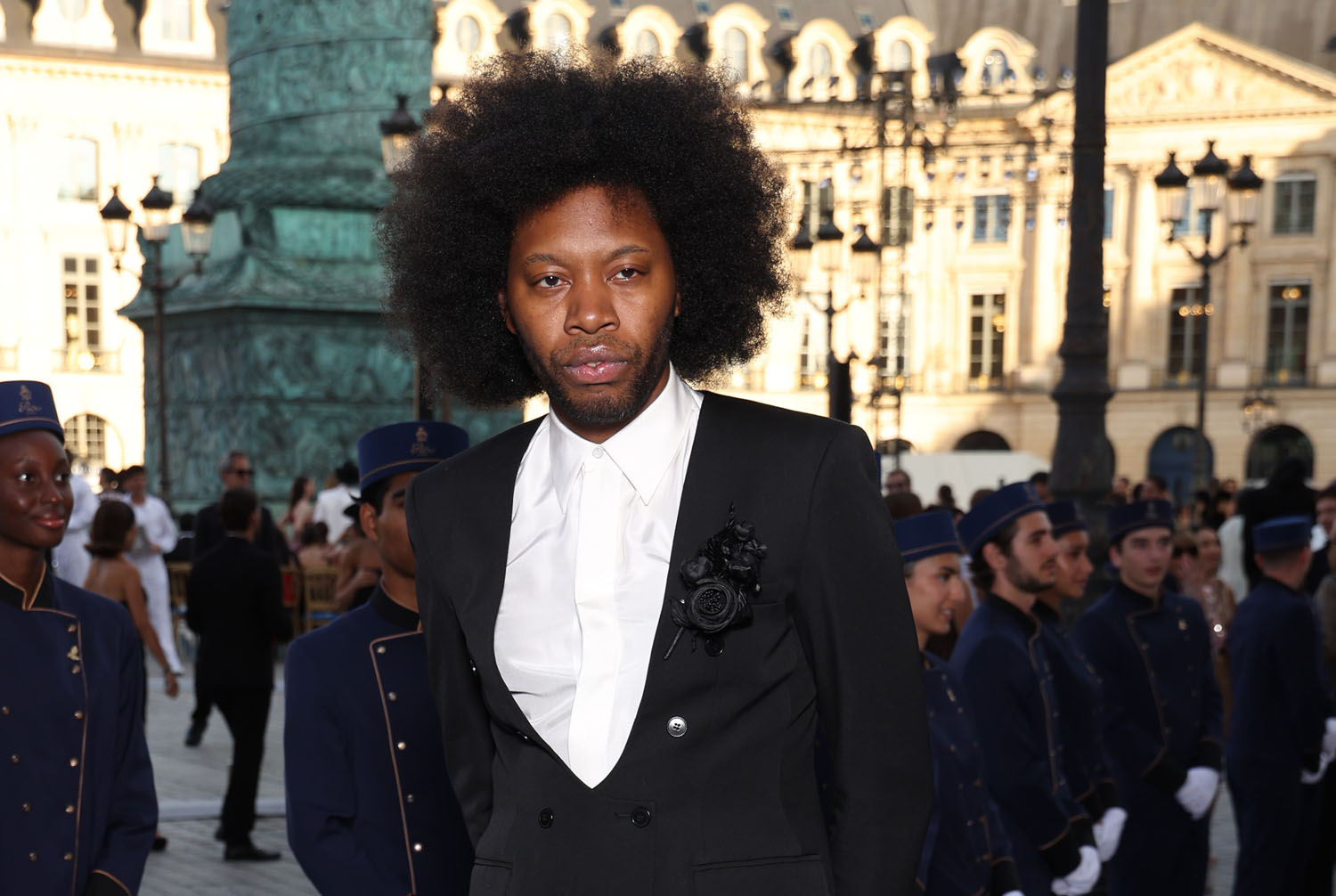
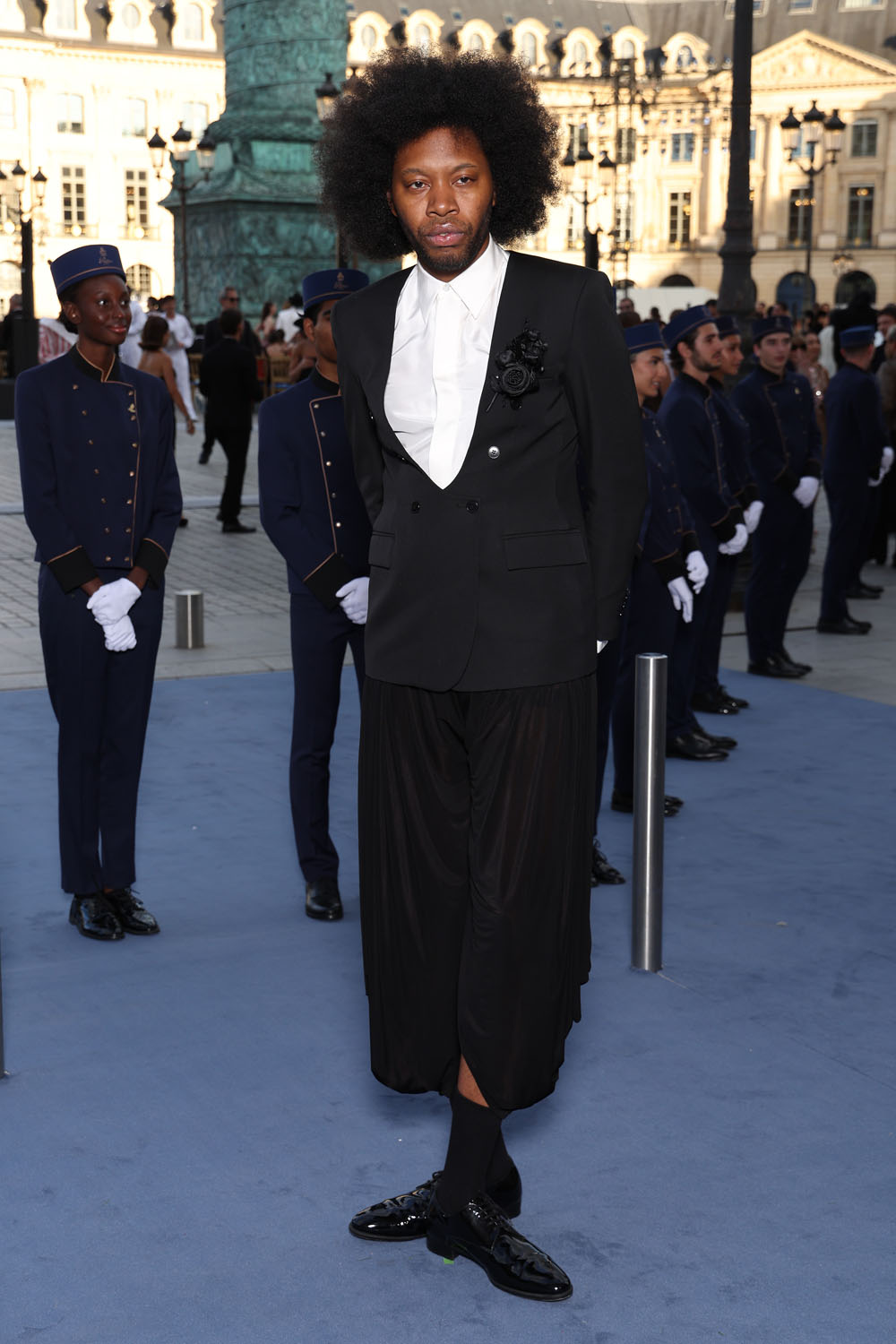
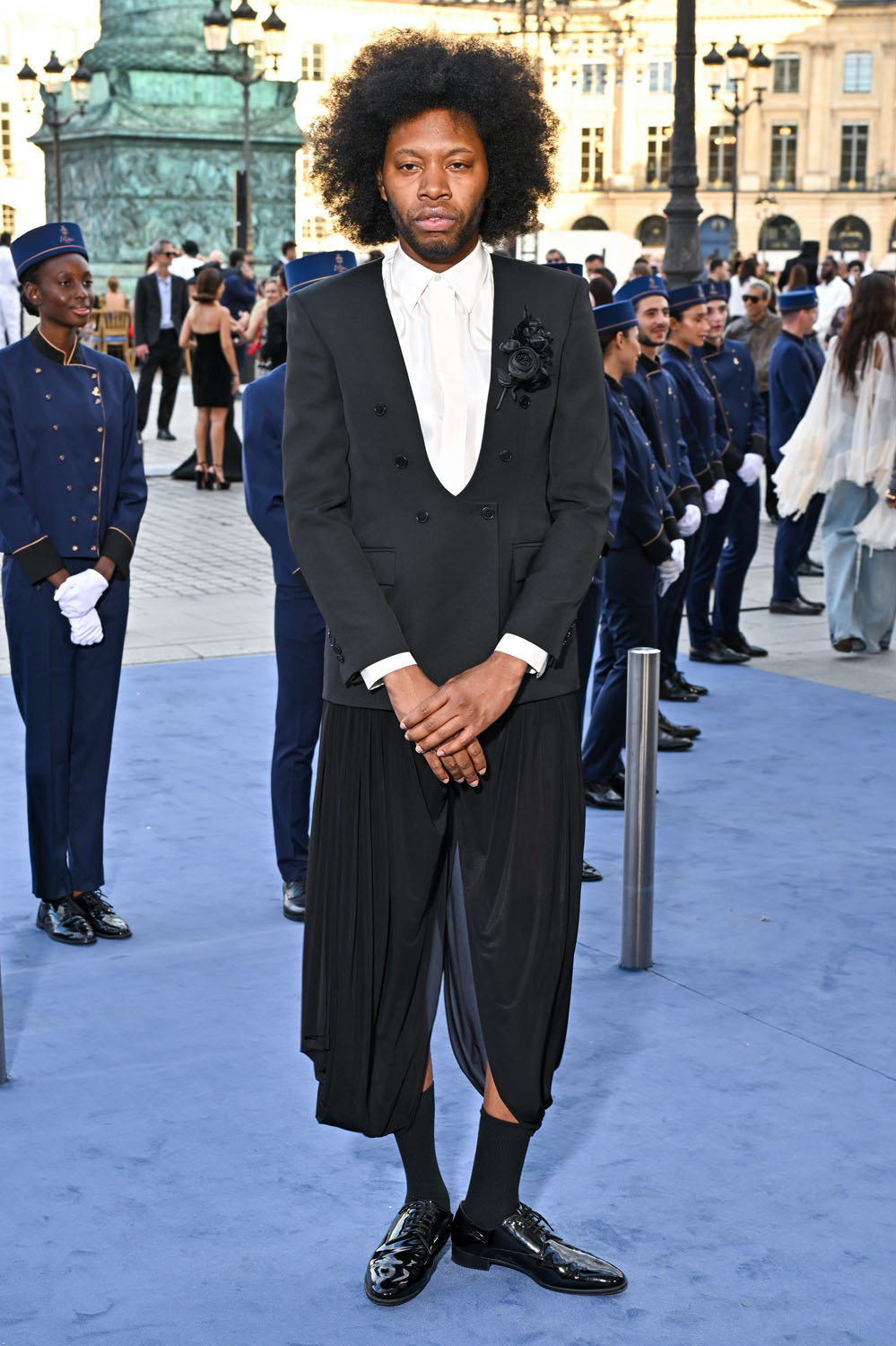
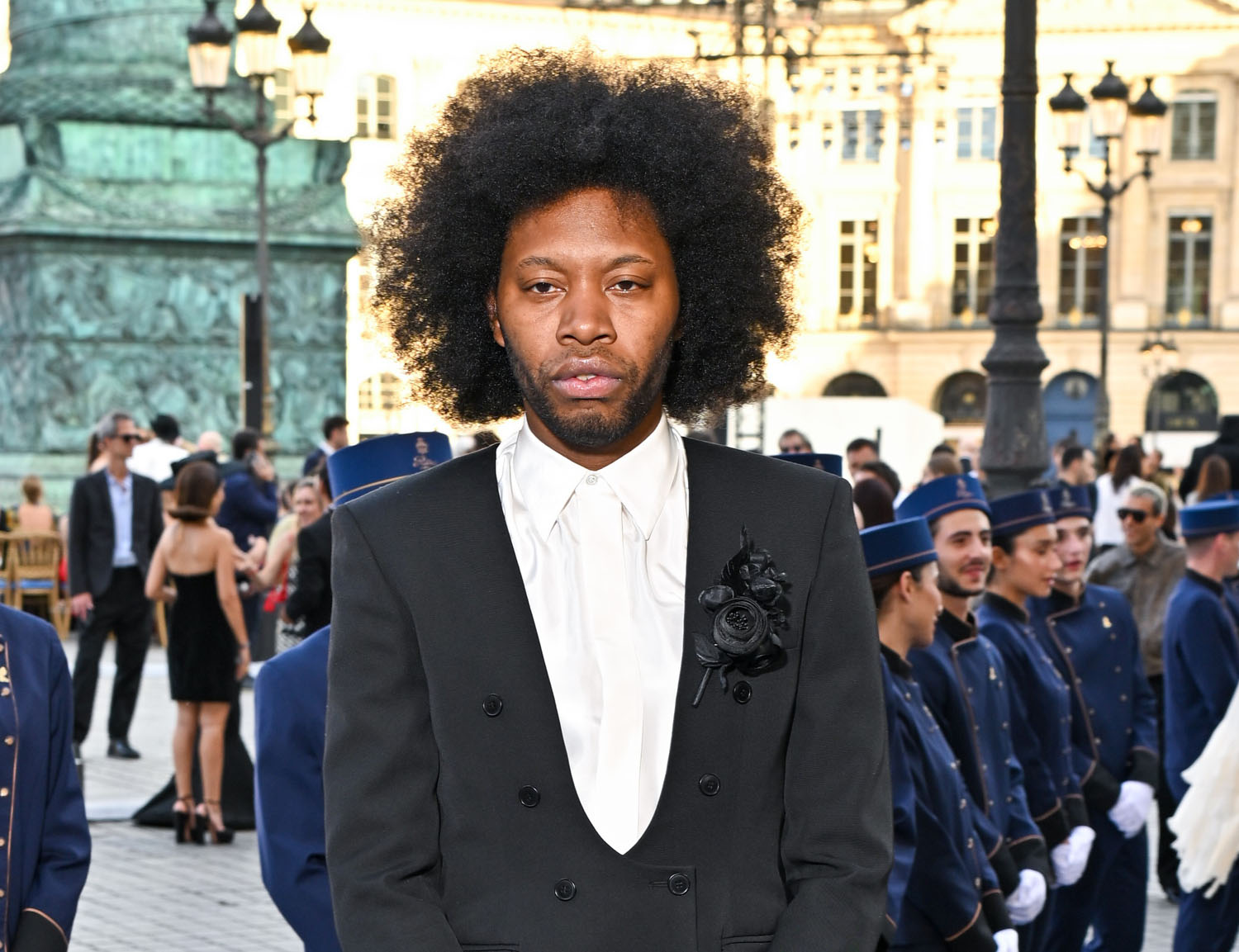
Here's Jeremy at Vogue World: Paris on the weekend.