Intro for May 2, 2025

– 3 min read
Dear Gossips,
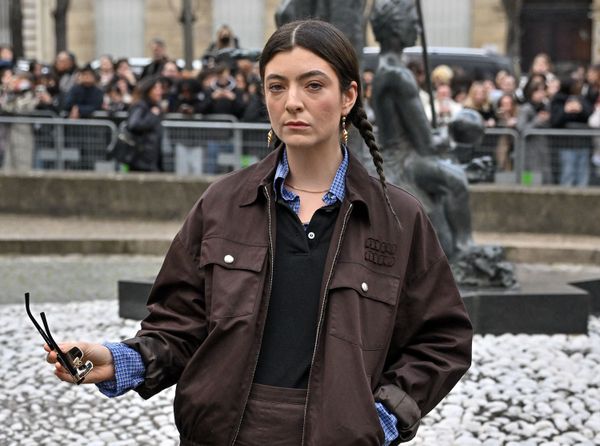
Last week, Lorde released “What Was That”, the lead single from her upcoming album Virgin, which will be released on June 27. We’re living in a summer of Lorde, twelve years after her breakout single “Royals” propelled her to international pop stardom.
Virgin is Lorde’s fourth studio album, and the one to follow Solar Power, her most divisive work to date (I like Solar Power because I am an intellectual). To mark the upcoming album, Lorde is featured in Document along with her friend, artist and filmmaker Martine Syms.
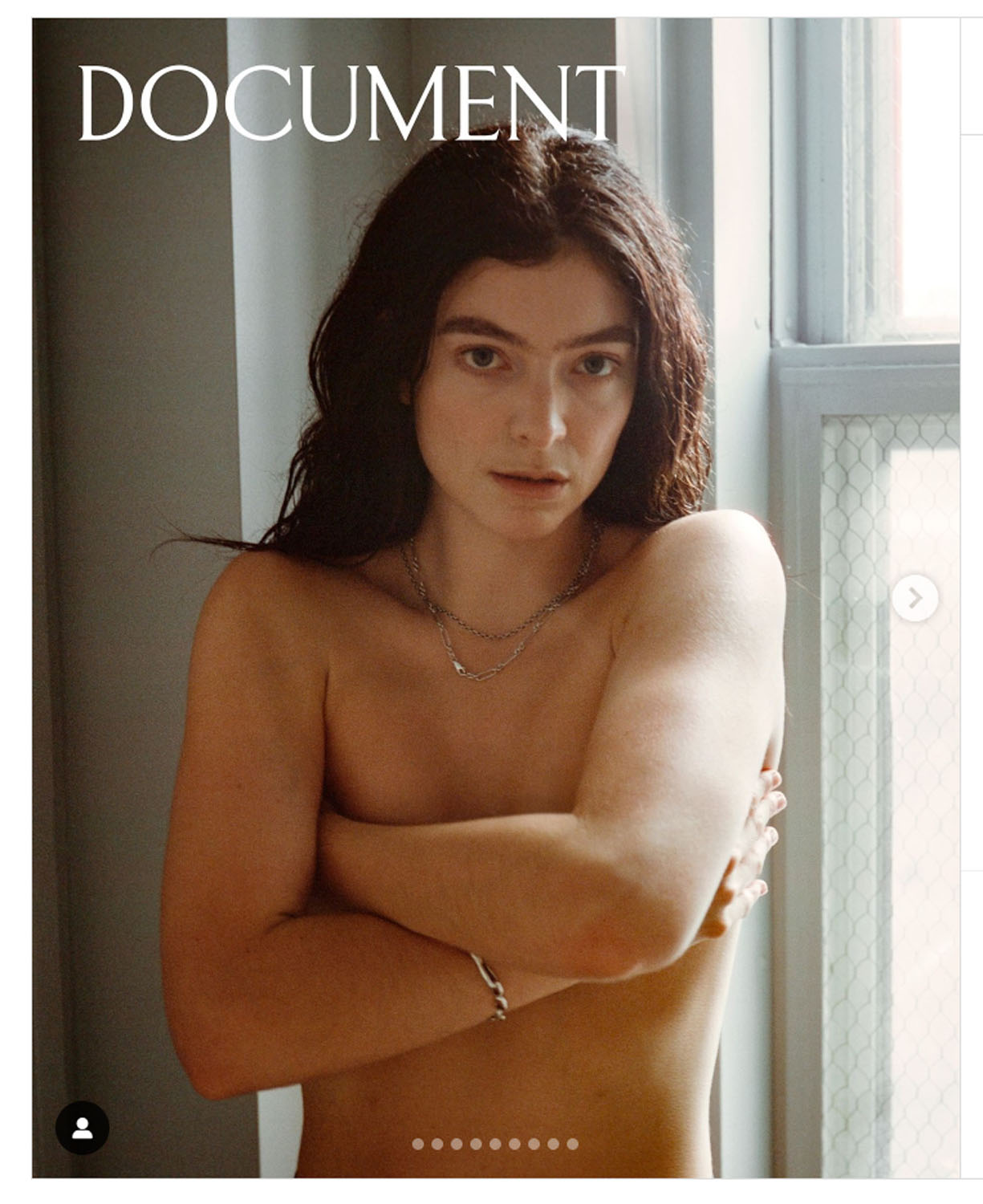
The conversation gets little navel-gazey, because they’re artists who take their art seriously, but Lorde touches on something in their conversation about body image and bodies in public and the never-ending cultural battle against bodies that hit me hard. She says:
“I had made my body very small, because I thought that that was what you did as a woman and a woman on display. I thought, I’m small. This will communicate to people that I’m taking my position seriously.” (emphasis hers)
She never says the words “eating disorder” or “disordered eating”, but that is what she’s talking around, acknowledging, “I eat as much as I want and need now.”
A pop star being thin isn’t anything new. An already thin pop star losing weight isn’t anything new, either. I’m old enough to remember the days of pop stars on MTV shows, making obligatory stops at fast food restaurants to “prove” they eat, because they had to be thin, but no one should suspect they were maintaining their bodies through any means other than diet and exercise. In the 2000s, body positivity gained momentum and diet culture was rebranded as “wellness”, and we stopped talking about losing weight and started talking about “being healthy” but it was always the same thing.
And here is Lorde, who gained international recognition when she was just 16 and is now only 28, talking around the same issue in 2025, acknowledging that nothing has really changed. She still felt the pressure to make herself “very small” because weight loss is a demonstration of commitment. It’s a big reason people are so up in arms about Ozempic. Leaving aside issues of drug shortages and access politics, it’s a cheat code for weight loss. Fat people are supposed to suffer to lose weight, as an apology to everyone else for existing in a larger body. Thinness and suffering have long been equated—literally the zaftig bodies of the Renaissance were considered attractive because plumpness meant you weren’t a starving serf.
But despite all the mantras and deodorant commercials featuring plus-sized models—who are still conventionally attractive—thinness was always the goal, always the ideal. Otherwise, Lorde, who was never fat, wouldn’t have felt compelled to make herself “very small” as proof of her seriousness, that she understood the position she was being given, and she would shrink to meet it.
I’m looking forward to Lorde’s new album. I am not looking forward to the return of “thin is in”, which is currently happening. It’s not on Lorde, or any one individual, to fix our cultural issues with bodies, but I hope people hear what she’s saying. The only way we’re ever going to have true body positivity is just to accept bodies, full stop. We can’t be policing shapes, or how people lose weight, or IF they lose weight, or how much water we drink a day. Bodies exist, and we exist with them. It really shouldn’t be anything more than that.
Live long and gossip,
Sarah