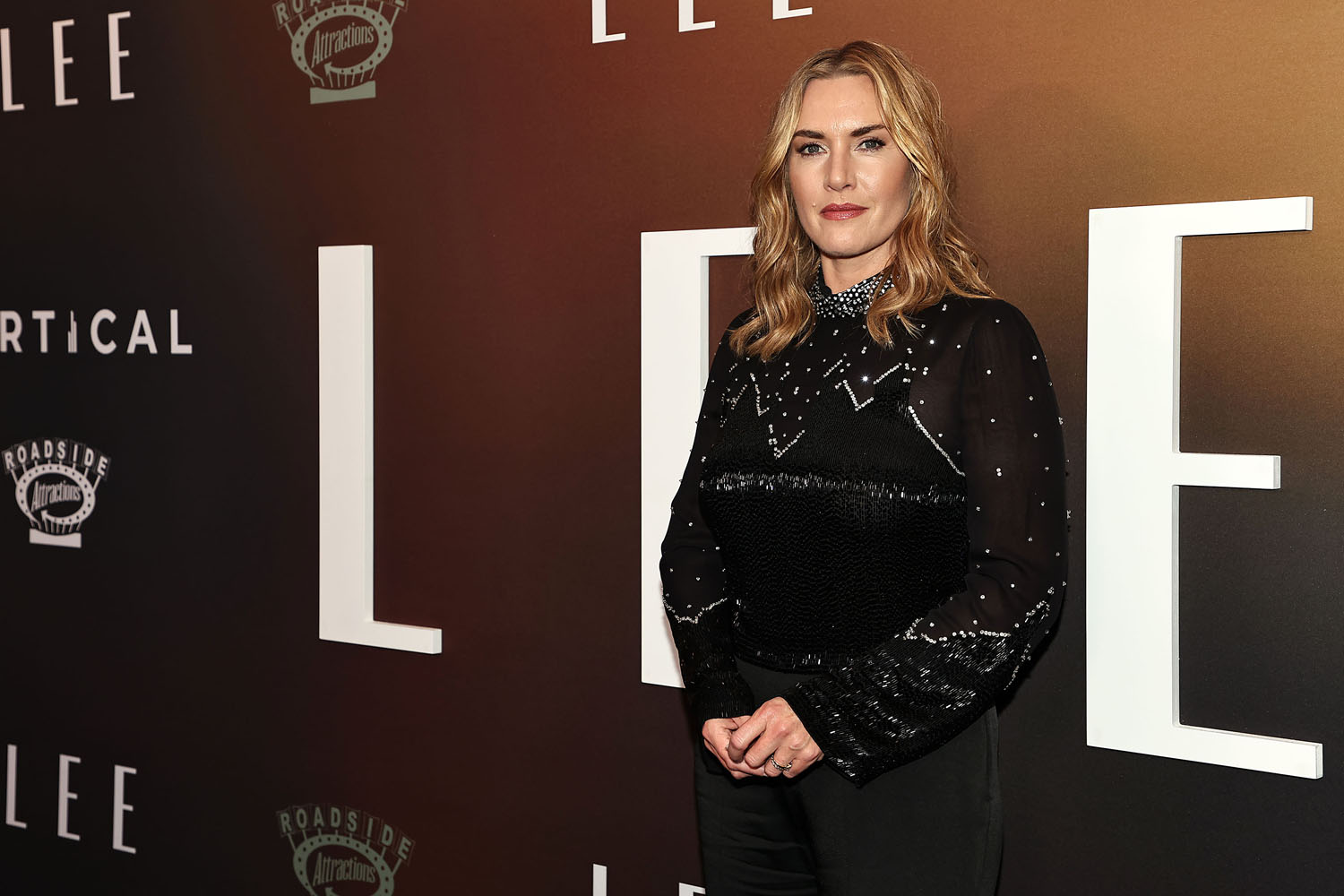
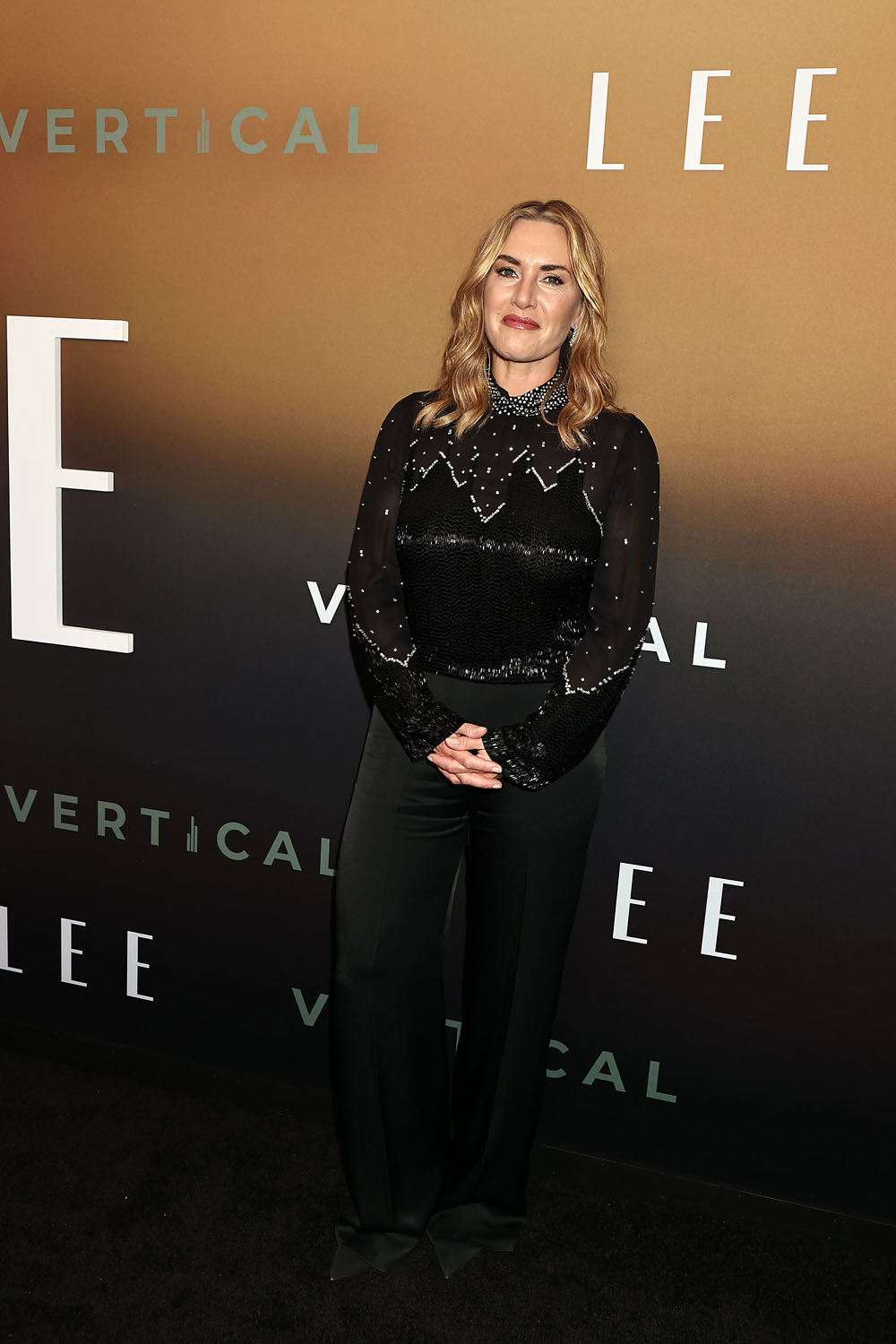
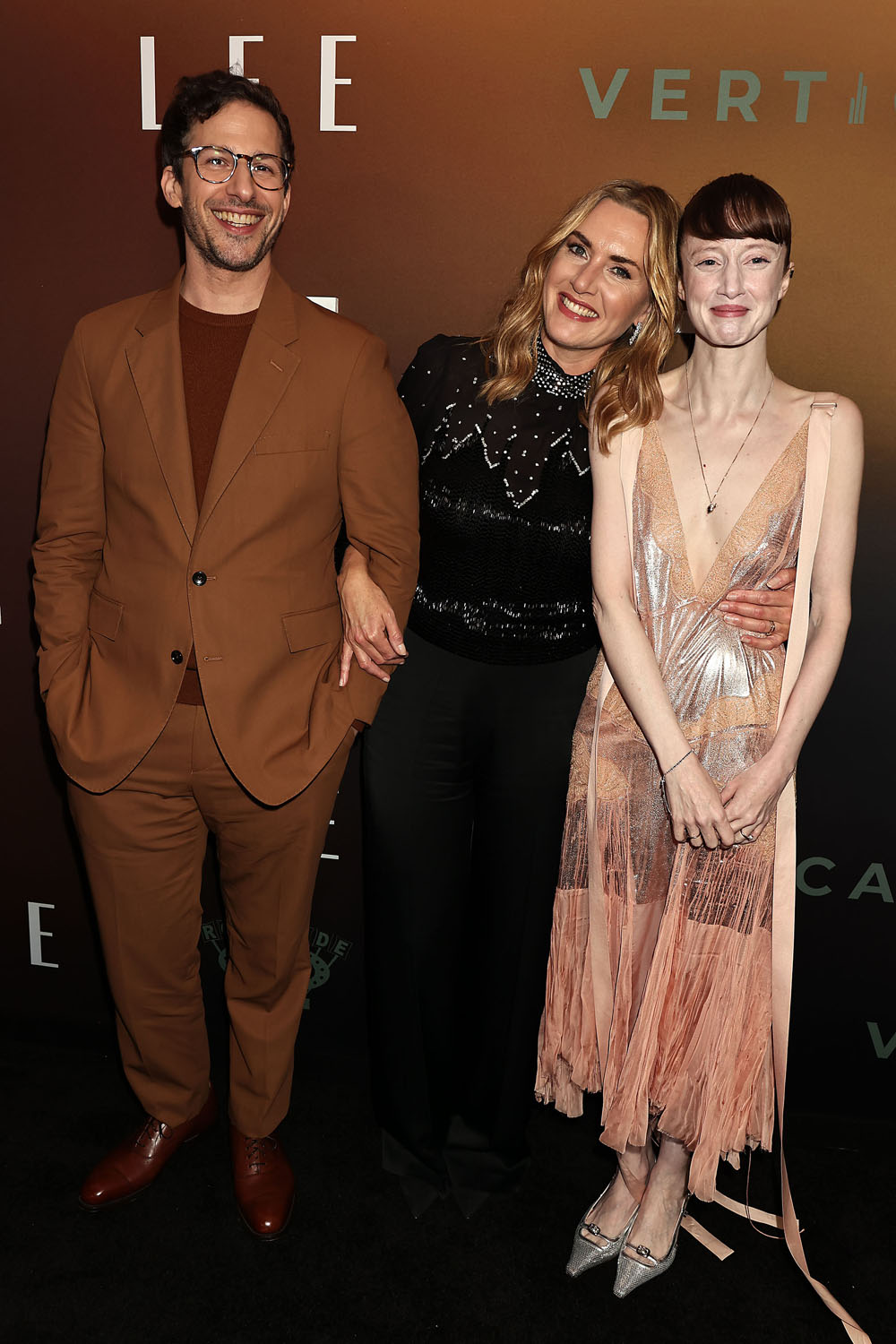
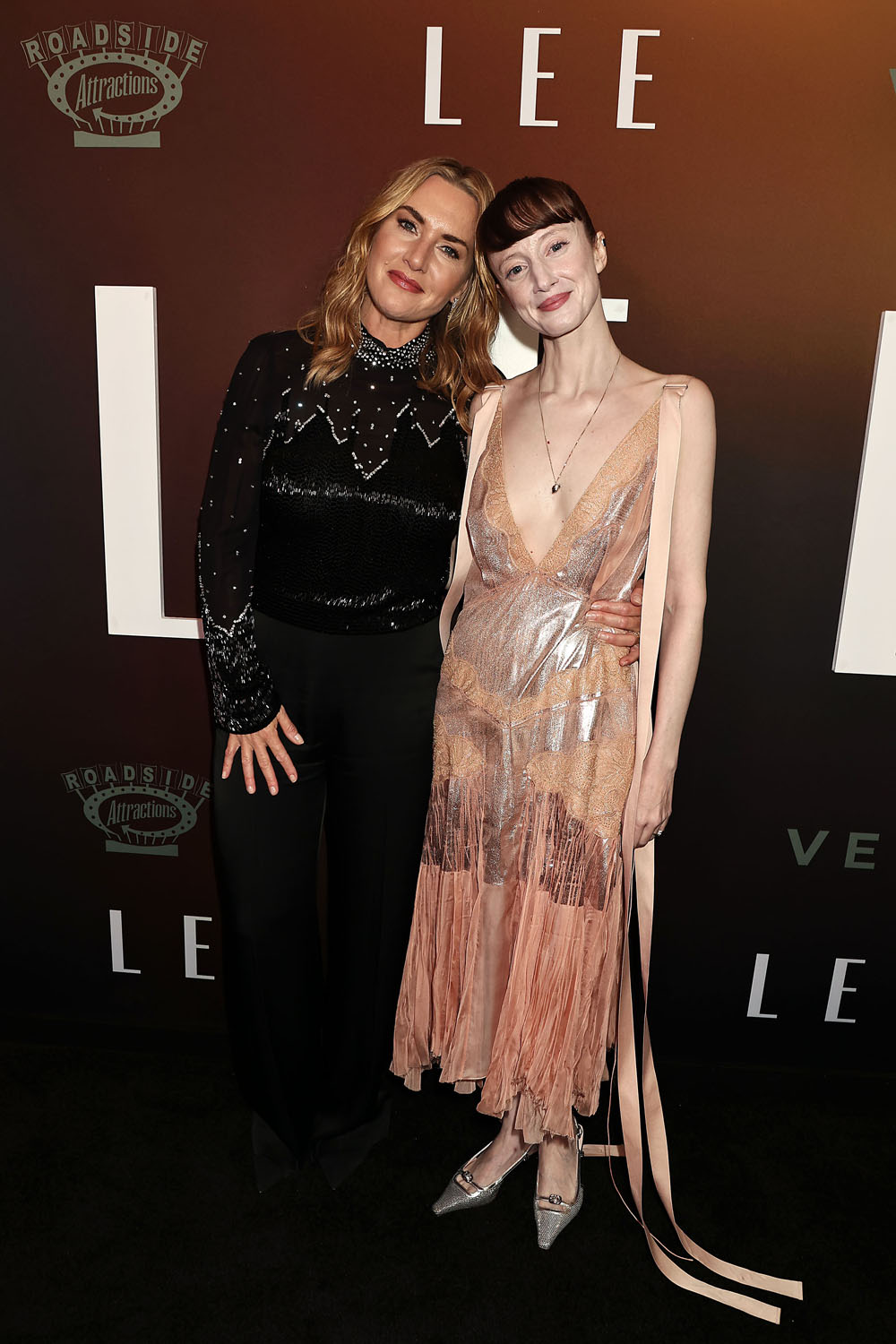
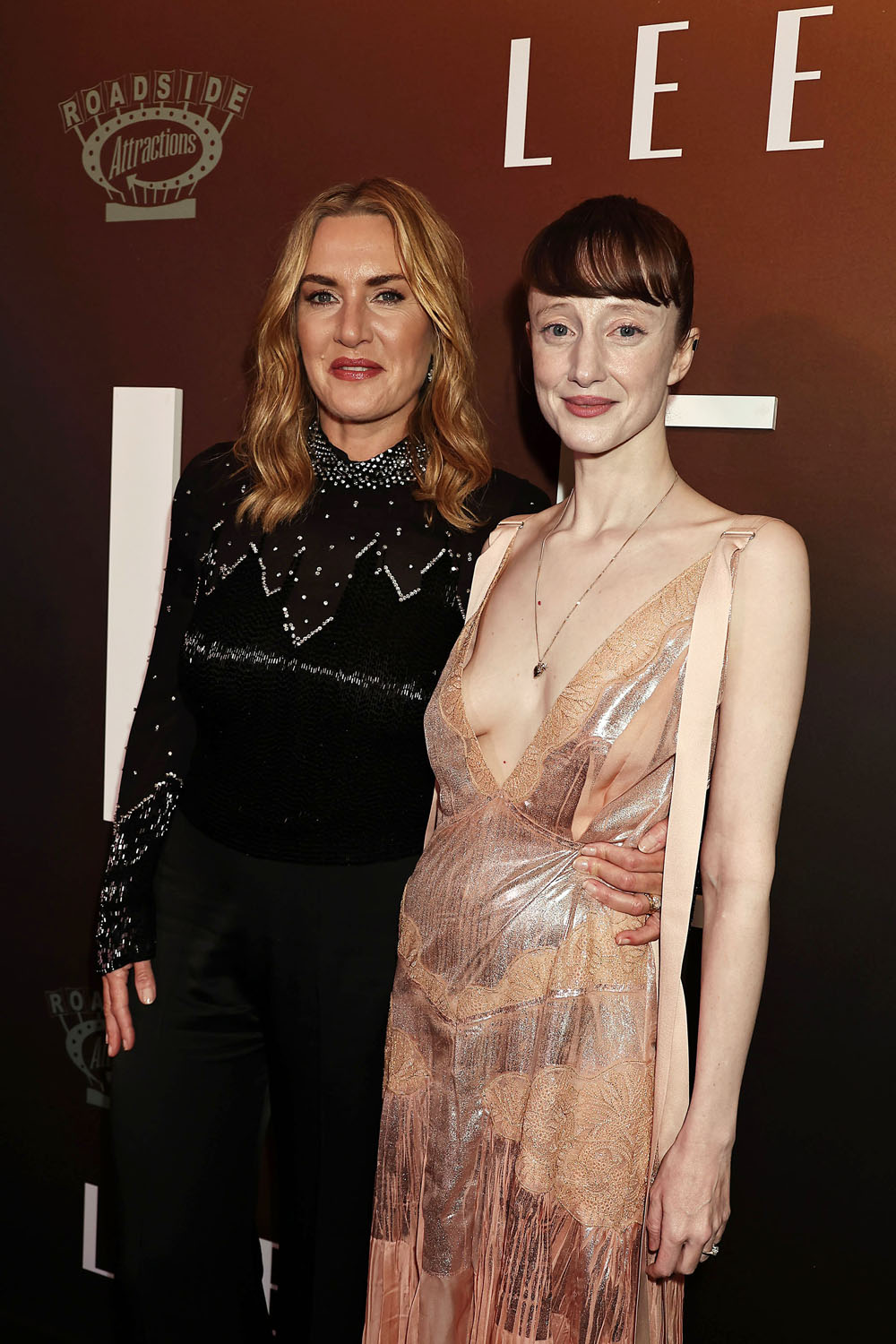
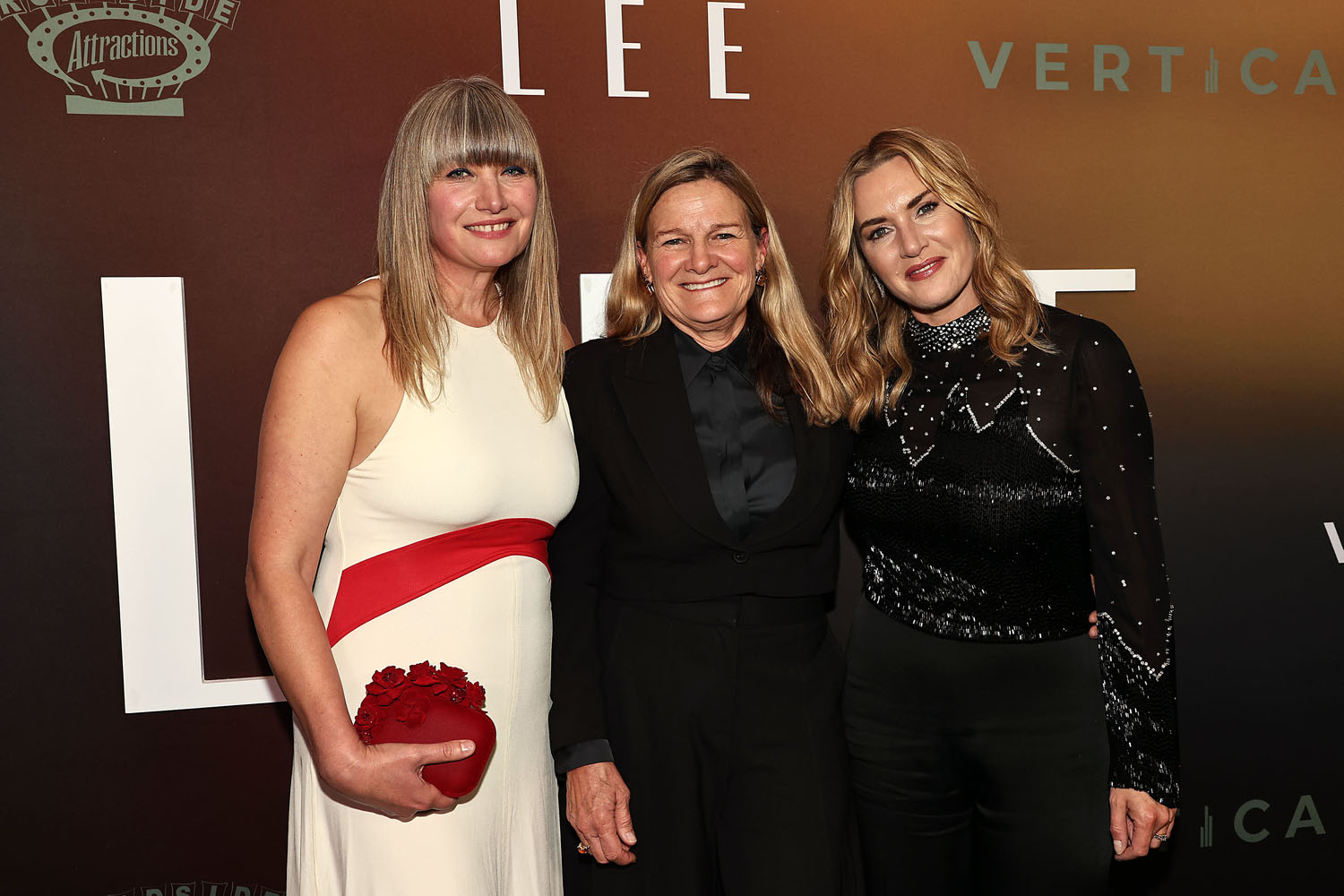
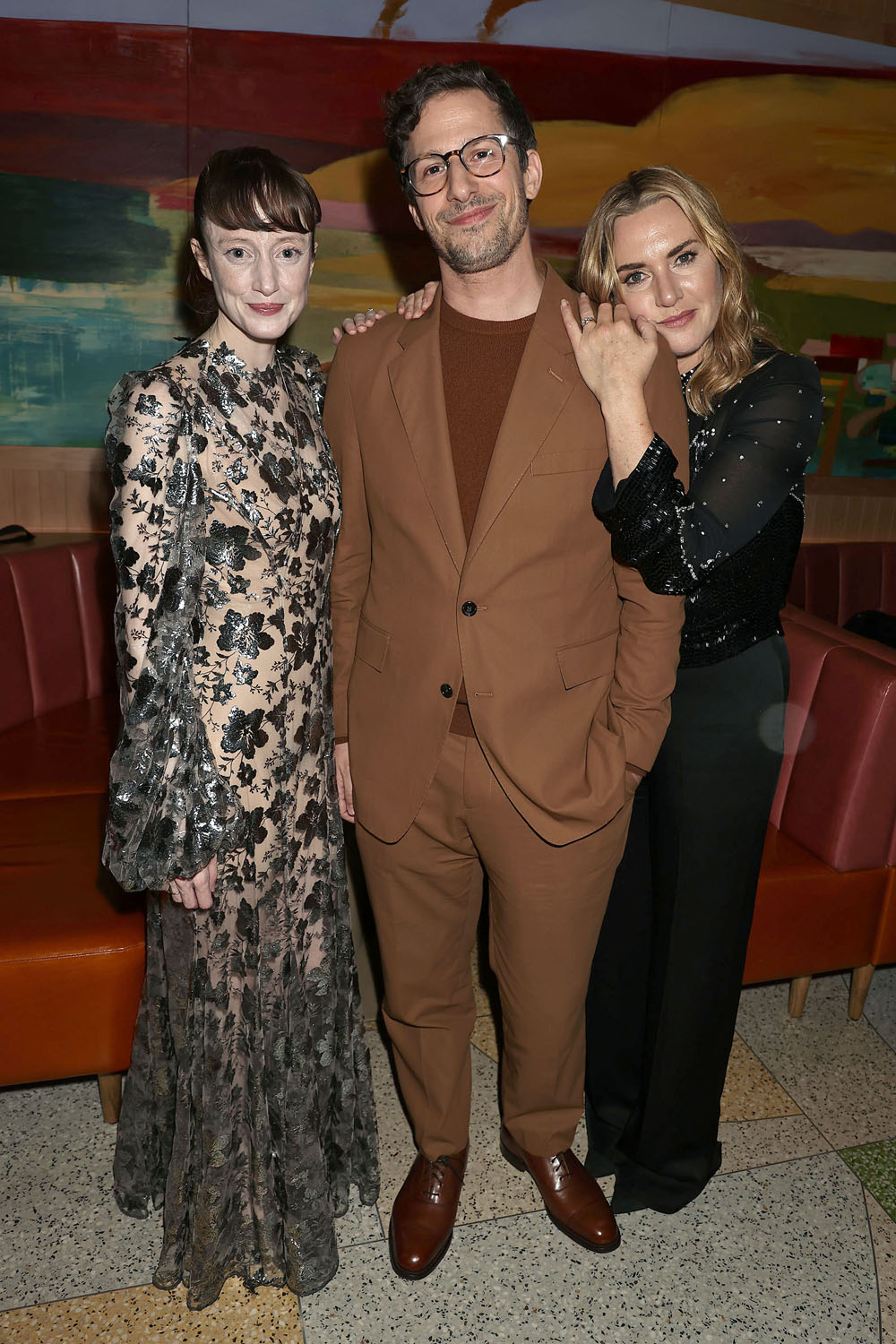
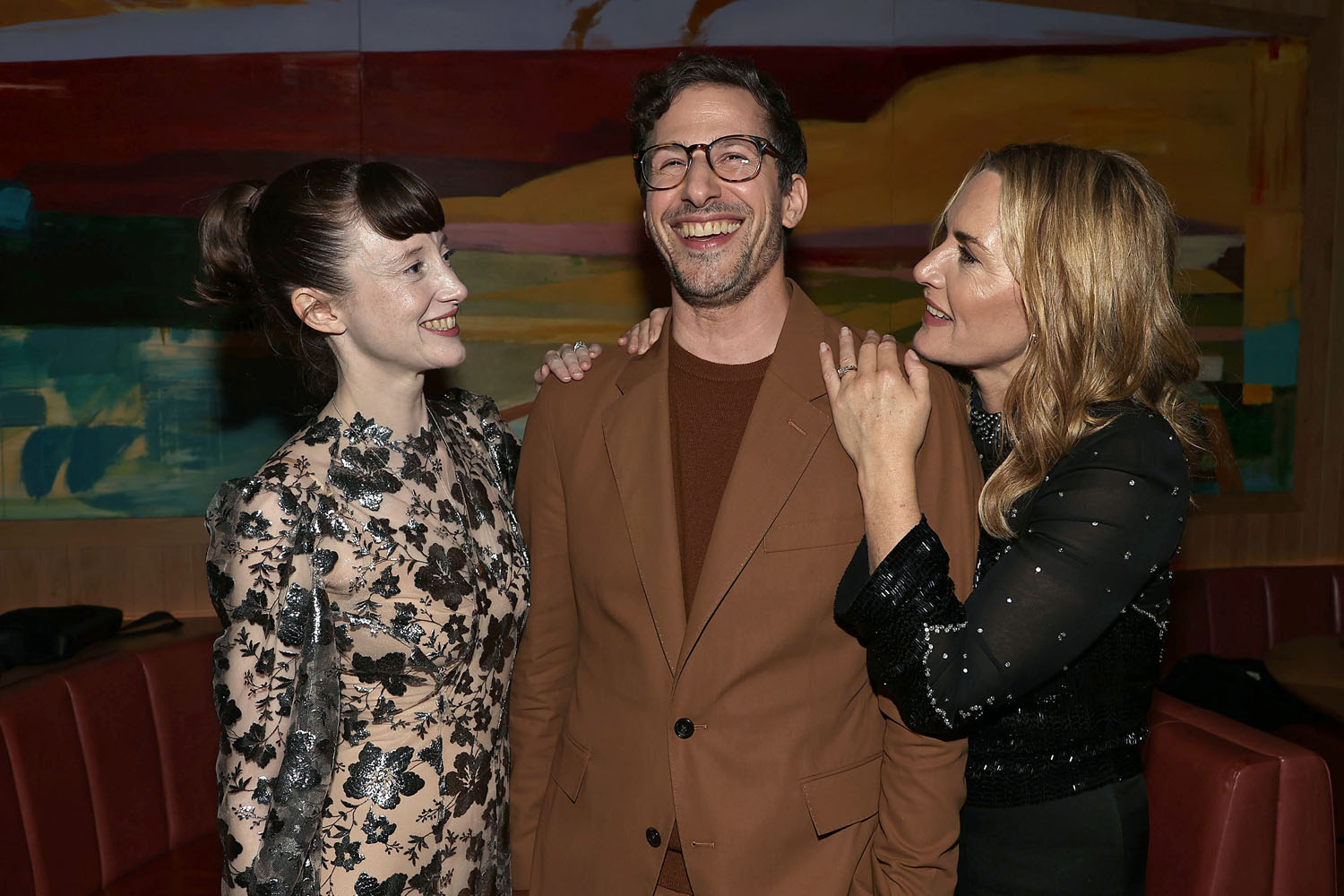
Kate Winslet in Lee

– 5 min read

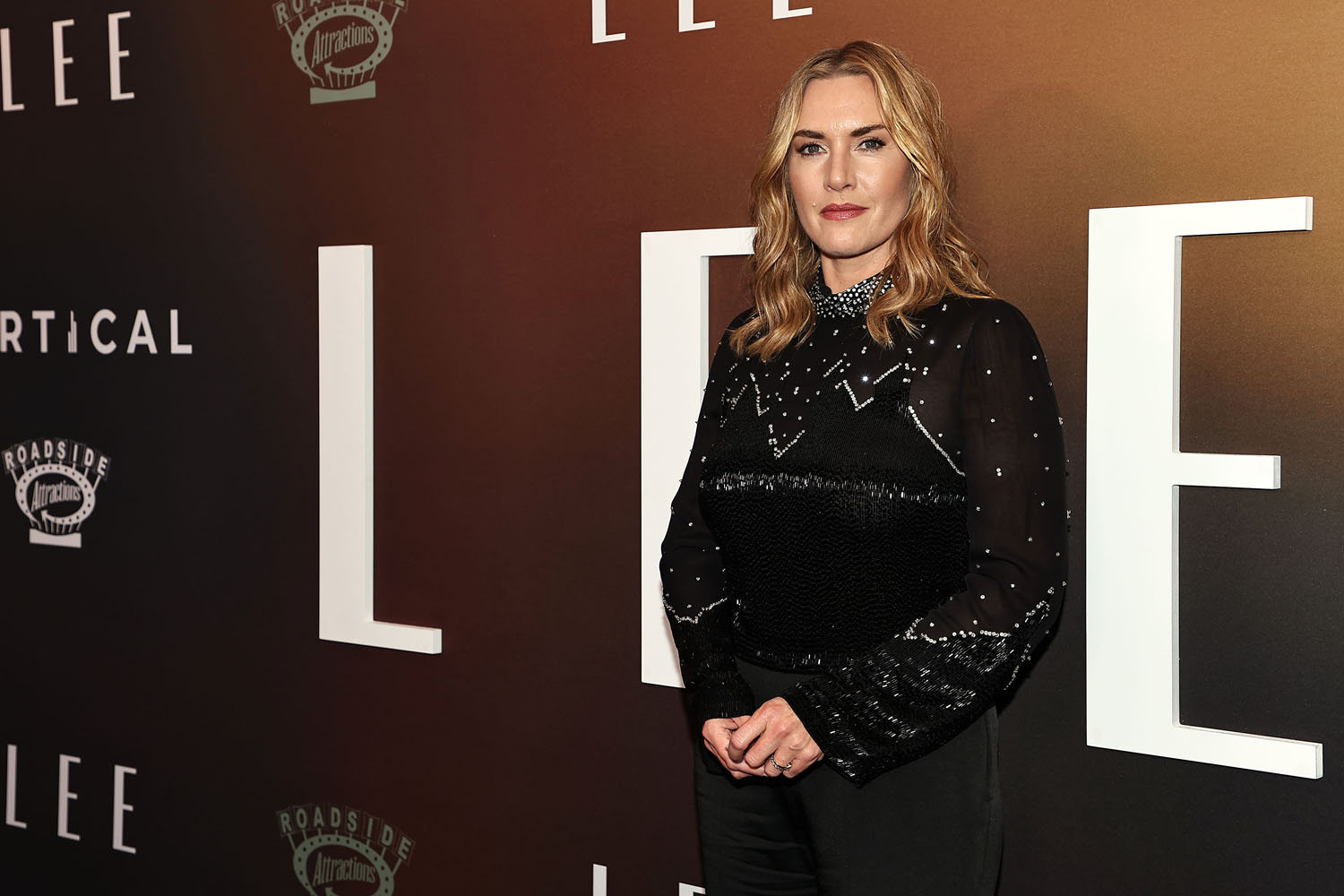
Cinematographer Ellen Kuras has lensed films for Spike Lee, Rebecca Miller, Mary Harron, Michel Gondry, and Sam Mendes, so it tracks that Lee, her debut as a solo feature film director, is a very handsome film. Even the most gruesome moments are artful, which also tracks, as Lee is a biopic about photographer Lee Miller, who is most well known for her photojournalism during World War II, documenting the horrors of the Buchenwald and Dachau concentration camps. She also famously posed taking a bath in Hitler’s personal bathroom, a sort of f-ck you delivered after months trekking through Europe on the trail of retreating Nazis. Kate Winslet plays Lee Miller with the stubborn chinned determination of the kind of person who would pose for a photo in Hitler’s bathroom.
Lee is based on Antony Penrose’s book about his mother, The Lives of Lee Miller (adapted for the screen by Liz Hannah and Marion Hume & John Collee, with story by Lem Dobbs and Marion Hume & John Collee), and while the film uses a groan-worthy framing device to tell Lee’s story, the Lee-at-war portion of the film is remarkably unsentimental. That is largely because Lee herself is unsentimental, and the film approaches the events of World War II with a similar mindset. The most horrible revelations are quiet, Lee’s callousness is contextualized but she never apologizes for being, well, kind of a bitch. At most, she acknowledges that her best, in some areas, falls short, but she can’t change how she is.
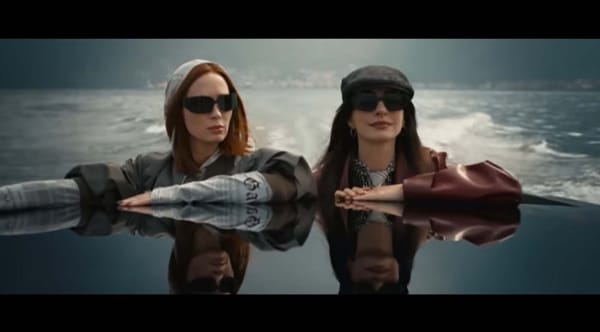
The film opens in 1938 France, where Lee and her posh friends are artsy Bohemians who picnic topless on the Riviera. They debate how seriously to take that Hitler fellow, with French and British men proclaiming their readiness to take a stand against fascism. Of course, WE know how that’s going to go, but in the moment, they’re young people with privilege and no real worries. Lee has been a model and muse to artists such as Man Ray but is hungry to get a foothold as a photographer, and so goes to British Vogue with her portfolio. There she meets editor Audrey Withers (Andrea Riseborough), as well as Cecil Beaton (Samuel Barnett), who is super bitchy and a source of friction for Lee, though he mostly checks out of the film once she goes to the continent.
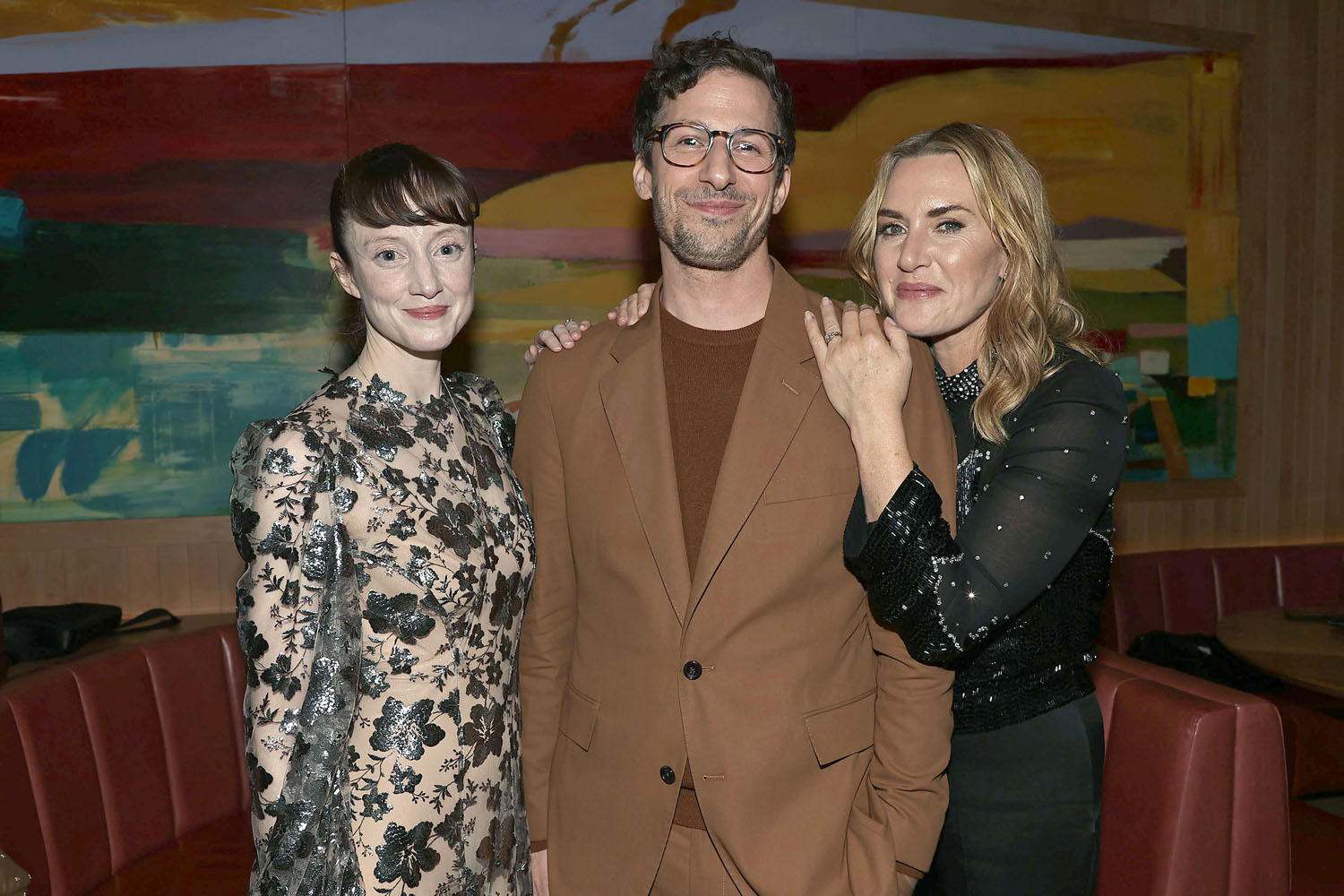
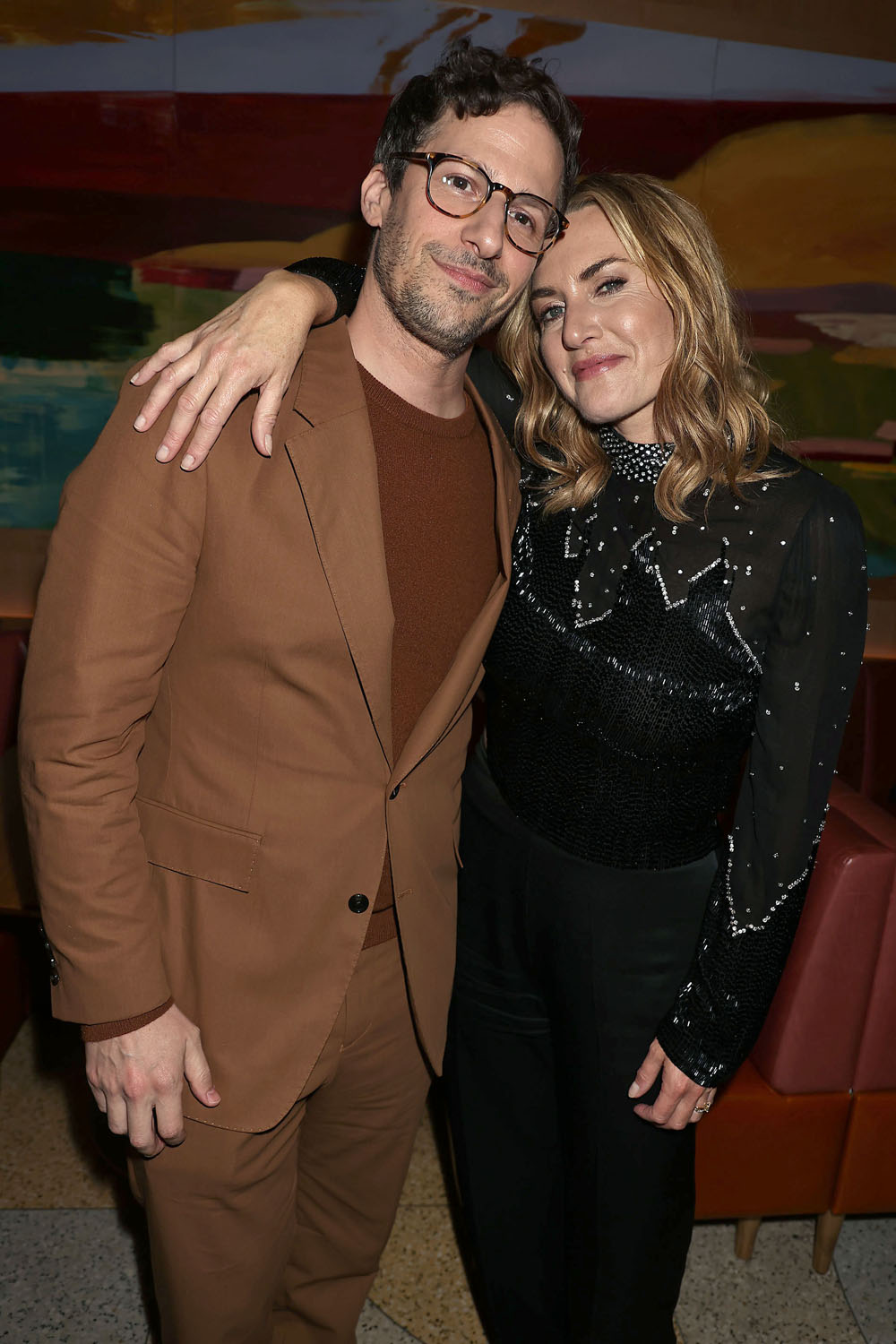
Lee spends the early years of the war photographing women around England, showing the women’s side of the war, and that is how she meets another American photographer, David Scherman (Andy Samberg). “Davy”, as he’s called, forms a friendship and effective collaboration with Lee, though it ends when he goes to the front, and she can’t follow. Eventually, though, she does get to Europe in 1944 and reconnects with Davy. Kuras and her collaborators, cinematographer Pawel Edelman and production designer Gemma Jackson, recreate Lee’s photographs faithfully, often cutting from the moment during the war to that 1977 future to show us what she saw versus what she recorded. As eye-rolling as the framing device becomes, it does serve well to show the record Lee built of the war without engaging in too many gimmicks.
Also, Lee is in a relationship with posh Brit Roland Penrose (Alexander Skarsgard), whom she treats terribly but he is devoted to her, nonetheless. This is another box-ticking element, as the film is supremely uninterested in why Roland puts up with Lee. The film makes no bones about how deeply unpleasant Lee is, but it does little to show why anyone sticks around. Perhaps because the source material is from a son who only discovered his mother’s second life as a photojournalist after she died, Lee struggles to illuminate her relationships with other people. She treats Davy like a lapdog, expecting him to heel or go depending on her mood, his unflagging friendship is completely inexplicable.
But what Lee does well is show what it was like to go into the darkest places of World War II, to stare into that abyss and document it for the rest of the world. Winslet and Samberg are both great at showing the toll the war takes on Lee and Davy, their shoulders bowing and expressions turning grim as a default setting. Samberg, especially, does great work as Scherman, a Jewish man confronted with the attempted destruction of his people who must keep documenting it even as you can see his soul dying in his eyes. Similarly, Marion Cotillard pops up as a French aristocrat who goes from carefree woman of leisure to shattered husk and does it with one brutal line delivery.
Lee is meticulously made, particularly in recreating the moments Lee’s work captured. It isn’t doing anything new, but it avoids the worst cliches of the genre and is bolstered by excellent performances. And since Lee Miller’s story is likely unfamiliar to everyone except photography enthusiasts, it makes for an interesting if only mildly compelling telling of her life, though it never quite reaches the depths of the woman herself. Lee is, however, a film with great empathy for those caught in the terrible wake of war, especially women.
Lee is exclusively in theaters from September 27, 2024.