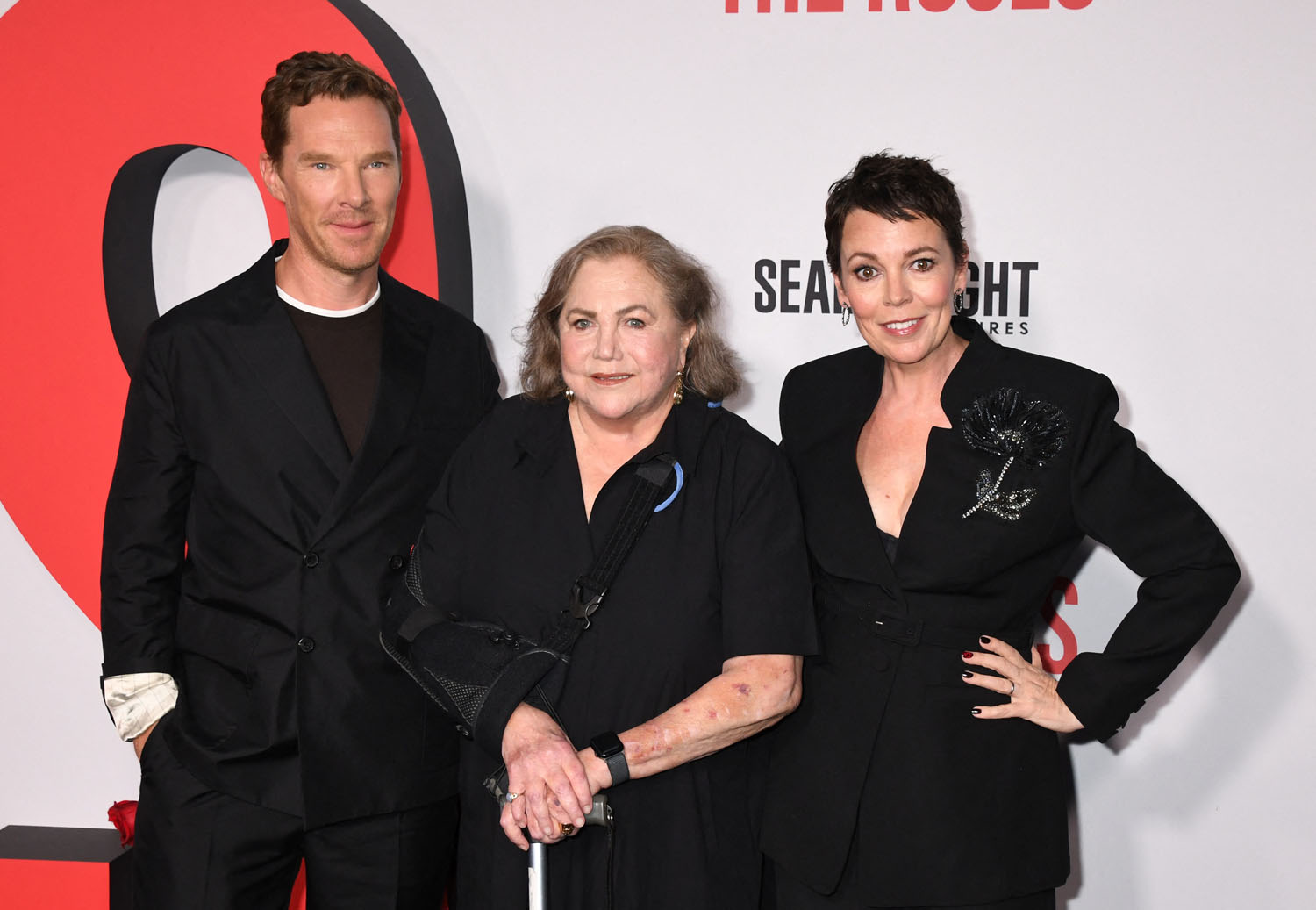
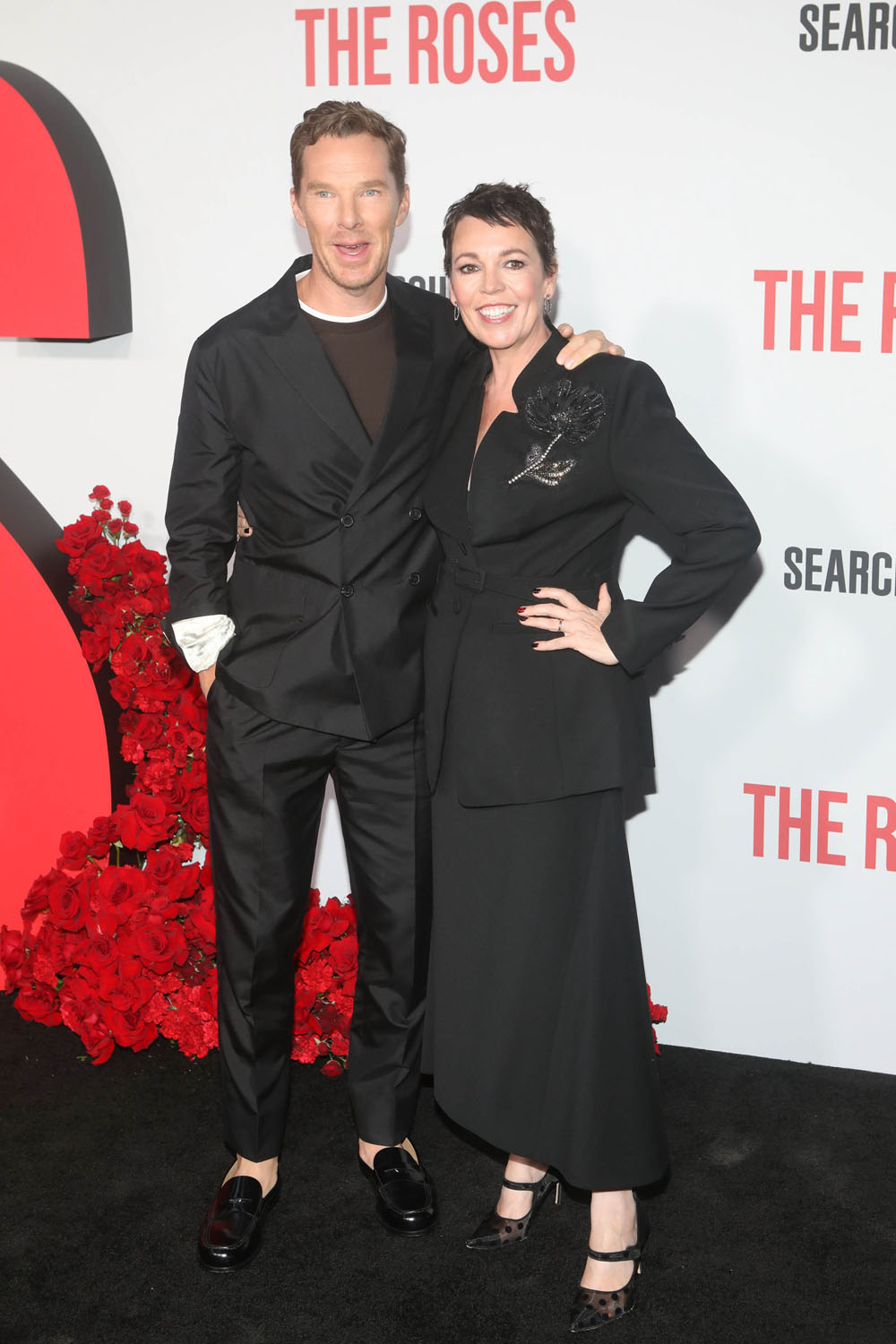
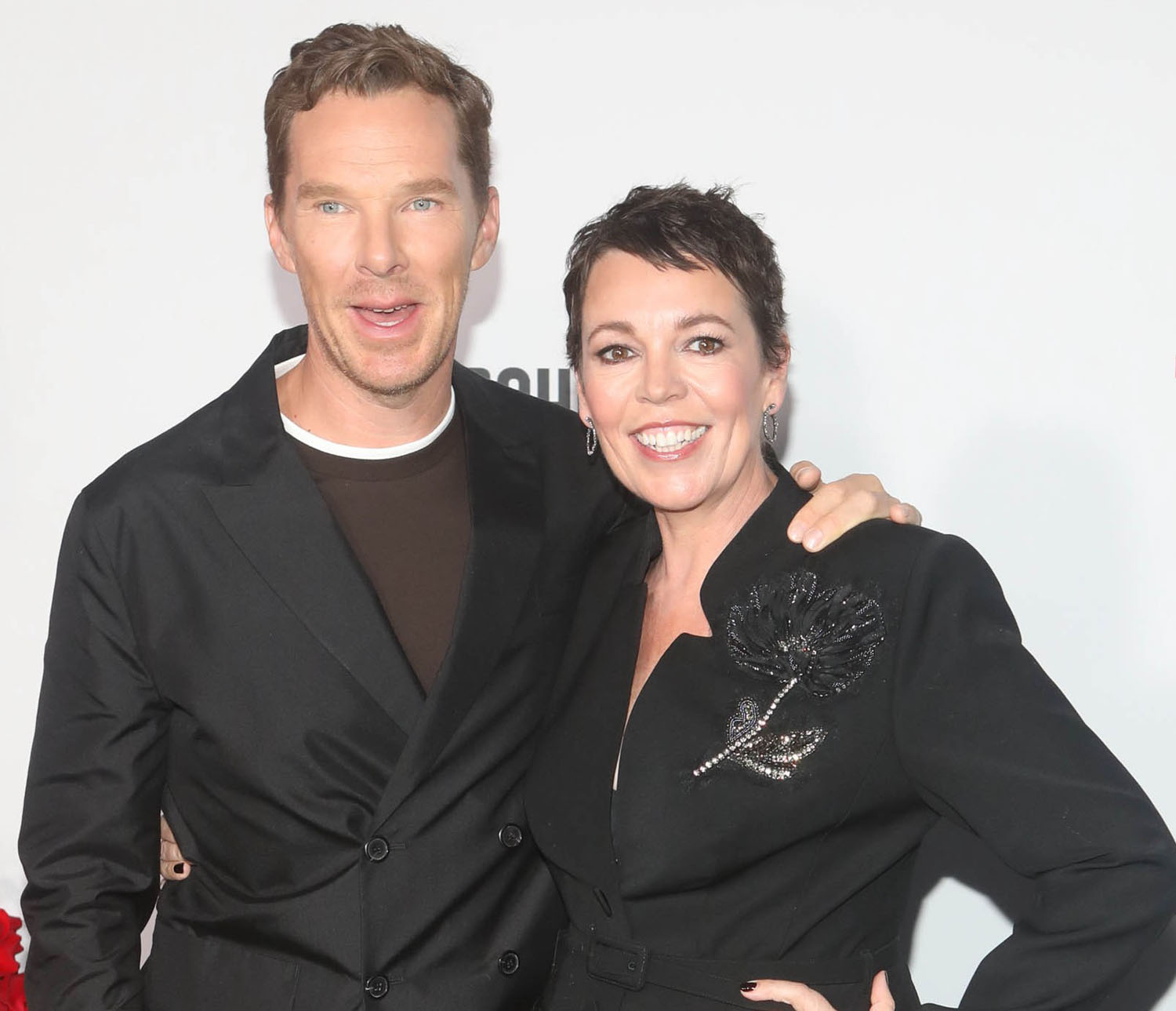
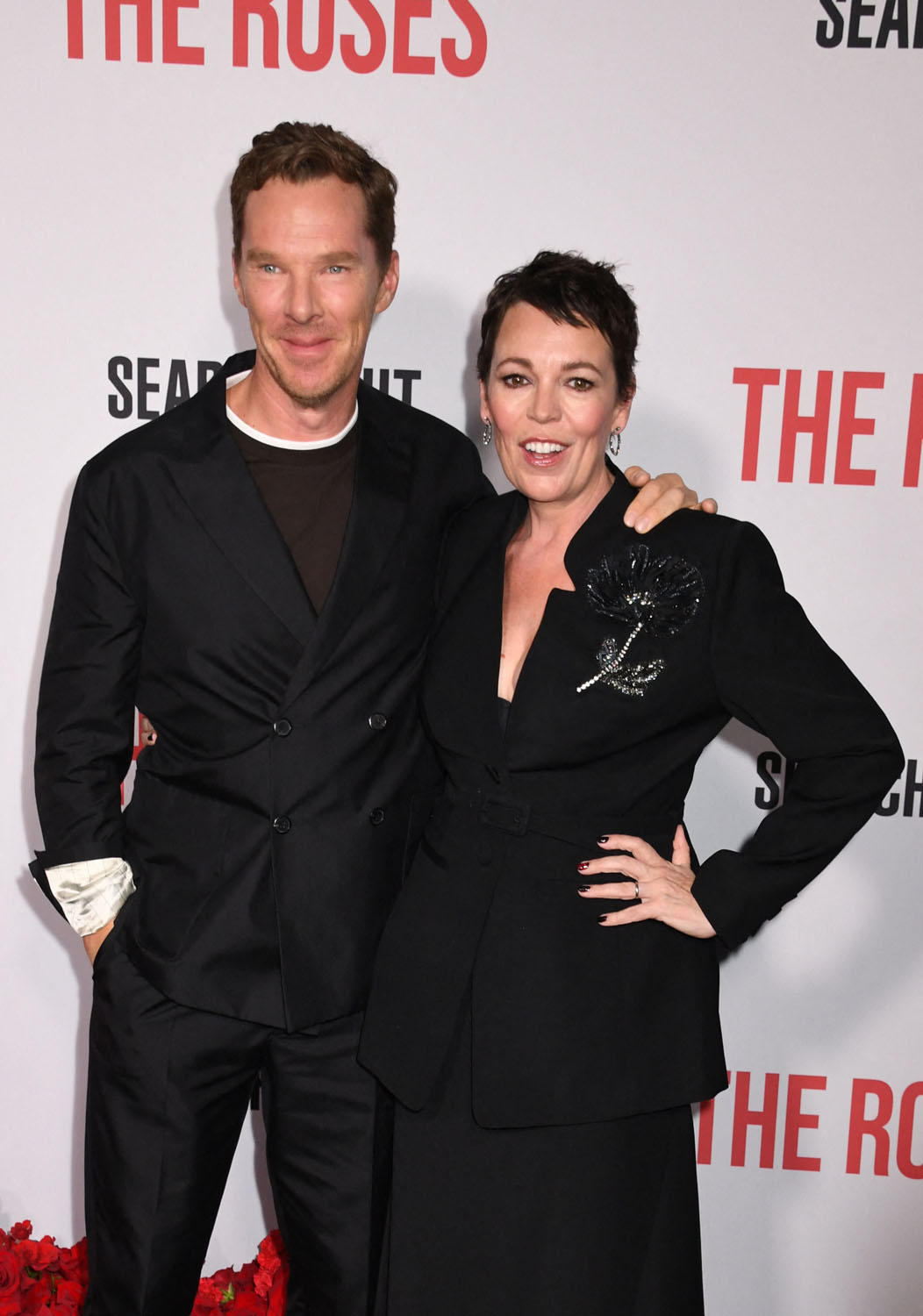
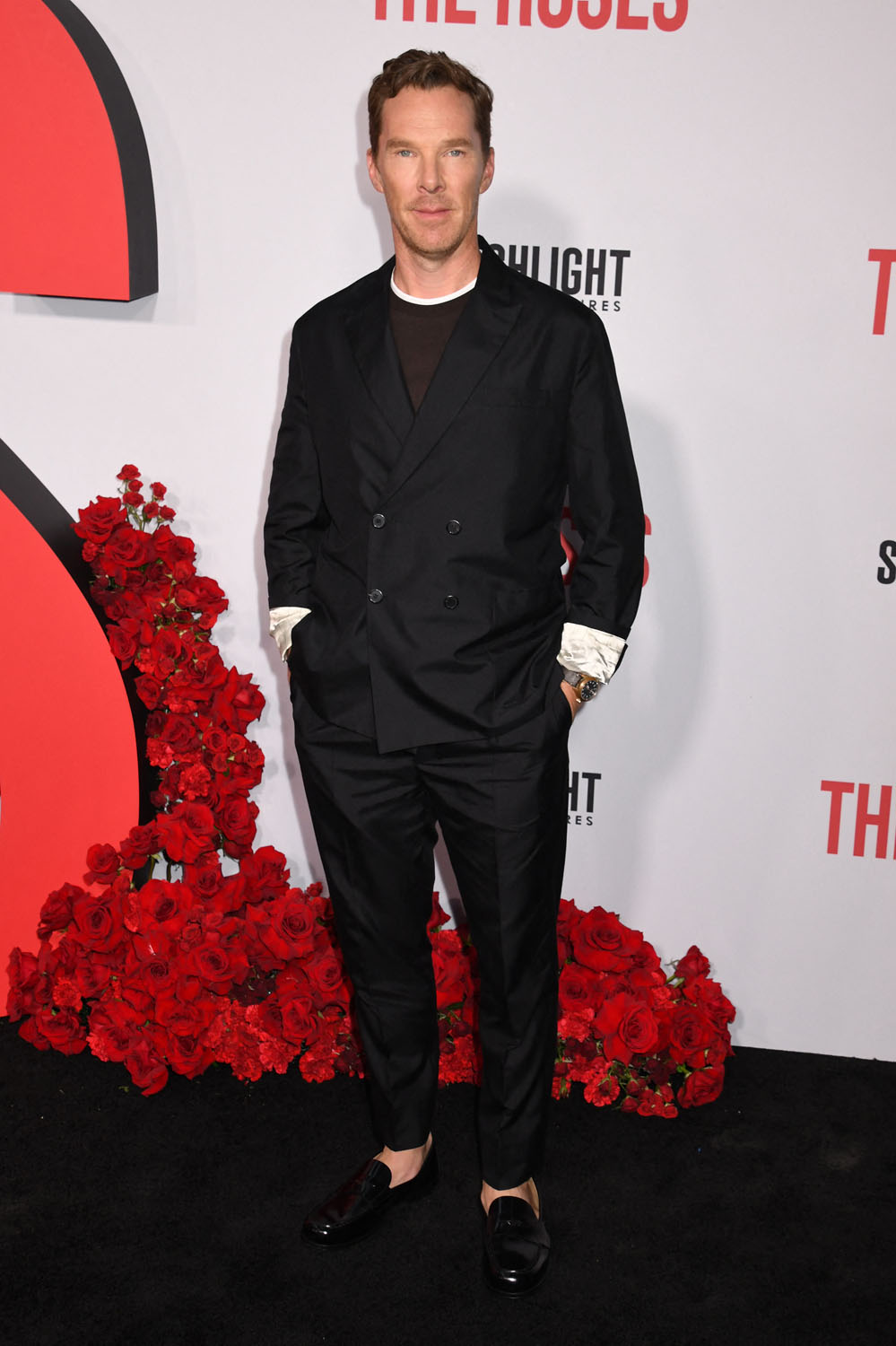
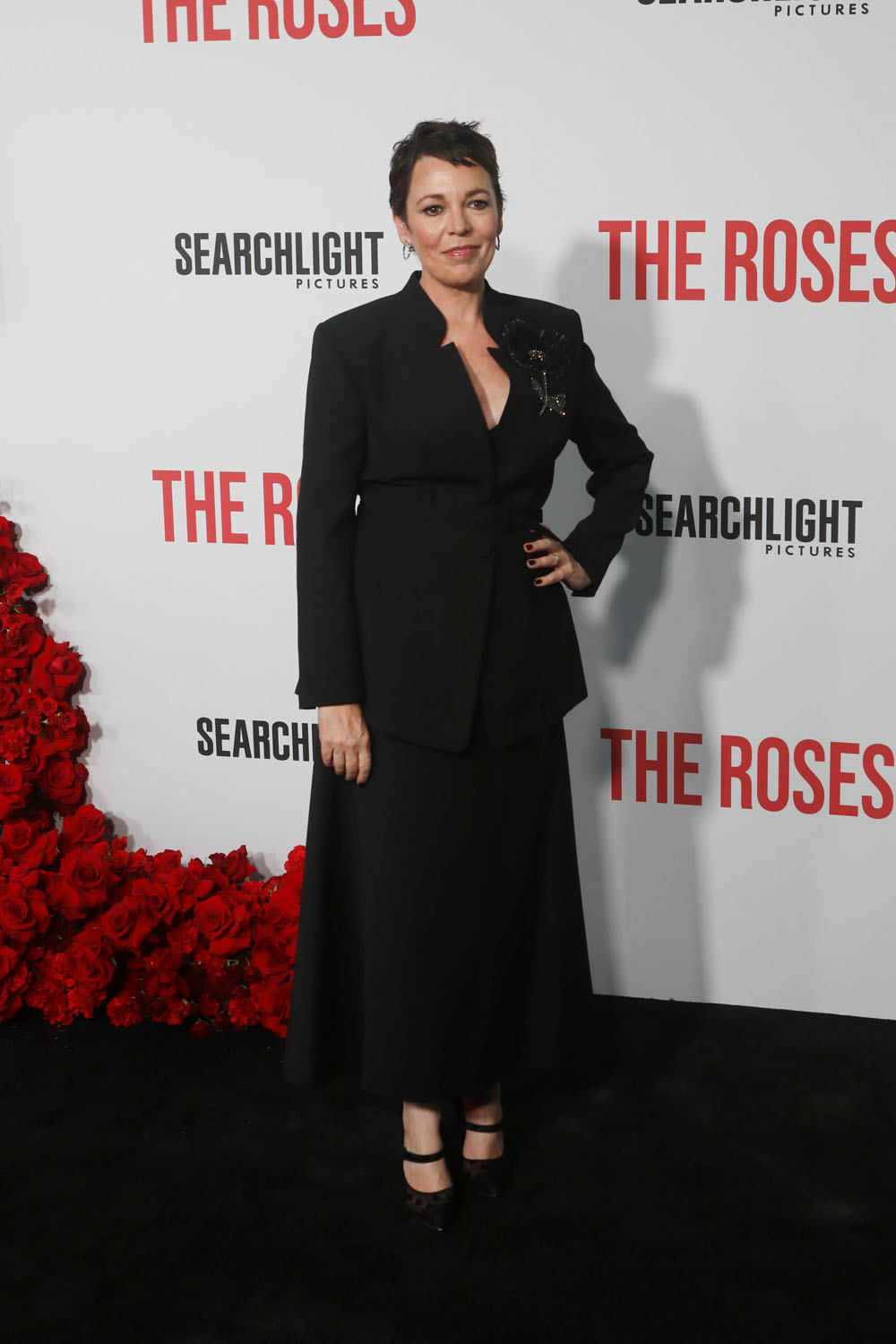
Benedict Cumberbatch and Olivia Colman in The Roses

– 6 min read


Warren Adler’s divorce-themed novel, The War of the Roses, was published in 1981, born of the era in which the introduction of no-fault divorce led to a huge spike in divorces. In 1989, Danny DeVito—an underappreciated director of comedy—adapted Adler’s novel into the similarly titled The War of the Roses, which remained faithful to the book, in which a wealthy lawyer and his wife, a homemaker turned successful caterer, sink into the depths of viciousness and villainy throughout their divorce. DeVito’s film is the blackest of black comedies, with an indelibly mean ending. Now, working from a new script by Oscar-nominated screenwriter Tony McNamara, director Jay Roach adapts The War of the Roses anew, dubbing it simply: The Roses. Stripping “war” from the title is apt, as Roach’s film is less about divorce than it is mid-life marriage ennui.
The central couple are now called Theo and Ivy Rose. Theo (Benedict Cumberbatch, obviously enjoying stretching his comedy chops) is an architect and Ivy (Olivia Colman) is a chef. They meet when Theo abandons a work lunch, depressed by the pedestrian building his firm is erecting, and Ivy rather jokingly invites him along to America with her. Enraptured by Ivy’s cooking and offering her the recognition and praise she does not receive from her boss, Theo rather jokingly agrees to go with her. Jump forward a few years and they’re happily married, living in coastal California and raising two children.
As much as everyone around them upholds Theo and Ivy as an exemplary couple, there are cracks apparent in their relationship. Ivy put her cooking dreams on hold to raise their children, whom she encourages to express themselves freely, which means the children are wildly disruptive in public, and gorge on multiple rich desserts every night. Theo, meanwhile, warns against the evils of sugar. But he’s too busy being a successful architect to interfere too much with Ivy’s parenting. However, a professional setback—coupled with global viral humiliation—ends Theo’s career, and he offers to stay home with the kids just as Ivy experiences unprecedented success at her seafood restaurant.
Jump forward a few more years and Theo is entrenched as a stay-at-home parent, and Ivy has built a food empire. He has turned their children into regimented, over-achieving athletes who won’t eat their mother’s food, and Ivy bestows upon Theo unlimited funds to build their dream home in Mendocino—brace yourself for Nancy Meyers-levels of real estate p-rn, The Roses house might be the best California coastal home since Practical Magic. This is where The Roses begins to turn from casual comedy into the black comedy that defines Adler’s work, and which DeVito took to such funny but brutal lengths.
Even as the bloom has thoroughly fallen off their relationship rose, Theo and Ivy maintain the pretense of a loving couple. But things become toxic enough that when they eventually announce their divorce, their children are relieved. The Roses offers some scathing comedy, and Cumberbatch and Colman are well suited as a toxic couple, maintaining polite British pretense while spewing the most hurtful invective they can at each other. Their combination of politesse and personal hatred is oddly compelling to their friends, but when anyone else tries to match the Roses’ tone, it shows just how awful they are truly being to one another, no matter how polite they sound when talking.
But Roach’s film ultimately lacks the bite of DeVito’s, which means he’s also sanded down Adler’s edges as well. Roach presents the Roses less as a cautionary tale and more as an inspiration—even sunk in the depths of their misery, Theo and Ivy hold onto some goodwill. The Roses has some very funny jokes, but much of the humor falls into the “marriage is hard but just grin and bear it” camp. The Roses have friends, Barry (Andy Samberg, in “distractingly hot dad” mode) and Amy (Kate McKinnon, working equal opportunity pansexual imp energy), who seem pretty miserable, too, but they stick together because…like…why not? What are they supposed to do, abandon two decades of relationship effort because they fell out of love?
I mean…yeah. It’s sort of a problem for The Roses that cultural attitudes around divorce have shifted so much. It’s no longer seen as a family-destroying boogeyman, in which a homemaking wife can “walk away” with her husband’s net worth even though she “didn’t contribute” to the marriage (Adler’s novel directly interrogates which contributions we value as a society), we’re now two generations deep into 50% of kids growing up in divorced families. This shift shows the most in the Rose children, who welcome news of their parents’ divorce with relief and hope for their parents. In this environment, the act of divorce itself is not evil, it’s just one of many life milestones some people reach.
Roach’s film works best when focused on the specific reasons Theo and Ivy hold out and spite each other, the long-gestating resentments and petty offences they’ve cataloged through years of marriage. The Roses is less about divorce and more about long-term relationships. Everyone sort of hates their partner, which is presented as normal in committed monogamous relationships (is it?). The only person having romantical fun is Jeffrey (Ncuti Gatwa), Ivy’s promiscuous gay restaurant manager. (Gatwa deserves better than such a tokenized role, but even within a piss-poor character framework, he still sparkles on screen like a true star.) Everyone else is miserable and clinging to their relationship with their fingernails because that’s just how marriage is (IS IT???).
That’s where the sharpest and bleakest humor in The Roses comes from, but since it IS based on Adler’s book, the story must venture toward a prescribed ending. It is certainly fun getting there, and Cumberbatch and Colman attack it—and each other—with gusto, but the finale can’t help but feel more sad than anything. Because the film was never really about separation, but about commitment, the ending takes on a Shakespearean tang of tragedy. Which would work better if the setup was better, instead, the ending feels too harsh for a film that had some pointed jokes about marriage but never really sank its fangs into the dying heart of the institution (as intended). The Roses is worth it just to see Benedict Cumberbatch and Olivia Colman hugely enjoying themselves, but in the end, it’s more bark than bite.
The Roses will play exclusively in theaters from August 29, 2025.