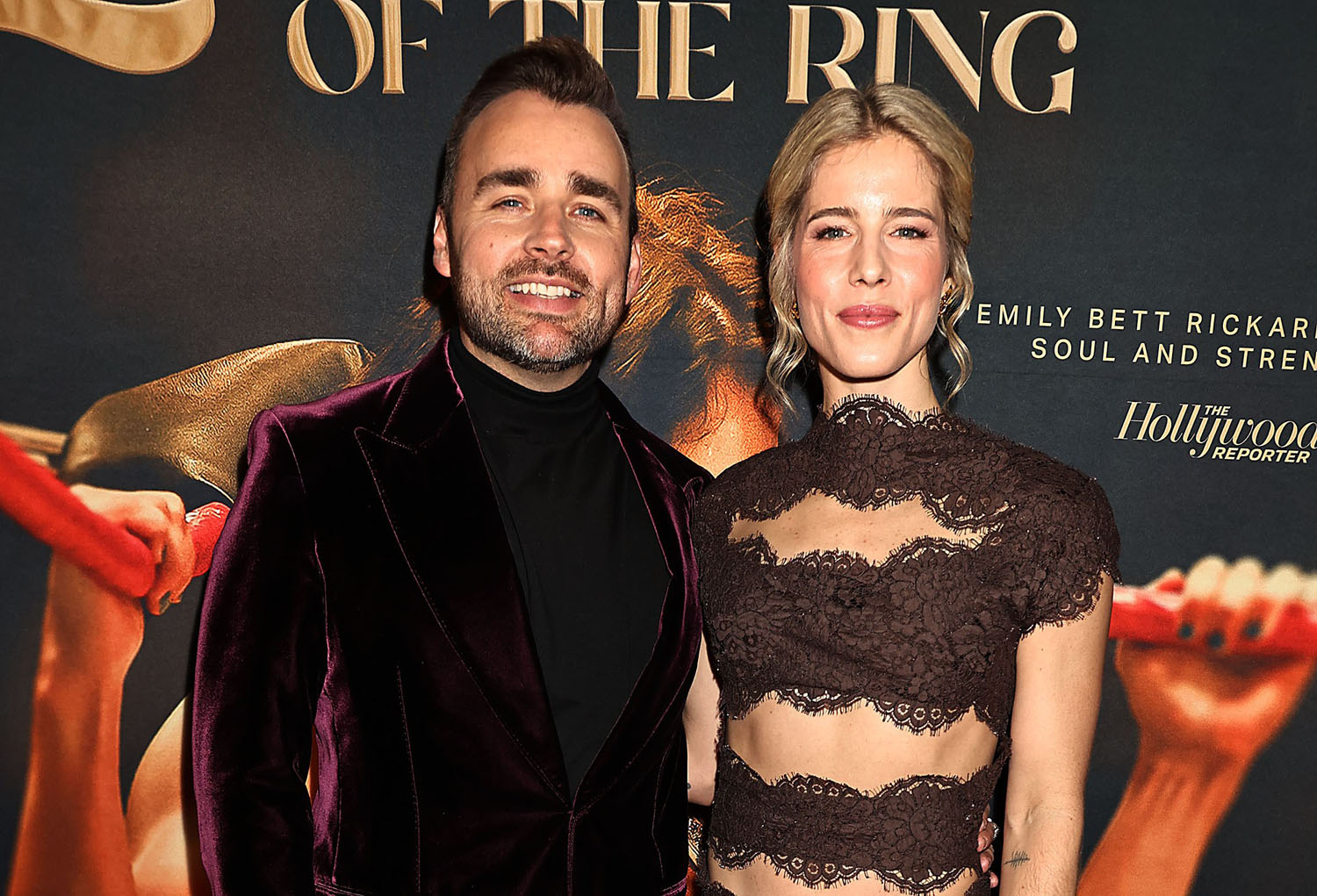
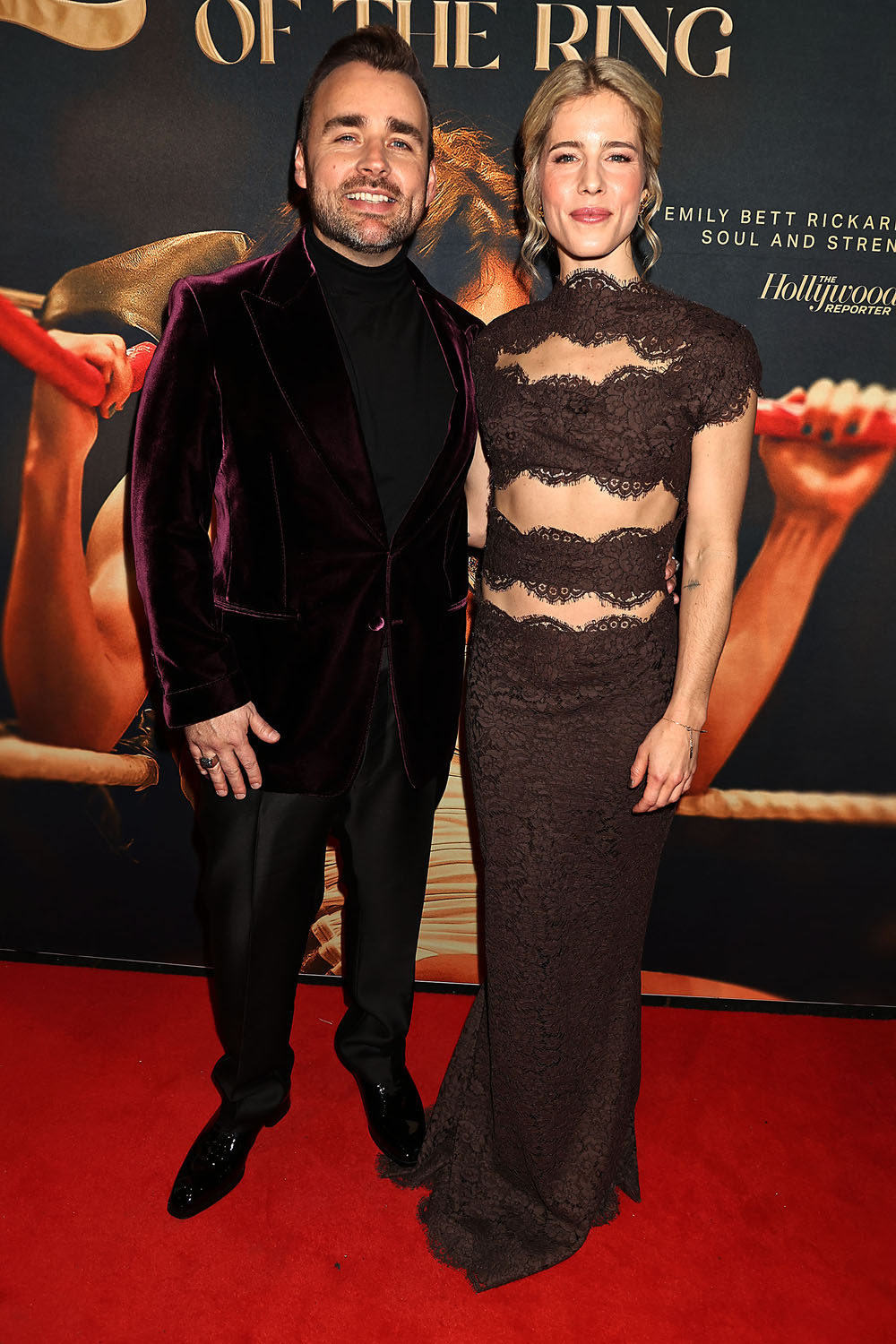
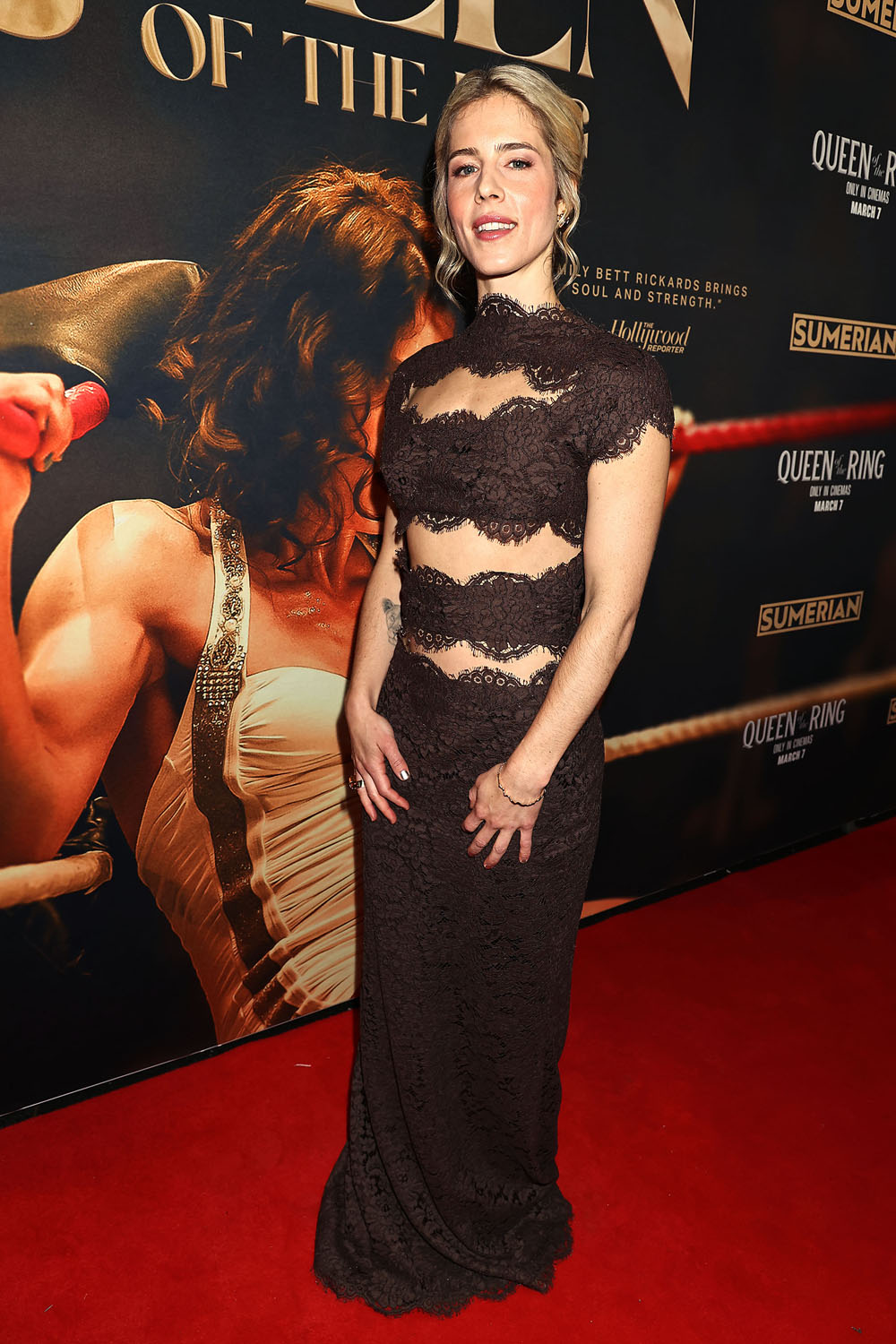
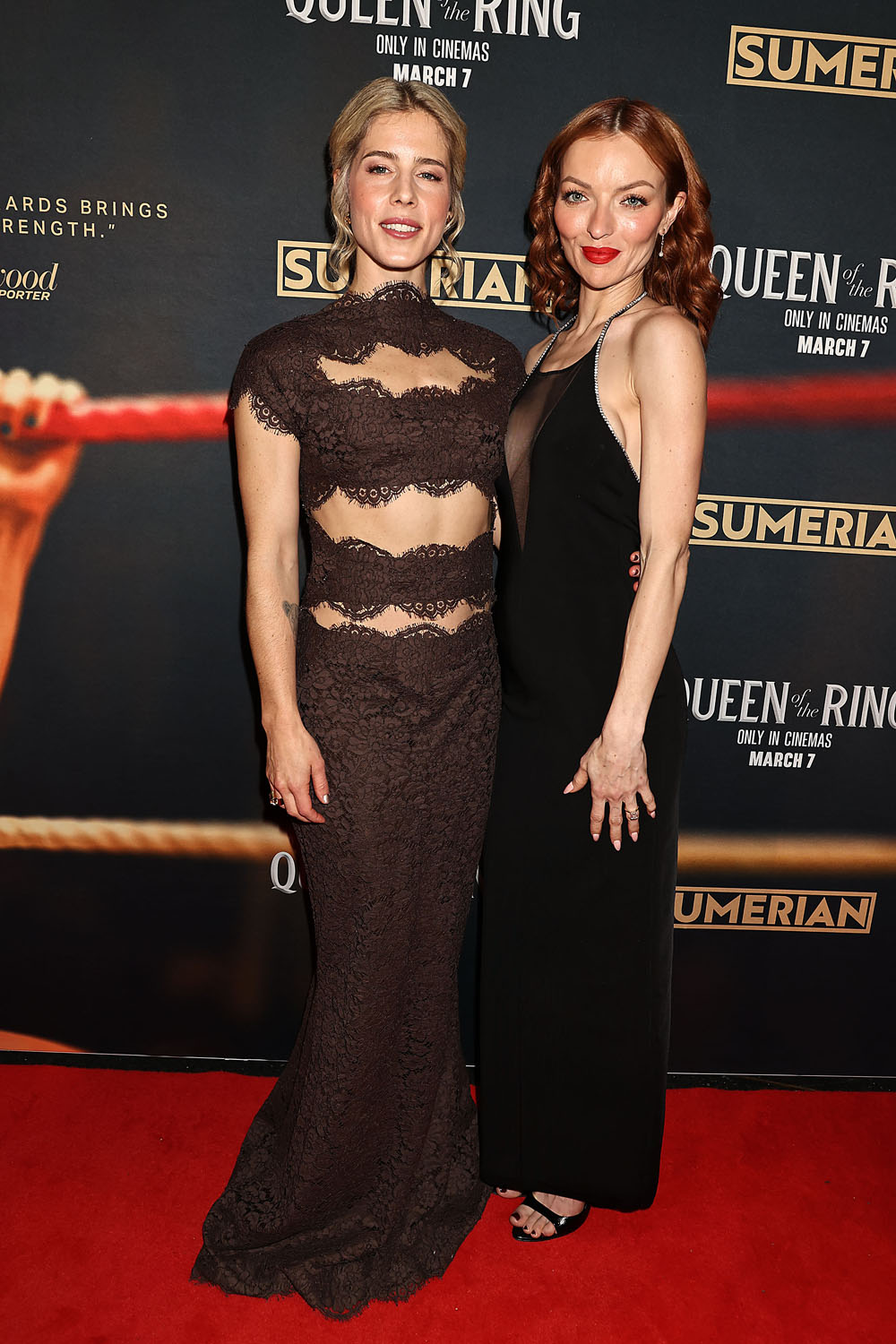
Emily Bett Rickards in Queen of the Ring

– 4 min read
Sports dramas, like romantic comedies, are a genre of film hidebound by narrative tropes and genre conventions. There isn’t much you can do within the bounds of the genre before the film stops being of the genre, so the best way to ensure a fresh approach is to find a story that hasn’t been told much, if at all.
Wrestling drama Queen of the Ring tries to do just that by mining the life story of Mildred Burke, the first American woman to become a million-dollar athlete while simultaneously breaking down doors in professional wrestling. Directed by Ash Avildsen and co-written by Avildsen and Alston Ramsey (based on Jeff Leen’s book, The Queen of the Ring: Sex, Muscles, Diamonds, and the Making of an American Legend), Queen of the Ring focuses on a woman whose contributions to the sport haven’t been widely touted, and it does feel a little fresher for it.
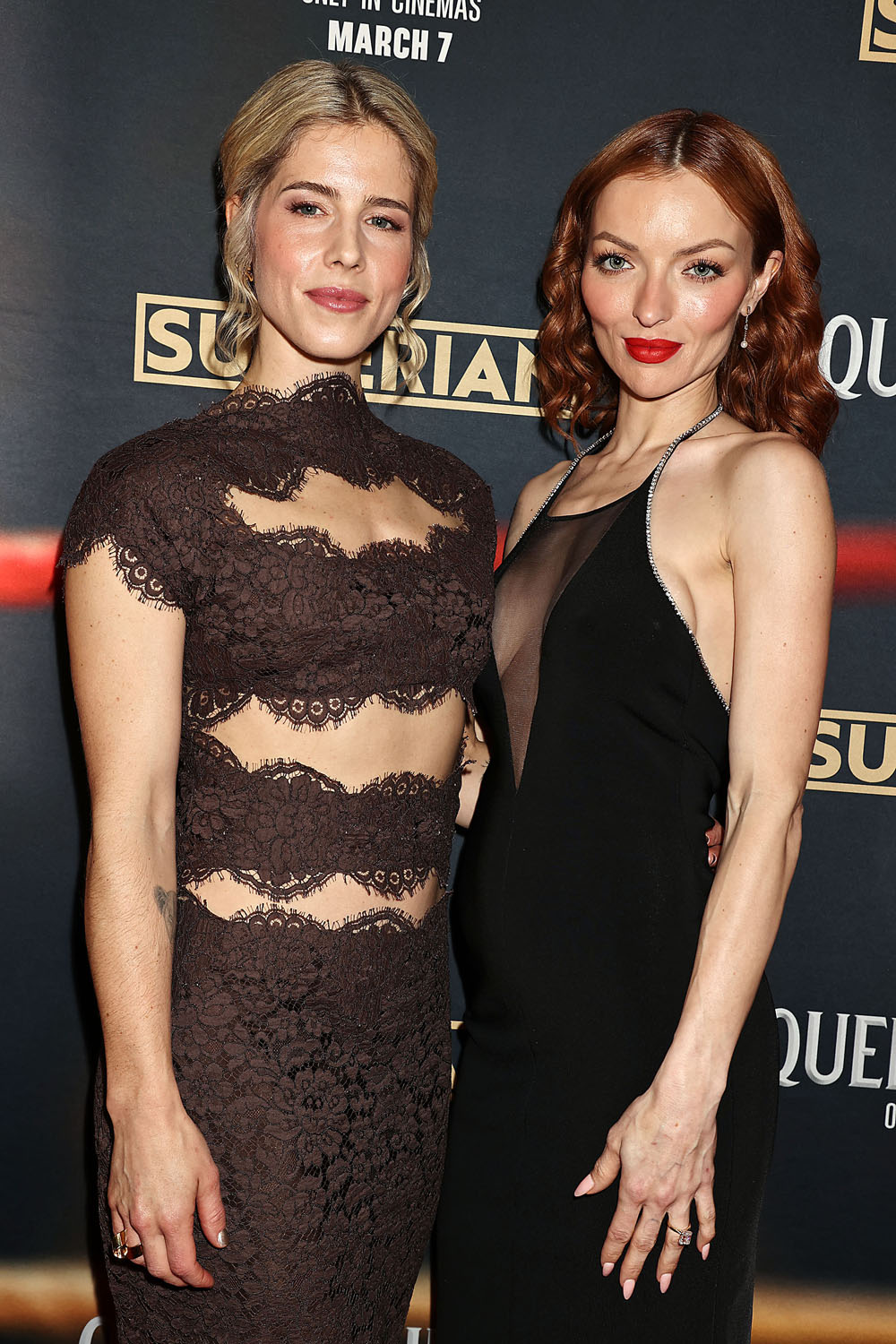
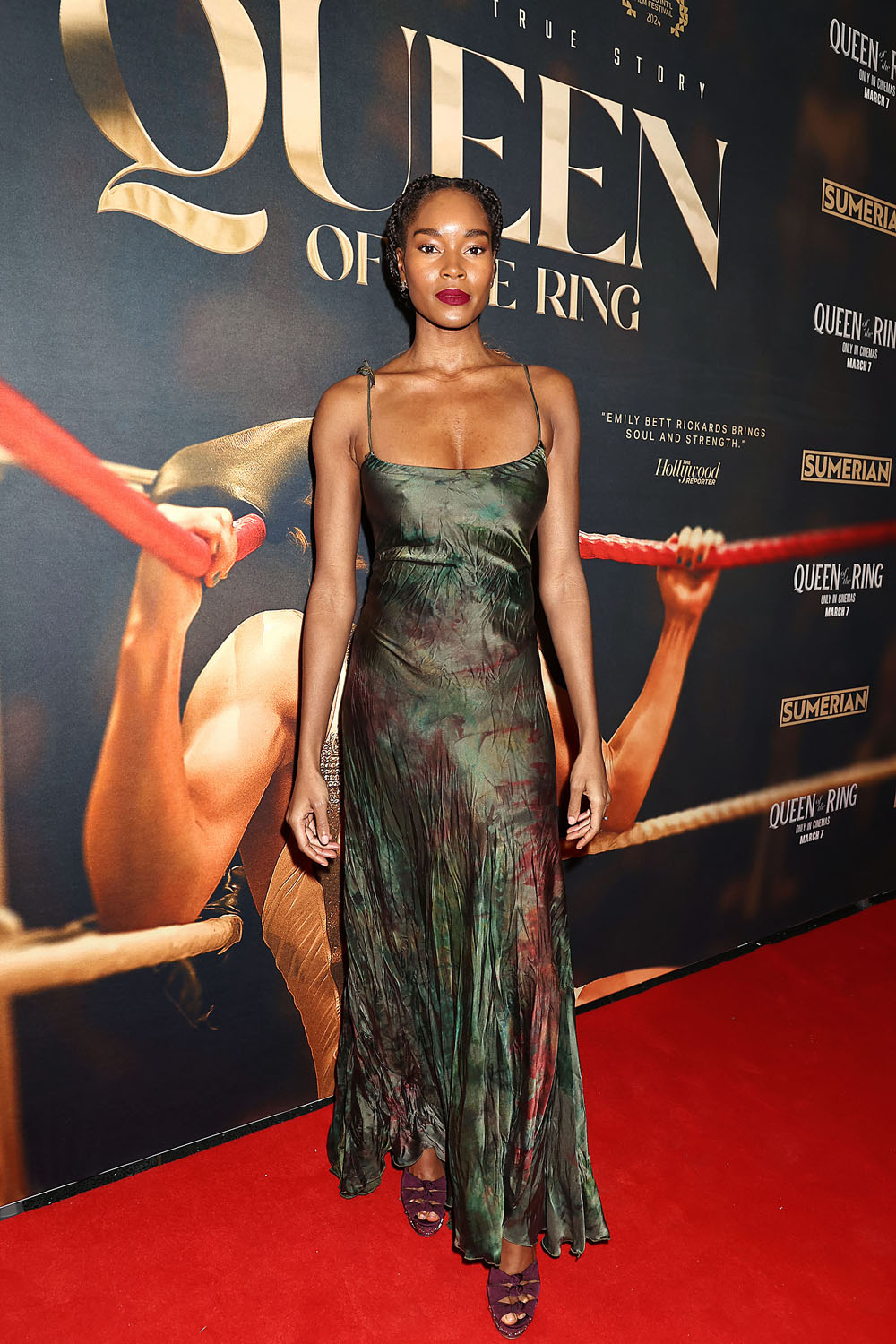
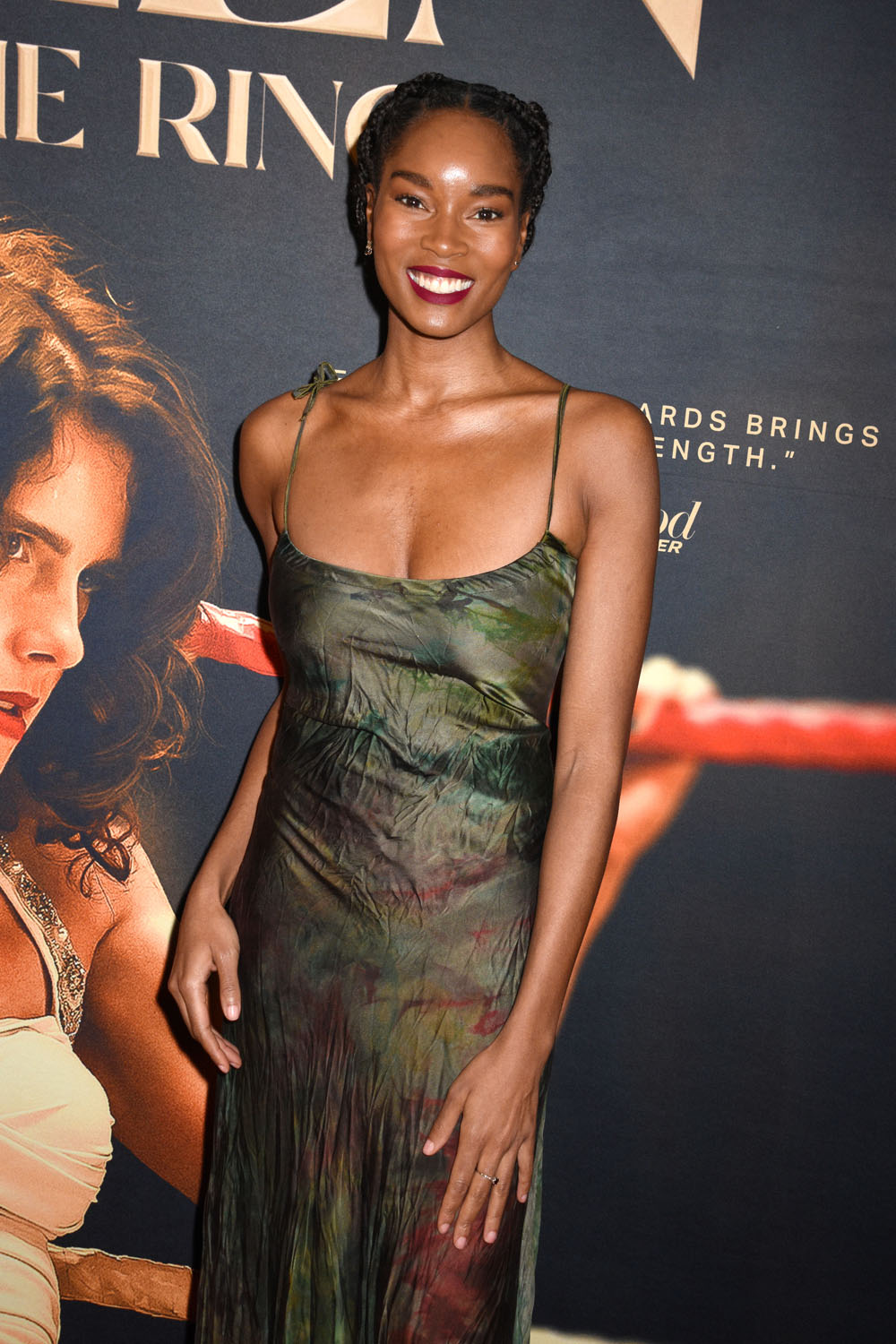
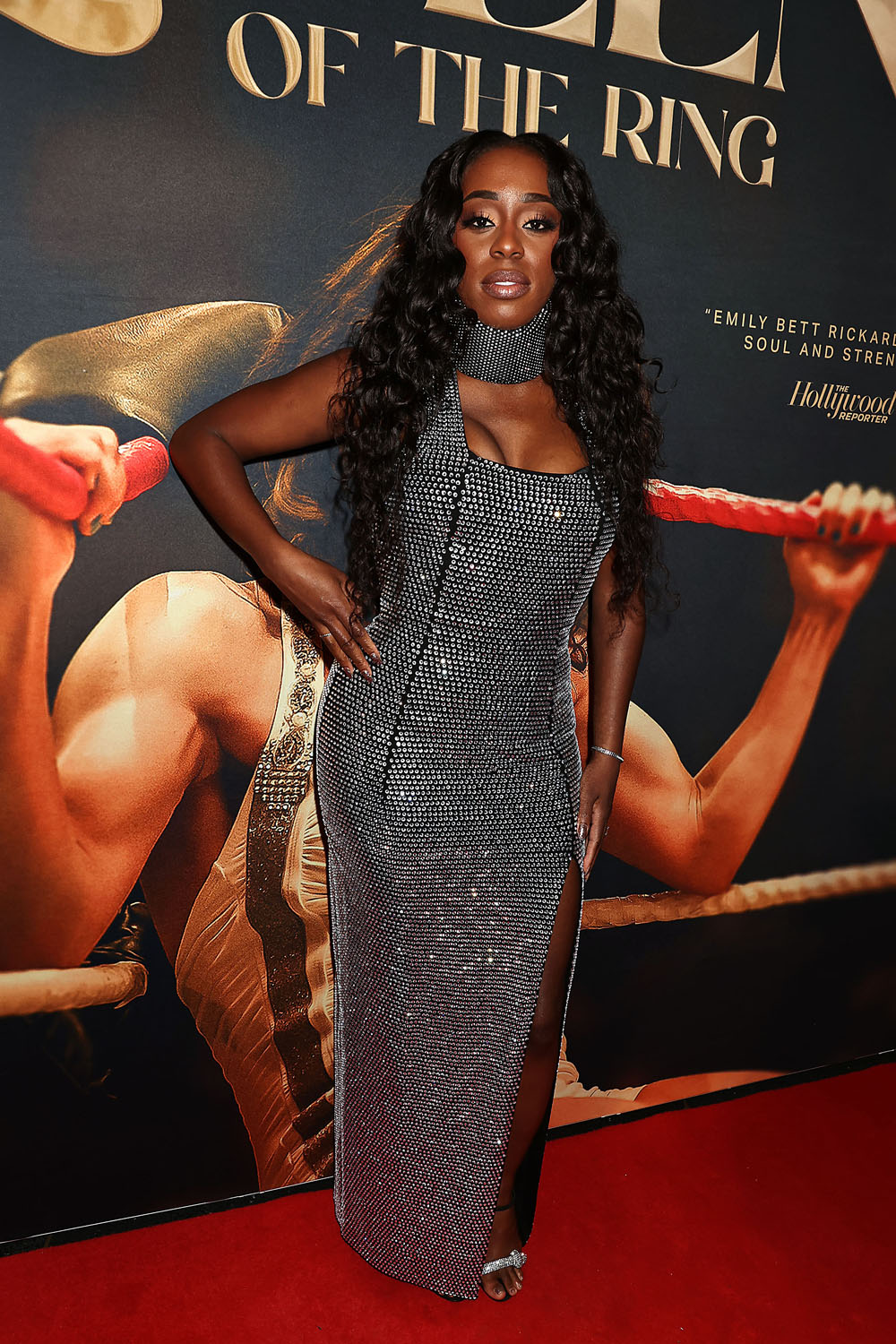
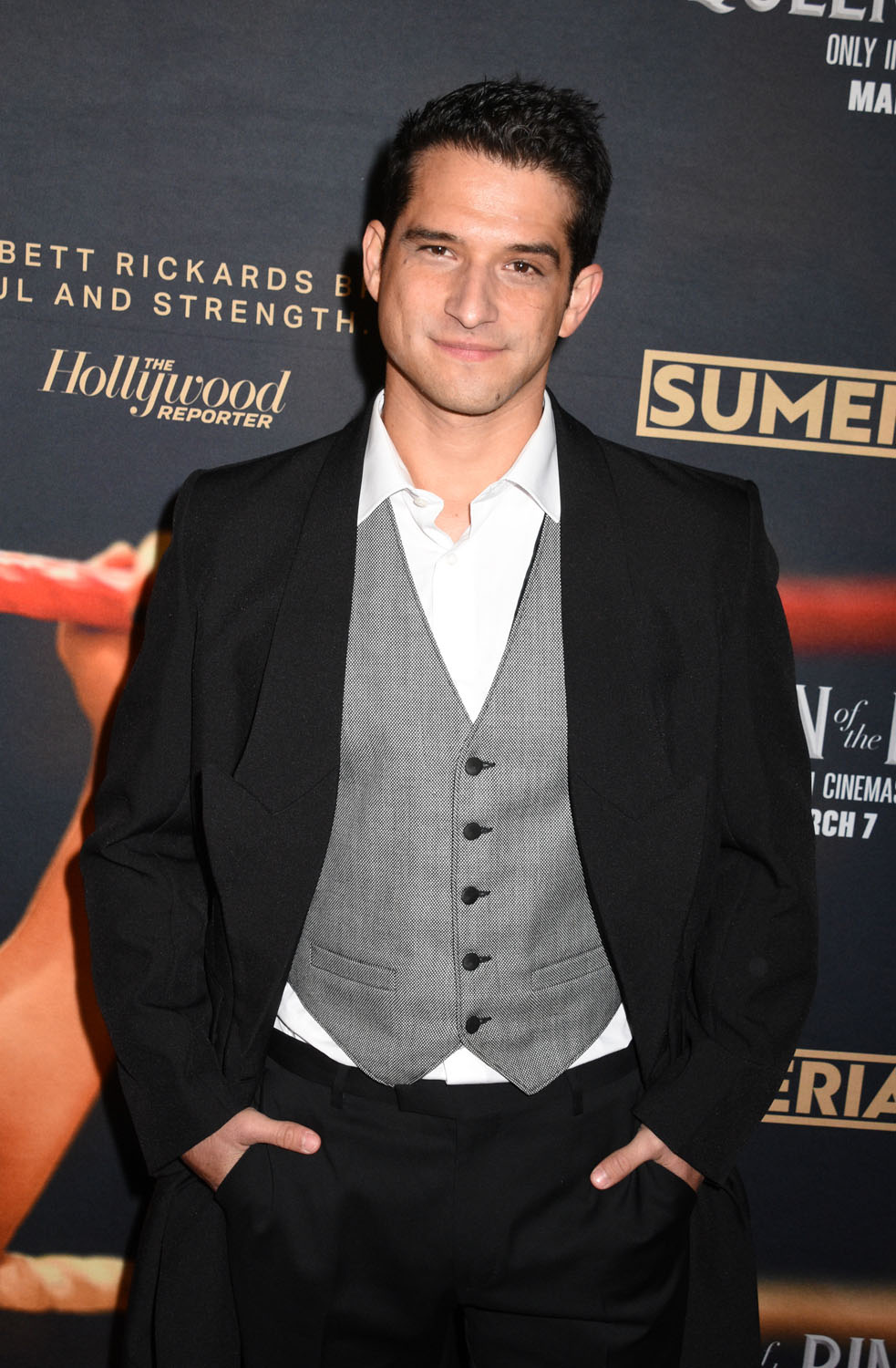
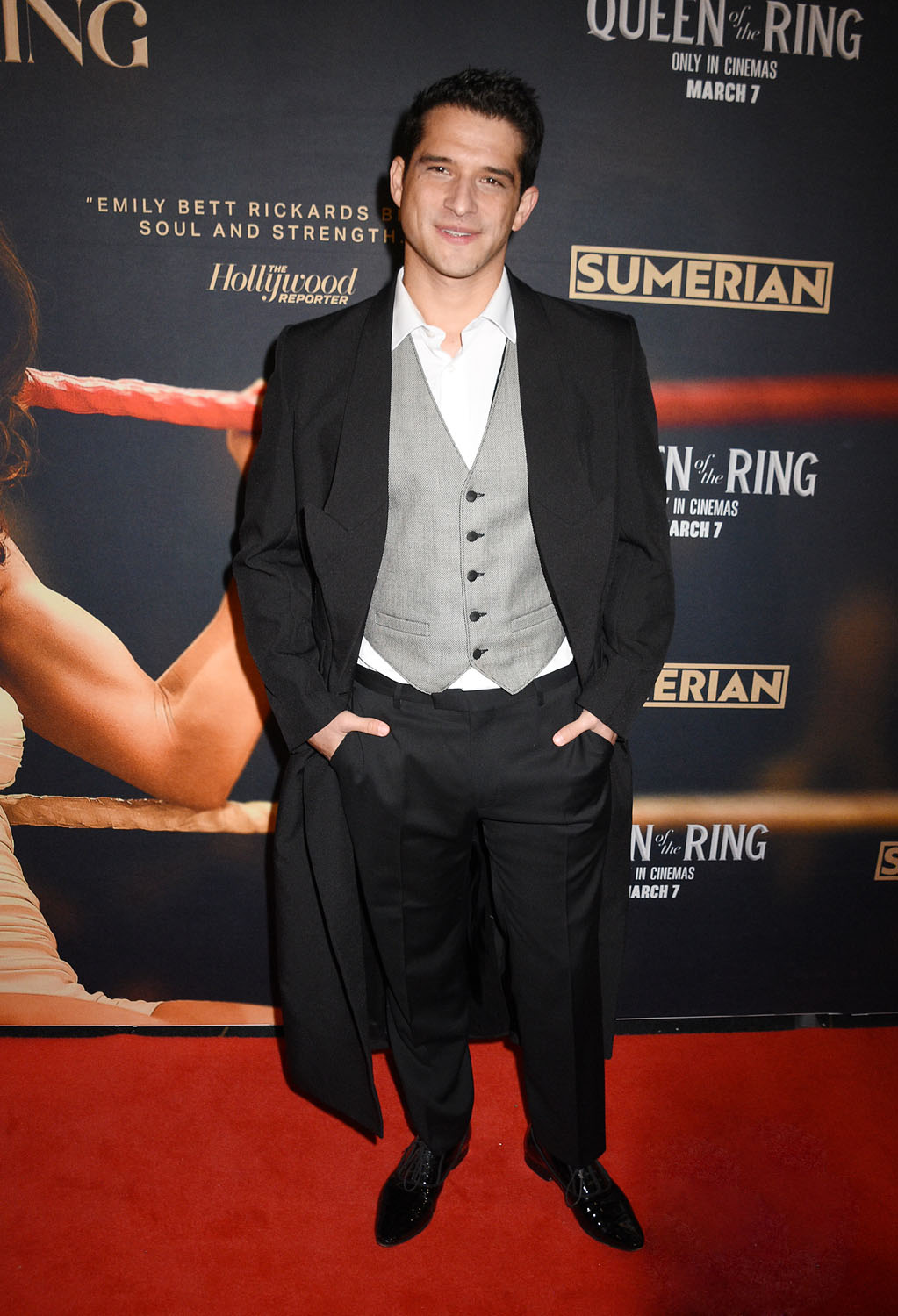
Emily Bett Rickards (best known for playing spunky hacker Felicity Smoak on Arrow) buffs up and steps up as Mildred, a single mother in the Great Depression who dreams of wrestling, never mind that it’s illegal for ladies to wrestle. She gets her start wrestling men in carnival shows, then catches the eye of G. Bill Wolfe (Tyler Posey, feeling a little outclassed) and his father, wrestling promoter and Billy Wolfe (Josh Lucas, doing the outclassing). In short order she’s married to Billy and wrestling with a troupe of women known as the “Wolfe Pack”. In a stroke of great casting, the on-screen Wolfe Pack includes real professional wrestlers Toni Rossall, Trinity Fatu, Britt Baker, and Kailey Farmer appear in the film alongside actors Francesca Eastwood, Deborah Ann Woll, Marie Avgeropoulos, and Damaris Lewis. The inclusion of real wrestlers lends credibility and believability to the wrestling matches—they’re among the best elements of the film.
But Queen of the Ring is frustratingly split between Mildred’s personal and professional lives, both of which were larger than life and cinematically dramatic. One or the other storyline would make a great film on its own, mashing them together yields a mixed bag of results. Rickards is fantastic as Mildred, convincingly steely and physically believable in the fight scenes, her quickness and determination making up for her lack of size against bigger opponents. She has plenty of star power for the film and is ably matched by Josh Lucas, doing his best cad routine as Billy. The wrestling matches are great, too, but the best scenes in the film are of Mildred and Billy going toe to toe as their marriage sours and turns toxic.
Ring just can’t quite decide between being an empowering tale of feminist victory in the face of misogynist bigotry, as Mildred overcomes every obstacle to become the preeminent female wrestler in America or being a domestic drama about a boundary-breaking woman and her asshole husband who tries to clip her wings when her success overshadows and outgrows him. Never mind how complicated Mildred’s personal life becomes when she begins a relationship with her stepson—another storyline deserving of a film unto itself. In trying to do all these things at once, tell the stories of Mildred’s professional wrestling career, her terrible marriage to Billy and how that shapes her career, and her later relationship with her stepson, Ring sacrifices nuance for just shoving it all into the slightly too long 130-minute run time. The most egregious example of this is a domestic violence subplot that deserves a LOT more careful storytelling than it gets.
Still, it remains compelling thanks largely to Rickards’ ferocious performance and the talented actors surrounding her (including Walton Goggins in a small role). The wrestling scenes, too, are very well done and make clear the real physical peril Mildred and the others face in the budding sport. In some ways, Queen of the Ring plays like a prequel to GLOW, and including real professional wrestlers is a neat way of honoring Mildred’s legacy in the sport. I wish the film did a little less so that the most compelling elements had more room to breathe, but Mildred’s story is interesting enough, if messily presented, to maintain interest. Queen of the Ring can’t quite escape the trap of genre convention, but it mostly overcomes the restrictions of the form to tell a rousing story of success in the face of unrelenting misogyny.
Queen of the Ring is now playing exclusively in theaters.