June Squibb in Eleanor the Great

– 5 min read
One must think, at times, of Dear Evan Hansen. It is an unfortunate reality that once seen, that the second-most cursed movie musical can never be forgotten. (The most cursed movie musical is, of course, Cats.) What has lately brought Dear Evan Hansen to mind is Eleanor the Great, Scarlett Johansson’s directorial debut, the story of which is built upon a similar unethical premise—that lying is okay if it’s for friends. Written by Tory Kamen (also making her feature film debut as screenwriter) and starring June Squibb, Eleanor the Great asks its nonagenarian star to carry an increasingly vacuous tale. At least Dear Evan Hansen was unhinged, Eleanor the Great just…is.
Squibb stars as Eleanor Morgenstein, who lives with her best friend, Bessie (Rita Zohar). They’ve lived together since their respective husbands died, though they’ve been friends longer—photographs show the women as foxy young’uns, sharing their lives for decades (yes, there’s a bit of an “and they were roommates” vibe, no, the film does nothing interesting with it). Now in their nineties, they keep each other going through their little daily rituals, such as shopping at the same deli every week. Bessie is a Holocaust survivor, though, whose nightmares wake Eleanor, and during one such night, Bessie finally purges her past to Eleanor, who tries to comfort her friend in the face of irrevocable grief.
Upon Bessie’s death, Eleanor is adrift. She moves to New York City to live with her daughter, Lisa (Jessica Hecht), and it’s immediately clear why Lisa and Eleanor are somewhat estranged. Perhaps she means well—big question mark, honestly—but Eleanor is the type of mother who henpecks her daughter over every little thing, including but not limited to her divorce, her job, and her apartment. Squibb is very good at playing spiky elderly ladies, the kind who look sweet enough but have steel in their spines and barbs on their tongues.
In the early going, the film leans into Squibb’s natural charisma and combines it with Eleanor’s poisoned words, and it seems like the film might go somewhere interesting with this sort of unlikeable old lady. But then Eleanor takes a turn for the Dear Evan Hansen and the whole thing collapses under the weight of insincere, sugary manipulation and shallow platitudes about family, friendship, and loss.
Lisa signs Eleanor up for group activities at the local Jewish Community Center but turned off by a somewhat tone-deaf musical performance—honestly, I sympathize—Eleanor bails and instead finds herself in a support group for Holocaust survivors. It’s an honest mistake, but what comes next is not—called upon to speak to the group, Eleanor relates some of Bessie’s story as her own. This is the fork in the road, when Eleanor the Great could commit to the bit and tell a tricky story about a semi-unpleasant protagonist who deliberately deceives people for her own comfort, and confront all that entails, but like Dear Evan Hansen, Eleanor decides there is no bridge too far and that, actually, what Eleanor does isn’t THAT big of a deal.
It's clear why Eleanor lies. The setup is there. She’s lonely, she misses her friend, her daughter and grandson don’t really have time for her—or interest in her—and in the support group, she finds the connection she’s been missing since Bessie’s passing. It also makes Eleanor, a bit of a cutup, the center of attention. There is a natural question about how much of her lying is about belonging, and how much is just about attention, but the film has no interest in exploring that.
The film really doesn’t explore anything. June Squibb is giving a performance with no scaffolding—she seems aware that Eleanor goes beyond the pale and keeps enough edge in her performance to constantly beg questions about Eleanor’s real motivations, but Kamen’s script and Johansson’s direction do not support her. Everything else about Eleanor cants in the direction of mawkish cliches about grief and loss. Everything Eleanor does is okay in the end, because she’s sad and old. That’s as deep as Eleanor the Great gets.
But there are real ethical issues here! Never mind that lying is wrong in and of itself—a scene with a rabbi makes this point bluntly and without grace—but Eleanor becomes enmeshed with Nina (Erin Kellyman), a journalism student mourning the loss of her mother, while also writing an article about Eleanor. Nina’s father, Roger, is a news anchor—played with aplomb by Chiwetel Ejiofor—who is intrigued by Eleanor, too. Eleanor creates a full-blown ethical crisis for an entire journalism program AND a prominent news anchor! (Although I am lowkey obsessed with Roger’s show, which appears to be a nationally syndicated news magazine solely about quirky New Yorkers. I know New Yorkers think the rest of the world is obsessed with them, but this is a patently insane level of self-involvement. Tell me this film is made by a New Yorker yadda yadda.)
June Squibb’s charm goes a long way to paper over the problems with Eleanor the Great, but not even she can make up for the frankly shocking lack of interest and insight this film has about its own characters. And Johanssons’s direction isn’t picking up the slack. It’s not bad, per se, but Johansson isn’t doing anything to elevate the material, either. She certainly didn’t direct the film down a more interesting path that actually engages with Eleanor’s behavior in a meaningful way. The last time I saw a film so divorced from the monstrousness of its protagonist was Dear Evan Hansen, but at least that film went all the way cuckoo bananapants with its premise. Despite its brassy lead, Eleanor the Great doesn’t have the gumption of a ninety-year-old liar.
Eleanor the Great is now playing exclusively in theaters.
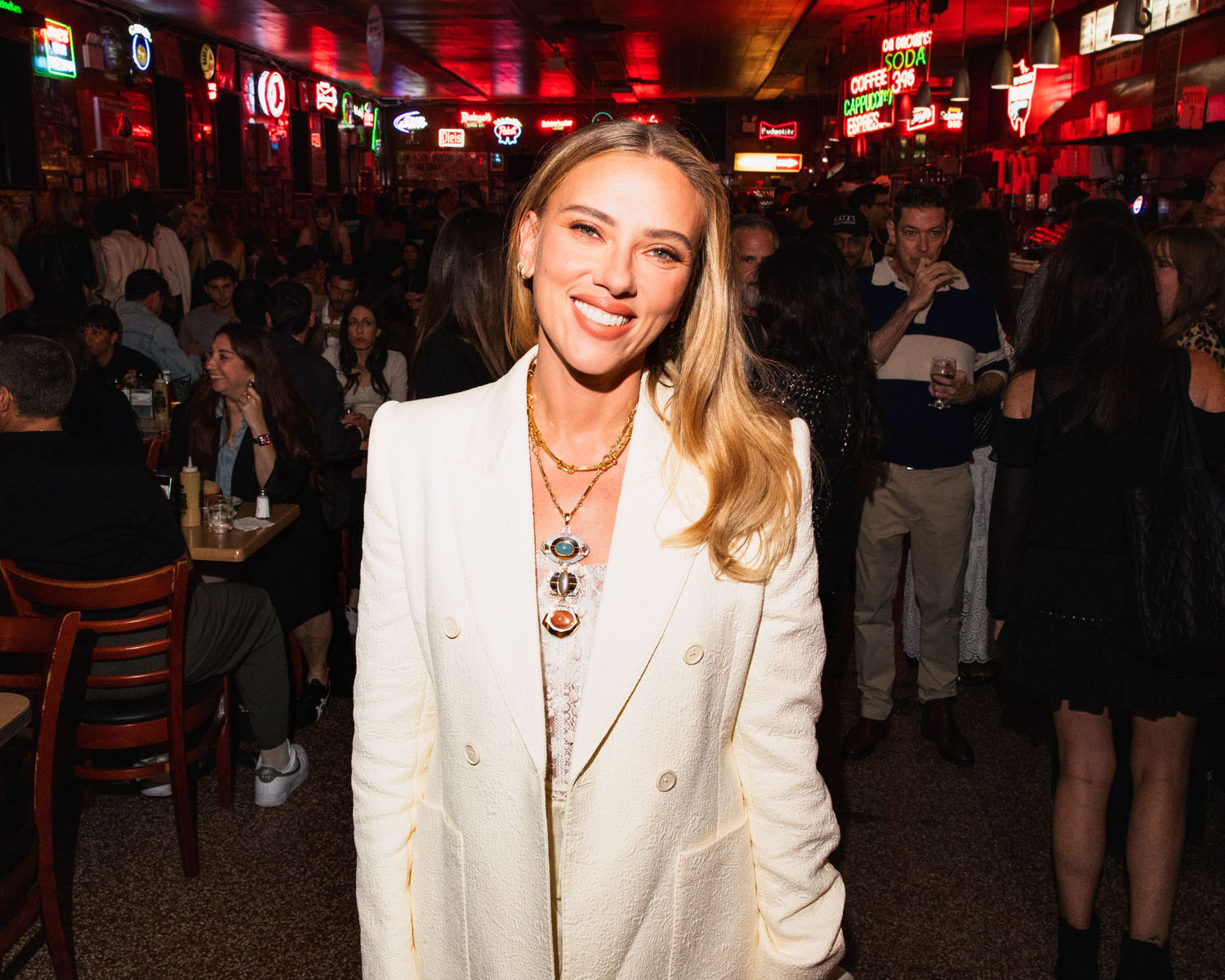
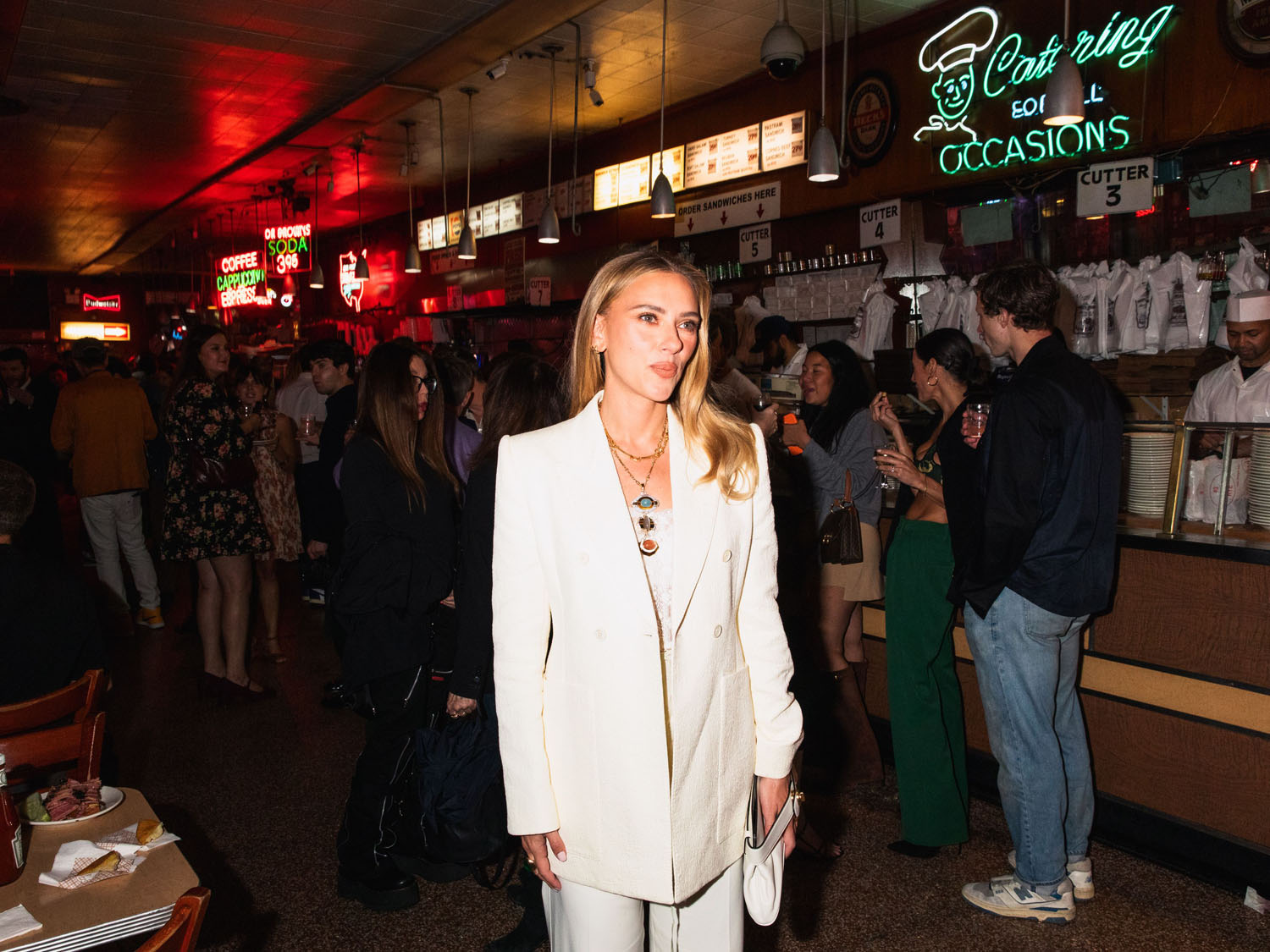
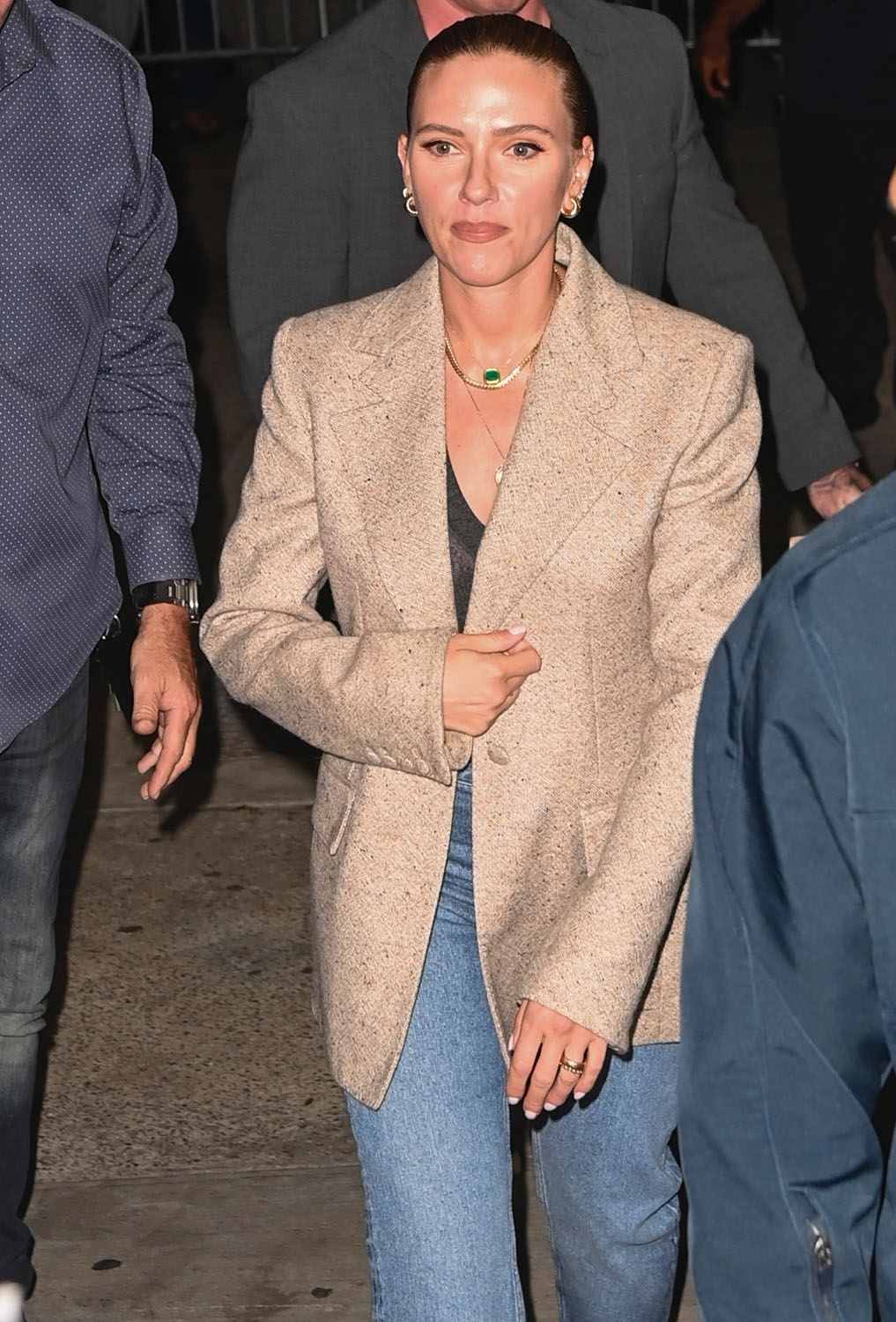
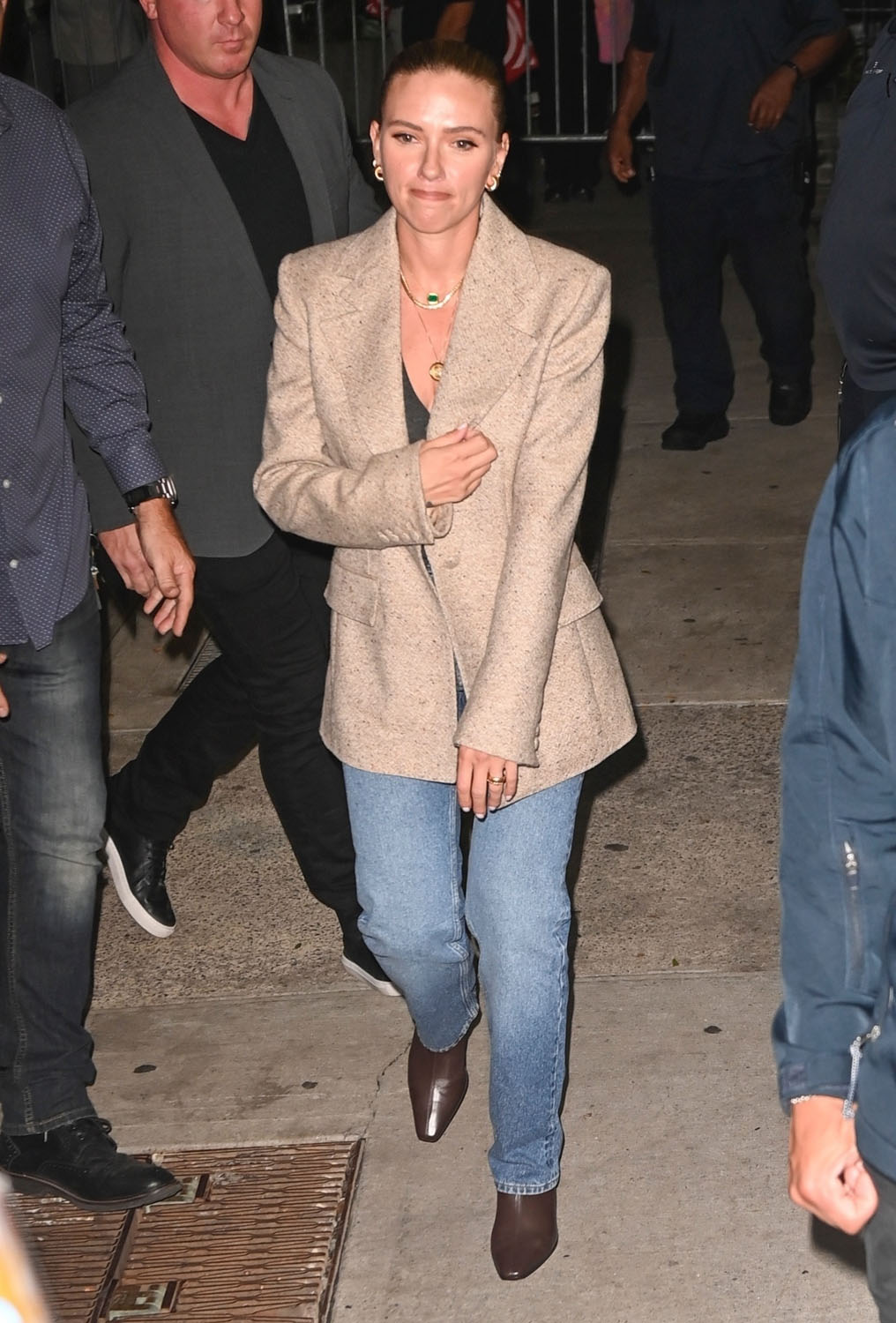
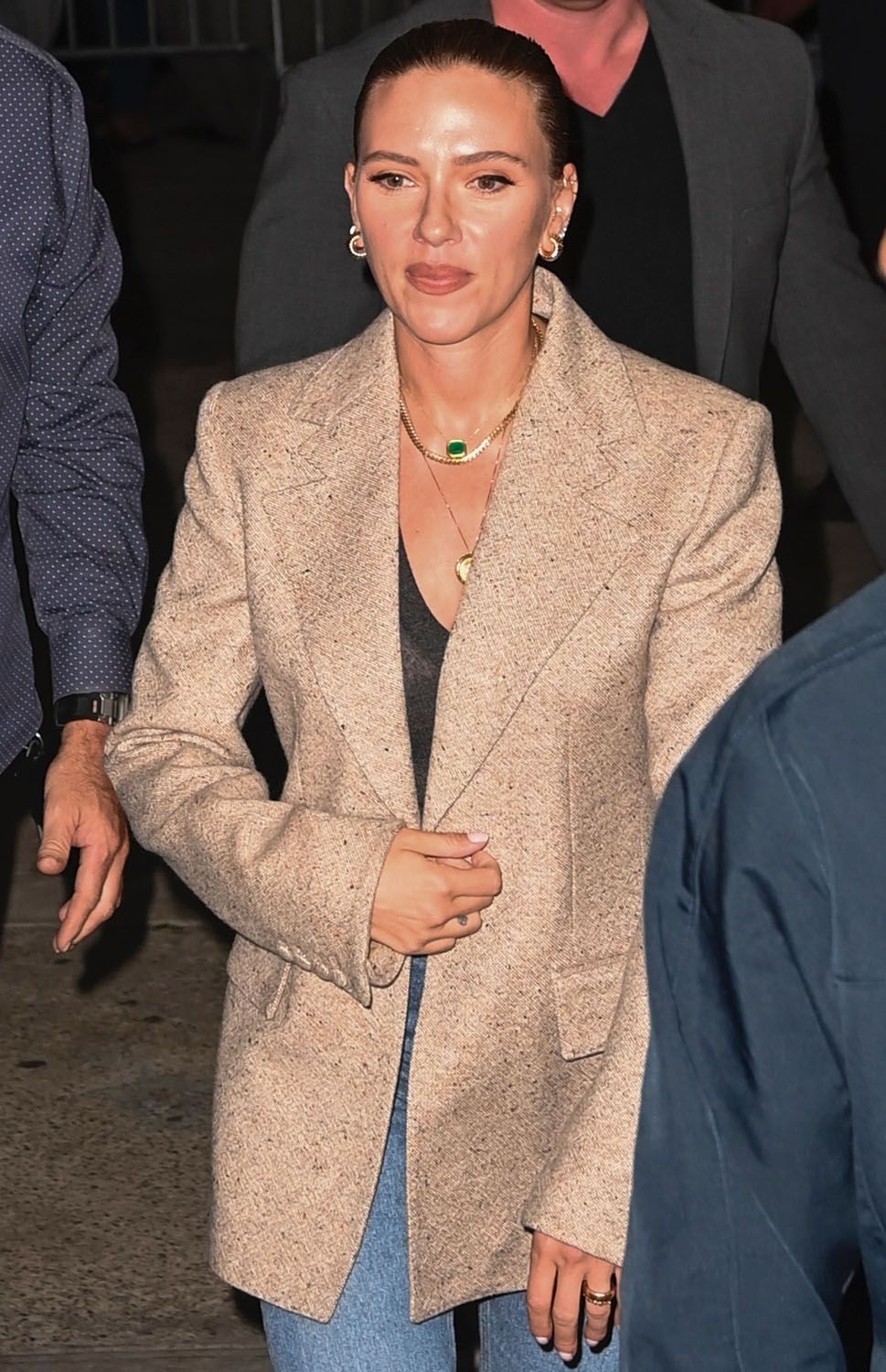
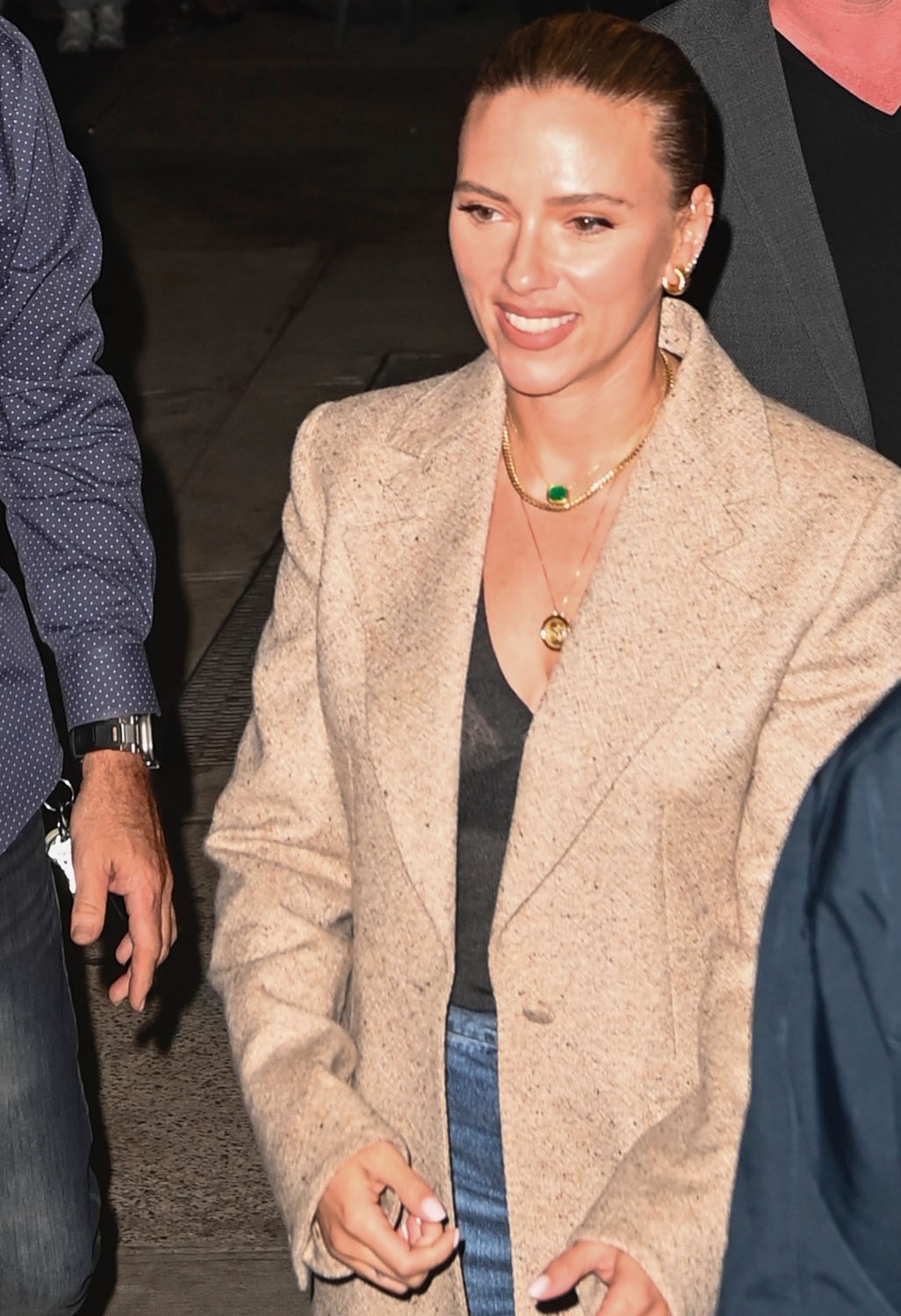
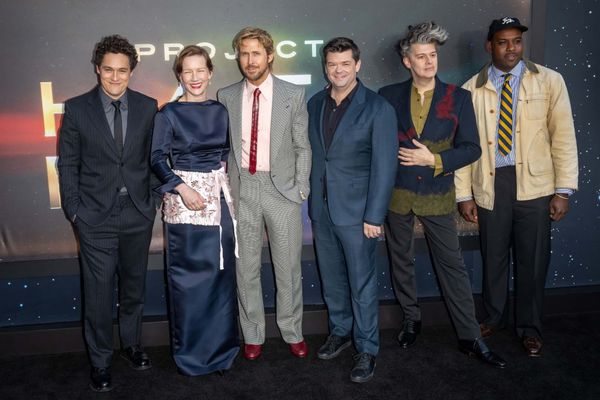
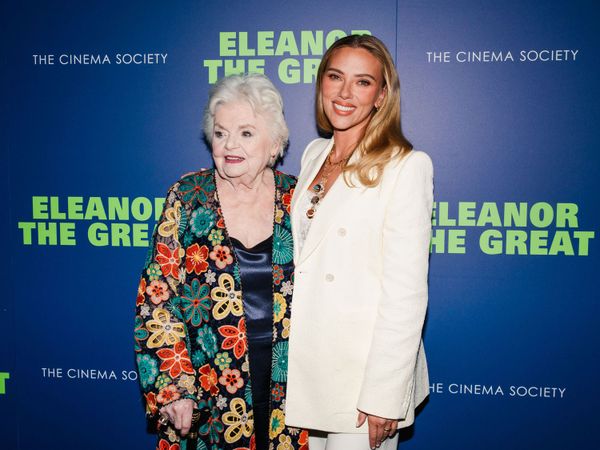
Attached - The cast of Eleanor The Great at the premiere in New York the other day and ScarJo at 92Y last night for a Q&A.