Intro for February 22, 2017

– 2 min read

Dear Gossips,
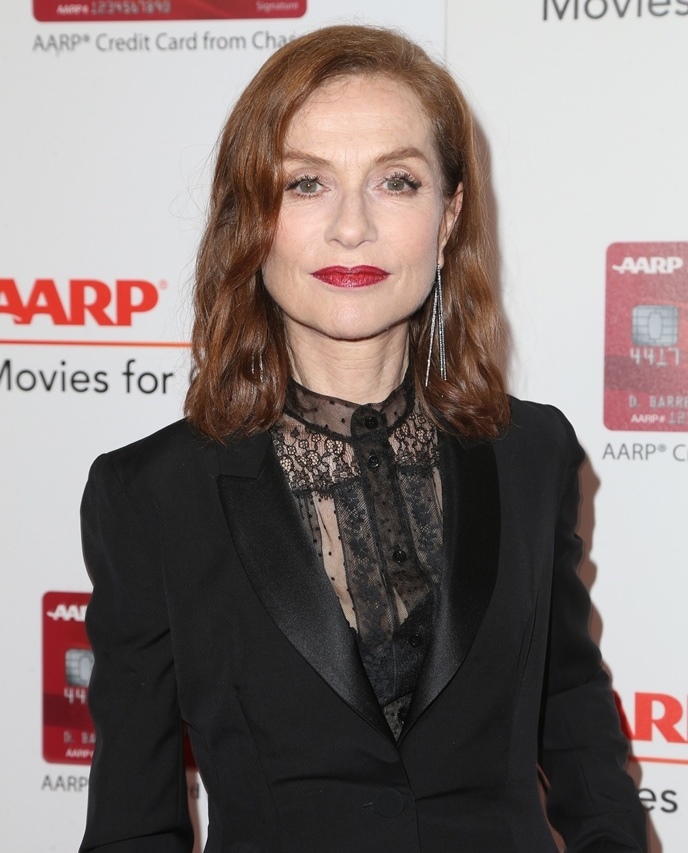
How’s your Oscar ballot coming along? We posted the contest page with the prize pack details earlier this week. Click here if you missed it. If you haven’t submitted yet, I don’t blame you. As you know, there are several tight races this year, in some of the biggest categories. And not even the experts can agree on their predictions. The Hollywood Reporter posted their “will win/should win” list yesterday and their forecast is different from The New Yorker’s Richard Brody’s Oscar predictions. So if you can’t decide between Emma Stone and Isabelle Huppert, know that most people who do this for a living can’t either.
On the subject of Isabelle Huppert though, a few weeks ago, Sarah wrote about The Daily Beast’s interview with a male anonymous Oscar voter who took issue with Isabelle’s performance in Elle as a rape victim because she was “still playing it the same way” before and after the assault. Like there is only one way for women to behave after being violated if she is to be believed. The Hollywood Reporter has now published their annual “brutally honest” Oscar voter interview and their voter also had the same problem with Isabelle’s performance:
“Isabelle Huppert is an ice-cold actress, and I eliminated her because when you get attacked, beaten and raped, you're not the same person afterward, but she was, and I wanted to slap her to try to get a reaction out of her.”
This voter? IS A WOMAN!?!!
And that’s why diversity in storytelling is so essential. Male characters can behave in a variety of ways, exhibit a wide range of reactions, and no one doubts the legitimacy of those interpretations because the story of men, white men in particular, has been told so thoroughly that we accept that they are complicated and individual. Female characters, however, are reduced to formula, a formula that presents womanhood as a monolith, leaving no room for distinct expression authentic only to each unique person based on their singular experience. The reason why Isabelle Huppert is worthy of recognition in Elle is precisely because her character’s response to trauma is not “by the book”. Because survivors of sexual assault don’t follow a book in the aftermath. This is what art can contribute to the greater social conversation, illuminating the other paths that people take, the other ways in which they cope, and (hopefully) heal, in order to arrive at a bigger goal – compassion and then empathy. But that’s not going to happen when you’re showing one option.
Yours in gossip,
Lainey