Intro for October 19, 2026

– 2 min read
Dear Gossips,
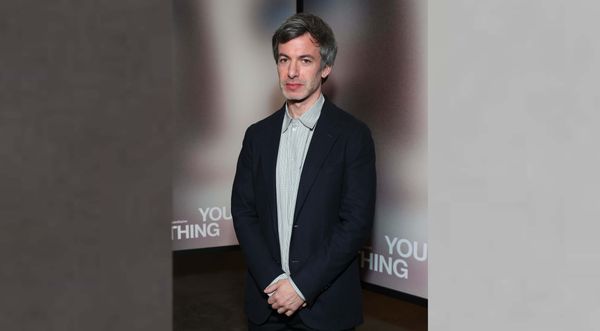
The Elizabeth Holmes documentary You Can See Everything opened this past weekend, and it did gangbusters business. It opened with $15 million, doubling expectations and doing so in only 855 theaters. It was enough to open at #2, and for contrast, the number one film was Street Fighter, which opened with $31 million in over 3500 theaters. That means that Everything averaged $17,543 per theater, while Street Fighter averaged almost less than half that at $8,671 per theater.
This is not to dunk on Street Fighter—though at some point we may want to talk about why it is so hard to adapt the fighting-based video games, everything else is getting figured out and breaking the video game curse, but the fighting games have not successfully been cracked yet—but to show how successful You Can See Everything, an R-rated, three-hour long documentary, actually is. It’s the biggest opening weekend for a film playing on under 1,000 screens since Borat in 2006.
Some of this success is undoubtedly part of A24’s reputation as a tastemaker—like some film franchises, they have their own fans who prioritize seeing their movies in theaters. And some of it is the very successful word-of-mouth advertising that came from Everything being the “secret” screening at the Telluride Film Festival over Labor Day weekend. That catapulted the film from zero awareness to wide awareness, which was then fed by the combination of Nathan Fielder, who has built a reputation as a wily, must-watch filmmaker with shows like Nathan For You and The Rehearsal, and Elizabeth Holmes remaining an object of cultural interest.
But the “no spoilers” response to advance screenings, which made Everything feel like an event not unlike a new Marvel movie, is arguably the biggest factor. Anecdotally from my own life, I know several people who made a point of seeing Everything this weekend because they didn’t want to be spoiled. Early reviews indicated there is a major twist—which I dance around in my own review—and that made Everything feel like appointment viewing. The subject matter is fascinating, there’s still a lot of schadenfreude in seeing Holmes go to jail (and just how terrible her husband is), but the idea of having a Nathan Fielder Surprise potentially ruined also motivated a lot of people to get out to a theater this weekend.
It reminds me a bit of the success of The Substance in 2024, which built off of guerilla-style “it’s so gross, you won’t believe it” marketing. While the film premiered at Cannes, it was the TIFF Midnight Madness screening that really started the “it’s so gross” marketing, in which body horror was emphasized to intrigue audiences and make the film feel like more of an event.
There’s been talk this year about the Hollywood studios avoiding film festivals because they’re so expensive—a cop out, that’s not the actual reason—but You Can See Everything (and The Substance) shows how a film festival can be used to kick off word-of-mouth and contribute to ad campaigns. Of course, in both of these examples, the movies are actually good, which is a requirement for a word-of-mouth campaign, but it does show the value of film festivals for launching new films. And it suggests the real issue for Hollywood studios is less about cost and more about product, and maybe also an executive-class fear of being booed wherever they show up. Somebody should ask one of the CEOs if that might be a reason they don’t want to go to film festivals.
Live long and gossip,
Sarah