Intro for October 11, 2024

– 2 min read
Dear Gossips,
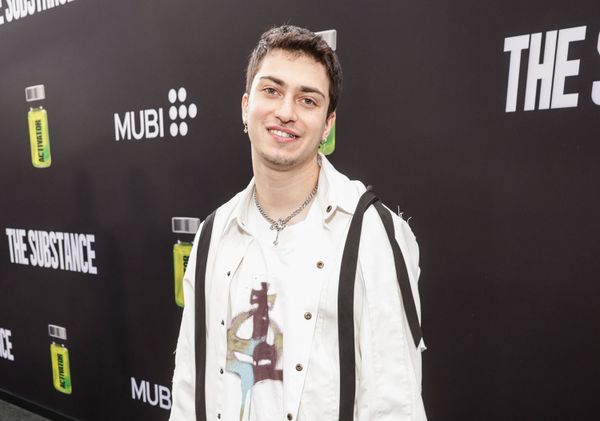
The debate about the role of influencers in the film industry continues, with a new article in The Hollywood Reporter about influencers making their way to red carpet reporting and doing social media marketing for movie studios. This, though, is the side of influencers I don’t mind at all. The article points out several times that no one really knows if influencer marketing is really worth it, noting that despite campaigns with large accounts, movies still flop, but there is also some truth to meeting the audience where they are.
Specifically, meeting the YOUNG audience where they are. It’s the same reason Kamala Harris went on the Call Her Daddy podcast, to reach under-30 female voters. In terms of movies, we know young people aren’t watching TV like their elders used to—and if they do watch TV, it’s most likely on streaming, where there are less ads—and they don’t go to the movies like their elders, either. Trailers still have some cache because they can go viral online, but the TV spot is increasingly worthless, outside of major live events like the Super Bowl. To that end, using influencers and social media to replace the TV spot as an advertising opportunity makes a lot of sense. Meet the audience where they are—online.
Which is not to say everything is smooth sailing. I, for one, don’t think influencer bits work as well in more professional environments as they do in random places out of the blue. For instance, TikTokker Easton Simpson’s “mumble” bit caused a backlash after the Kingdom of the Planet of the Apes premiere, in which he muttered nonsense to the stars on the red carpet, leaving them confused and befuddled (at best).
@eastonsimp @owenteaguereal we got publisbed in The Hollywood Reporter today 💀
♬ original sound - Easton Simpson
He says everyone laughed about it later, and sure, let’s assume they did. But I wonder how Lainey feels about that, when she puts SO much time and effort into making her red carpet interviews actually good, serving both herself as a TV host, but also the talent as representatives of their films, making everyone look good and walking away satisfied with the exchange. Part of the backlash to Simpson’s bit was simply that it felt out of place on a red carpet, where the actors are there to do the job of promoting their film. The mumbling prank got in the way of that, though I truly believe the studio did not care about any online negativity if it meant the title of their film was in everyone’s feeds.
The efficacy of influencer advertising is debatable, and likely always will be. The truth is, social media can be invaluable to a film, if it catches on organically and creates genuine hype on its own, like with Barbenheimer. I don’t think you can manufacture it, though, no matter how talented an influencer might be at creating videos and posts to generate excitement. So hiring influencers to generate hype might be a little bit backwards, because it’s inherently inorganic. I understand influencers replacing TV spots, especially as younger people simply aren’t watching much linear TV, but I am not sold that even the most viral spon-con is actually generating equivalent business at the box office as TV spots did in their heyday.
One more funny bit from the article. Influencer Harry Daniels said, “Unless it pays incredibly well or feels like a good opportunity, I try to only do things that I feel particularly passionate about.” Yeah, welcome to working, that’s all any of us want.
Live long and gossip,
Sarah