Will Zoe Kazan acknowledge her family’s legacy?

– 4 min read
Back in 2022, it was announced that Zoe Kazan would make a new series adaptation of John Steinbeck’s East of Eden, a text most famously adapted by Zoe’s grandfather, Elia Kazan. At the time, I said it would take “a couple of years” to see the project, but it actually took four.
Now, though, Kazan-mark-Zoe’s adaptation is here, with the first teaser dropping yesterday. Zoe’s adaption stars Florence Pugh and focuses on Cathy Ames Trask, the bitter matriarch of the Trask family.
I am VERY interested in Zoe’s approach to this material for three reasons:
· Always curious to see someone tackle James Dean’s legacy, best wishes to Joseph Zada, who stars as Cal Trask
· The potential for a feminist/deconstructionist reinterpretation of East of Eden from the point of view of a literary woman who forms a pillar of the “shrew wife” trope
· Are we ready to fully reckon with Elia Kazan’s legacy?
Generally, I don’t think James Dean’s movies need to be remade, but East of Eden has timeless themes—literally, it’s a Bible riff—and given that Zoe is recentering the material on the antagonist, I’m very open to her interpretation. This addresses points one and two.
As for point three, the 1955 film has always been tainted, for me, by Elia Kazan’s legacy as a betrayer and a stoolie. He sold out his peers, many of whom had their livelihoods utterly destroyed, to Joseph’s McCarthy’s House Un-American Activities Committee during the Hollywood blacklist era. Kazan, meanwhile, maintained his cushy life and many job opportunities. Here’s Orson Welles refusing to respond to questions which used Elia Kazan as a basis of comparison in 1982:
I read and watched East of Eden first, I didn’t know Elia Kazan was a rat until later, and it permanently ruined his entire canon for me. It changed On the Waterfront from a celebration of the working class to a “celebration of the informer”, as Welles says. We all set our lines regarding the separation of art and artists differently, but for me, knowing the terrible cost—in careers, in lives—of the blacklist, it’s just impossible not to see that stamped over Kazan’s work, carrying on as if nothing f-cking happened.
It’s sort of the opposite of Nathaniel Hawthorne. Among the reasons I love his work are that he changed his name from “Hathorne” to “Hawthorne” to separate himself from his family’s legacy with the Salem Witch Trials, where his ancestor John Hathorne was a proud judge who literally never thought he did anything wrong, ever, and Hawthorne wrote a lot of literature burdened by his family’s history. He was deeply ashamed, and that shame is recorded in his stories. Perhaps he didn’t need to carry that burden nearly two hundred years later, but the point is, Nathaniel Hawthorne appreciated the damage done by his family, he felt the weight of it even centuries later, and his art directly reflects that.
Will Zoe Kazan’s art in any way wrestle with Elia’s legacy? To date, it has not. Elia Kazan continues to be mostly remembered as one of the great mid-century American filmmakers. Some people have always been coming for his legacy, but not the establishment, and not his family. I am curious to see, with Zoe walking where Elia once did, if any of this comes through in the work. Cathy Ames Trask is a complicated character. Zoe Kazan has a complicated family history. There is room for synthesis. We’ll see if any actually happens.
Here are Ed Harris and Amy Madigan not applauding Elia Kazan when he won an honorary Oscar in 1999. They’ve always been cool.
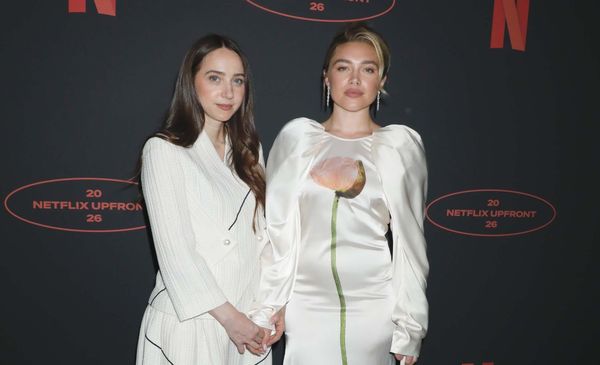
Attached - Zoe Kazan and Florence Pugh at the Netflix Upfront yesterday.
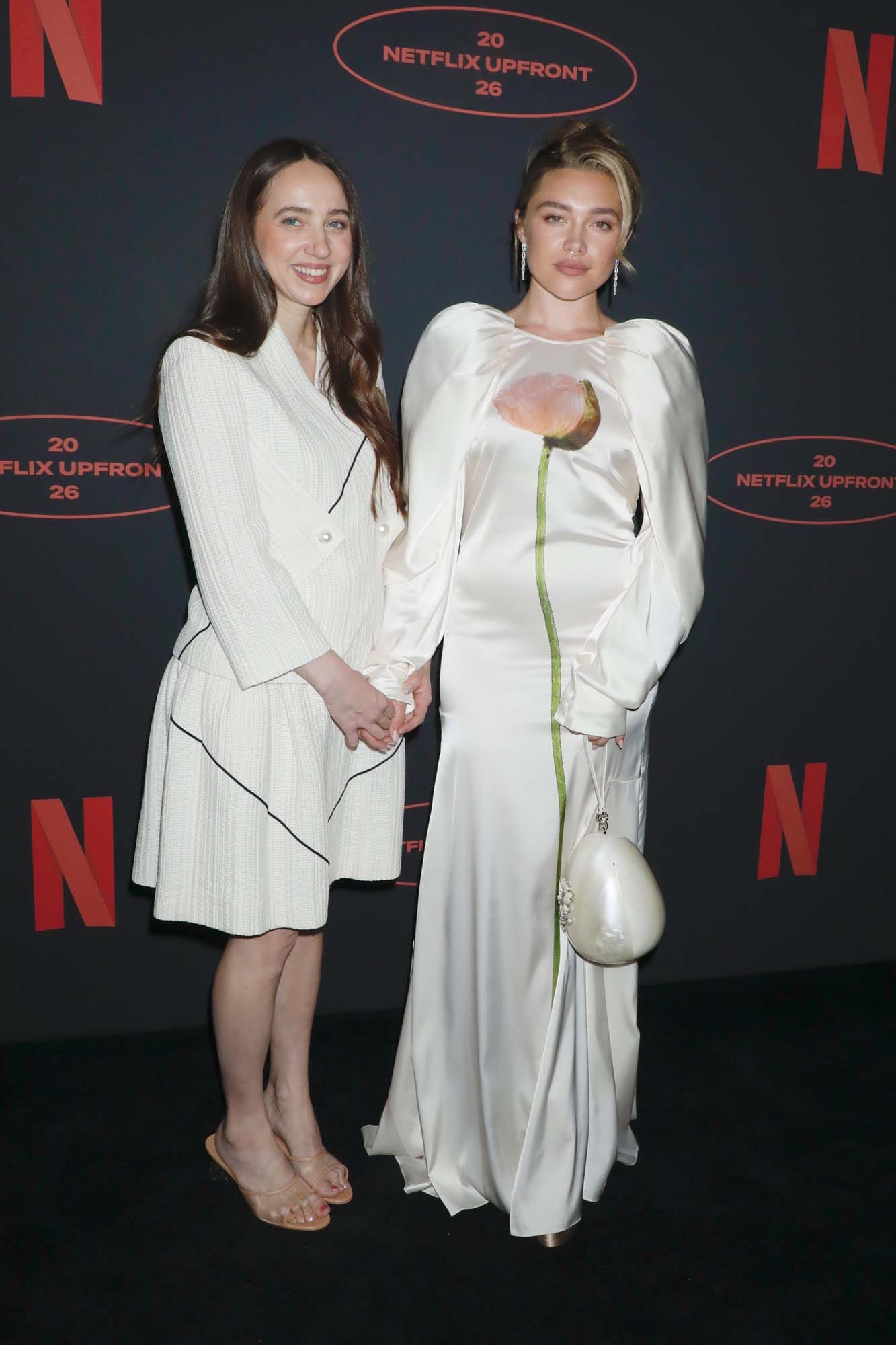
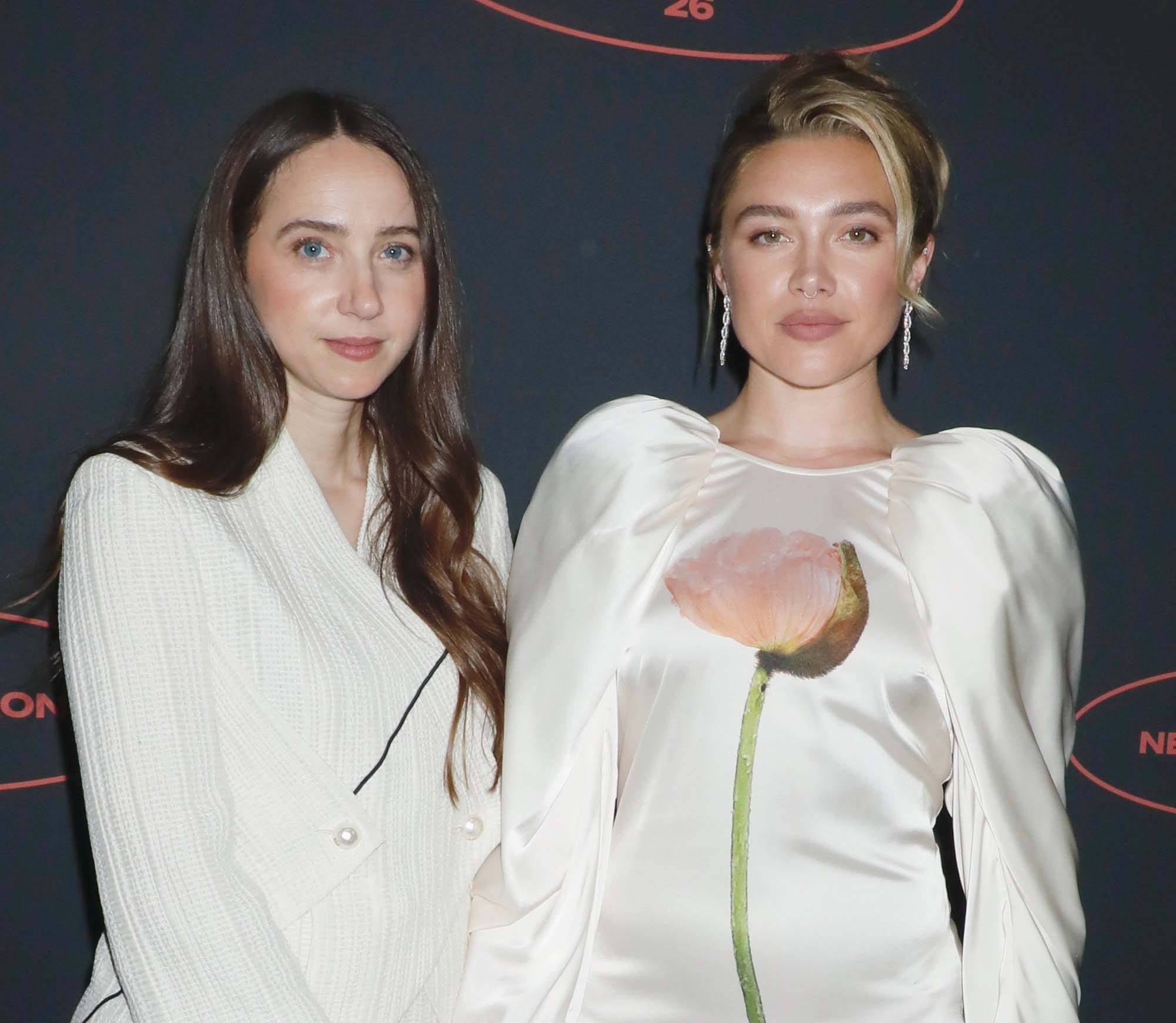
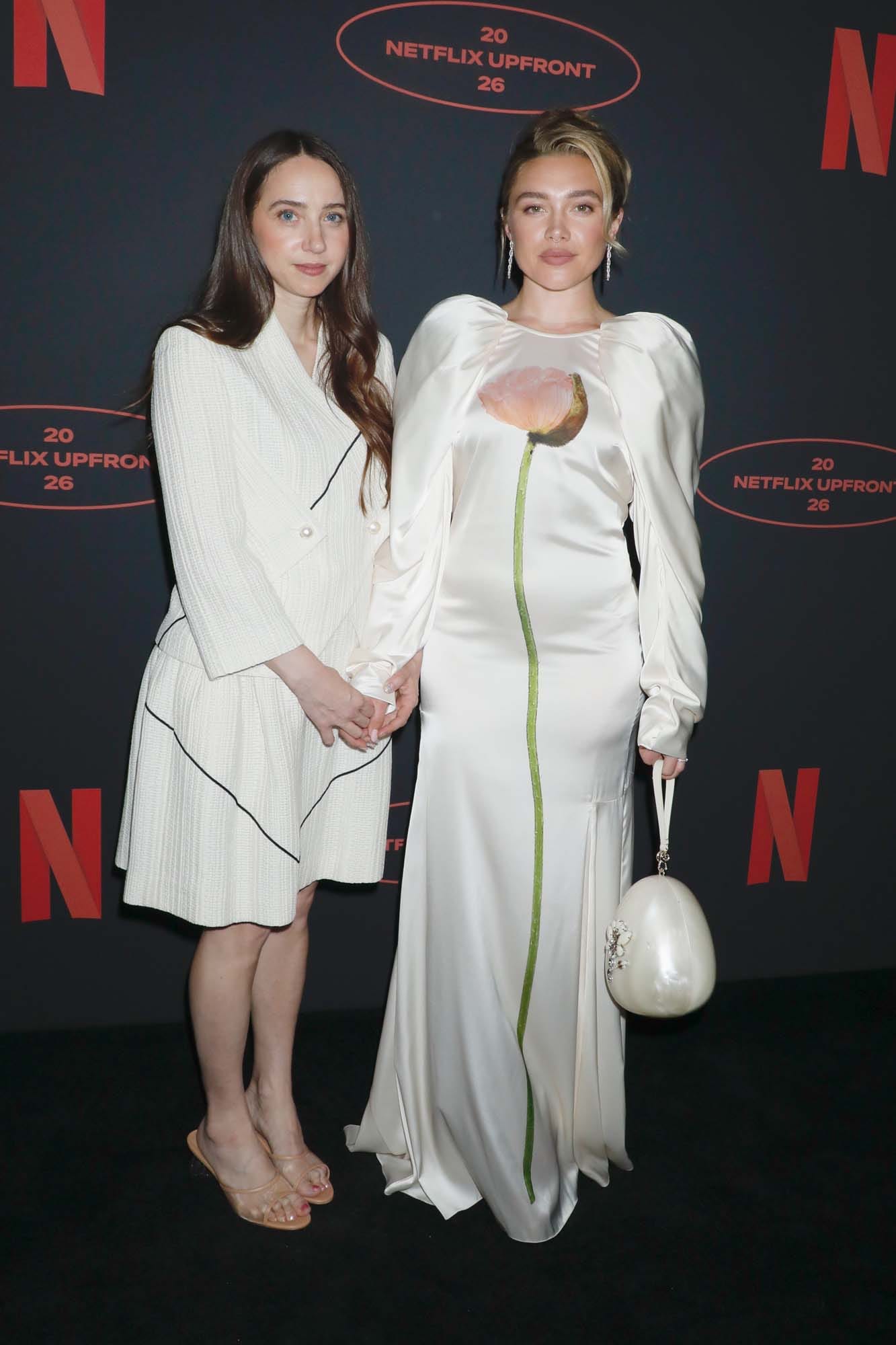
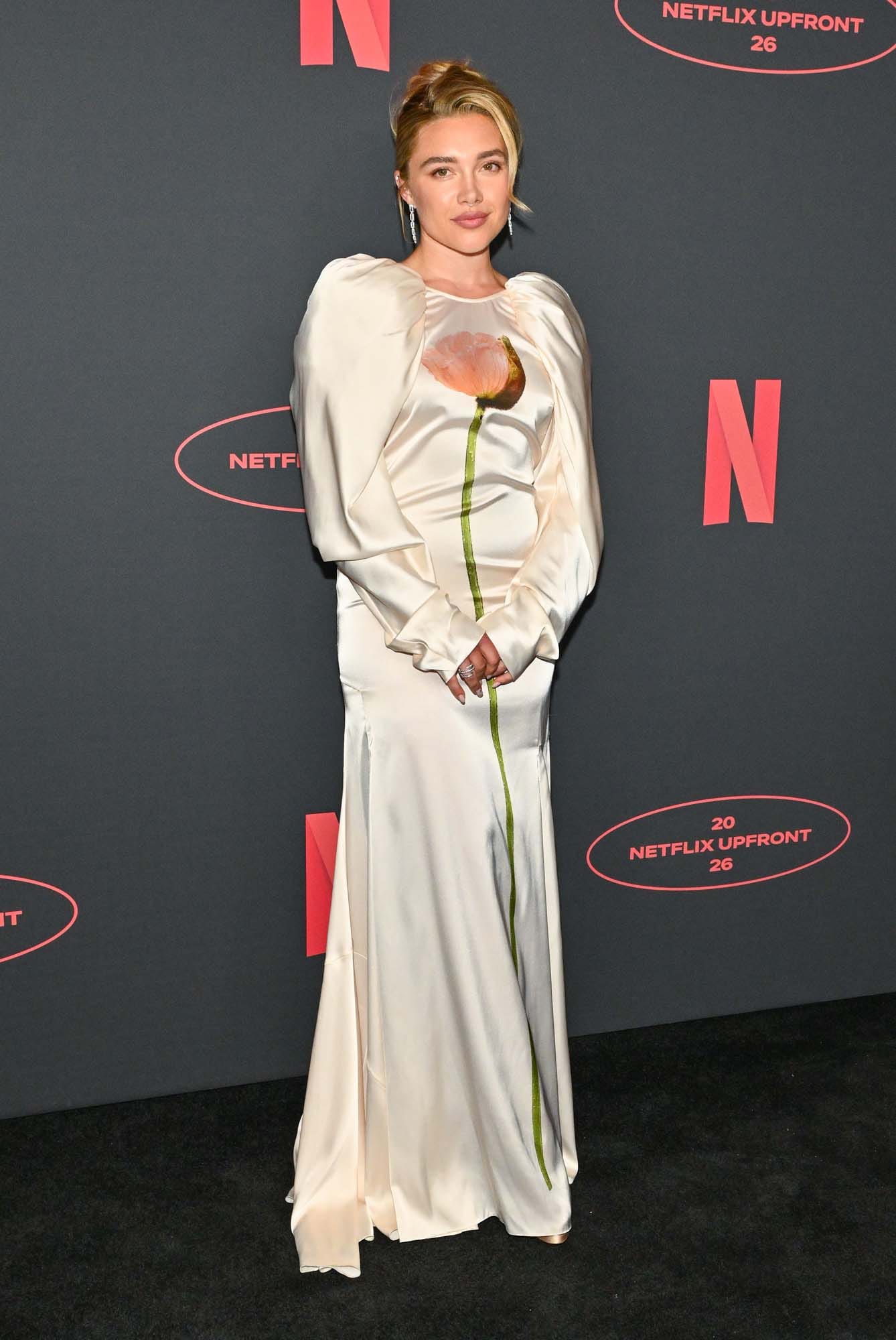
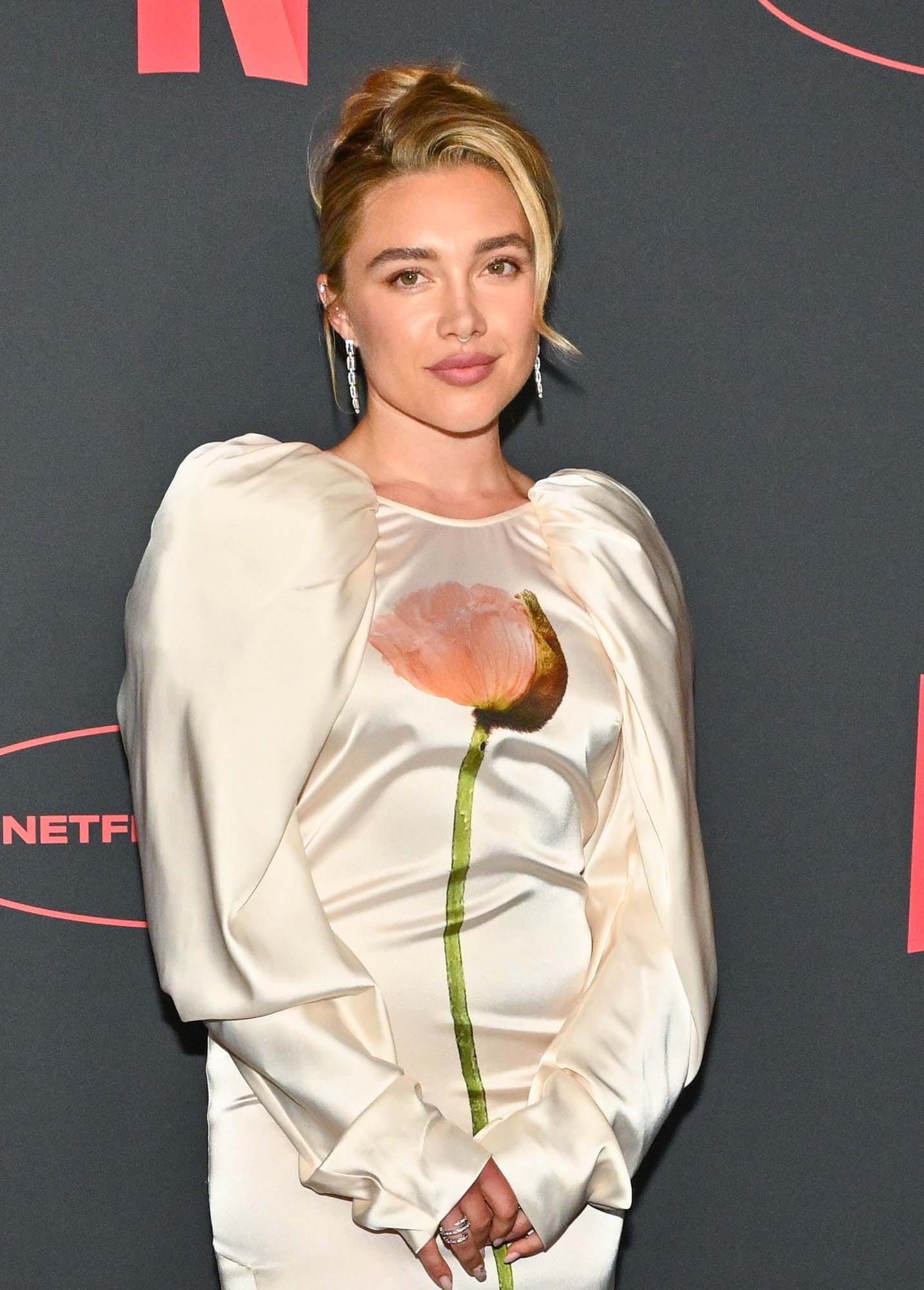
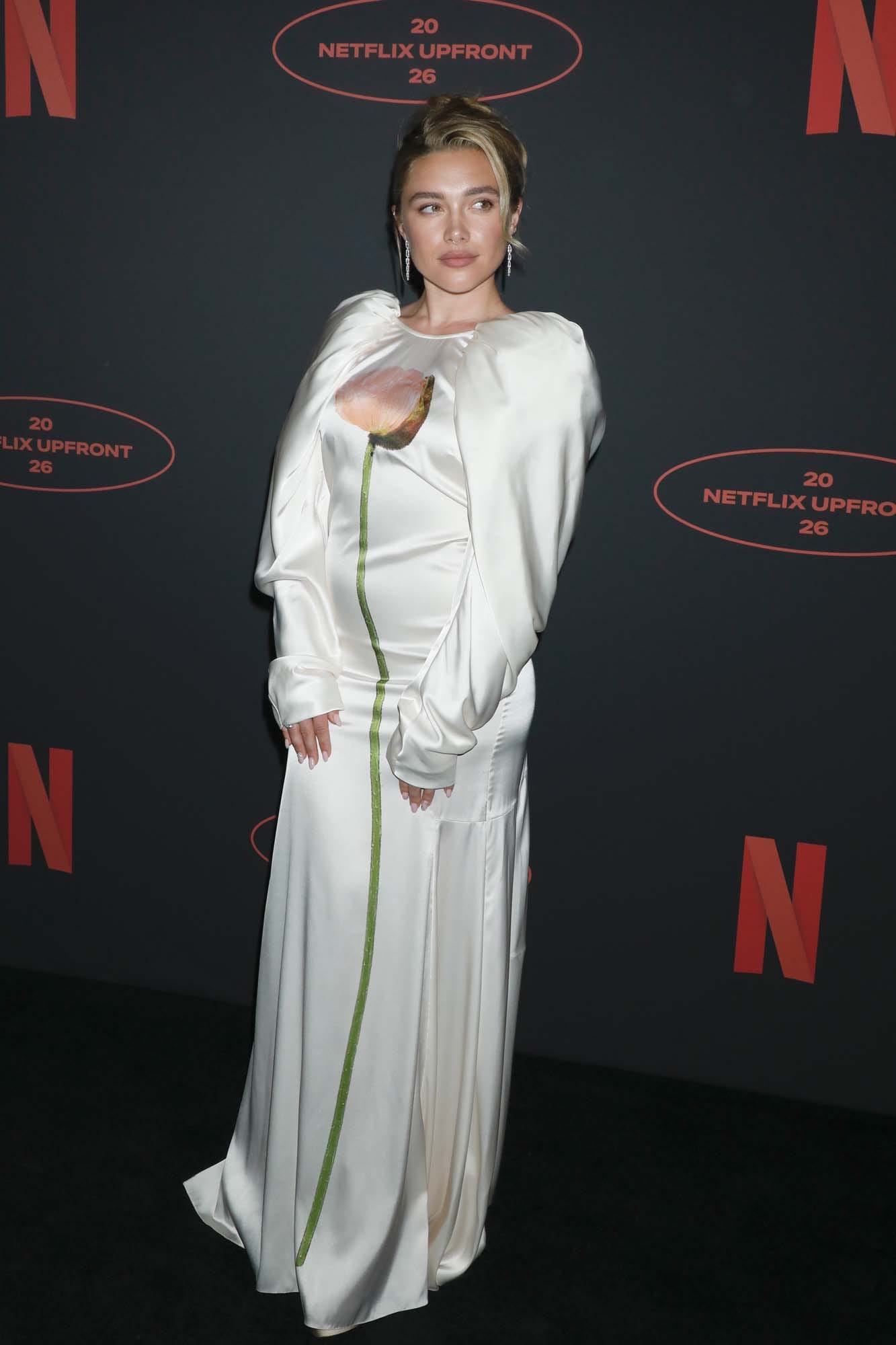
Zoe Kazan and Florence Pugh attend the 2026 Netflix Upfront at Sunset Pier 94 Studios on May 13, 2026 in New York City