A Royal Haunting

– 3 min read


One of the most anticipated Midnight Madness world premieres at TIFF this year was Anna Biller’s The Face of Horror. Anna Biller’s The Love Witch, released a decade ago, is now a cult classic. She is a thrilling filmmaker, an auteur in every sense, with her own signature style and a feminist throughline in her work.
The Face of Horror was inspired by Japan’s most famous ghost story, Yotsuya Kaidan, a kabuki play written by Tsuruya Nanboku IV in 1825. It’s about a gold-digging, social-climbing samurai who murders his wife so that he can marry a more influential woman. His wife comes back as a ghost who haunts him all the way to his ruin. Anna has set her film in England during medieval times. When I interviewed her, I asked her why it was relevant in the 1400s in England, and the 1800s in Japan, and also in 2026. She said, “Misogyny feels the same now as it did then”.
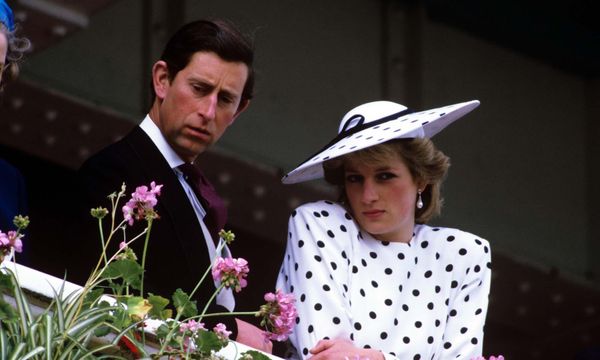
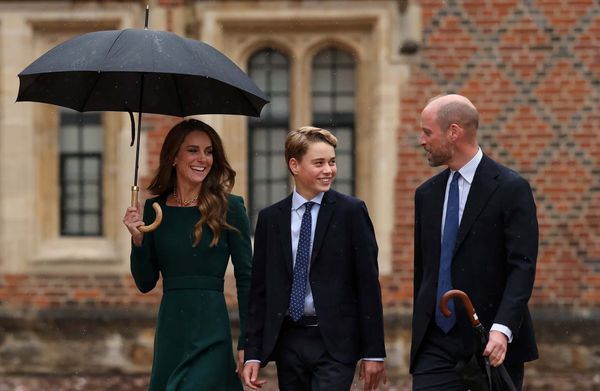
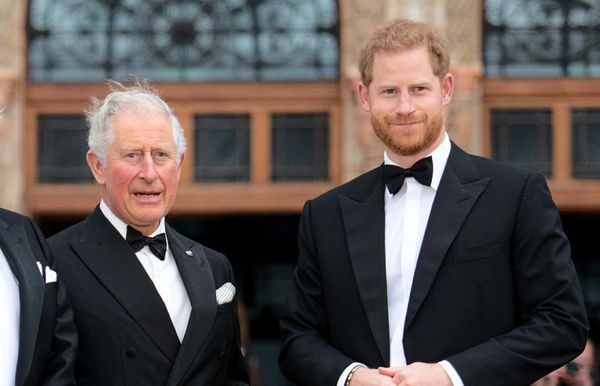
Sarah will have a full review of The Face of Horror soon but I’ve been thinking about it these last few days because even though Princess Diana died in 1997, she has not only not been forgotten… but we are constantly talking about her. They keep making TV shows about her. And documentaries. And of course there’s social media, the memes, the nostalgia photos. It’s about as close to immortality as it gets. And now there’s another book. Her brother, Charles Spencer, has written a book about her, releasing next week, called Swan Song. With excerpts coming out and making headlines, as Charles Spencer is sharing for the first time his version of the situation behind the scenes about the days after her passing.
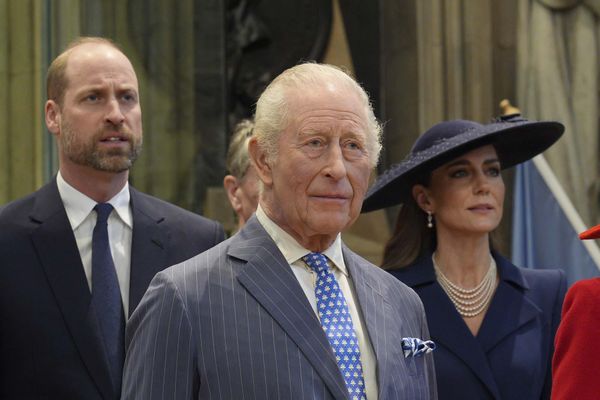
Not surprisingly, in Charles Spencer’s recollections about the then Prince Charles and now King Charles are not positive… which is putting it generously. Not so generous would be that the king comes off as an insensitive prick. And the quote that’s making the biggest noise is what he allegedly said to Charles Spencer about Diana:
“Rest assured,” he hissed, “we’ll forget her soon enough!”
Buckingham Palace has issued a statement in response to all these passages from the book that are basically dunking on the king.
“While we do not comment on books as a matter of principle, His Majesty is mindful that the pain of fraternal grief can cloud reason, affect judgment and color memory in ways others do not recognize, even many years after such a loss.”
It’s a terrible, terrible response from a sovereign who has two children who experienced the loss of a parent. But it all reveals that they were compelled to comment because they are deeply concerned – and primarily concerned of course with the king’s public image, and reminding everyone that he was cheating on Princess Diana, who has basically become a deity at this point, and she was tormented by the betrayal. Cheating has always been a culturally mortal sin. Obviously I’m not saying that cheating on a partner isn’t a horrible thing to do, but with this generation, the digital generation, they’ve turned cheating into the worse crime anyone could ever commit – nothing brings out the pitchforks faster than cheating. To go back to Anna Biller, she literally made it a horror movie. And the biggest royal cheater in modern history is sitting on the throne right now. In that story, which happens to be real life, the king is a villain, as rulers often are, being haunted by a princess who has refused to be forgotten, in this life but, apparently, also the next.
What else happened today…
Clearing up the story on whether or not Ben Affleck really cast and then recast Jennifer Garner as his wife his new movie. (Pajiba)
While Tom Cruise is doing Tom Cruise and cringe-posing on the cover of magazines, his professional frenemy Brad Pitt is cringe-posing in an absurd outfit with dogs who would rather be at the park than on a grey carpet. (Go Fug Yourself)
Travis Kelce is the victim of a Ponzi scheme, though it’s not been revealed how much money was scammed from him. This isn’t Travis’s fault, but we can also have a conversation about who was involved in this decision, the people who were advising him. He has a team, a financial consultant, agents and managers. And, as we’ve often heard with very wealthy, very famous people – they are surrounded by others who want more and fast. (Celebitchy)
Bill Belichick keeps having to reassure people that his girlfriend, Jordon Hudson, isn’t co-piloting all his responsibilities but the reason people keep asking is because, well, she’s presented herself as his consigliere. Not sure if she would know what that means. (The Cut)
Still a while before the new Pride & Prejudice will be released on Netflix. Every generation needs one – and this adaptation is coming from Dolly Alderton, who is sharing journal-like entries with us from when she was making it. (Vogue UK)