Will Forte and Wile E. Coyote in Coyote vs. Acme

– 4 min read
The Looney Tunes are one of America’s most enduring franchises, beginning in 1930 and running all the way to the present day basically uninterrupted, as iconic as any American institution. So many of the Looney Tunes are iconic unto themselves, chiefly Bugs Bunny, but Wile E. Coyote and his archnemesis Roadrunner are, arguably, one of the most famous screen pairings in American cinema, period. Created by Chuck Jones and Michael Maltese in 1949, Wile E. Coyote was inspired by Mark Twain’s description of coyotes as creatures of perpetual want: “He is always hungry”. Roadrunner, in contrast, seems to be some kind of quantum time traveler, preternaturally fast and impossible to catch.
But Wile never gives up, he exists in a state of never-ending pursuit, aided by the many gadgets and gizmos of the Acme Corporation. But what happens when, one day, Wile grows tired of chasing with no reward? When he is lured by a billboard to do something rash, like sue the Acme Corp for their faulty products? This is the premise of Coyote vs. Acme, a hybrid live-action/animated film that pairs Wile with a downtrodden human lawyer named Kevin as they take on the role of David against Acme’s Goliath (the film, directed by Dave Green, is adapted by Samy Burch from a New Yorker article of the same name).
Coyote is not a subtle film—subtlety is not in the Looney Tunes style book—but there is a slick satirical subtext that elevates this film from mere kids’ trifle to surprisingly scathing critique of the Sisyphean nature of existing in present day, capitalist-crazy America. And yes, Sisyphus is referenced CONSTANTLY, because again, not subtle. But it is also the nature of Wile’s pursuit, to chase and chase and chase, every day to keep chasing, even with no real chance of ever catching Roadrunner.
Will Forte plays Wile’s lawyer, Kevin, who gets by in small claims court, winning settlements from Acme on behalf of toon clients who are injured by Acme’s products. Acme doesn’t just make anvils and rocket skates, they also make every real-world product under the sun, too, but their human products work faultlessly while their toon products quite literally drive toons mad with their malfunctioning ways. Something is wrong, and while this thread also works as anti-animal testing subtext, where Coyote really hits its stride is as Kevin slowly regains his will to fight on behalf of the little guy, even if that fight seems pointless. Everyone is, literally, Sisyphus.
But everyone has to be Sisyphus because the system is so heavily stacked against people—and toons—in favor of Acme. Judges brazenly favor the corporation lawyers in court; the political system puts the onus of change on the little guy who does not have the resources to meet the high threshold demanded by the system. Even when moved to side with Kevin and Wile, senators can’t because the system they uphold simply wasn’t designed for nobodies like Kevin and Wile, and they’re not really going to do anything about that from their comfortable perches of power. The media, meanwhile, is happy to lick Acme boots until public sentiment swings the other way, then they’ll never admit how complicit they are in upholding iniquitous systems. The whole world is bent against Wile and Kevin, and yet they keep rolling their boulder up the hill.
Forte is spectacular as Kevin, so fully committed to his performance so that you feel Wile next to him, interacting in real space with him, and John Cena is equally good as Buddy Crane, the smarmy corporate lawyer working for Acme. They’re old classmates, of course, which just adds to Kevin’s desire to not face Buddy in court. Kevin’s fear of bully Buddy goes back thirty years and isn’t something he can put aside right away. Lana Condor is also excellent as Paige, Kevin’s bright-eyed niece, who is still young enough to believe she can change the world.
The animated characters are equally spectacular, though, Wile doesn’t need words—barely even needs signs—to communicate his thoughts and feelings. And the way Roadrunner is brought to life here is nothing short of amazing, with only “meep” and two-dimensional animation to work with, Roadrunner gives one of the most emotionally satisfying performances of the year so far. Coyote is primarily occupied with its Capra-esque tale of everyday people taking on the system, but there is also a strong vein of “friendship is magic” in this film. Friendship blooms in unlikely deserts, and it is friends that make life worth living. Acme wants to provide everything you could ever need, but it can’t give you friends, and that is its single greatest weakness.
Coyote vs. Acme is so funny, charming, and sneakily smart that it is baffling that Warner Bros. Discovery CEO David Zaslav tried to kill this film for a tax write-off. But then, for all its zaniness and Looney Tunes shenanigans—the Tasmanian Devil being Acme’s head of PR is a brilliant piece of casting—Coyote is sharp in its observations of the world and how corporations grind people down under relentless consumerism and disenfranchisement. Most people will watch Coyote vs. Acme as an enjoyable, family-friendly film full of toon hijinks and a “friendship is magic” message, with an underpinning of existential dread for the adults in the room. Some people, though, will watch Coyote vs. Acme and see their own reflection in it, which is really telling on yourself.
Coyote vs. Acme will play exclusively in theaters from August 28, 2026.
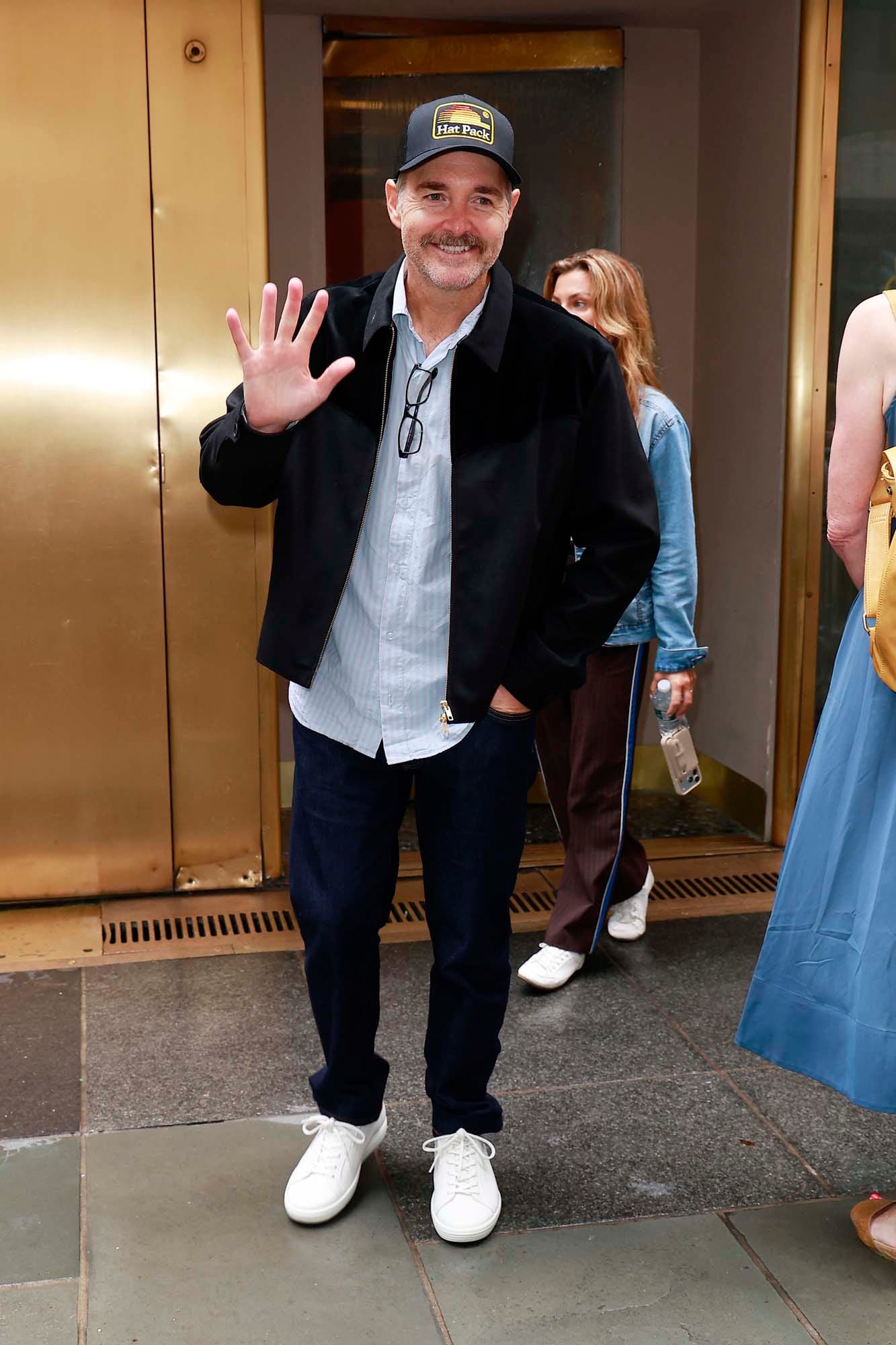
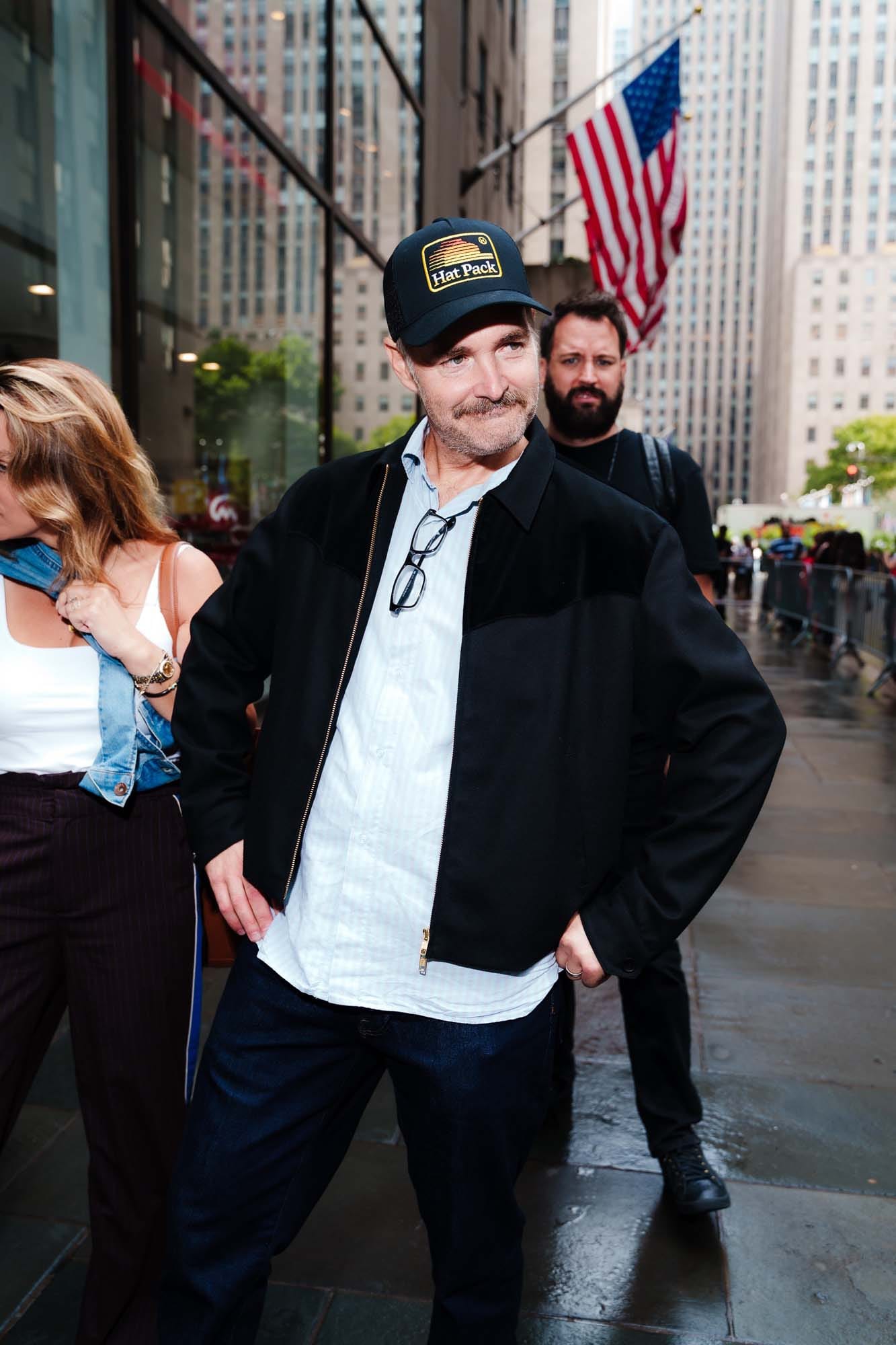
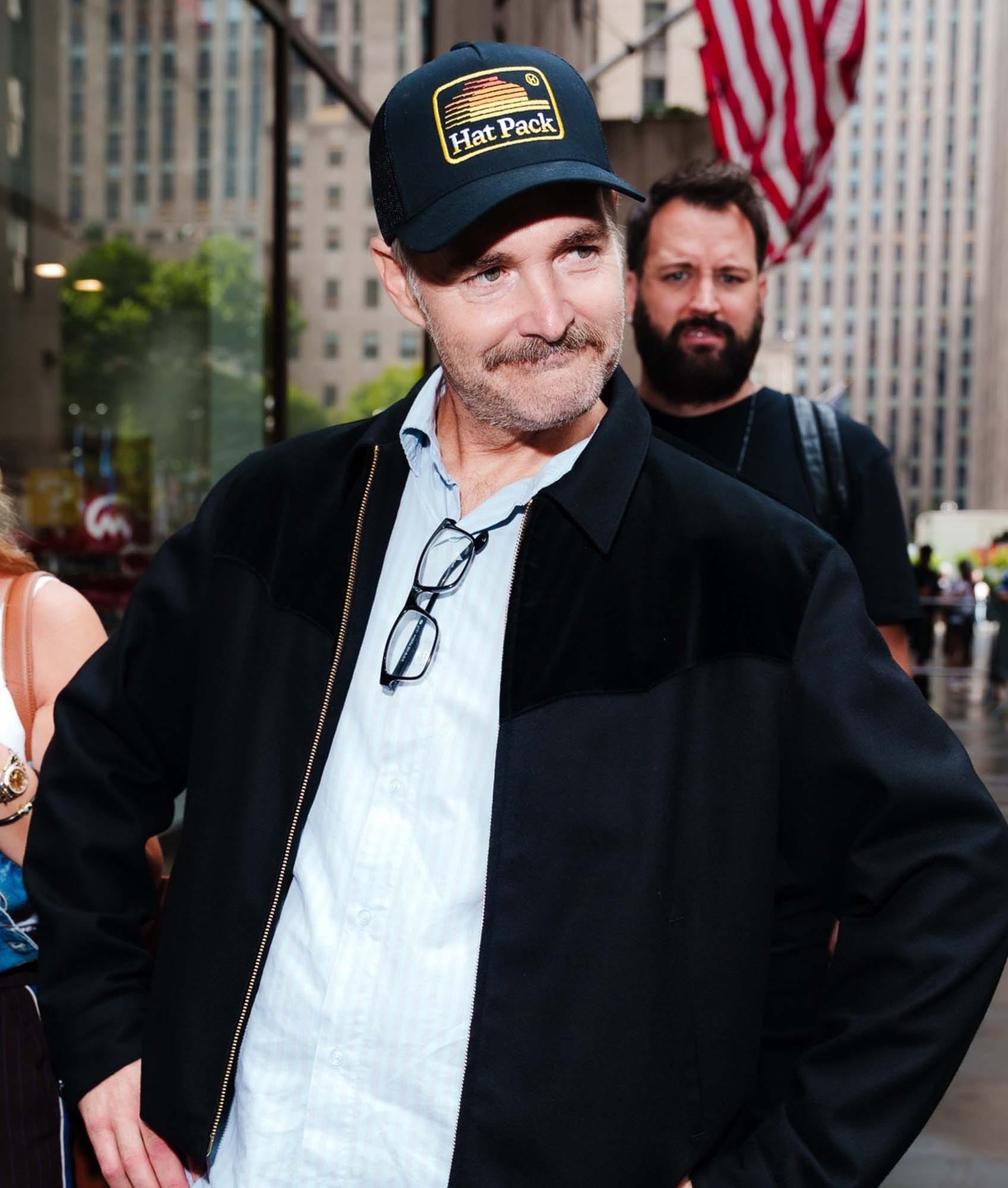
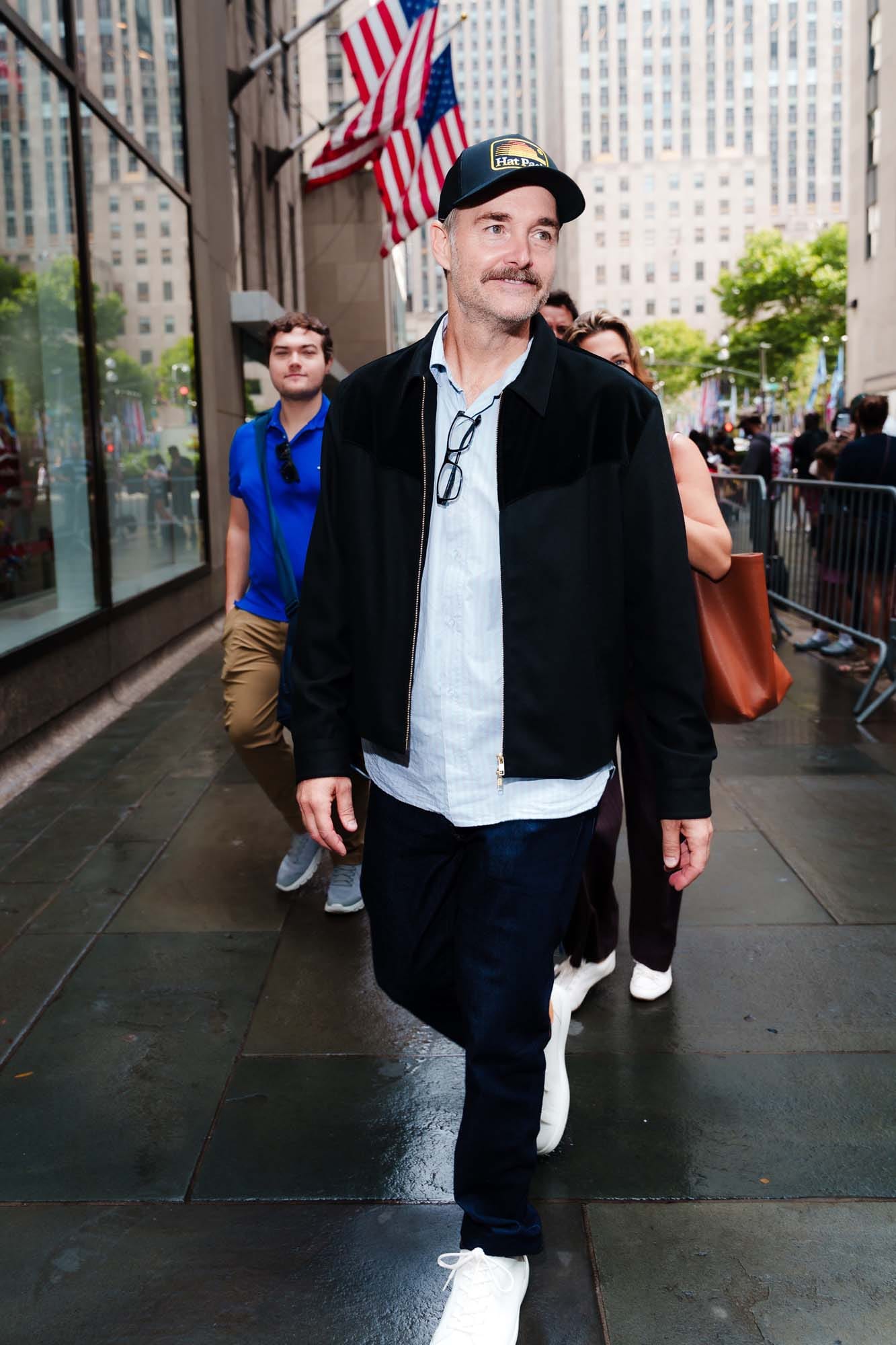
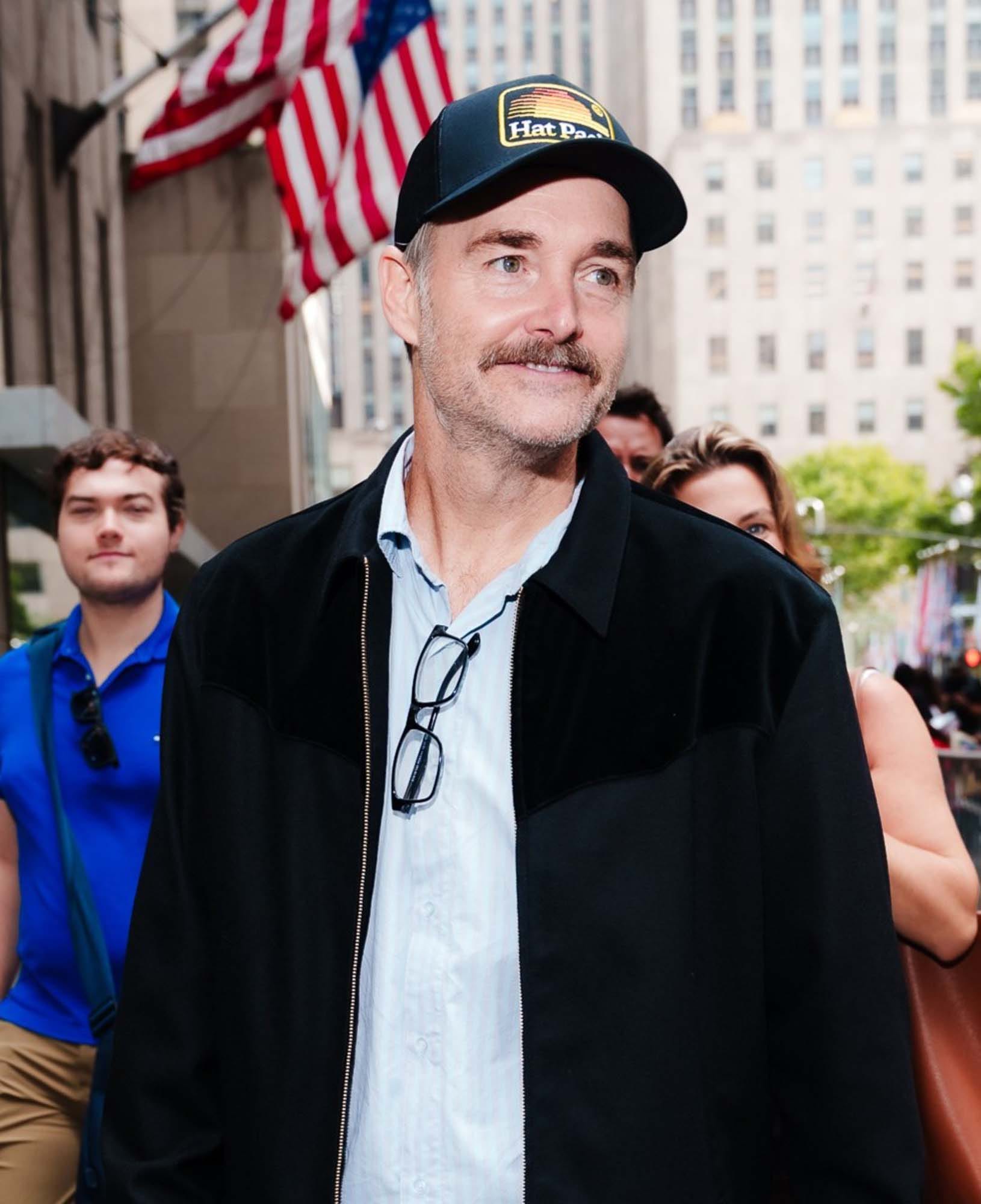
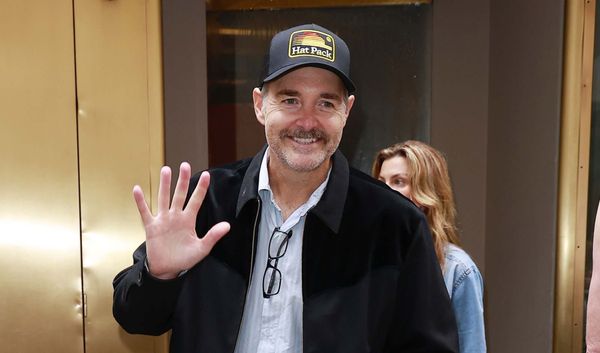
Will Forte at the Today Show in NYC, August 18, 2026