Steven Spielberg’s Disclosure Day

– 4 min read

Steven Spielberg has long been preoccupied with aliens, and with the exception of his 2005 remake of War of the Worlds, his vision of the encounter between aliens and humanity is generally peaceful, underpinned by good intention and cooperation, and threatened by power-mongering bureaucracies of government. But as a storyteller, Spielberg seems to trust that humans and aliens can not only survive an encounter but thrive together. His latest film, Disclosure Day, forms a loose trilogy with Close Encounters of the Third Kind and E.T., with Disclosure Day tying narrative threads together in a technically masterful and emotionally cold sci-fi thriller.
The two protagonists of Disclosure Day are Dr. Daniel Kellner (Josh O’Connor), a cybersecurity expert who ends up stealing the data he is protecting to become a whistleblower, and Margaret Fairchild, a TV meteorologist in Kansas City. Spielberg’s depiction of Margaret’s life is hilarious, mainly because it is no different than if she was wealthy and lived in New York City. Margaret is meant to be an Everywoman Hero, which is undoubtedly why she is from the middle of the USA, a place coded in Hollywood as the “real” America, but between Emily Blunt’s in no way convincing persona as an “everywoman” and the clear visual indicators that Spielberg does not know what middle class life in KC looks like, this whole thread is weird.
But Disclosure Day is, first and foremost, a highly entertaining film. Steven Spielberg knows how to make a movie, and Disclosure Day is a well-made movie (delusions about Kansas City aside). The film runs two and a half hours, but it never feels long, there is so much going on yet the plot is so well balanced that the film moves at an exciting clip, creating thrills from the sheer breathlessness of the pace. Disclosure is essentially a long fetch quest, with multiple Macguffins and many characters competing over those Macguffins in a relentlessly propulsive plot.
But there is a hollowness at the center of the film which keeps Disclosure from matching the emotional resonance of Close Encounters or E.T. It has more in common with Spielberg’s War of the Worlds, which is also big on spectacle and short on purpose. Disclosure has the kind of empty emotional core for which Christopher Nolan’s work is frequently criticized. Spielberg touches on a lot of ideas but never engages with any of it meaningfully. There are threads of a society sundered by conspiracy and an oligarch class that seeks to stamp out empathy, things we deal with in real life, but here they are just window dressing for the next chase scene, the next tense handoff.
Handled with a similar simplicity is the question of how the existence of aliens would impact world religions. Eve Hewson stars as Daniel’s girlfriend, Jane, a former novitiate in the Catholic church, meaning she dropped out of nun school. (Elizabeth Marvel also stars as a nun, Sister Maura.) Jane exists to ask the questions that would be asked if aliens were definitively confirmed to be real, most especially what this means for religions that frame humanity as God’s wholly unique intelligent creation.
You could make an entire movie out of just THAT—and Robert Zemeckis did by adapting Carl Sagan’s novel Contact—but Spielberg skims past what would be an inevitably contentious, even riotous moment for humanity with facile ease. Contact treads similar ground with much more grace and depth by putting an atheistic scientist in the position of asking humanity to accept her experience with no proof on faith. Contact explores the role faith plays in our lives and our relationships whether you believe in a god or not, but Disclosure Day simply is not interested in anything challenging or nuanced.
Which is fine for a summer blockbuster. Again, this is a hugely entertaining film, and at no point will it make you think or feel anything uncomfortable. But that also describes Project Hail Mary, another alien sci-fi adventure film that came out earlier this year, though Disclosure Day doesn’t even have a strong emotional core to balance the spectacle like Mary. It is a perfectly enjoyable film you will forget within an hour of its ending. On one hand, Disclosure Day is a testament to Steven Spielberg’s craft and ability to make grandly entertaining spectacles, but on the other hand it shows how empty his work has become. It’s like he’s made Ready Player One for his own alien films, remixing his previous, better work for hashtag content. You won’t be bored by Disclosure Day, but you won’t remember it, either.
Disclosure Day is now playing exclusively in theaters.

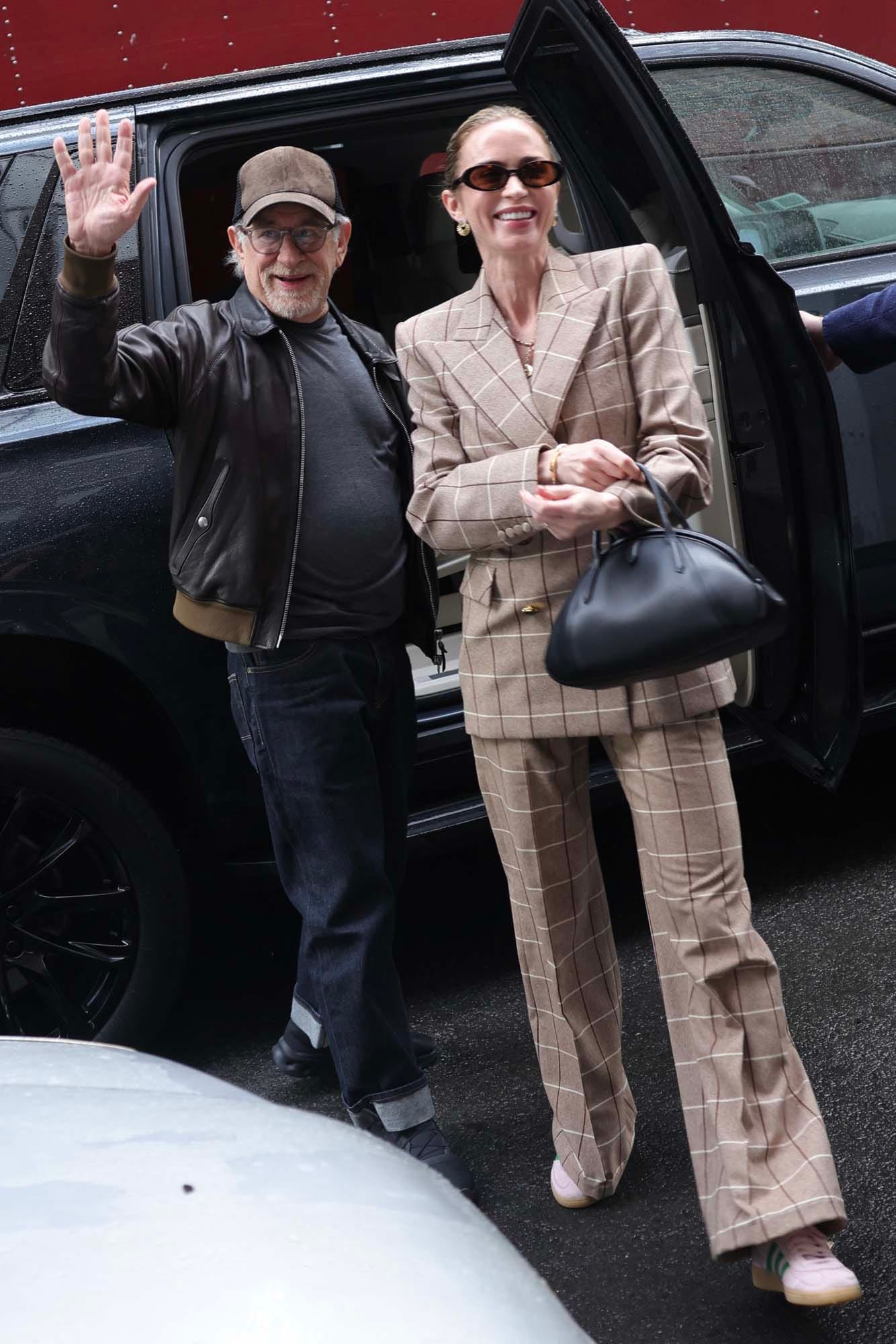
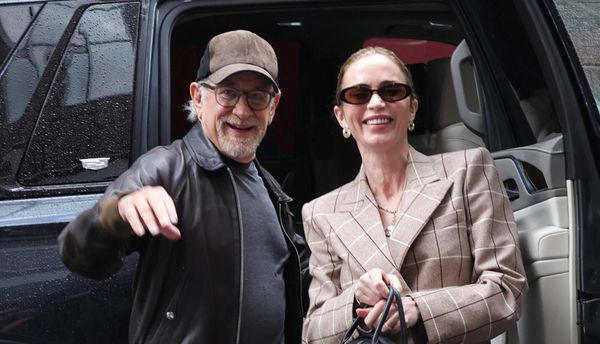
Steven Spielberg and Emily Blunt attend a conversation about “Disclosure Day” at AMC cinema in New York City, June 12, 2026