TIFF Review: Riz Ahmed in Hamlet

– 3 min read

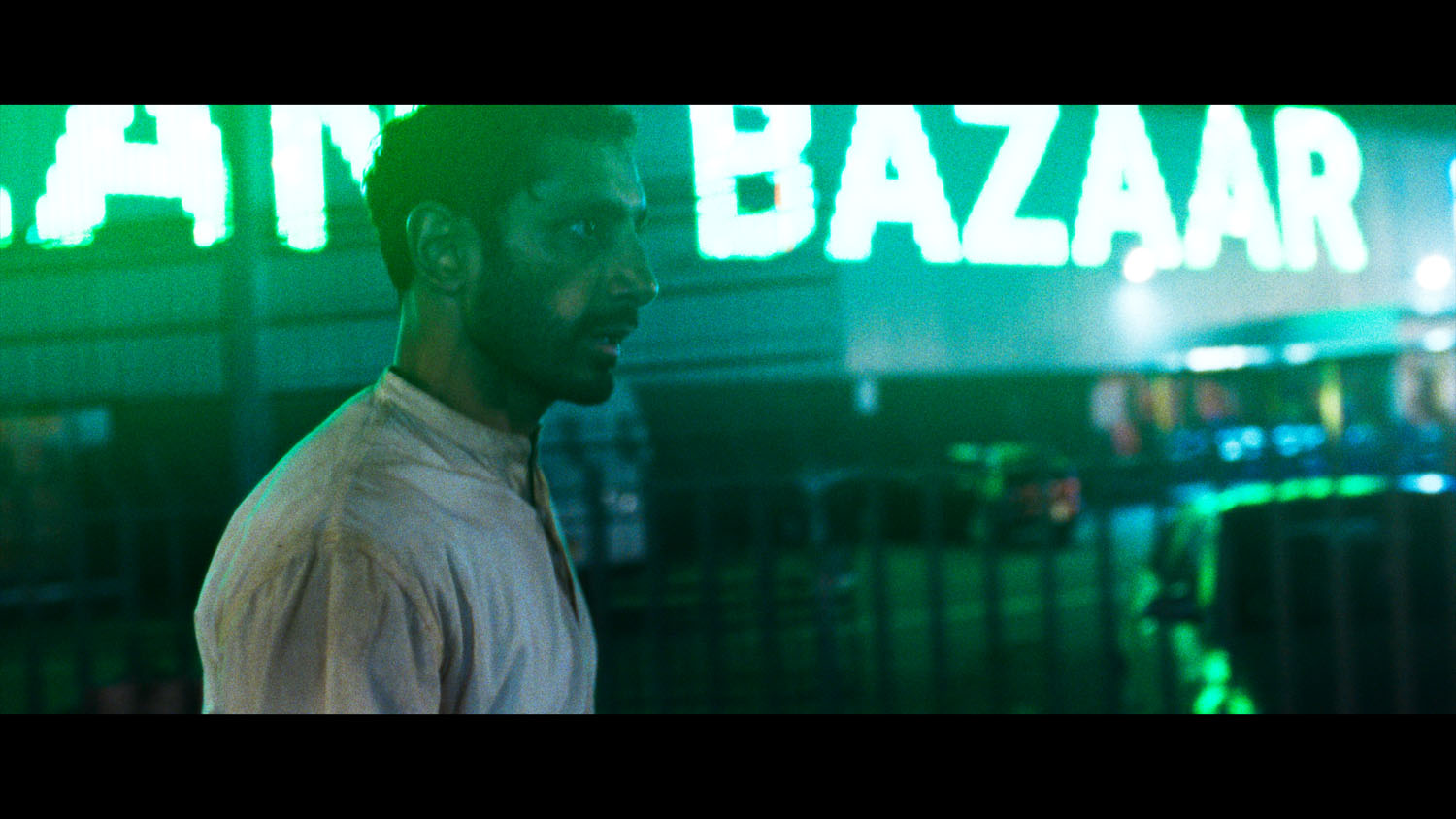
Hamlet is Hamlet is Hamlet, there’s only so much you can do with Hamlet, it’s been done so many times by so many people in so many mediums over the literal centuries since Shakespeare’s play debuted. The latest update comes from director Aneil Karia and stars Riz Ahmed—the pair won Oscars for their 2020 short film, The Long Goodbye—as the morose prince, reimagined here as the scion of a London real estate development group. Ahmed’s increasingly unhinged performance is masterful, but the film is ultimately uneven and unable to match Ahmed’s fervor.
Set in the contemporary South Asian community in London but using Shakespeare’s language, the early going of Hamlet is excellent. Screenwriter Michael Lesslie takes some liberties, moving dialogue around so that the condensed text—the film clocks in at just under two hours—can still utilize some of Shakespeare’s most famous lines (the “between heaven and earth” crack is now delivered to Ophelia). Karia, working with cinematographer Stuart Bentley, matches Lesslie’s tight scripting with clear visual storytelling that paints a quick and decisive picture of Hamlet’s family as slumlords-cum-real estate moguls. Is some of it obvious, like including “rotten” graffiti on an Elsinore Corp development? Sure! But they never come close to, say, Baz Luhrmann’s level of obviousness.
Riz Ahmed is also especially good at the start of the film, he has one of the most memorable non-verbal reactions to the news that Hamlet’s mother and uncle will marry just weeks after his father’s death. It’s so good you can hear the “what the f-ck” he isn’t saying ringing clearly in the room. Ahmed’s physical and expressive performance effectively translates the antiquated language some audience members find difficult. If Shakespeare seems intimidating because of the language, Ahmed’s performance helps render it accessible. Ditto for Morfyyd Clark, who underplays Ophelia so much and so well it seems like she might actually escape Hamlet’s blast radius—it’s a feat after four centuries to perform such a beloved character so well that for a second, another outcome really does seem possible.
There are also other good updates, such as reimagining Laertes (Joe Alwyn) as a party bro feeding Hamlet drugs and alcohol to a degree it makes Hamlet an even more unreliable narrator. Did he see his dad’s ghost, or did he just do too much coke? Ahmed’s Hamlet is knocked off his foundation by his father’s sudden death, further destabilized by substance abuse, and then mired in a grief no one else wants to acknowledge. It’s no wonder he crashes out! By tightly focusing on Hamlet’s emotional deterioration, the film finds new empathy for the character, less a pawn of fate and more a grieving child given no healthy outlet to express himself. Another solid update is reimagining Hamlet’s “play” in which he tacitly accuses his uncle of murder as a dance during Claudius and Gertrude’s wedding. It is one of the most effective and striking moments in the film.
Unfortunately, the back half of the film can’t match this early energy. This is where that relatively brief runtime works against the story, depriving the narrative of room to breathe. Ahmed’s performance works up to a furious crescendo, but the filmmaking becomes flatter and less engaging after that wedding dance scene. (Stuart Bentley’s cinematography, though, is beautiful throughout, with a particularly stark and haunting final image.) It is a palpable race to the finish, truncating major moments to get to the next thing, with less invention around the story. Hamlet goes from feeling fresh, to ticking boxes, and the emotional core of the film suffers for it.
Ahmed puts the whole thing on his back, though, and wills the film over the finish line himself. His performance remains riveting, and Sheeba Chaddha has some great later moments as Gertrude, as the reality of what she’s done comes crashing down. The performances in Hamlet are its strength as the storytelling begins to give out under that race to the finish. With a little bit more space for the narrative in the back half, the film might have maintained the momentum to keep up with Ahmed’s performance. As it is, Hamlet is Hamlet is Hamlet, it reaches the inevitable conclusion. At least this Hamlet has Riz Ahmed and his wonderful performance to anchor it.