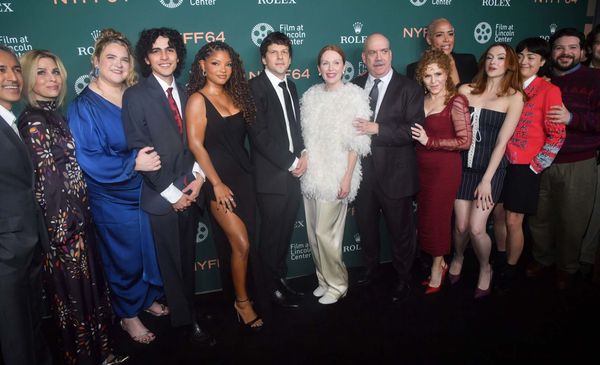
The Uprising trailer

– 3 min read

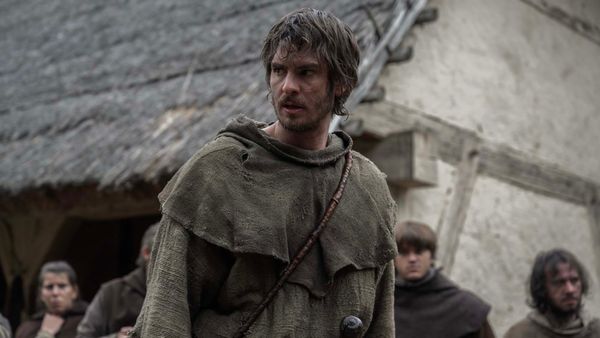
Just as we’re getting through The Odyssey, let’s look to another historical epic: Paul Greengrass’s The Uprising. The trailer dropped yesterday, showing off Andrew Garfield as 14th century rebel Wat Tyler, in a film that promises to be viscerally violent. Paul Greengrass doesn’t do it any other way.
Greengrass is English, so I suppose it’s not surprising he’s interested in Wat Tyler’s Rebellion, also known as the Peasants’ Revolt, which occurred in 1381 in England (particularly the southern part). Wat Tyler was…well history that old is imperfect, and part of the revolt involved burning law records, so he was a guy who, through circumstances, ended up leading a force of peasantry from Canterbury to London to take on royal forces and demand socio-economic reform. I’m actually interested to see what version of events Greengrass chooses to recount for the film, which he also wrote, because no one is exactly sure where Wat Tyler came from, how old he was (fortyish or sixtyish but probably fortyish), or how, precisely, he came to be involved in the revolt. What we know for certain is that he led the force from Canterbury, and it did not go well for Tyler, specifically.
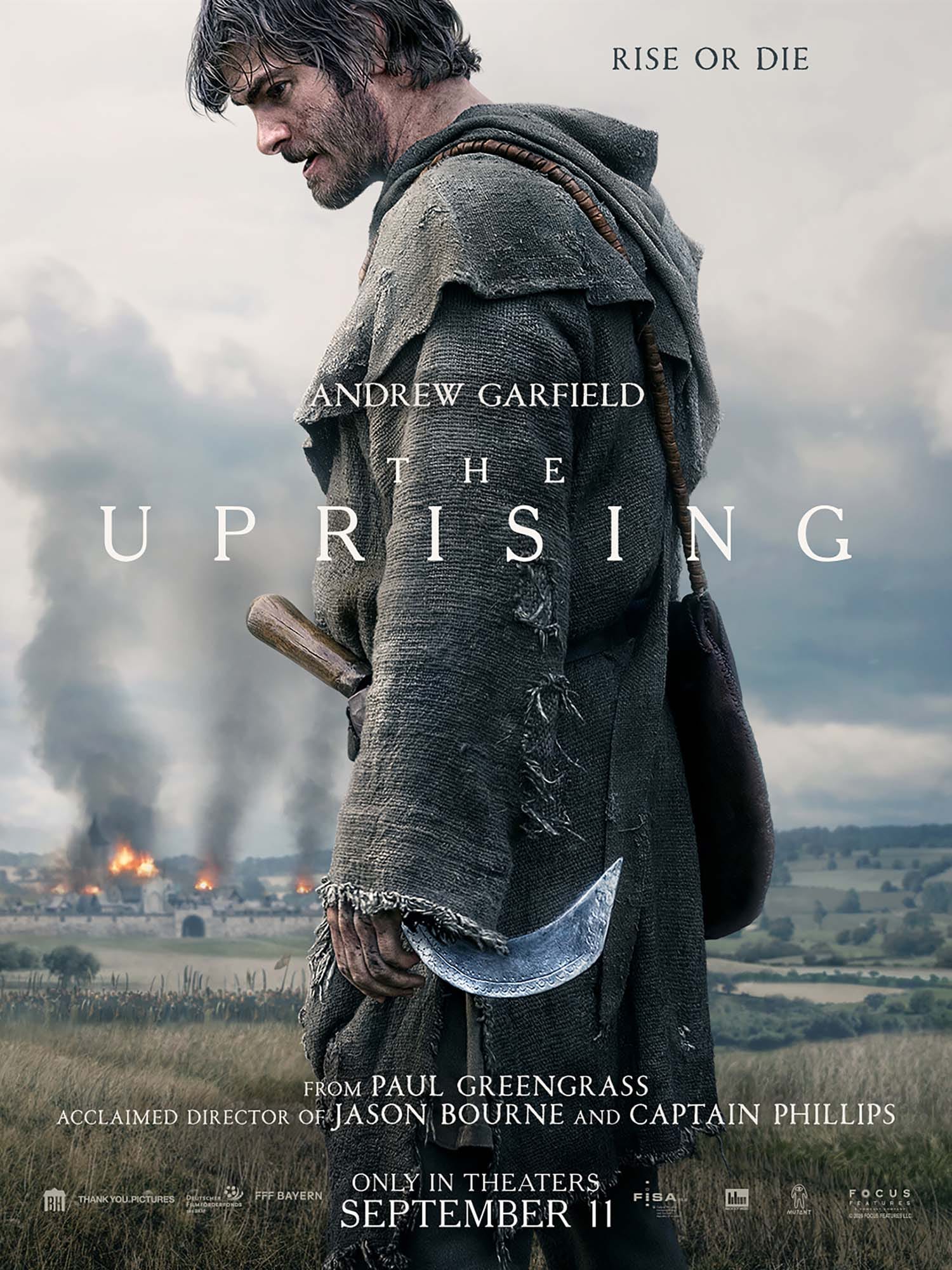
Wat Tyler’s Rebellion comes up a lot in socialist writing and theory, because it became synonymous with the preachings of John Ball, played by Jamie Bell, who preached that all people were created equally as all are descendants of Adam and Eve, a truly radical idea during the age of feudalism. But with the European continent ravaged by the Black Death—Wat Tyler’s life spanned the peak of the pandemic—feudalism was dying anyway. One of the main goals of the uprising was to end serfdom, which was already on its way out as a dearth of alive people meant wages were rising for workers across Europe.
Sure, The Uprising looks like a cool battle movie. I’m sure Andrew Garfield will make for a compelling man-of-the-people hero. The fight scenes will undoubtedly be brutal and gory, because Paul Greengrass is a masterful director of action. But I am just SO curious to see how Greengrass frames this moment in history, because while I can easily see connections to our current moment and how this story might resonate with contemporary audiences, historically…Wat Tyler’s Rebellion didn’t accomplish much.
The forces that ended feudalism had more to do with the plague than any revolt, and I just wonder if Greengrass will acknowledge the sort of ambivalent place Wat Tyler’s Rebellion occupies in history. It wasn’t nothing, for a moment, The People bent a king to their will, but it didn’t last, either. And The People paid for their audacity. And if we’re supposed to draw something from this story about our own current moment of rising techno-feudalism, I sure hope it isn’t the relative pointlessness of the Peasants’ Revolt.
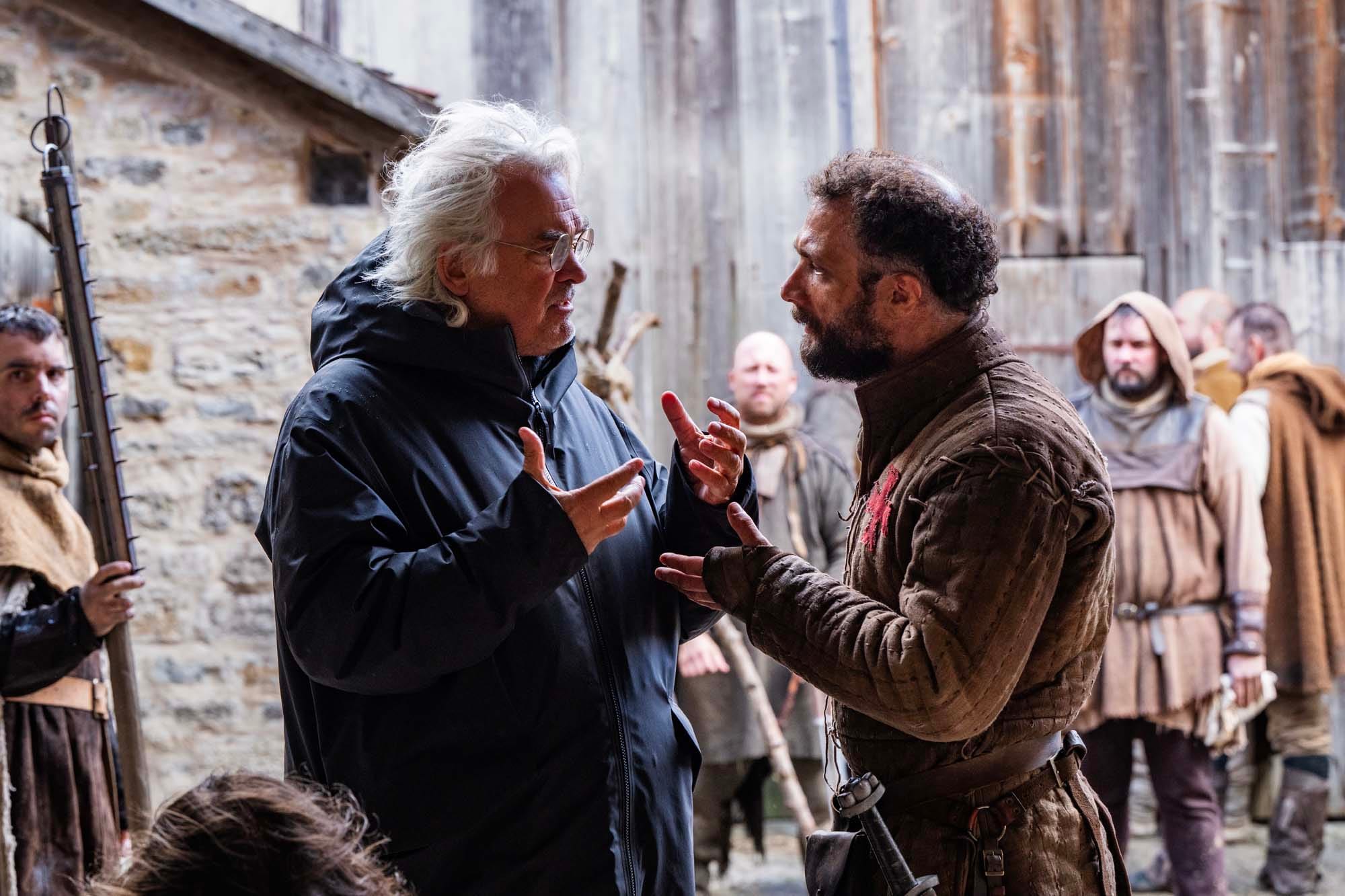
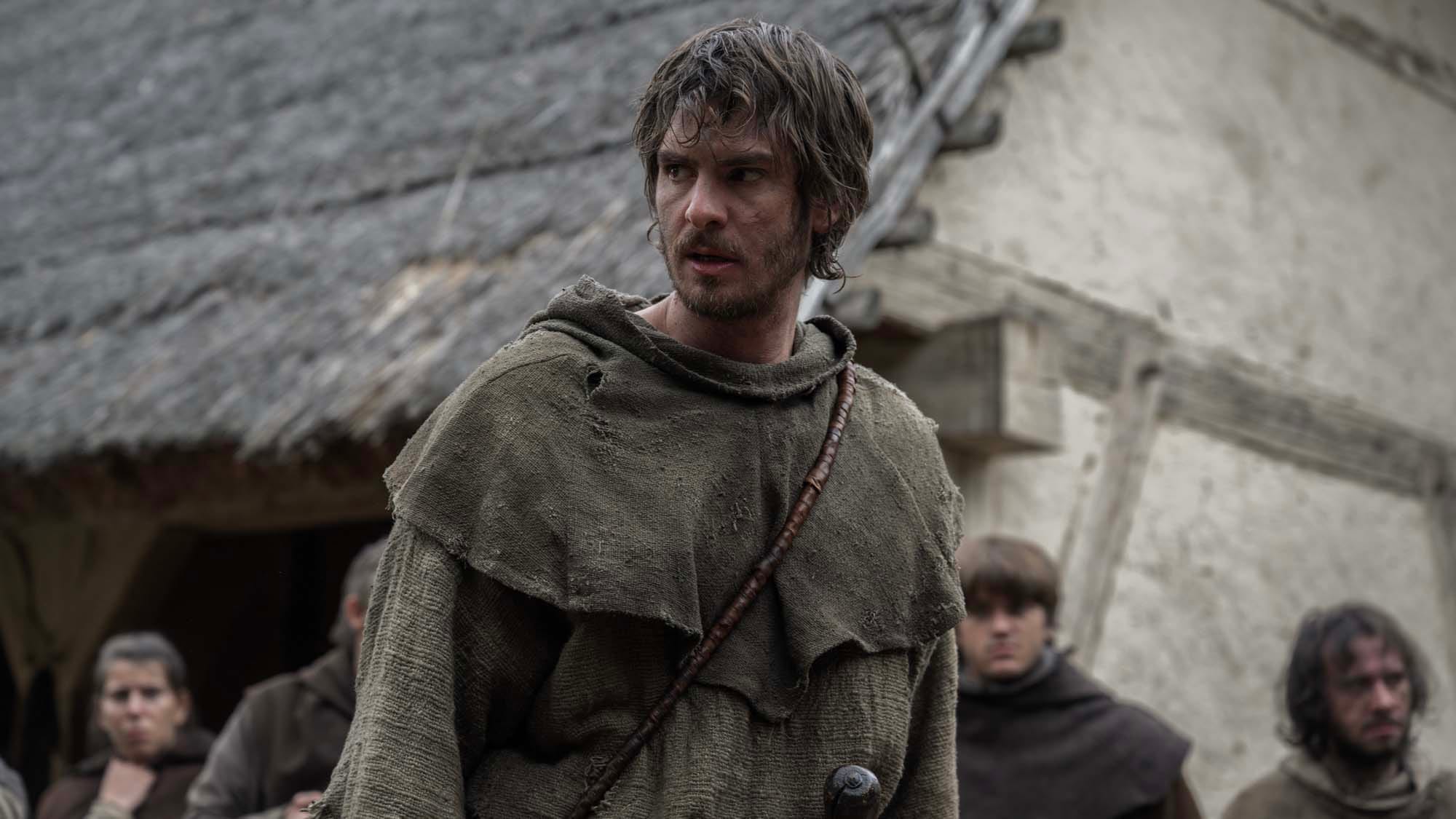
The Uprising set photos