At least East of Eden looks gorgeous

– 3 min read
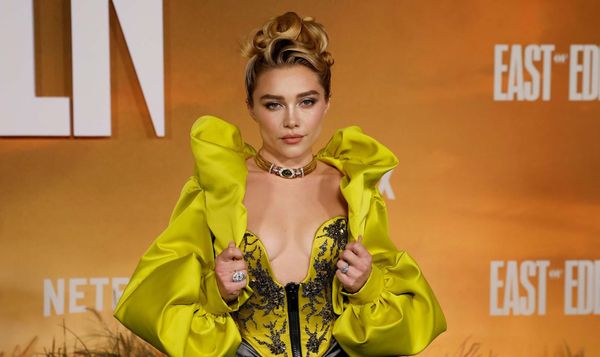
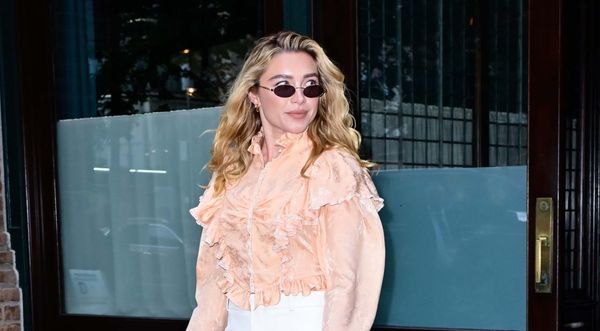
We’ve made much of Anne Hathaway’s Big Year, but Florence Pugh is also having a big year, appearing as Yelena Belova in Spider-Man: Brand New Day before she returns for Avengers: Doomsday, and just as Annie did double duty press this summer with The Odyssey and The End of Oak Street, Miss Flo will do double duty press in December with Doomsday and Dune: Part Three. She’s the living embodiment of Dunesday.
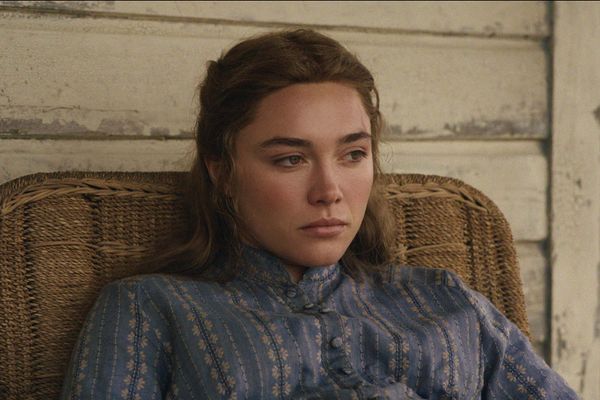
But first comes October and Zoe Kazan’s series adaptation of East of Eden for Netflix, in which Pugh stars as Cathey Ames Trask. The full trailer dropped yesterday and WHEW, does Eden look BEAUTIFUL. The series is seven episodes, the first four are directed by Garth Davis (Lion, Top of the Lake), and the last three by Laure de Clermont-Tonnerre (The Mustang). They’re certainly capturing the sweeping emotional and physical landscape of the story, with New Zealand once again standing in for the American west.
When I last wrote about Zoe Kazan adapting East of Eden, which was famously directed as a feature film by her grandfather, Elia Kazan, I wondered if Zoe would in any way address Elia’s legacy, given that he named names in the blacklist era and ruined many lives and careers. A reader who wishes to remain anonymous wrote about their experience working with Nicholas Kazan, son of Elia, father of Zoe, in the 1990s. He had a strict “no legacy talk” rule with the press, which is apparently the family’s preferred operating mode. Apparently, they’re never going to address it.
I guess they don’t have to, but once again, Nathaniel Hawthorne changed his name and wrote great literature about his family’s shame surrounding the Salem Witch Trials, and he lived 200 years after his offending ancestor. These things are choices we can make, or not make, a choice I make is to never forget that Elia Kazan’s career—which then afforded Nicholas and in turn Zoe careers—was built on the ashes of everyone he burned in front of HUAC.
Anyway, East of Eden looks gorgeous, Florence Pugh is making expressions with her face, I look forward to this series even if I wish even one person would walk into the junket determined to ask Zoe about her family legacy. East of Eden is about family, after all, and the things we carry for our family and because of our family. A major theme is also timshel, the Hebrew word meaning “thou mayest”, which is interpreted in Eden as representing free will and agency.
The characters in East of Eden wrestle with their legacies, their destinies, their agency, whether or not they can choose to be sinful or godly. Steinbeck’s whole point is that we can choose our nature, they are not written in stone, we can choose our own paths, and we can change paths at any moment. Or you can just, you know, ignore it. That’s a choice, too.
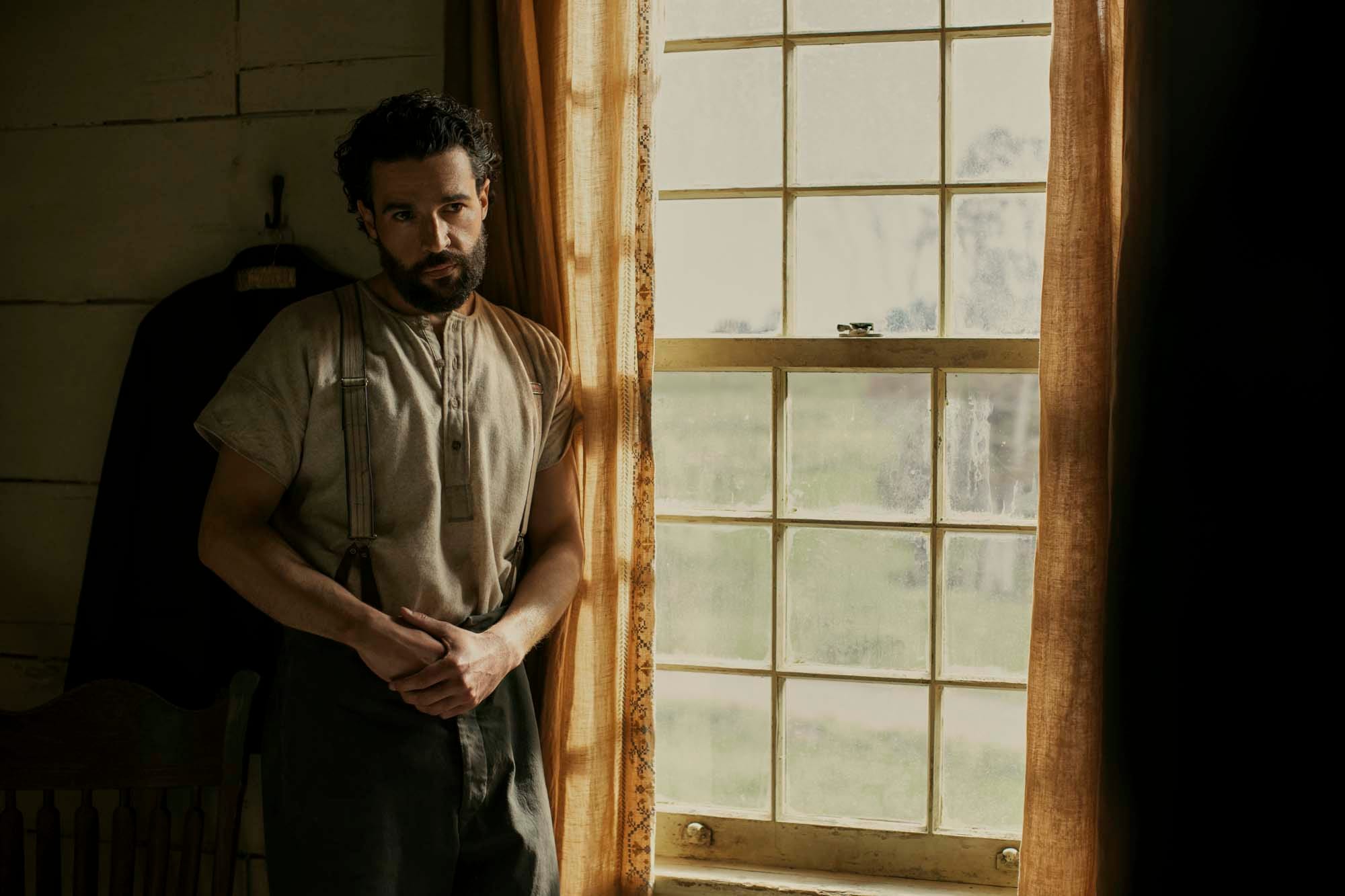
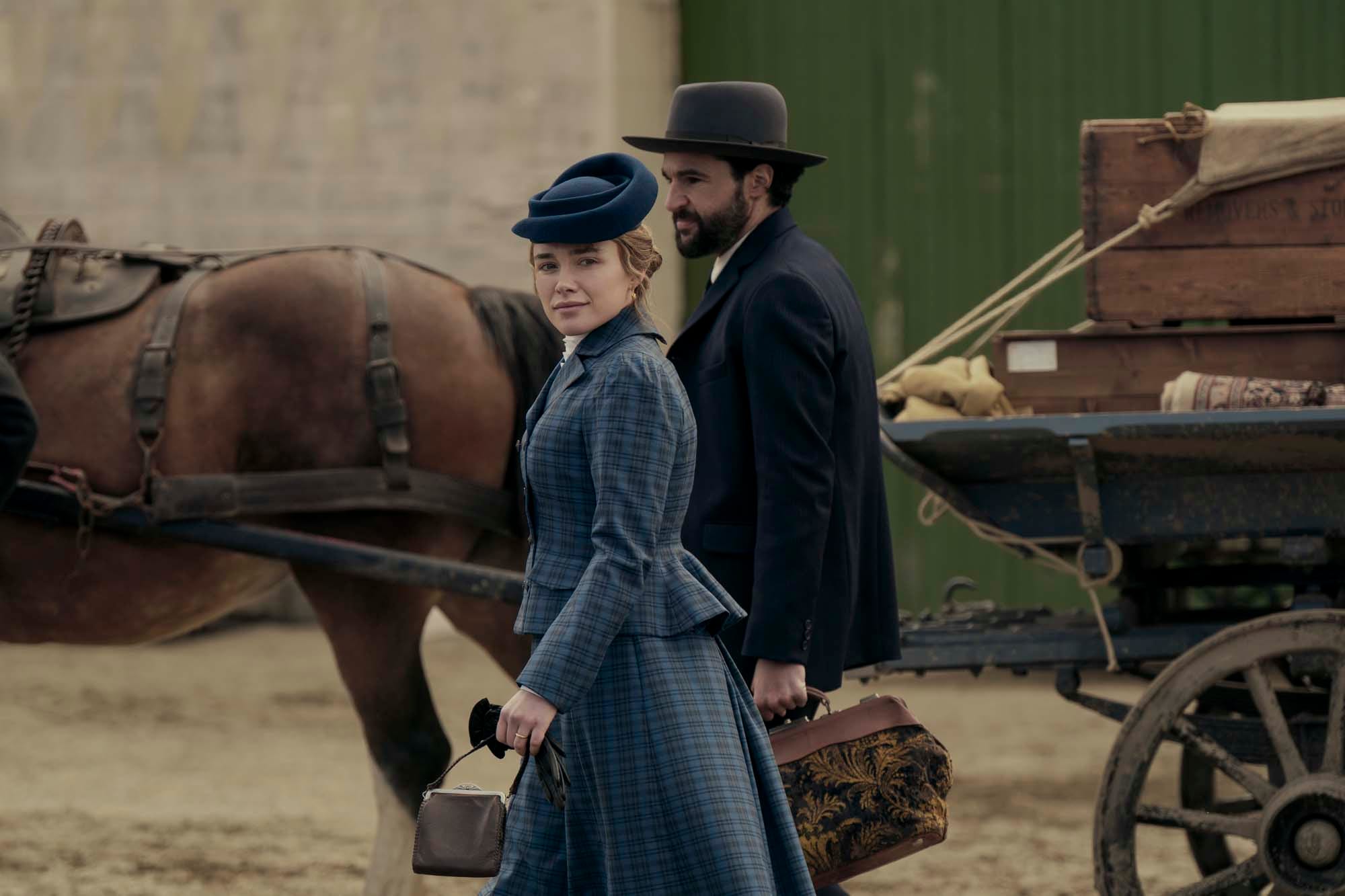
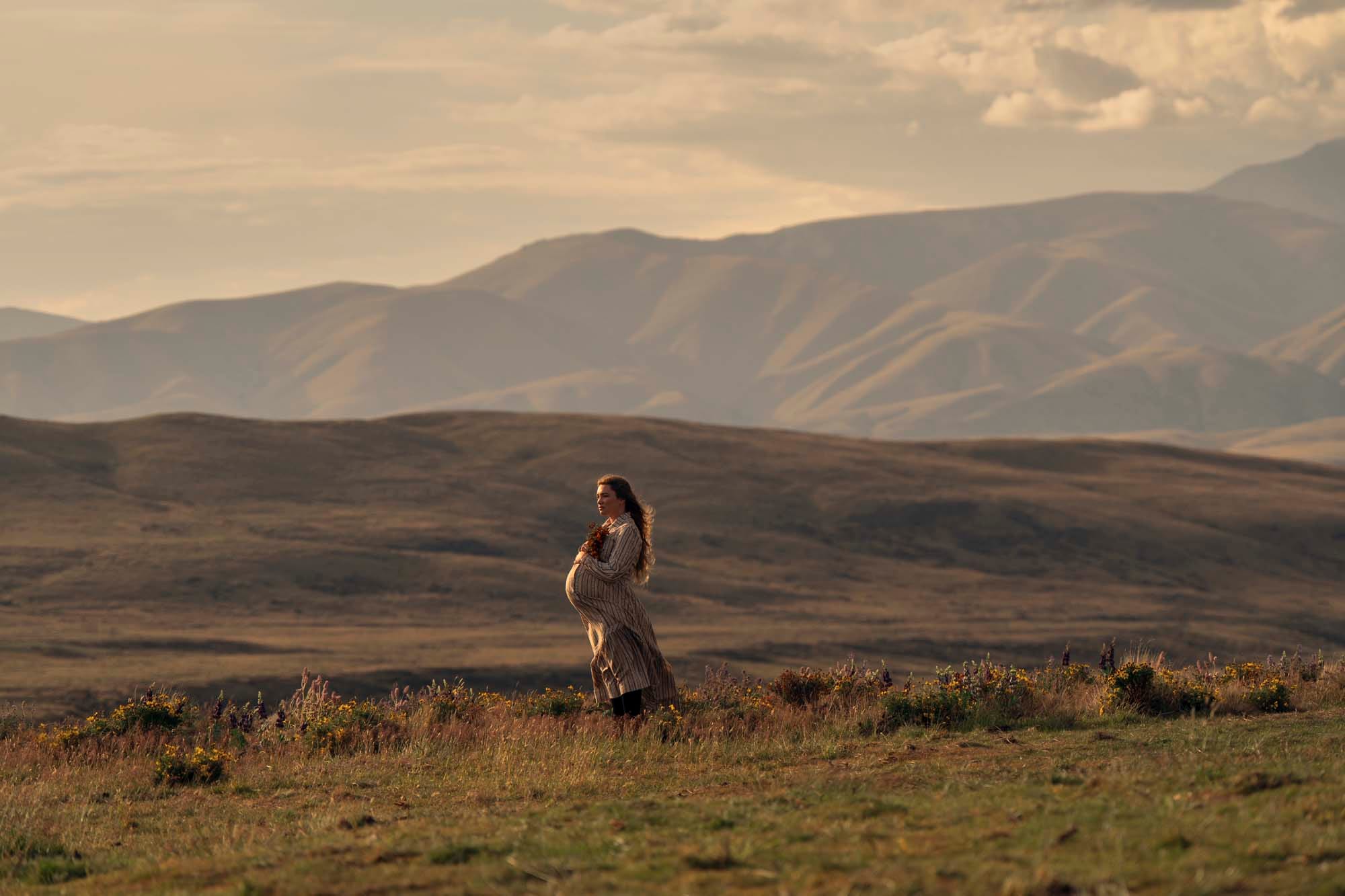
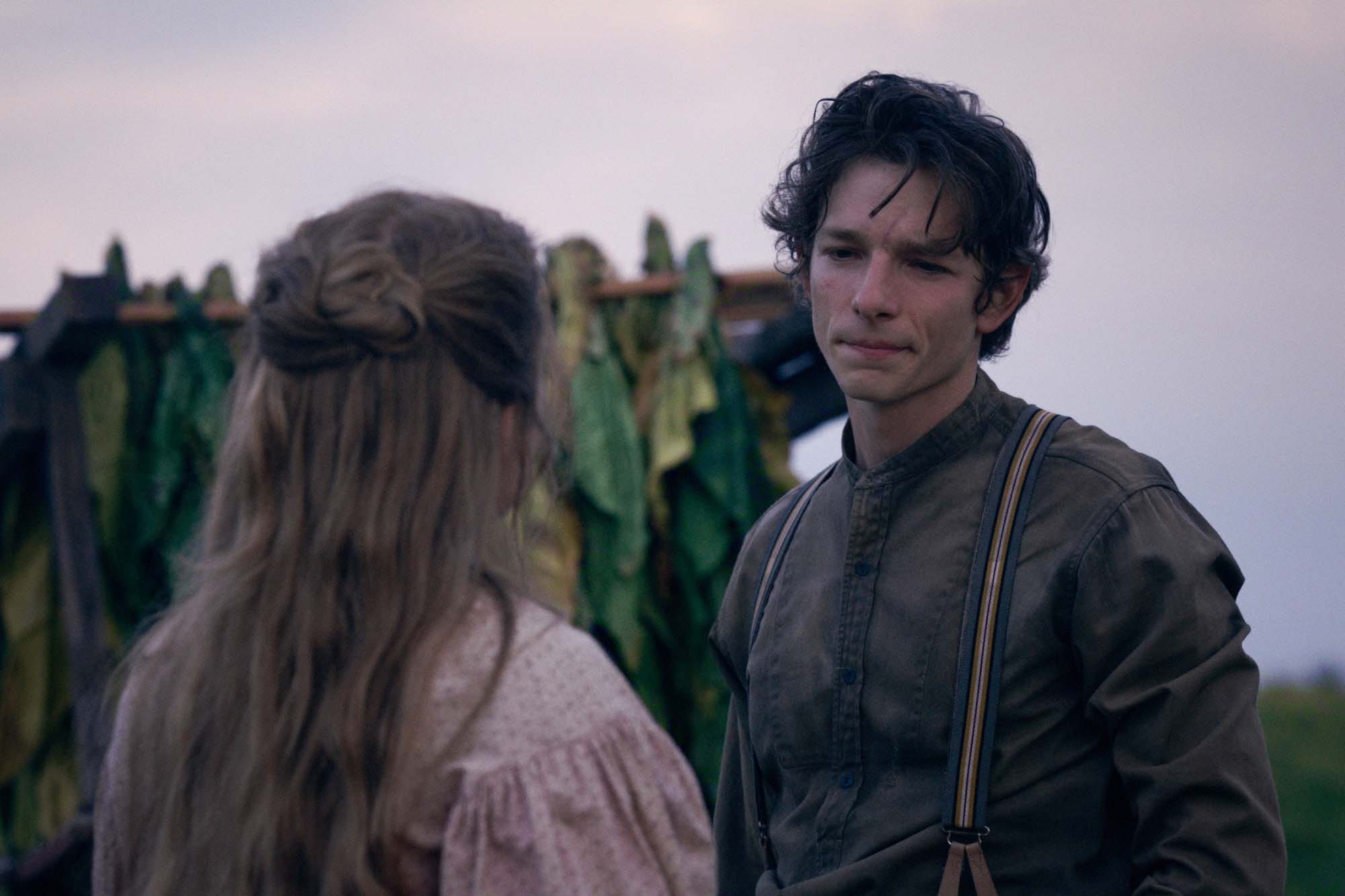
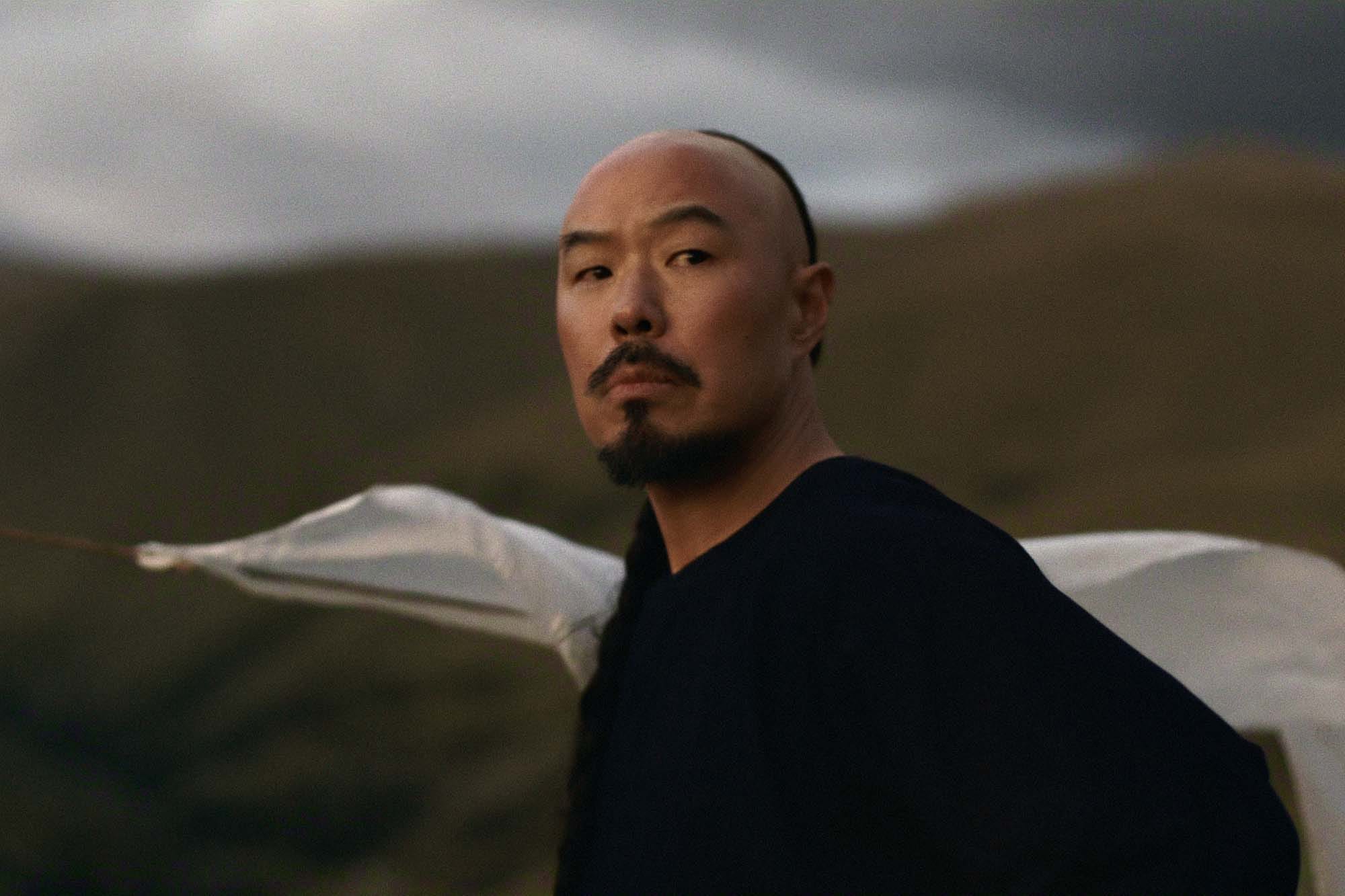
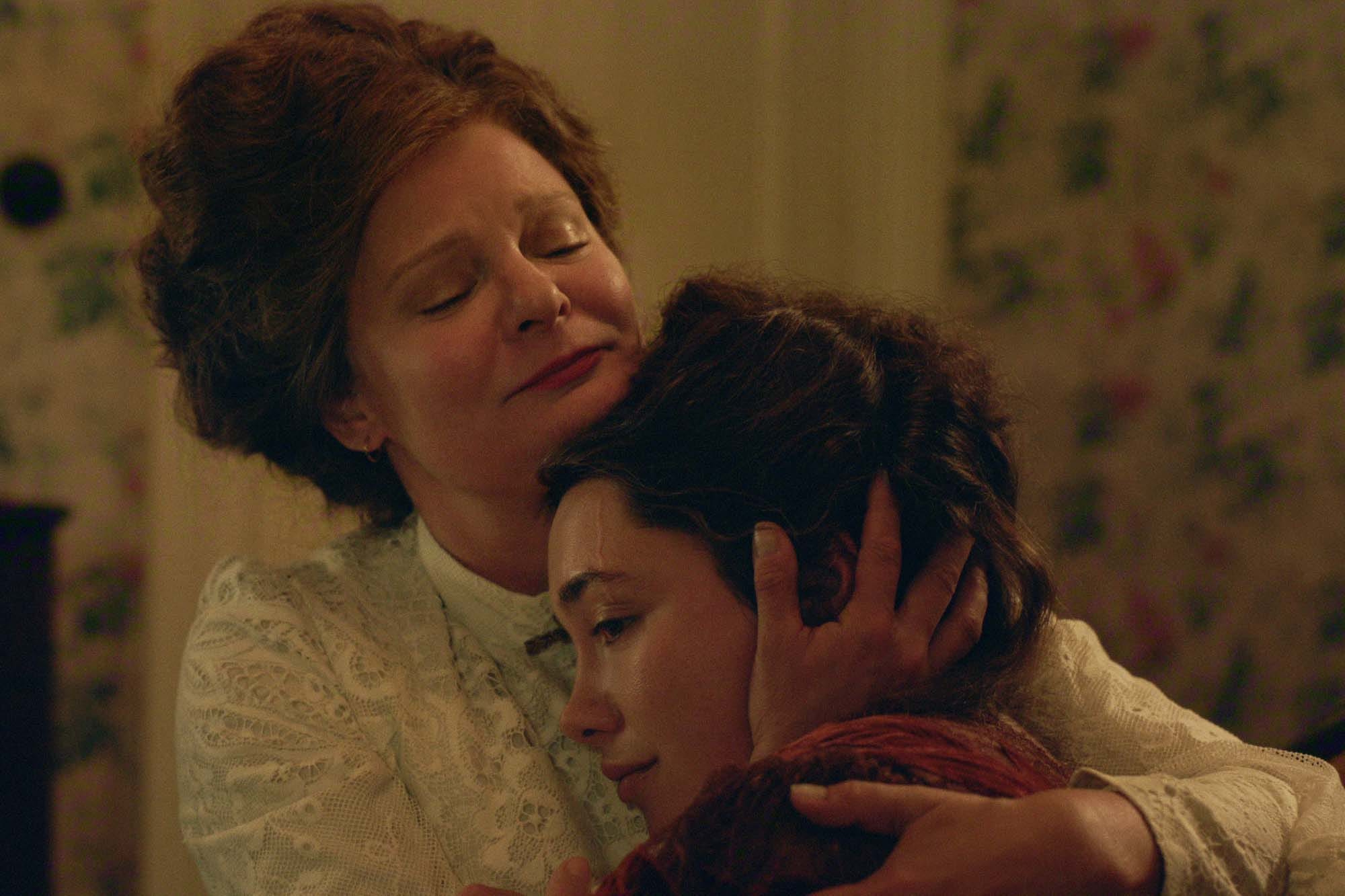
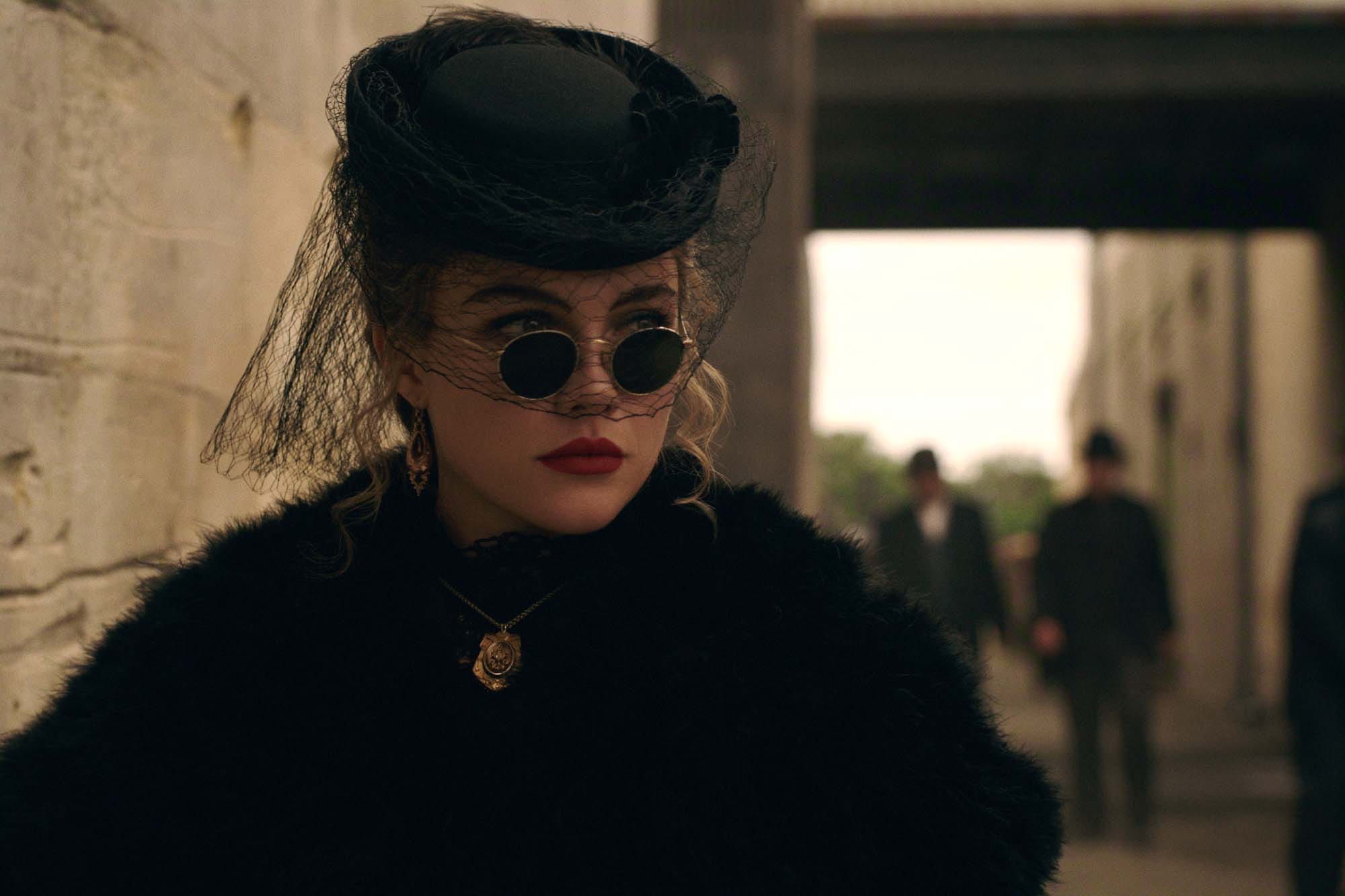
East of Eden trailer stills