ParaSky WarnerDance is here

– 4 min read

After months of lawsuits and posturing in the media, it is all but over, and the Paramount/Skydance-Warner Bros. Discovery merger will go through. Yesterday, following a weekend of talks, and pressure from California governor Gavin Newsom, the multi-state anti-trust lawsuit against Paramount Skydance was settled, as was the WGA’s separate anti-trust lawsuit. With all legal matters now settled, the merger can—and will—close.
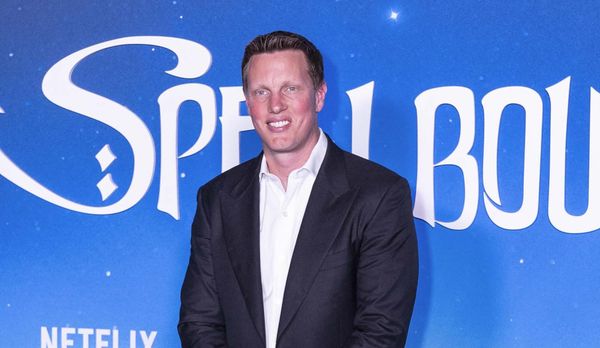
For a moment, it really felt like the anti-trust lawsuits were going to do their job and halt the merger, but then David Ellison started threatening to move Paramount Skydance out of California if he didn’t get his way, per a “leaked” memo that materialized in the press (quotation marks because I fully believe the memo was created and shared with the express purpose of generating public pressure against the lawsuits). The memo detailed the cost, in jobs and revenue, to the state of California should ParaSky up stakes and leave the state, which was not insignificant. What is left out of that conversation, however, is that with the merger—any merger—there will be job loss, too. Thousands of people are about to be out of work in Los Angeles.
Just yesterday, with the lawsuits settling, David Ellison said, “We aren’t going anywhere. Our history is here and this is where our future is being built.”
Extreme pram-toy behavior.
Anyway, the merger is now expected to close rapidly, even though huge question marks remain. How many people will lose jobs? Will the new Frankenstein’s monster of a corporate entity actually be able to deliver on producing 30 films a year (20 of which are supposed to be earmarked for wide release)? What’s the deal with the editorial/oversight board proposed for CNN? Is anyone at all concerned about handing over a 49.5% stake in the new entity to a Gulf funds group made up of Saudi Arabia, Qatar, and the UAE?
Let’s start with CNN and CBS News, which are now both under the same corporate umbrella. They are getting an oversight board to create a layer between the networks and their shared parent company. This isn’t an unusual arrangement, it’s just not an especially effective one. The settlement agreement stipulates that the board should be made up of journalists with at least ten years’ experience, and a mix of political leanings, and no government official or member from the corporate side can serve on the board, but…David Ellison still gets to pick his own editorial oversight committee. There’s nothing stopping him from stuffing it with friendlies who won’t stop his agenda in re: the news.
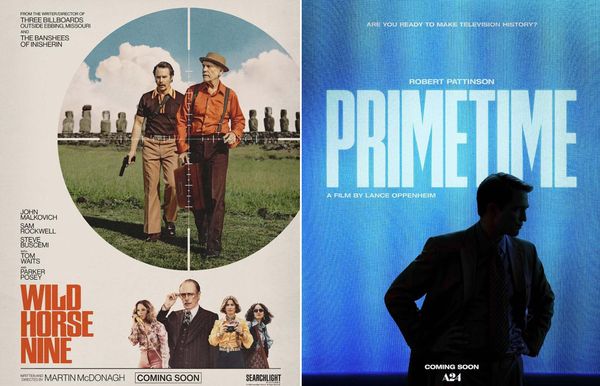
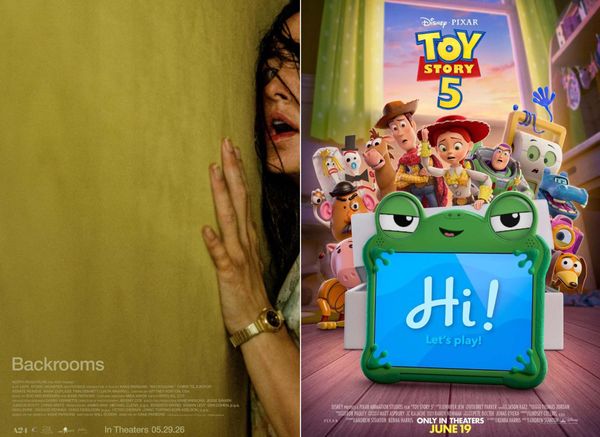
And then there is the promise to make 30 films a year, which is totally unenforceable and unrealistic, at least in the short term. There is the inevitable debt the new entity will have to contend with—this is what led David Zaslav to sh-tcan movies for tax write offs—but there’s also just a scale issue. In 2025, Warner Bros. released eleven theatrical films, and Paramount released nine. That means increasing production by eleven films a year, at a time when the cost of everything is going up and everyone is tightening their belts everywhere.
I suppose you could give $1-2 million each to a dozen filmmakers and see what happens, which actually wouldn’t be the worst way for a Hollywood studio to create a kind of accelerator program and discover new talent, but David Ellison’s interest in cinema, to date, has not been low-budget films. With Skydance, he made exclusively giant blockbusters, primarily Tom Cruise movies.
In fact, only a handful Tom Cruise movies, including Top Gun: Maverick and films for the Mission: Impossible franchise, generated the billion-dollar box office that made Skydance look like a major player, when in fact they were, more or less, a specialty producer centered on Tom Cruise. (Credit to Scott Mendelson for this excellent observation.) I would love for somebody to ask Tom Cruise, Mr. Movies, about this merger which sees another legacy Hollywood studio bite the dust, but I know it’s pointless. He’ll just serve some word salad about movie theaters and audiences. He won’t address the actual issues at hand.
And the issue at hand is mostly that the settlement is toothless, unenforceable, and does nothing to support Hollywood jobs. Rather than get a frivolous production quota, I would much rather have seen the California politicians push for Ellison to commit to producing films and series in Los Angeles, and to partake in rebuilding efforts in Los Angeles, supporting working Angelenos getting back in their homes, rebuilding schools, etc.
Instead, we will get a sheen of corporate responsibility intended to paper over a slew of broken promises—which is exactly what happened by the Disney-Fox merger, by the way. The speed with which Ellison began remaking Paramount and CBS in his image after he gained control of that studio suggests we won’t even have to wait all that long to see how bad this merger really is. It’ll start with layoffs, and then those 30 films will fail to materialize, and then we’ll blink and neither Paramount nor Warner Bros. will ever be the same. It took 100 years to build Hollywood and less than ten to destroy it.
We're Squawking the merger today - join us! (App link here.)