Anne Hathaway and Michaela Coel in Mother Mary

– 5 min read
The crossroad of success and sacrifice is beloved by the devil and storytellers alike, and David Lowery is the latest filmmaker to pitch his tent at that cursèd intersection, staking his new film, Mother Mary, in the same territory as The Red Shoes, Suspiria, and Black Swan, all films interested in how women, especially, navigate the tensions of the personal and professional when it comes to artistic devotion and achievement. Mother Mary, written and directed by Lowery, is a cryptic film about friendship as much as it is fame, a film that provides no easy answers or even clear narrative direction. It’s a twisted, meandering story as fractured as the friendship at the heart of the tale.
Michaela Coel stars as Sam Anselm, a fashion designer preparing for a runway show as she senses the coming of an old, estranged friend, a popstar known as Mother Mary. A sinewy and tattooed Anne Hathaway plays Mother Mary, a transcendent star in the vein of Beyoncé, Lady Gaga, Taylor Swift, Madonna—the kind of pop presence who is bestowed the moniker “mother” by her fans (Mother Mary’s original music is provided by Jack Antonoff and Charli xcx). She is not just a singer, but a nearly religious figure to the crowds who gather at her altar. Doubling down on the syncretism of pop music and religious iconography—ground all divas tread eventually—Mother Mary is known for her halos, elaborate headpieces donned for each show.
But heavy is the head that wears the crown, and Mary is returning to Sam after a devastating accident which left Mary with scars and years of rehabilitation before making her comeback. Now, with a new song called “Spooky Action”, she wants Sam to design her comeback dress. Sam once designed all of Mary’s outfits, shaping “Mother Mary” as much as Mary herself did, though a falling out a decade before excised Sam from Mary’s life and Mother Mary’s backstory. David Lowery is the only credited writer on Mother Mary, but Coel, herself an award-winning writer, is rumored to have worked on the script with Lowery, and there are some distinct, sharp observations of the relationships between performer, stylist, manager, and crew that suggests intimate experience with those relationships and power structures.
Mother Mary is primarily a two-hander between Coel and Hathaway who chew scenery at each other with enthusiasm. Coel gets long, gorgeous monologues and lots of ecstatic closeups of her face—for all that Mother Mary is the star embedded in religious symbolism, Sam is the one framed in shafts of moonlight and penitent poses. Hathaway, meanwhile, provides a physically ferocious performance, nailing the popstar strut but also delivering a wrenching, music-less dance performed to her own grunts and strained breathing, a dance that seems less performance and more possession.
Maybe Mary is possessed. She fooled around with a Oujia board and a witch—played with creepy magnetism by FKA Twigs (who also provides a song for the soundtrack)—and maybe there were consequences of that. Or maybe Mary is depressed and is haunted by the specter of her mental health. Either way, Sam decides the way to design Mary’s big dress is to perform an exorcism and draw the presence out of Mary. The film itself takes this pretty literally, but Lowery’s direction is stubbornly distant and almost cold in its precision, so maybe it is only a metaphor for healing old wounds, after all. Either way, Sam ends up with spectral red cloth to make the dress (designed for the screen by Iris Van Herpen).
The space between the two women is taffy-like in its intimacy. Most of the film takes place in Sam’s barn workshop, but the space shifts into a stage and back into a barn as the story needs. Working within the limits of a singular space, Lowery does what he can to vary the visuals and mostly succeeds in keeping the film from feeling stale or stuck in place. The space expands and contracts as the conversation and revelations ebb and flow around the two women, as intimate or as vast as they need in the moment. The film, however, remains a fixed point, just outside their inner circle.
The narrative distance is ultimately a problem for the film. Mother Mary is a deliberately challenging film uninterested in simple answers to complex problems like long friendships that suffer in the wake of enormous success. Rarely do those wounds heal neatly, and Lowery is more interested in the scars than the answers, so Mother Mary remains opaque. It is what you make of it. Frustrating or illuminating depends on individual viewer indulgence and patience. It is less thematically cohesive than A Ghost Story, though similarly spooky and intrigued by the veil between the real and the metaphysical.
Mother Mary doesn’t exactly reward patience, though. The film is simply not interested in definitives. Lowery’s occupation is this one moment in time between estranged friends, who have not seen each other for a decade and may not see each other for a decade more. What has that time, what has the long absence of their collaboration made of them? There is no clear answer. That will probably bother a lot of viewers, the lack of resolution denies the escapism of cinema, where things can be neat and tidy in a way that they are not in reality.
But Mother Mary isn’t interested in reality, either, its central preoccupation is performance and visage, and how those things can distort reality into terrifying, unrecognizable shapes. In that way, the film succeeds, as amorphous as the presence torturing Mary. Maybe Mother Mary will torture you, or maybe it will, like the specter does for Sam, provide a touch of divine inspiration. It’s a fine line between the two, what paralyzes one innervates another, and as Mary and Sam discover, the ties that bind are never so easy to sever.
Mother Mary is now playing exclusively in theaters.
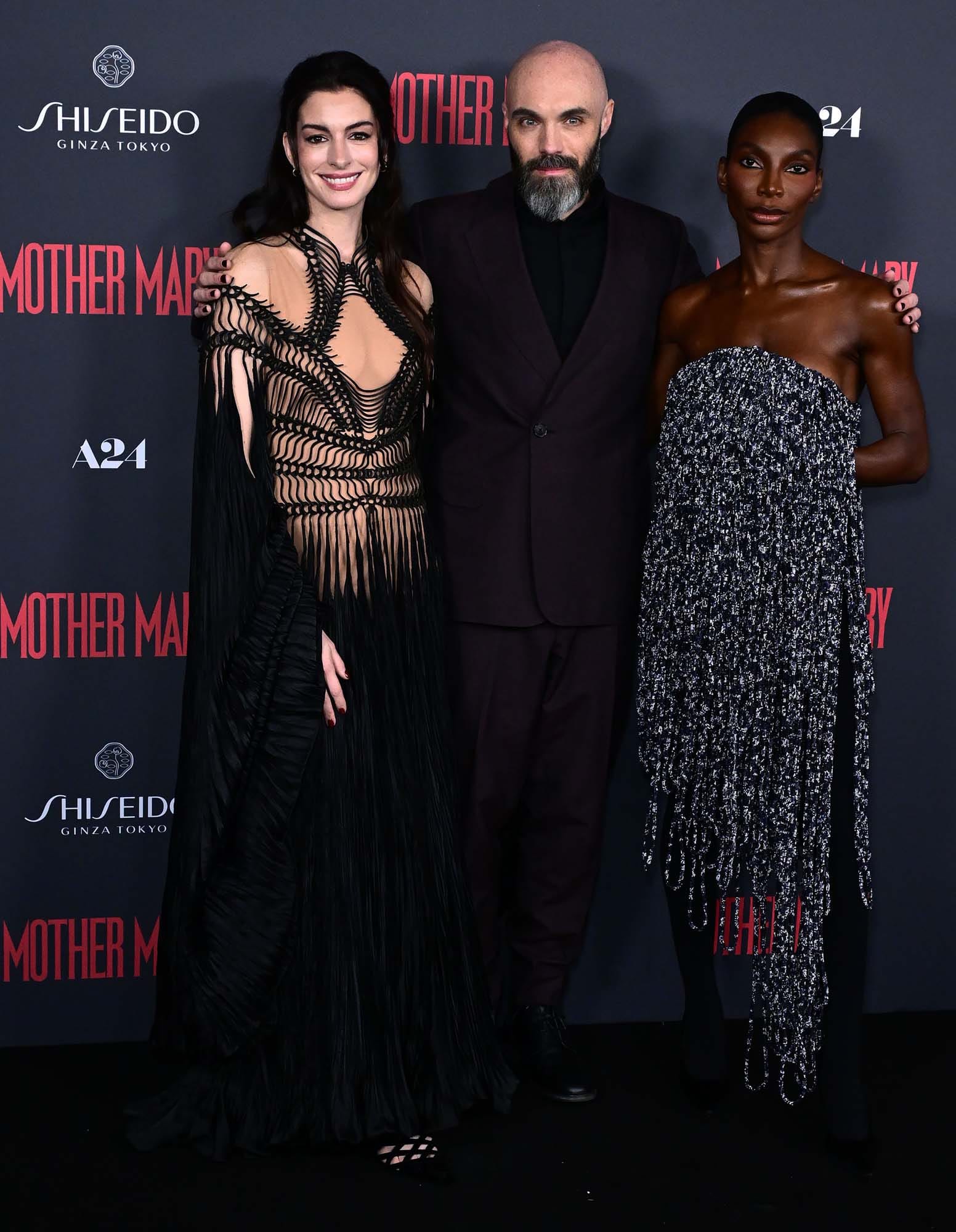
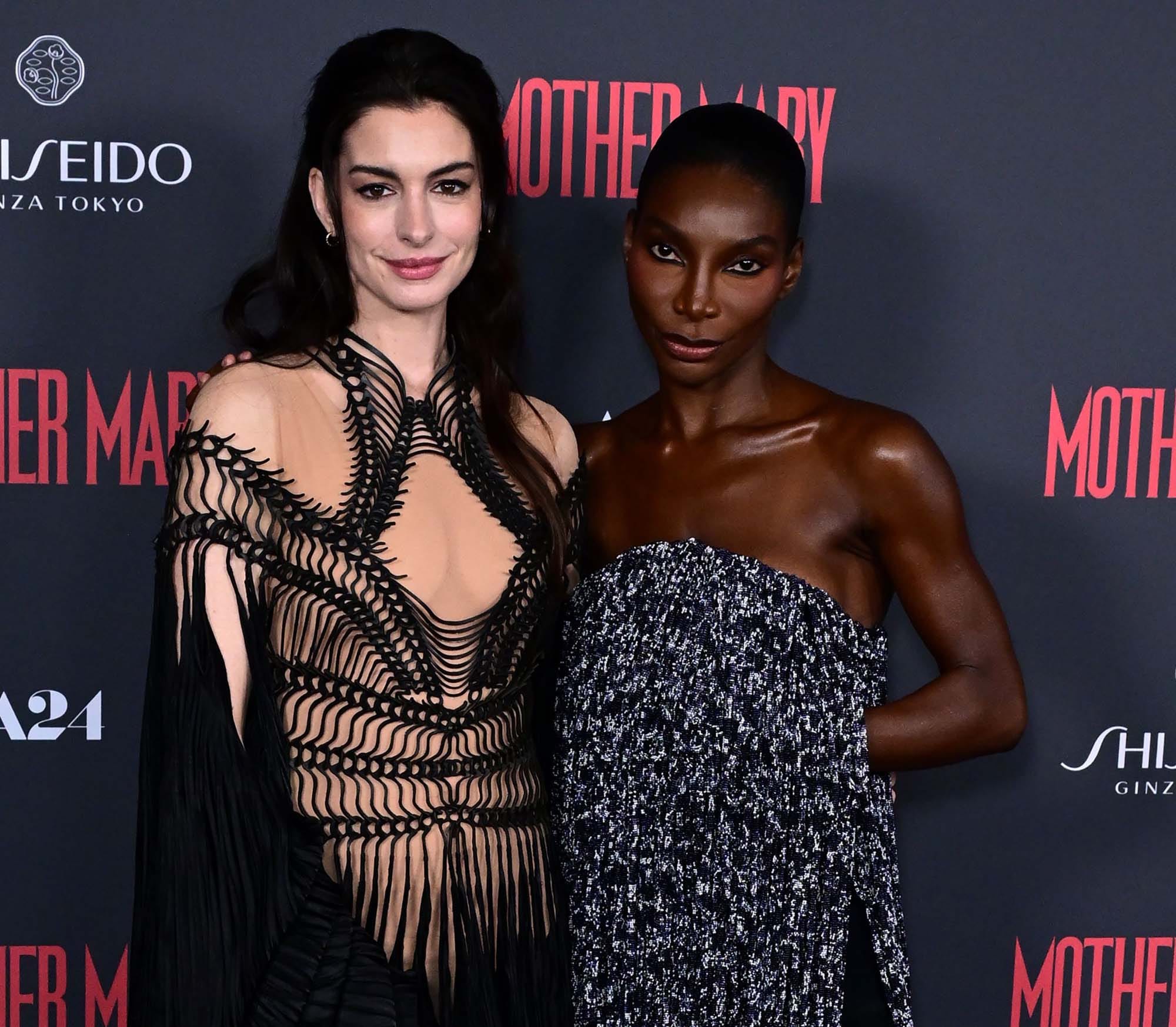
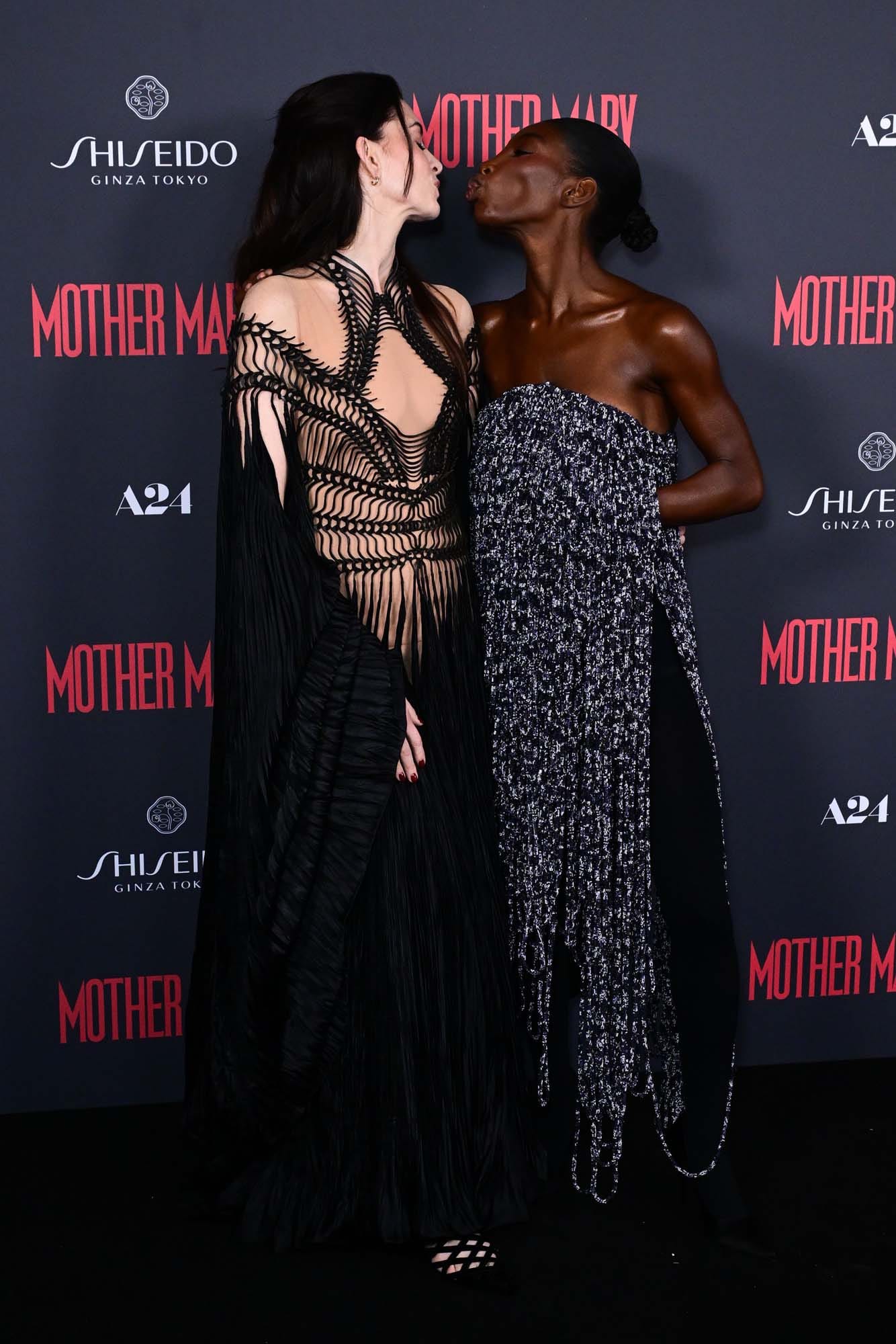
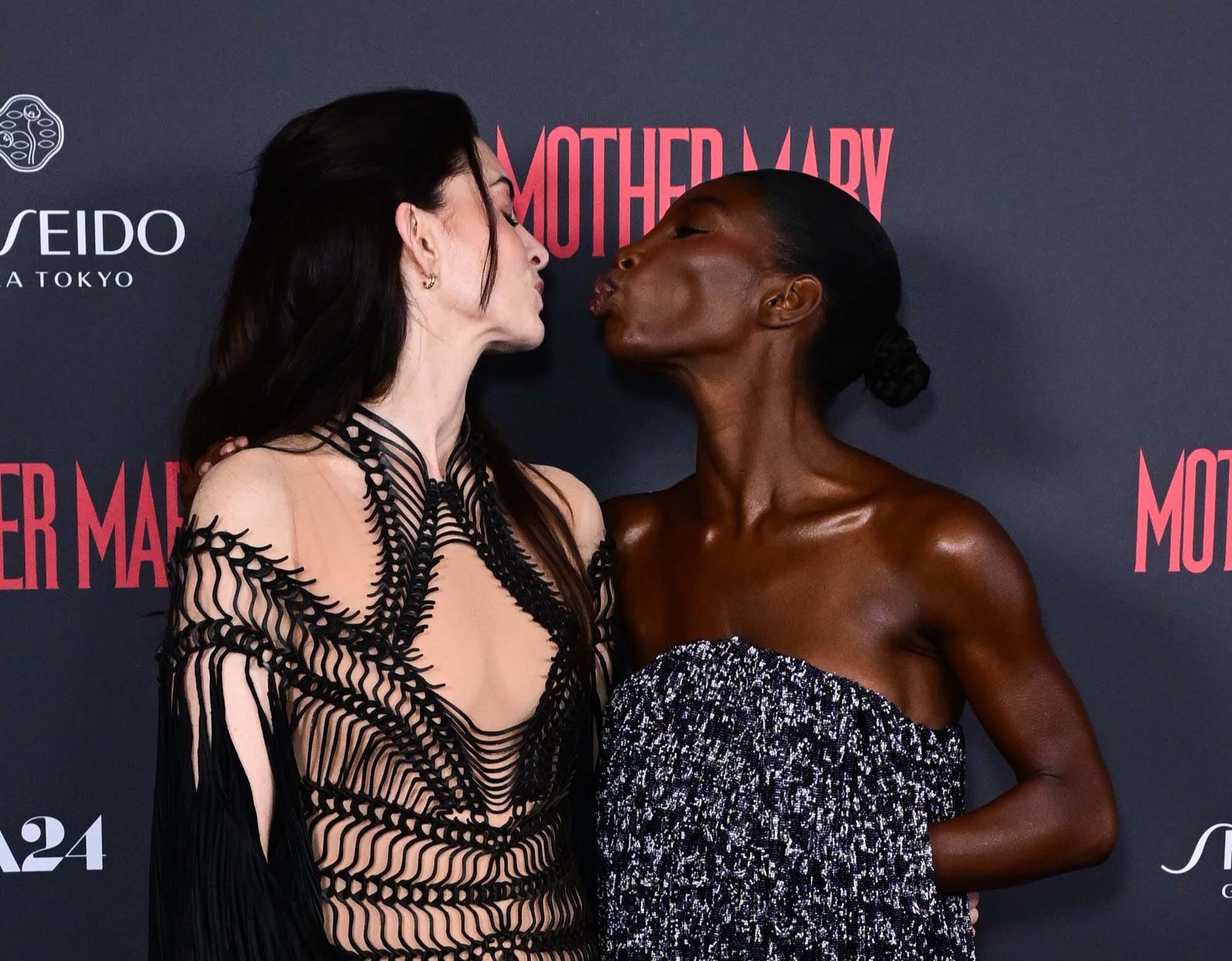
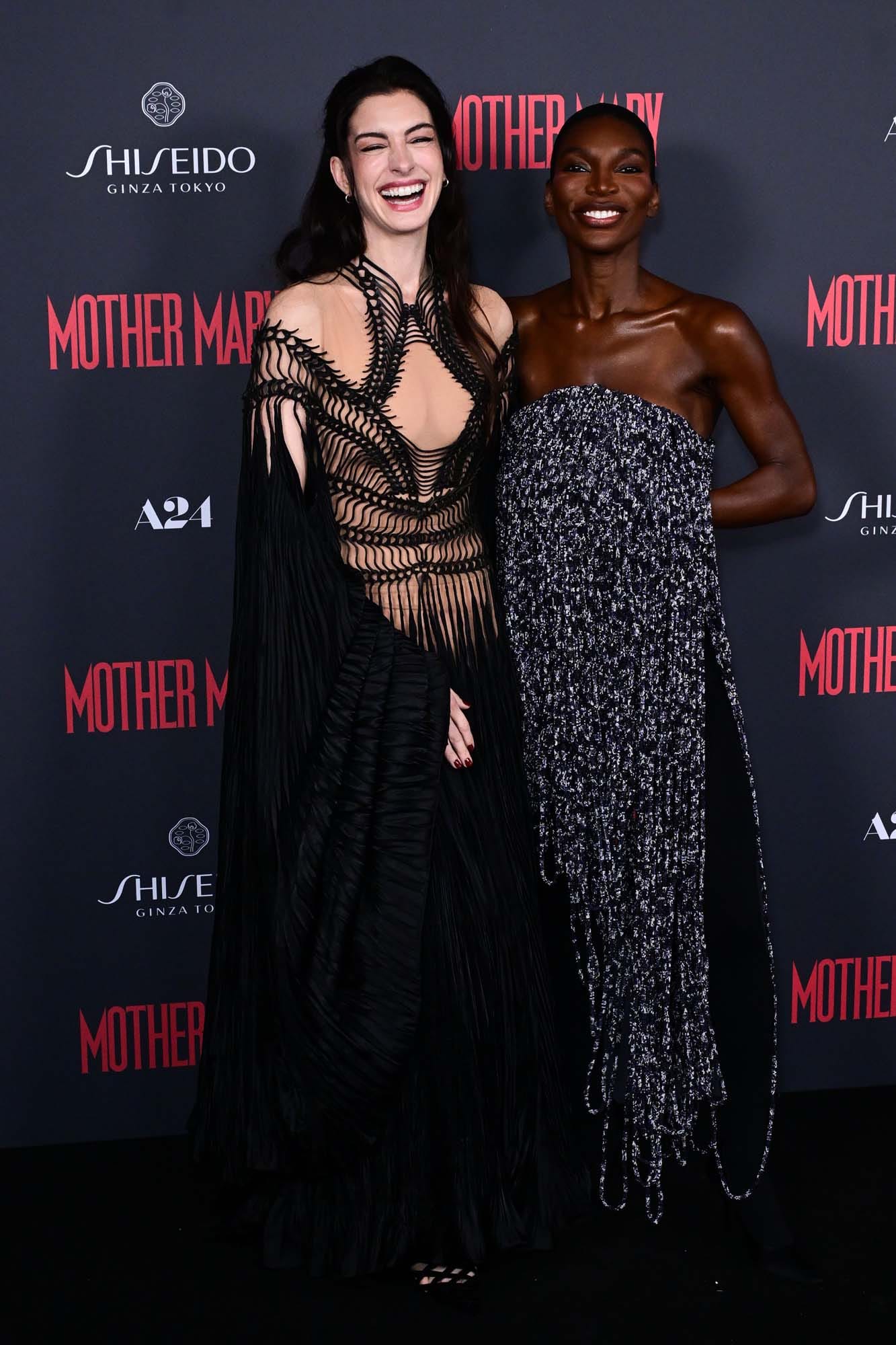
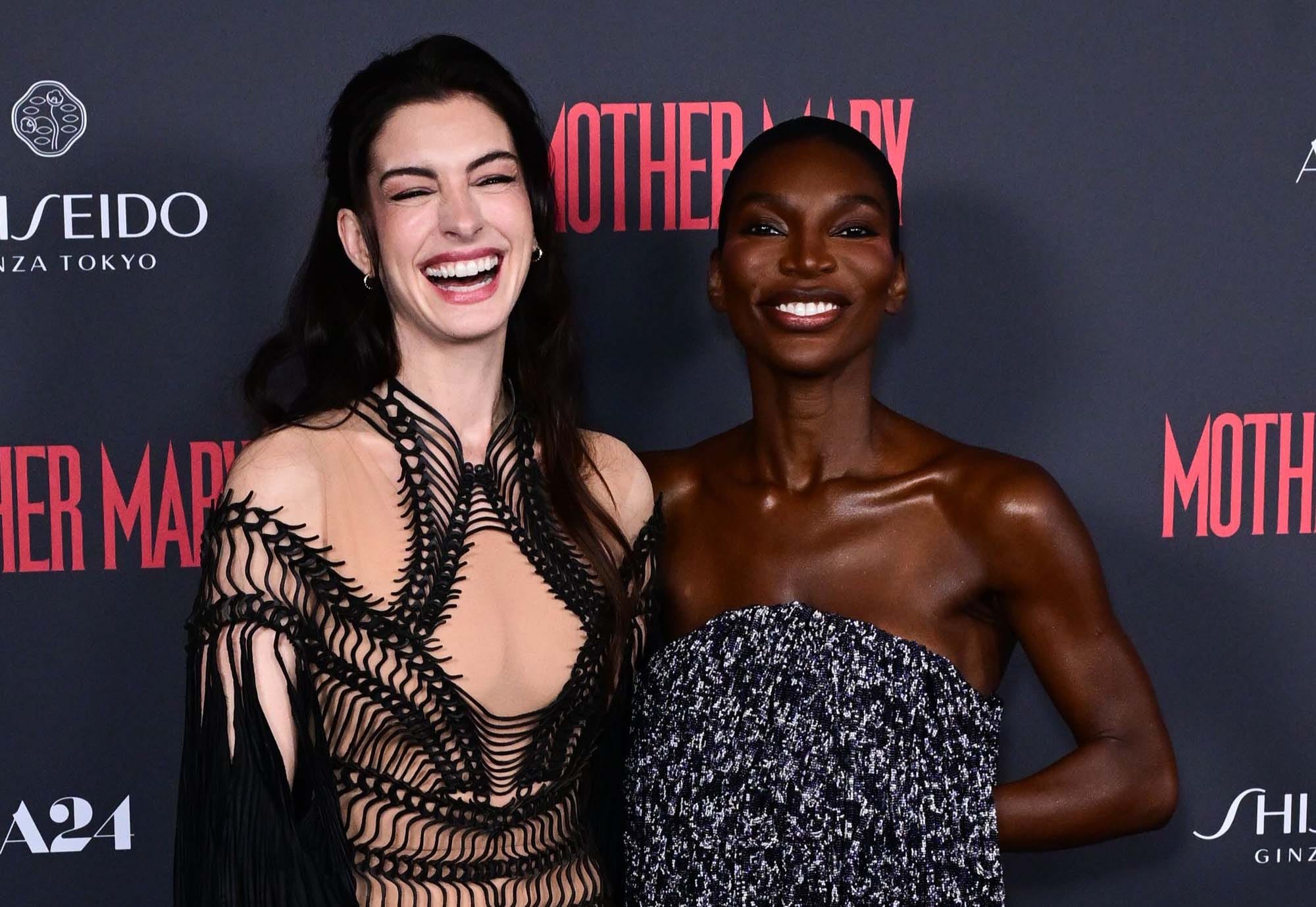
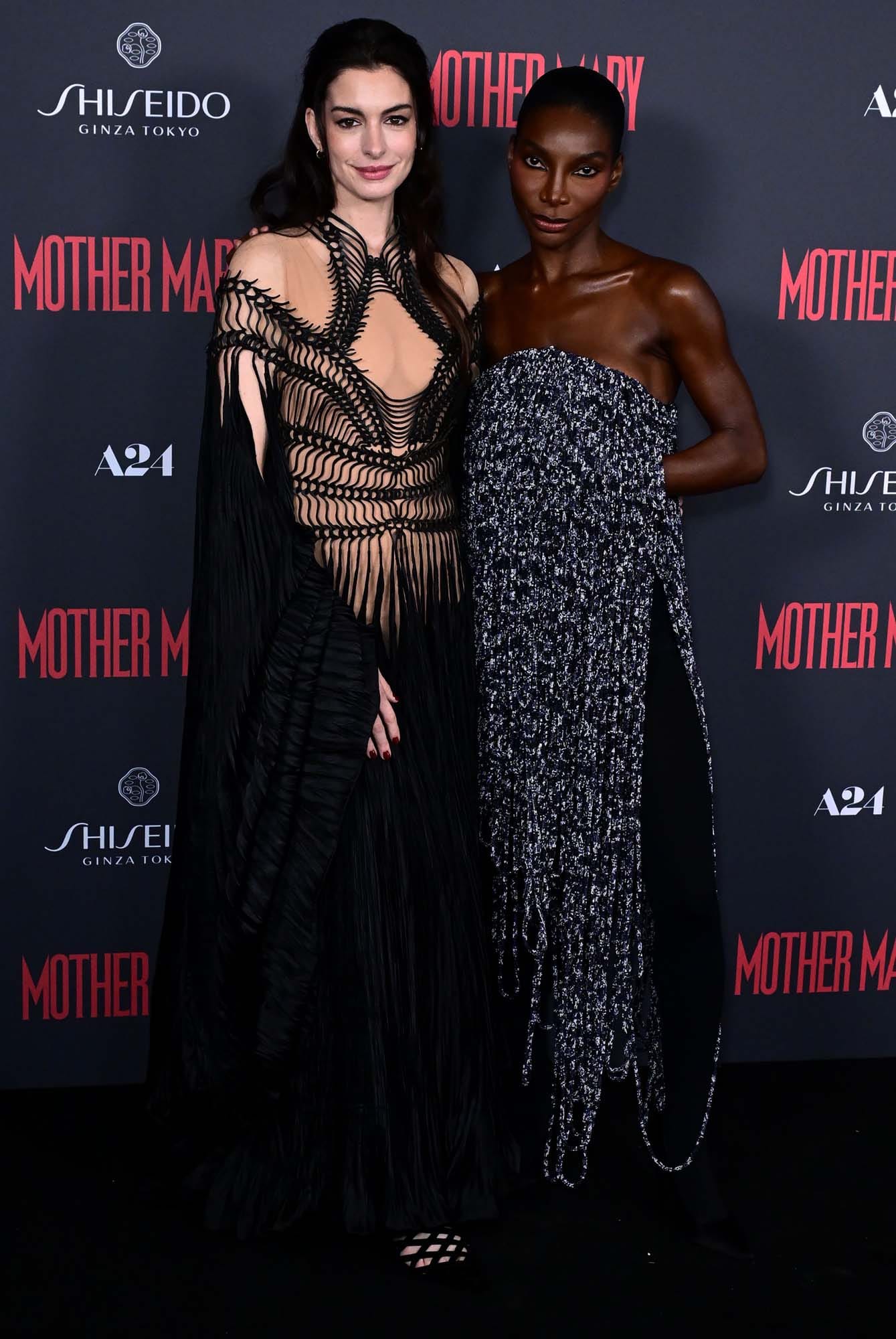
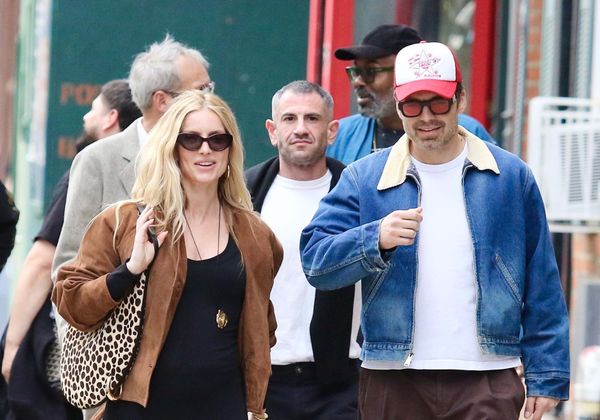
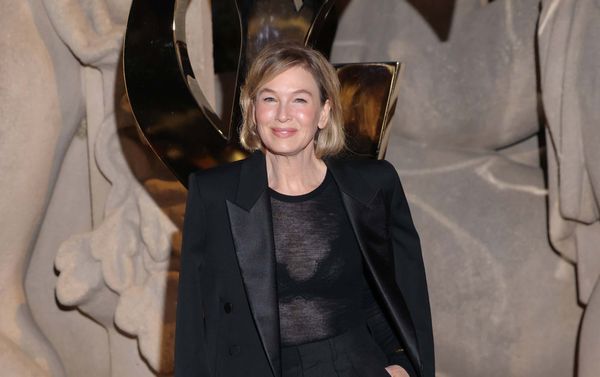
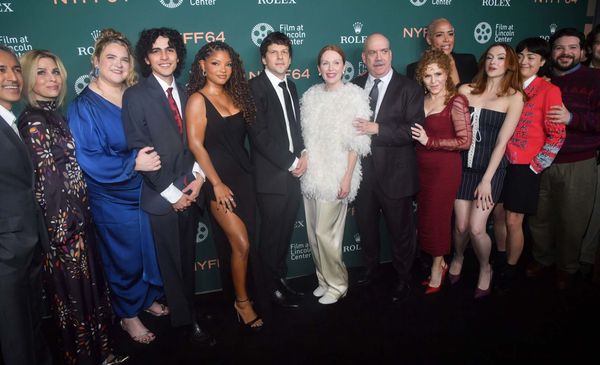
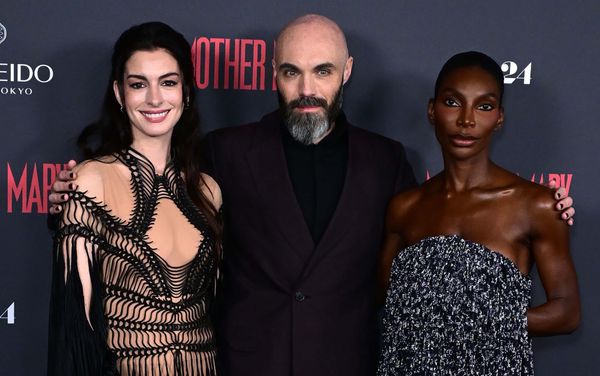
Anne Hathaway, David Lowery, and Michaela Coel attend the Special Screening of Mother Mary at Picturehouse Central on April 23, 2026 in London, England