TIFF Review: Anna Biller’s The Face of Horror

– 4 min read

Anna Biller’s 2016 film The Love Witch has ascended to cult status over the last decade, and now she is back with a new, extremely aesthetic film, this time set in medieval England and done in the style of Technicolor schlock horror (think of all those Edgar Allen Poe movies Roger Corman made in the 1960s, like The Mask of the Red Death and The Fall of the House of Usher, or the work of Mario Bava such as The Whip and the Body). Biller writes, directs, produces, and acts as her own costume designer and songwriter on The Face of Horror, an adaptation of the Japanese Kabuki ghost story Yotsuya Kaidan.
With a strict adherence to a highly identifiable aesthetic, her self-dealing production roles behind the camera and with an extremely refined eye as a director, Biller’s work recalls that of her contemporary Robert Eggers, but where Eggers’ cinema is that of “everyone looks like they have lice and smell like horse sh-t”, Biller’s cinema is that of “everyone looks like they have been gently dabbed with a rare parfum from a cursèd bottle discovered at a shabby flea market”. Her films have a very specific look and feel, is what I am saying, and on a pure craft level, The Face of Horror astounds. It looks exactly like it comes from a Sixties’ era B-movie reel—that is, incredibly colorful and highly flammable—and yet at the same time, there is a very modern context to her storytelling.
Biller applies a modern feminist lens to a classic ghost story, and she casts a wide net. Face tackles everything from infidelity to beauty standards to toxic masculinity to patriarchy (of course) to the inequities of marriage and child rearing to mortality. Kristine Froseth stars as Eleanor, who is tricked into marrying the seemingly gallant knight Edward (Jonah Hauer-King, showing some real chops) after her father’s murder. Edward pledges to avow her father’s death, which of course he will not do as Edward is the one who killed him. Poor Eleanor, trapped in marriage with an absolutely wretched man.
And then it gets worse! Eleanor’s health, mental and physical, fails after she gives birth, which is depicted mostly by deepening the shadows under her eyes, a slyly humorous take on the wilting bride with consumption. But Edward is cruel and sabotaging, and Eleanor has no way to escape her hellish marriage, except by death, which Edward is plotting because he wants to climb the social ladder by marrying Countess Isabel (Bella Heathcote). Face takes on a suitably spectral dimension once the ghost part of the story kicks in.
Much like The Love Witch and Biller’s 2007 debut feature film, Viva (which tackles Seventies sexploitation with low-budget gusto), The Face of Horror is a delicious treat for those with the patience to unpack it. Visually, it is sumptuous and transporting to another era of cinema, but thematically it is packed with ideas and feminine rage. While the film teases camp in spirit, it is not, in fact, camp. It is too serious, both in execution—the low-budget look of Biller’s films is too meticulous to dismiss as any kind of happenstance—and in theme. Face brims over with sharp observations about misogyny and patriarchy, and it’s damning that Biller’s choice of source and setting feels so relevant to us today.
That Biller can transpose a nineteenth century Japanese story to medieval Europe and make her film in the style of 1960s cinema for a 2020s audience is the most acute demonstration of how perpetual and universal misogyny is. Eleanor’s plight is all too recognizable, no matter how it’s dressed up, and Edward is a kind of entitled prick we recognize too easily for comfort. The societal machinations stacked against Eleanor feel all too real, and all of it climaxes with the kind of tragedy that is so common it fuels an entire true crime industry. The Face of Horror is a gluttonous feast for aesthetes, but it is also a sharply observed, borderline satirical look at the repeating patterns of misogyny across time and place. Don’t dismiss The Face of Horror as a mere visual treat, it is also a scathing tale about the harmful perpetual motion machine of misogyny and toxic masculinity.
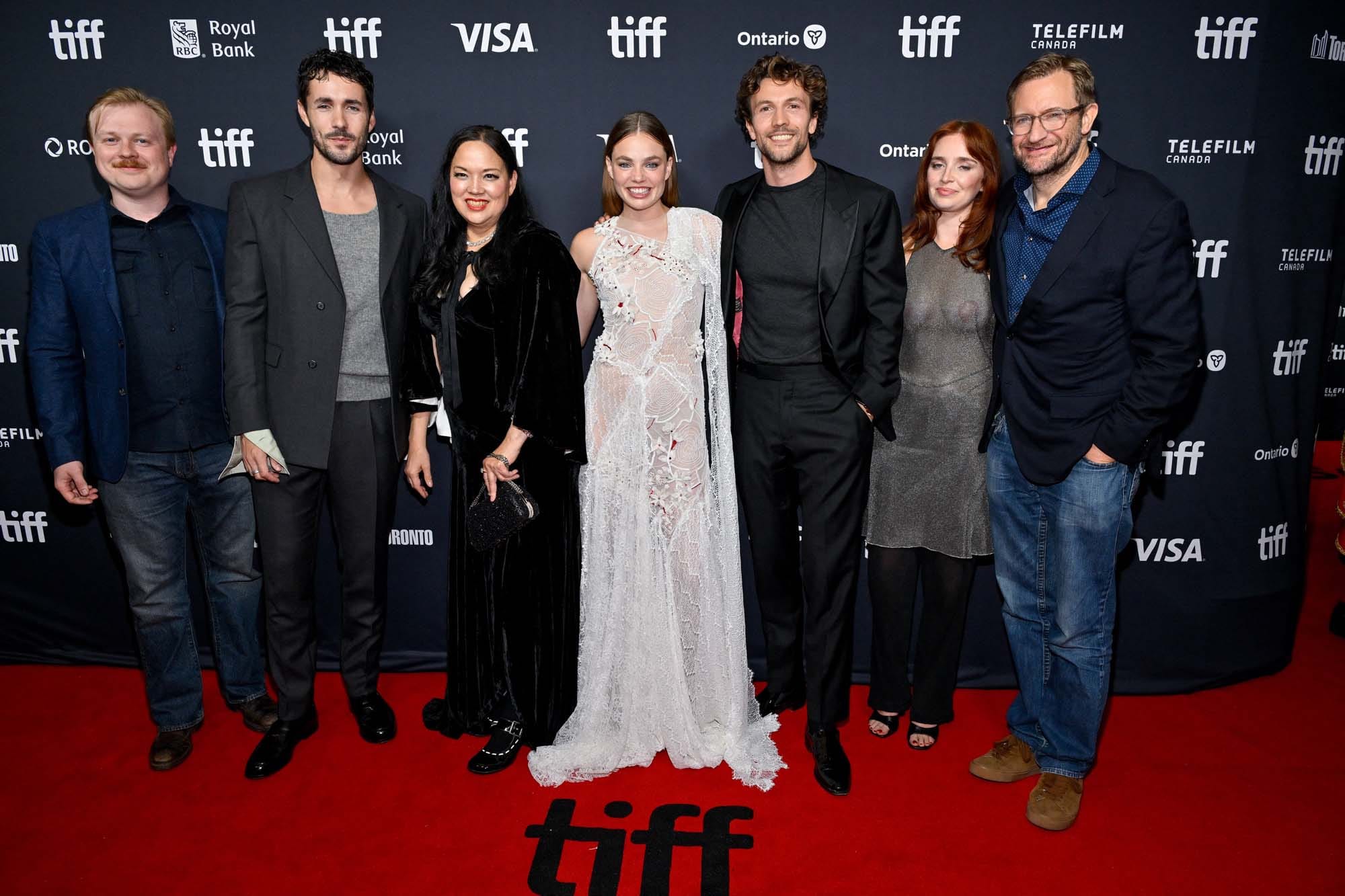

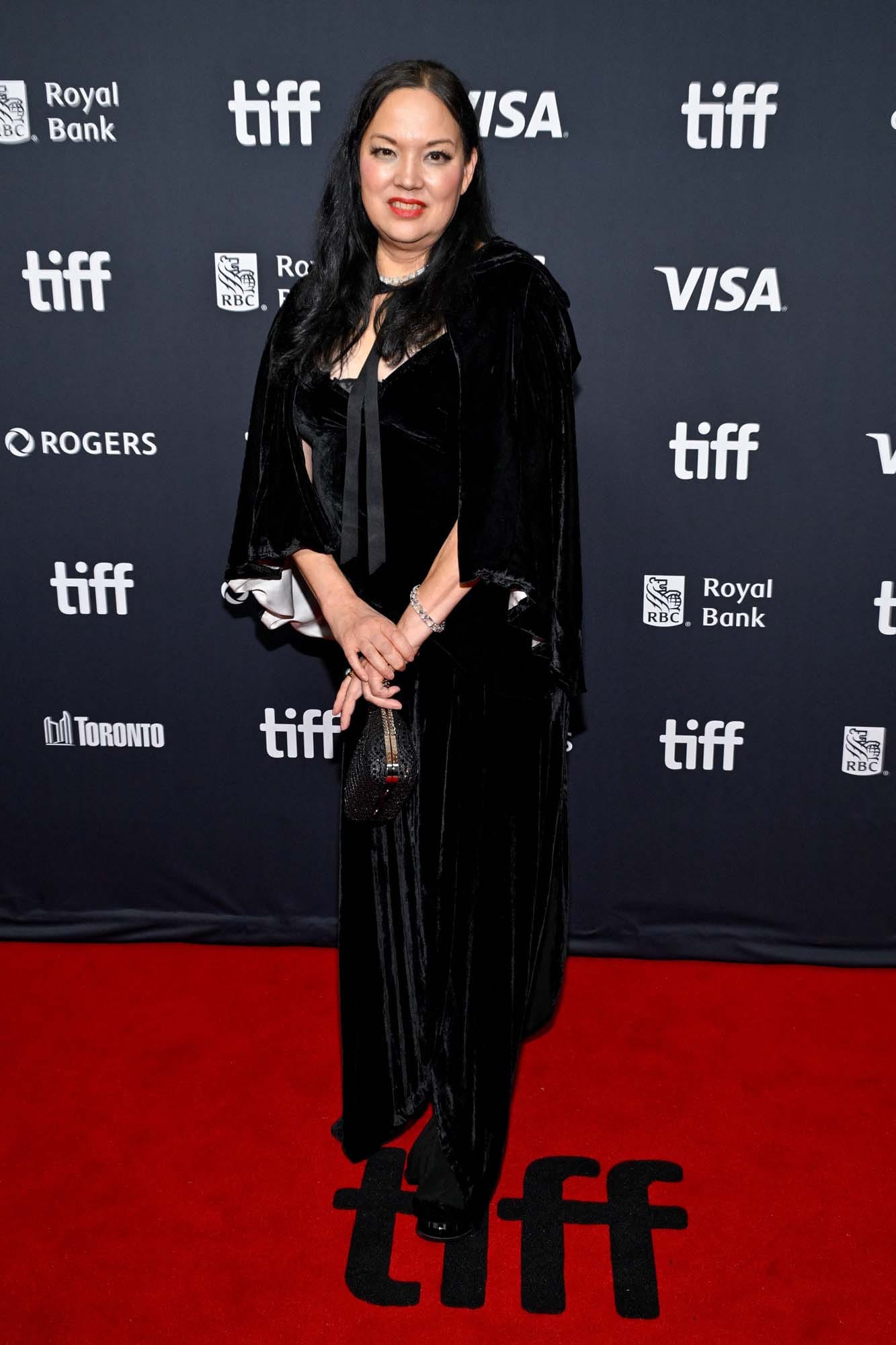


James Bowsher, Jonah Hauer-King, Anna Biller, Kristine Froseth, Leo Suter, Sydney Oberfeld and Mike Goodridge attend the premiere of "The Face Of Horror" during the 2026 Toronto International Film Festival at Royal Alexandra Theatre on September 11, 2026 in Toronto, Ontario