TIFF Review: Josephine is a shattering experience

– 4 min read


There are certain films that will stick with you forever, once seen, they can never be forgotten. Beth de Araújo’s Josephine is such a film, an emotionally harrowing cinematic experience that is as tender as it is brutal. Josephine won the Grand Jury Prize at Sundance earlier this year, and it’s no wonder. It’s an impossible film to dislodge from your brain, haunting and provoking and producing the kind of empathy Roger Ebert referenced when he called movies an “empathy machine”.
Mason Reeves makes her acting debut as eight-year-old Josephine, the child of an athletic father and ballet dancer mother. Jo, as her family calls her, is herself very athletic, and goes running every Sunday in Golden Gate Park with her dad, Damien (Channing Tatum, in a career-best performance). One Sunday, Jo runs ahead of her father, and they end up taking separate paths in the park. Alone, lost, Josephine hunkers down amidst the tall grass and trees. There, she witnesses a man brutally attack and sexually assault a woman who was jogging. The assault is graphic, and we, the audience, bear witness along with Josephine.
From there, the film unspools with unsettling particularness as trauma and violence ripple outward in Josephine’s life. What she saw was horrible, she can understand that much. But she can’t parse all the meaning and consequences, and the whole experience fractures every area of her life. She begins having violent and reckless outbursts, she talks about inappropriate topics with her friend, who is just confused, having no idea what “f-cking” is, let alone sexual assault. She’s anxious and scared, the man from the park (Philip Ettinger, in a totally thankless but effective role) haunts her like a ghost. Worse, Josephine is now so scared of men and boys she can no longer even pet a male dog.
As Josephine tries to cope, so do her parents. Damien has a difficult childhood of his own but also possesses a straight white man’s conviction that the law will prevail and his daughter will always be safe. With a more troubled expression, Josephine’s Chinese-American mother, Claire (Gemma Chan, also outstanding), doesn’t want to make proclamations of justice and safety to her daughter, whom she knows will face similar threats in her life. There is even a hint that Claire herself might be hiding a similar experience from Josephine. The family that begins the film so happy and loving becomes tense and anxious and the audience is left to stew in it, just like Josephine. (An attempt to go to therapy is aborted when Josephine has a fit, but it really seems like someone should have simply insisted upon it.)
Josephine feels so viscerally true to how trauma affects everyone it touches in part because Beth de Araújo had a similar experience as a child, when she and her father witnessed an assault in Golden Gate Park. In reality, de Araújo’s father testified, sparing de Araújo that particular trauma, but in the film, Josephine is the lone witness, and without her testimony, the DA won’t even try the case. The pressure is unbearable, while Damien’s white male privilege shows in his blind faith in the justice system, it is at the same time completely preposterous that a child should carry the responsibility of obtaining that justice. The film does not shy away from the seriousness or ludicrousness of the situation.
The camera follows Josephine closely, often integrating first-person shots from Josephine’s perspective, so that we can feel the bigness and confusion of the world around her (Josephine is lensed by Greta Zozula). And Mason Reeves’ performance is flat-out spectacular. It’s a LOT of film to shoulder but she does it so well, her performance has a quality of ease and confidence that is a testament to Reeves’ talent and de Araújo’s direction.
And while most of the film is an emotional hurricane, there is a sharp moment of catharsis when Josephine turns her too-old stare on the defense attorney and aims her newly sharpened tongue at the loathsome lawyer. (It’s clear the problem is less that a terrible person is getting a defense and more that this specific lawyer sucks.) With that attitude, Josephine will probably be okay, but Jesus Christ, the journey is a long one. Josephine is a staggering work, a shattering experience, a film that is difficult in its subject matter but so elegant in its execution that the combination is unforgettable.
Josephine will play exclusively in theaters from November 20, 2026.


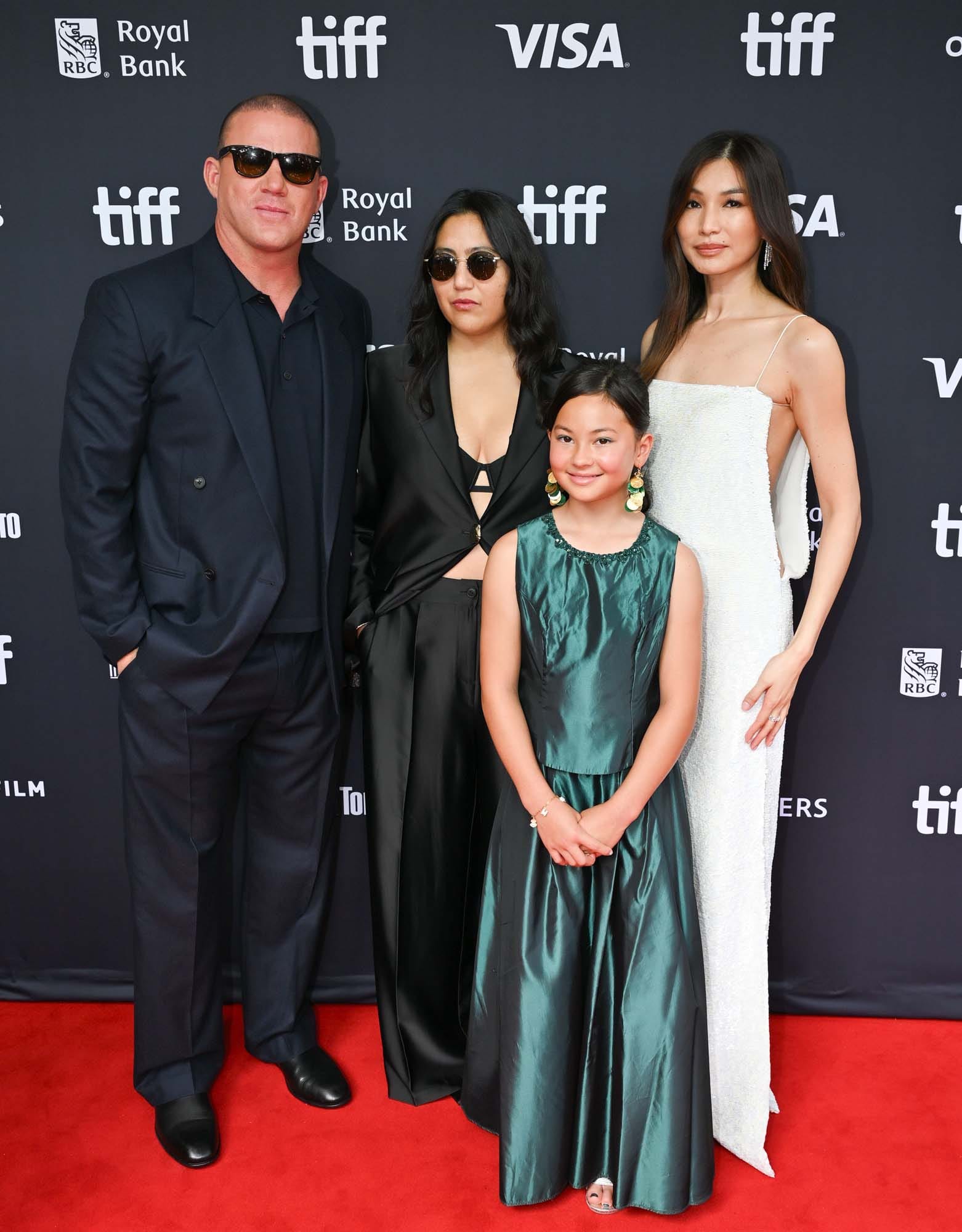
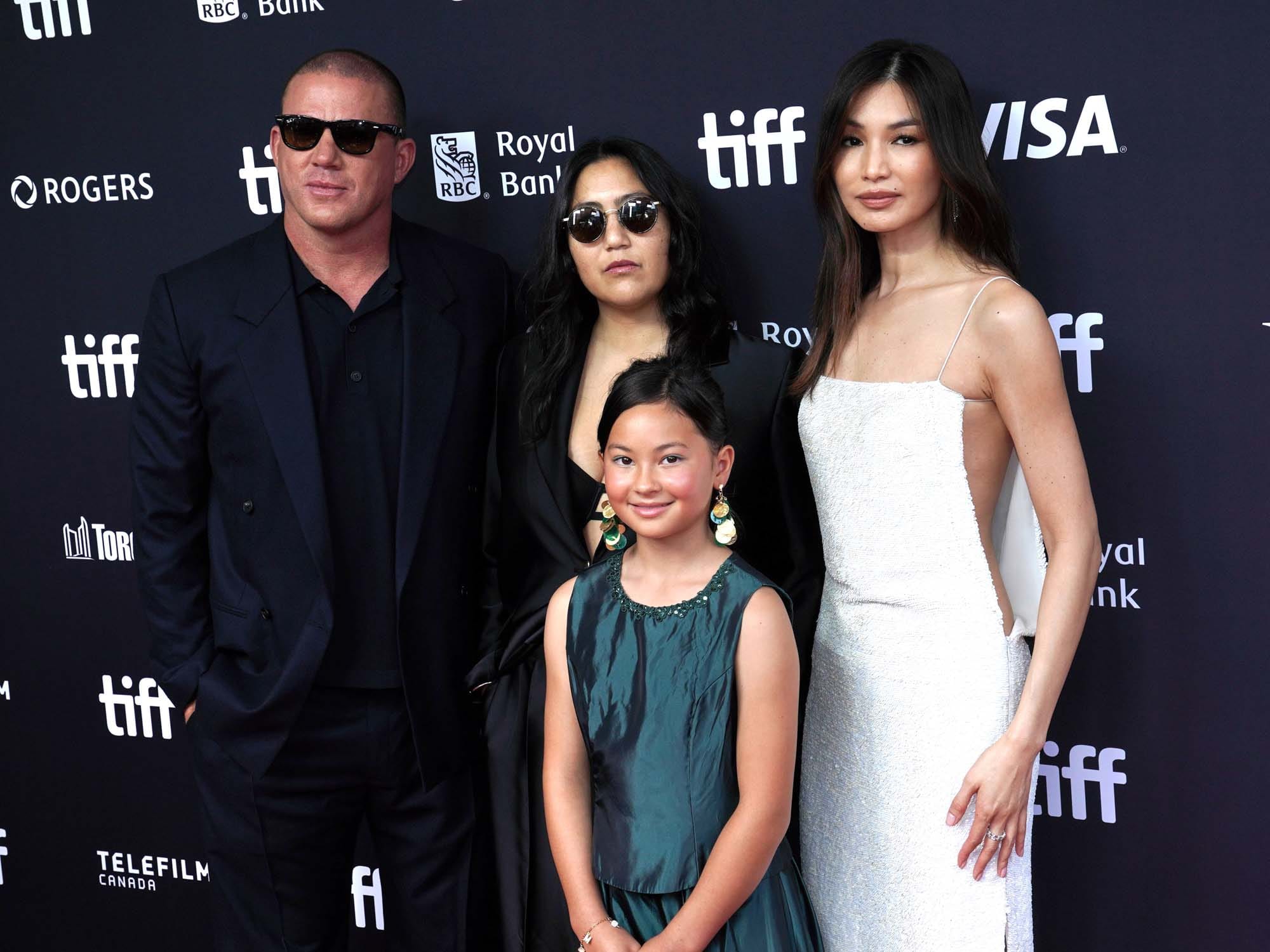
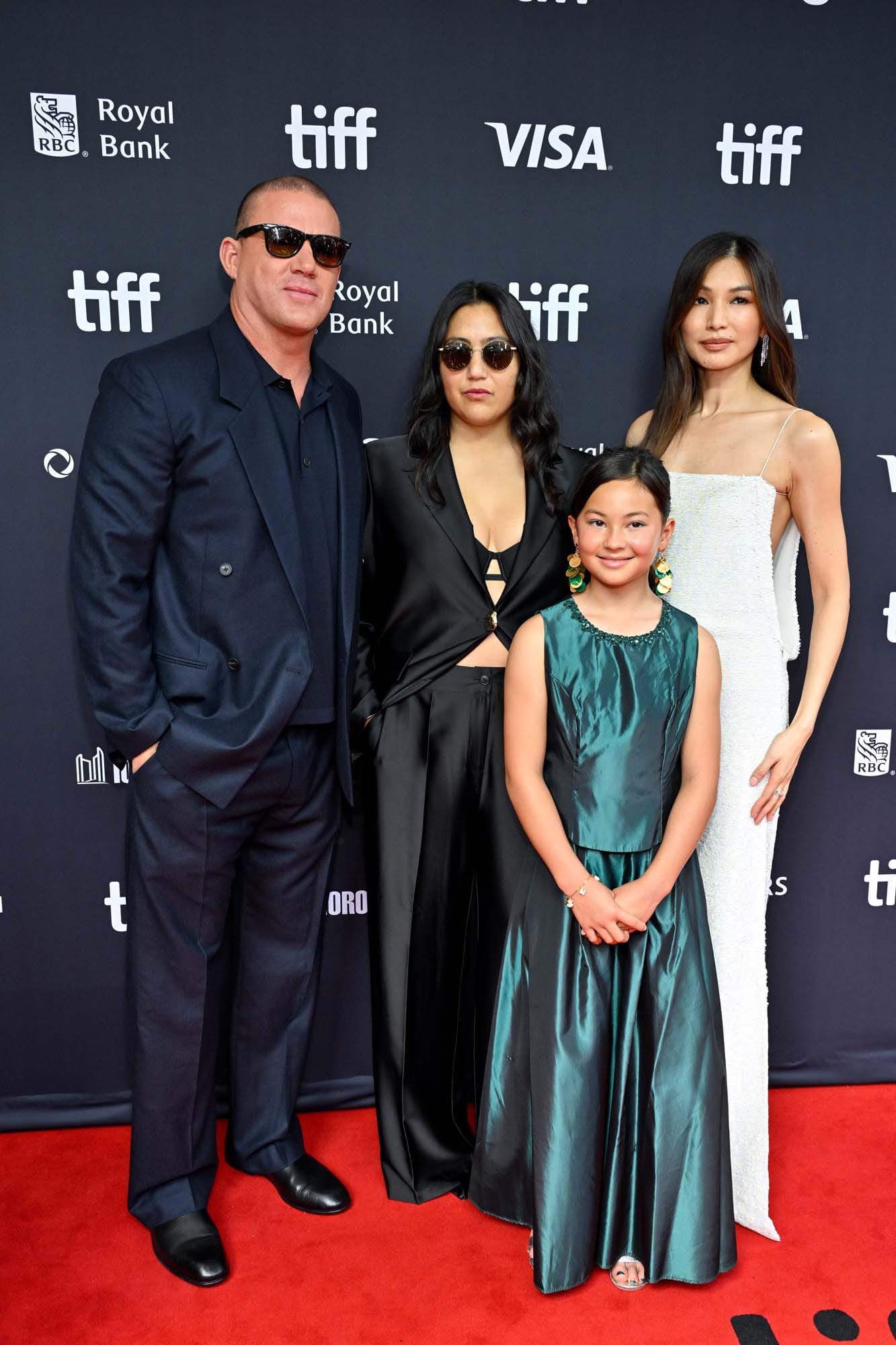
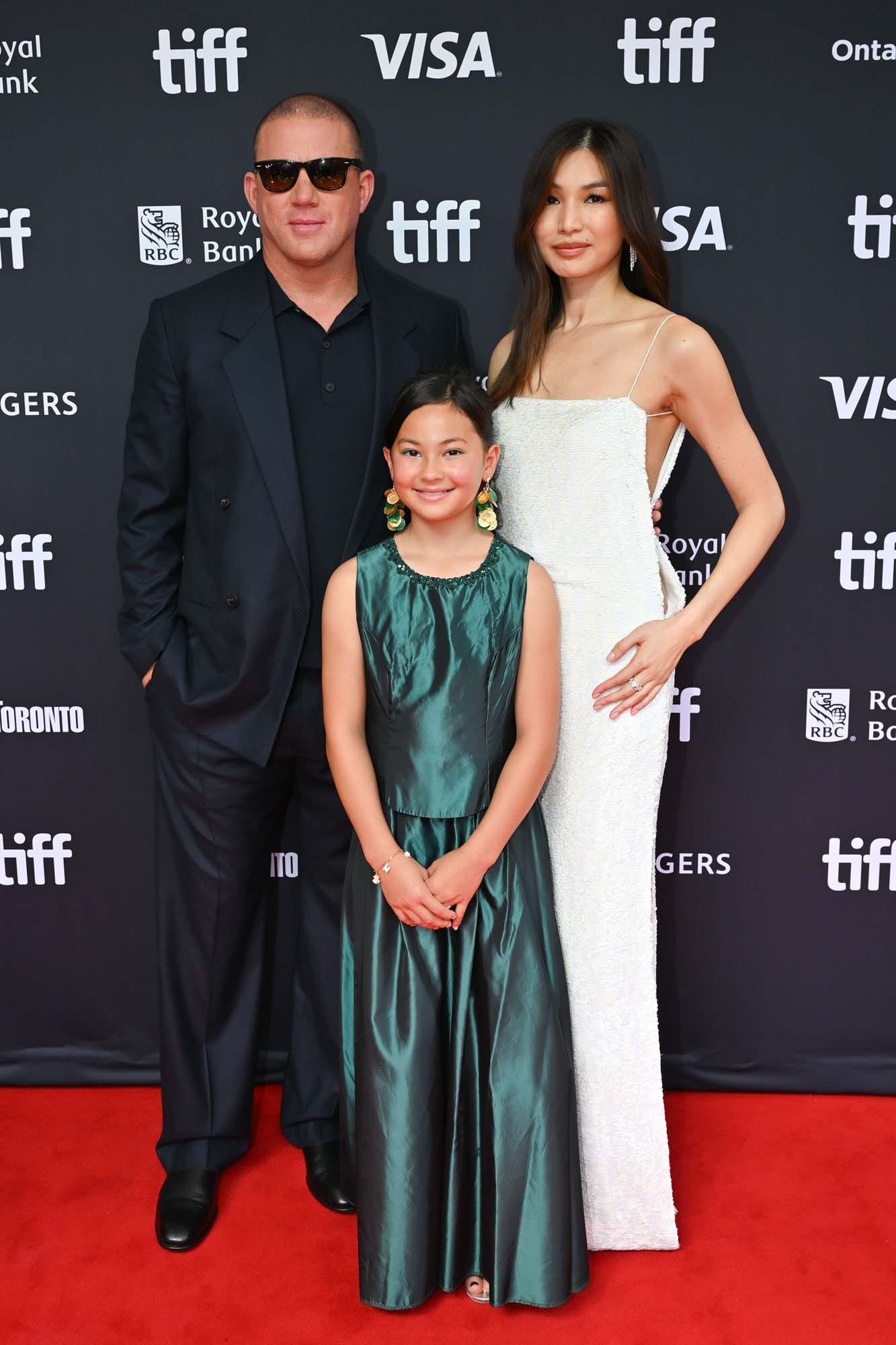
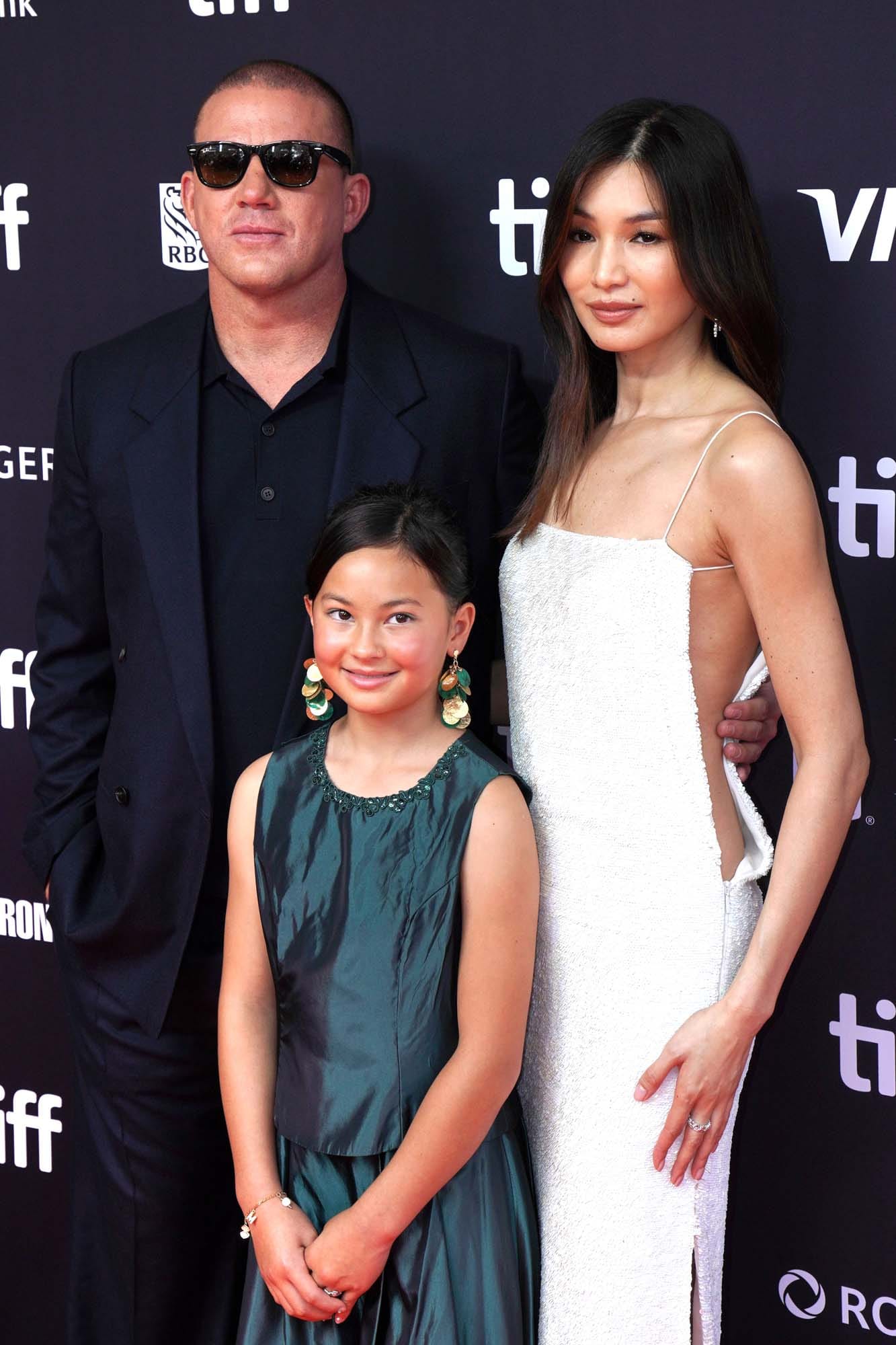


Michael Angelo Covino, Eleanore Pienta, Philip Ettinger, Channing Tatum, Syra McCarthy, Mason Reeves, Beth De Araújo, Gemma Chan, Dana Millican, and Sedrick Cabrera attend the premiere of "Josephine" during the 2026 Toronto International Film Festival at Royal Alexandra Theatre on September 13, 2026 in Toronto, Ontario