TIFF Review: The Maras in Bucking Fastard

– 4 min read
Werner Herzog makes a return to narrative feature filmmaking after a decade-long absence—he’s been busy with documentaries—with Bucking Fastard, a film inspired by real-life Adult Twins Freda and Greta Chaplin. In the 1980s, the Chaplins became objects of public interest when their neighbor hit them with a restraining order. The twin sisters, who dressed alike and spoke in sync, had a simultaneous relationship with their neighbor, whom they inadvertently dubbed a “bucking fastard” in court. Herzog met the Chaplins and mentions them in his memoir, Every Man for Himself and God Against All. Now, finally, he has made a feature inspired by the “folded Rorschach” twin sisters.
Bucking Fastard, though, is not a direct adaptation of the Chaplin twins’ lives. Herzog renames the sisters Jeanie and Joanie Holbrooke, and they are played by real-life acting sisters Kate Mara (Jeanie) and Rooney Mara (Joanie). The film, which is also scripted by Herzog, specifically mentions that Jeanie and Joanie are not twins, just sisters who do everything together. So they’re not Adult Twins, but Jeanie and Joanie do engage in extreme Adult Twin behaviors. Also, the film is dedicated to David Lynch, and Bucking Fastard feels very much like Herzog honoring Lynch.
The film begins with Jeanie and Joanie in court as their neighbor, the sleazy Gareth (Orlando Bloom), is seeking a restraining order. He had a sexual relationship with the sisters, but now is married and wants the ‘twins’ to stop harassing him. Ultimately, this results in Jeanie and Joanie moving to a new flat and meeting a series of the most distressing men in Ireland (where the film takes place). Jeanie and Joanie’s strangeness is, apparently, a magnet for losers and outcasts. The most normal man in their orbit is Timothy (Domhnall Gleeson), their social worker, a recovered addict who wants to help the sisters rebuild their lives.
Kate and Rooney Mara are extraordinary as Jeanie and Joanie. They’re charming and weird and compelling and deeply, almost unutterably strange. Besides doing everything as a unit, they live in a kind of time warp, dressing like 1950s housewives, but living in the present day, but having no cellphones or technology later than, maybe, the 1980s. They communicate via ‘post’ and don’t know how to use the ticketing machines at the train station. There is also a suggestion of a rift with their parents. Something obviously happened to the sisters to turn them into pseudo-twins, and to cause their parents to shun them, but no explanation is ever given for their weirdness.
And that is okay, really, because it is SO obvious these sisters have been traumatized in some way. By not making them literal twins, Herzog actually makes their double act more clearly a trauma response. If they were twins, it would just be normal Adult Twin stuff, as Adult Twins elect to live identical lives all the time. The Holbrookes, though, have something else going on. Even their obsession with their neighbor is a particular kind of naïveté, one could say immaturity, that mistakes sex for love, which points to some kind of arrested development.
Eventually, the sisters go to live with a widowed aunt in the country, and things get even weirder from there. Bucking Fastard has moments of real humor, and Peter Zeitlinger’s cinematography makes the most of the Irish setting—a sequence in a cave is a reminder that Herzog has a fixation with the Earth’s guts. It’s a bizarrely charming film with a good sense of humor, an underlying melancholy, and an unrelenting devotion to being as odd as possible at all times (there’s a little tangent to learn about cave salamanders). The Maras are magnetic, they’re so good and their performances so interwoven they should be considered as one acting unit. Every choice and reaction is dependent on each other; it is impossible to look away from them.
But Bucking Fastard is also a film that confounds. It has no conclusion, it just stops. The lack of explanation for why are they like this is bound to irritate some people. That the film does not use the sisters as satire or commentary of any kind will bother other people (The Venn diagram between those two groups are the worst people at the party.) It’s a meandering meditation, a narrative cul-de-sac that isn’t interested in going anywhere; Herzog made a little cinematic garden and filled it with his strange preoccupations. Bucking Fastard is a window into true eccentricity, made by a truly eccentric filmmaker who will not explain himself or his creation.
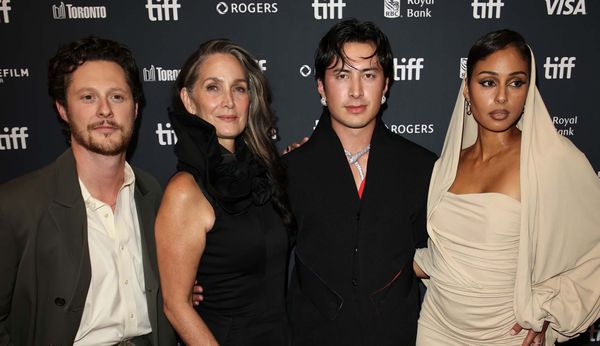
Attached - the cast of Bucking Fastard at today's TIFF premiere.
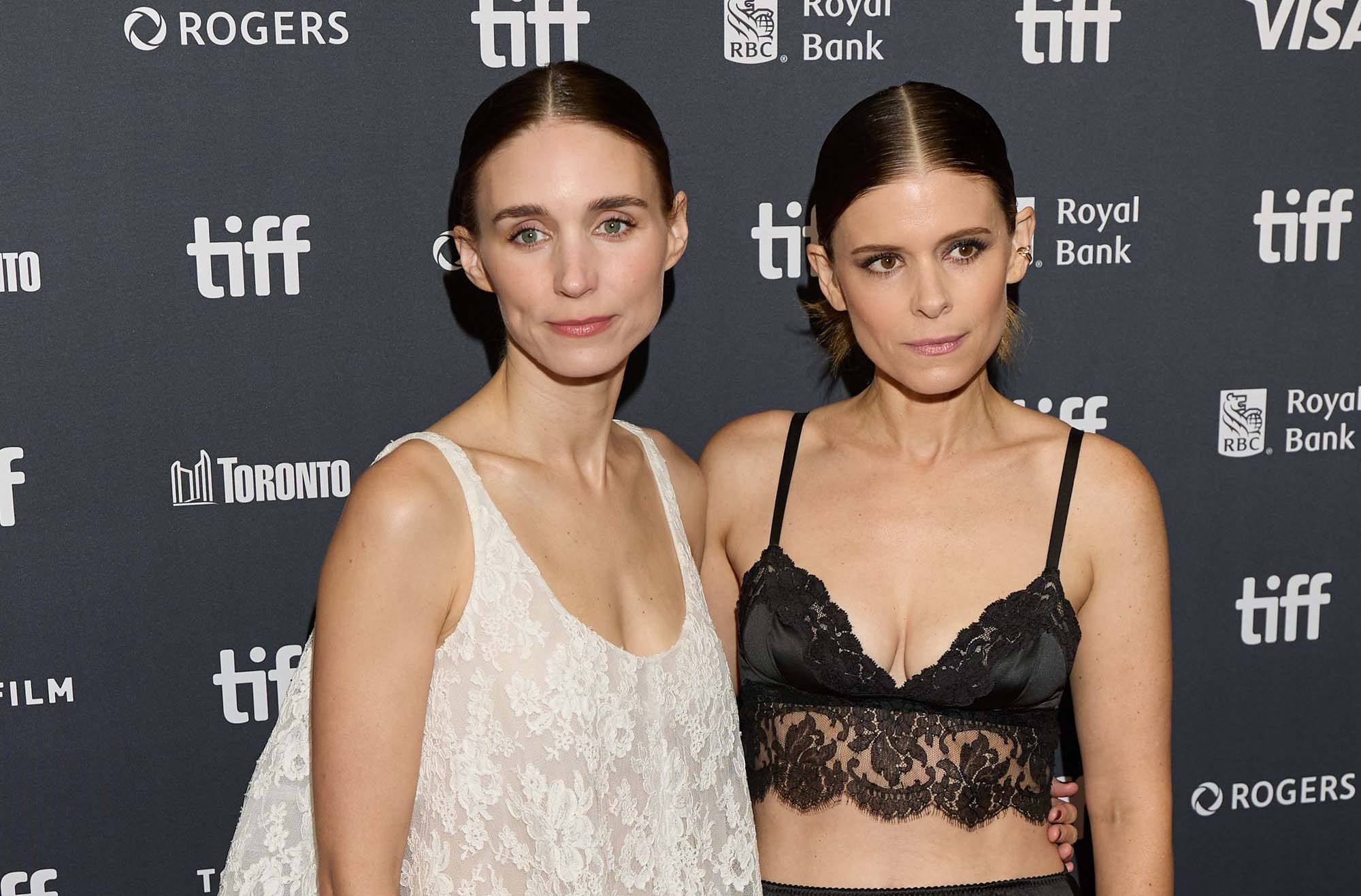
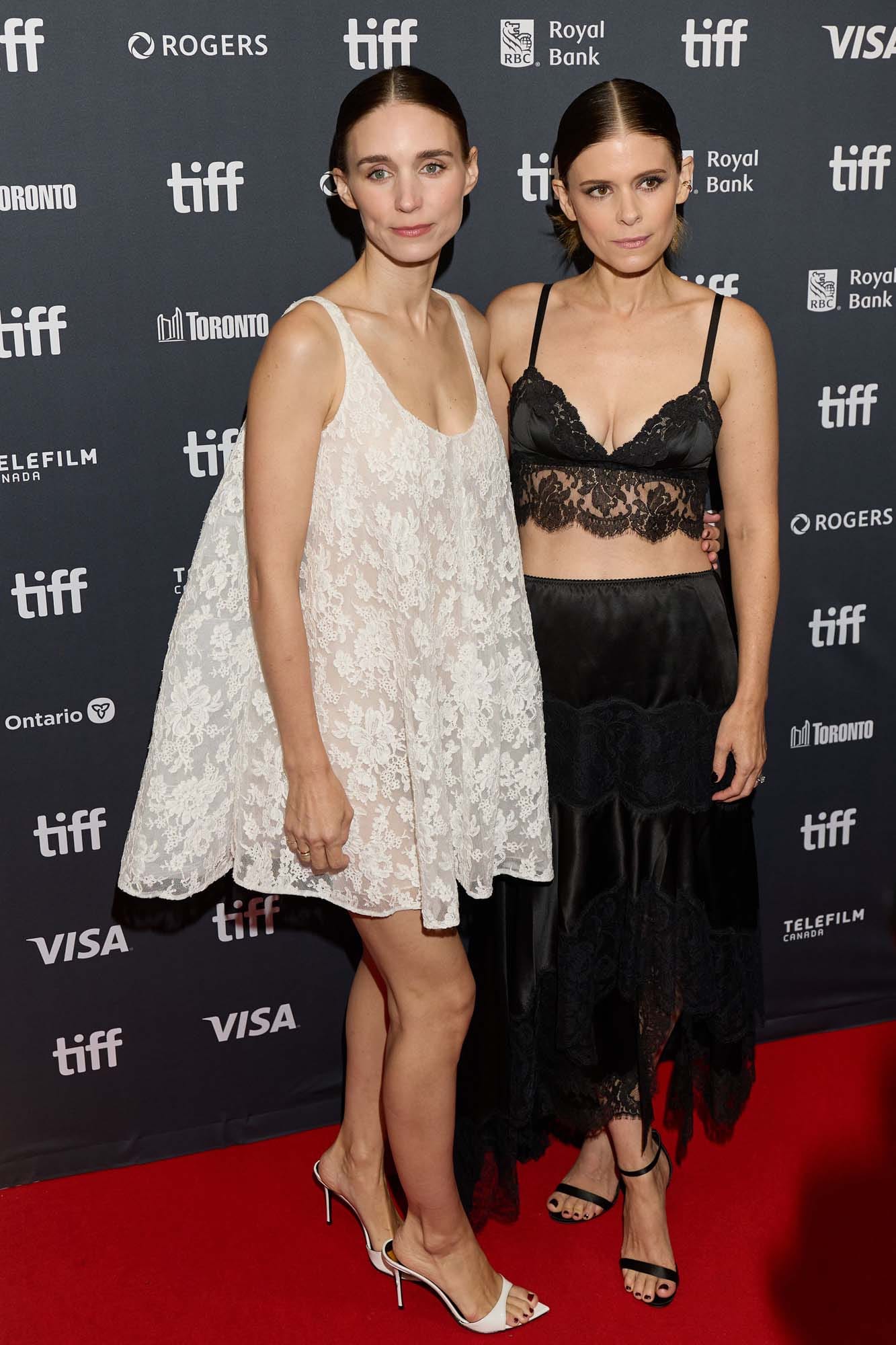
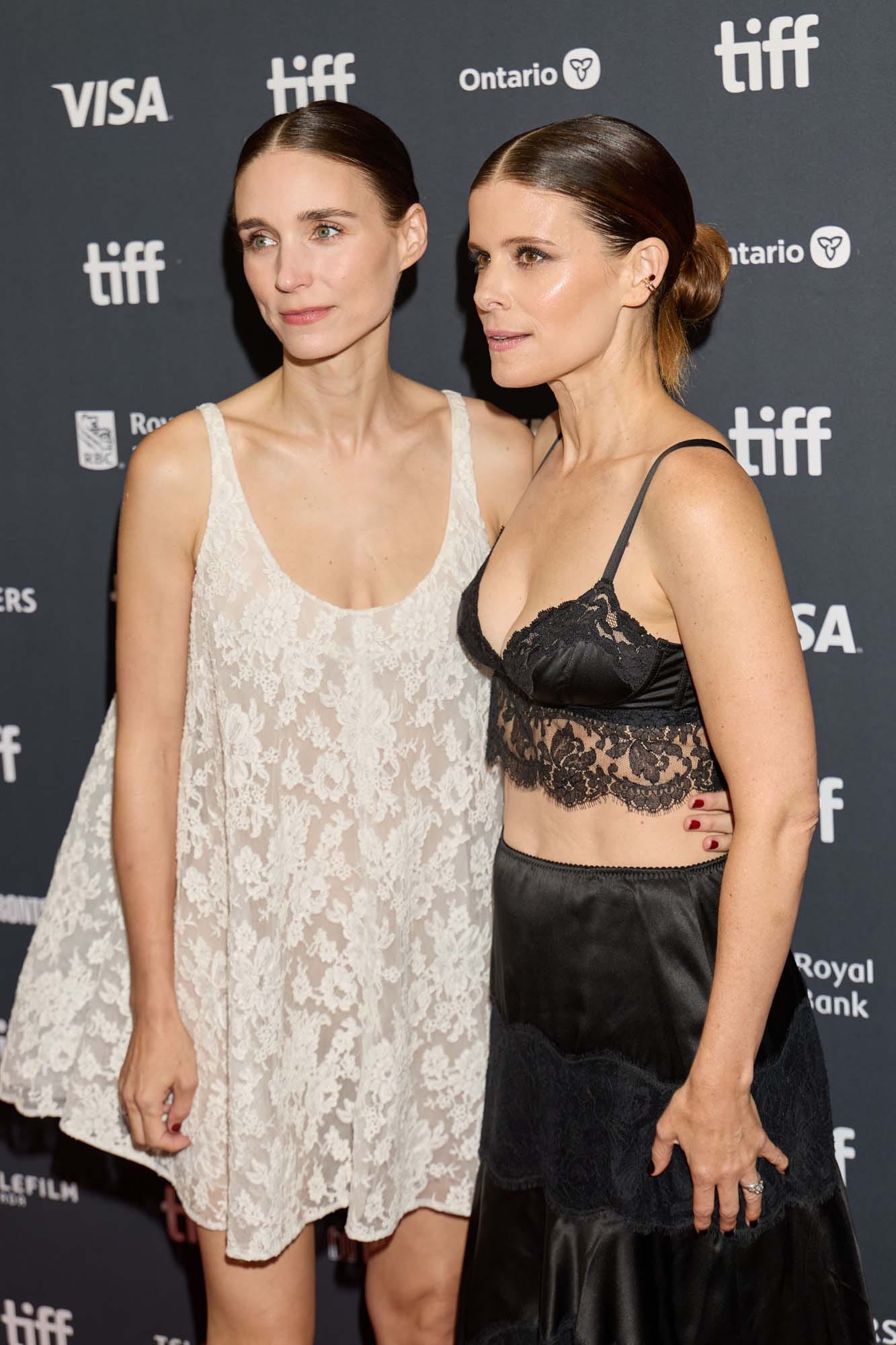
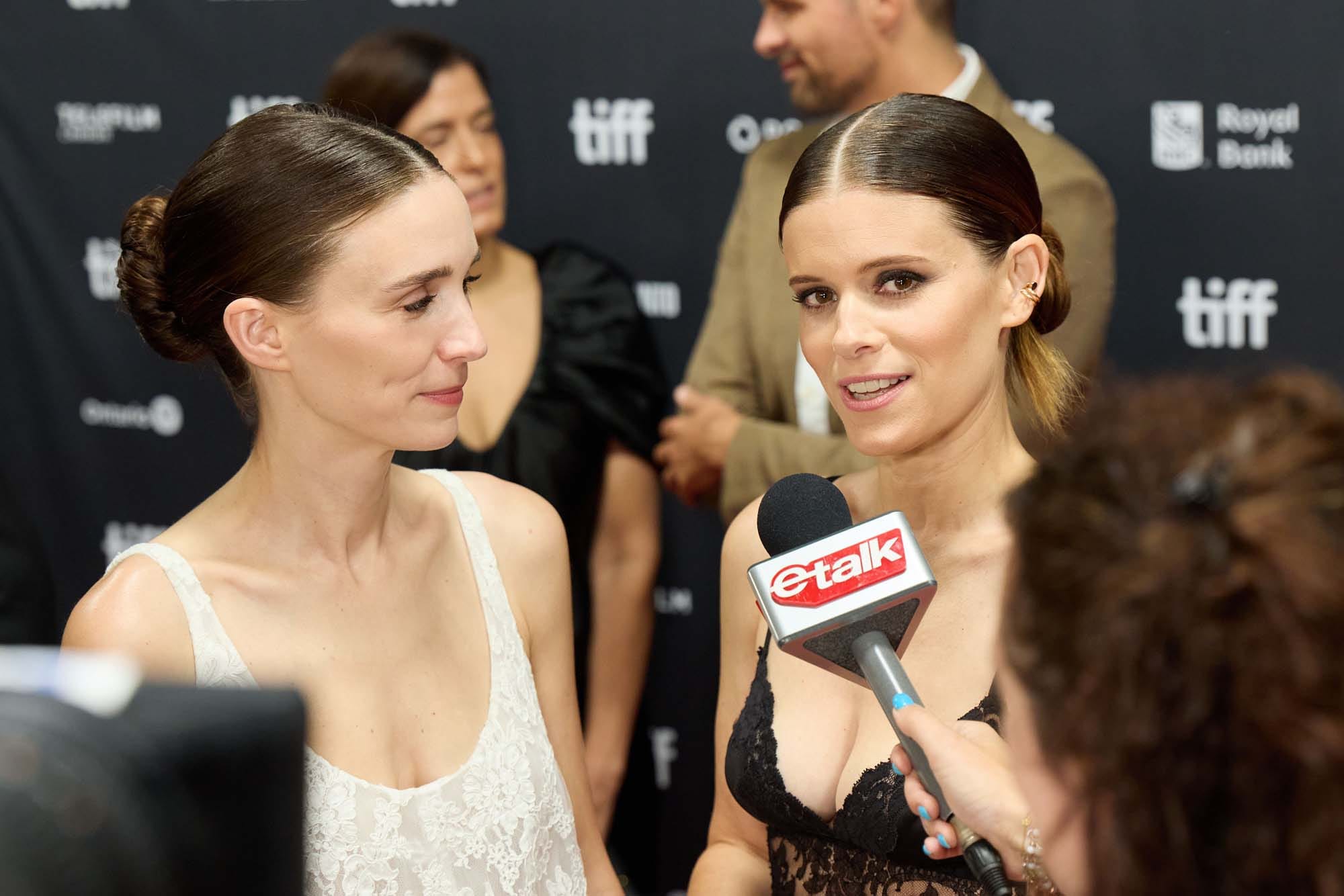
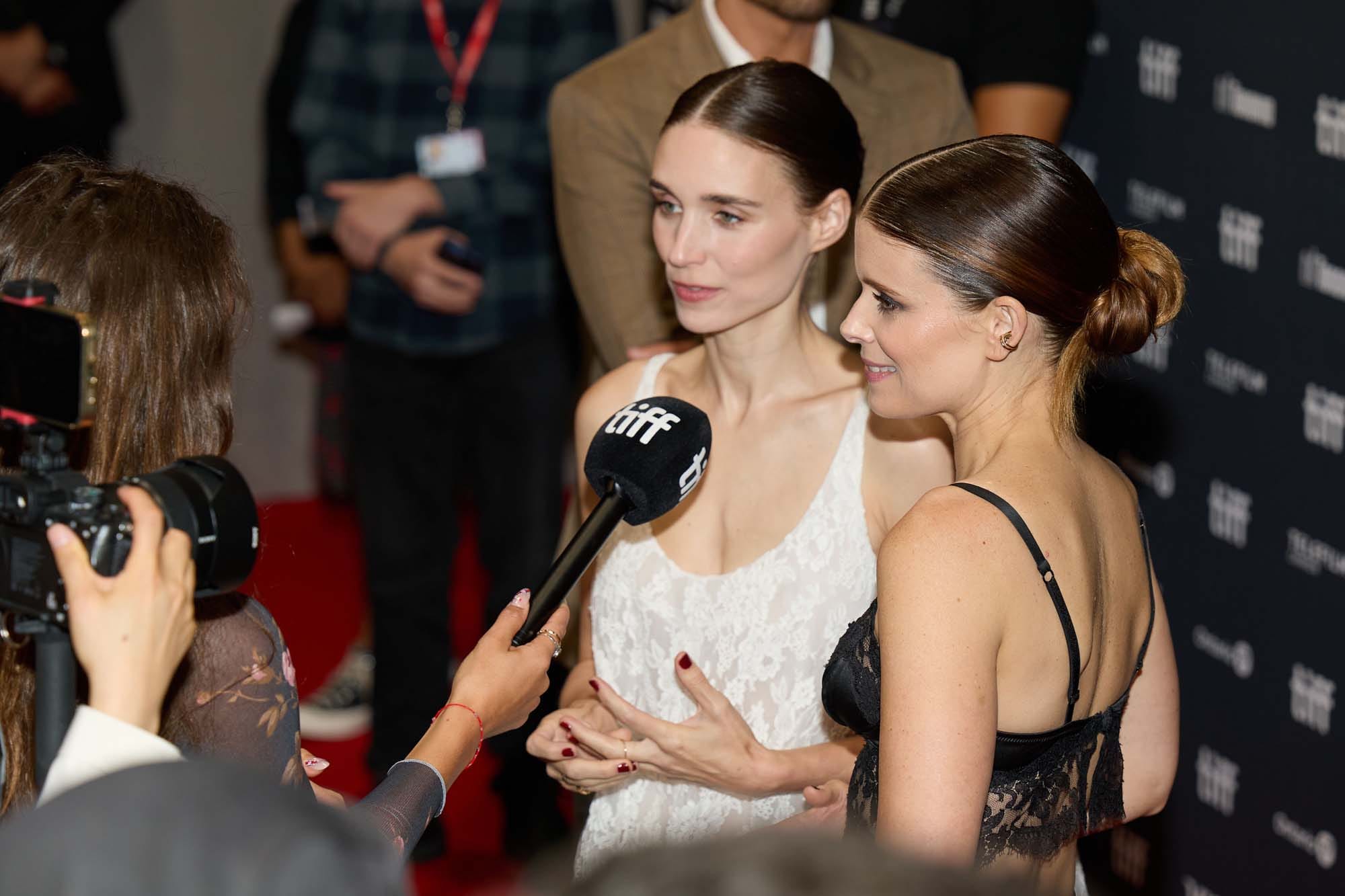
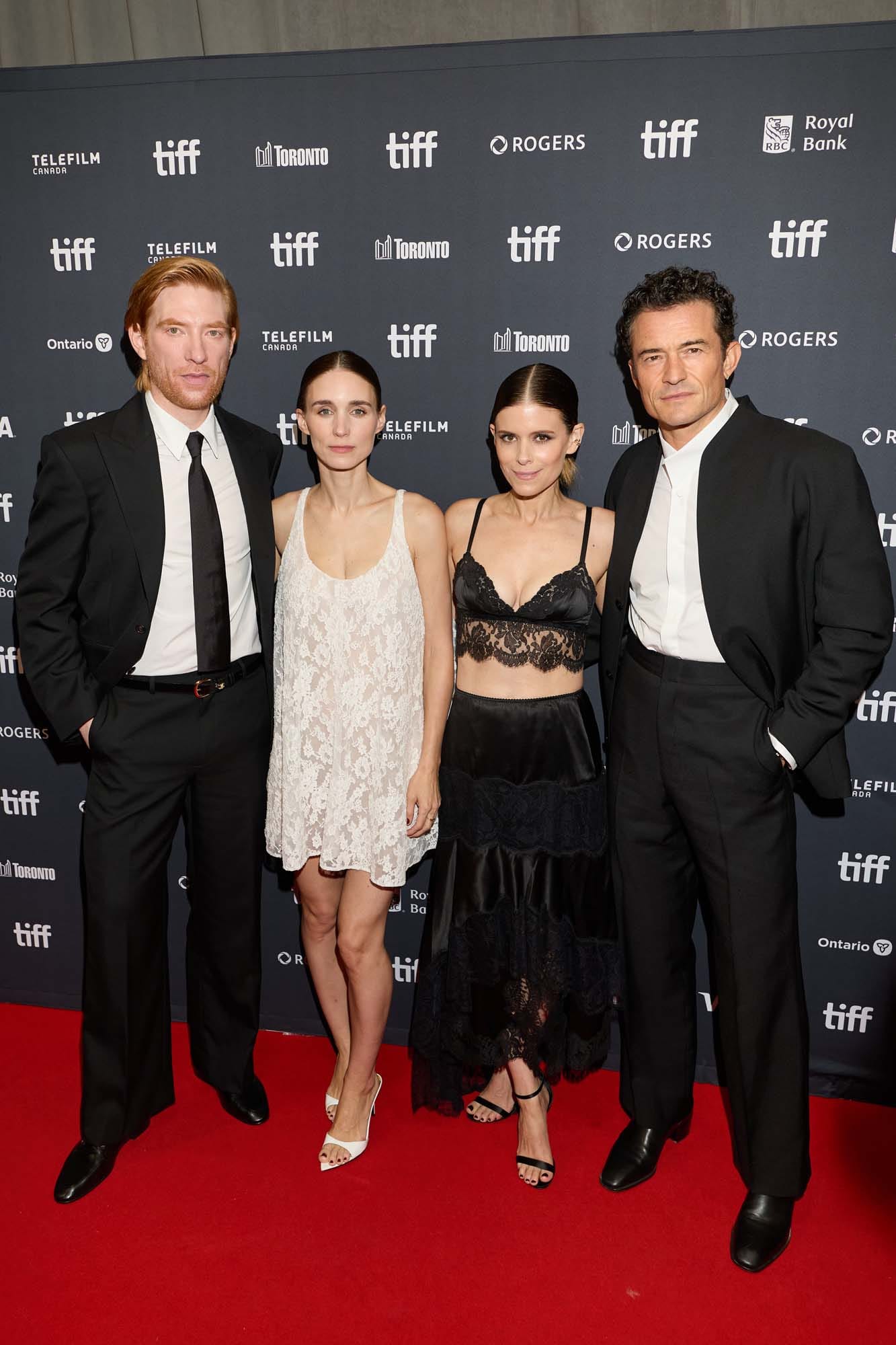
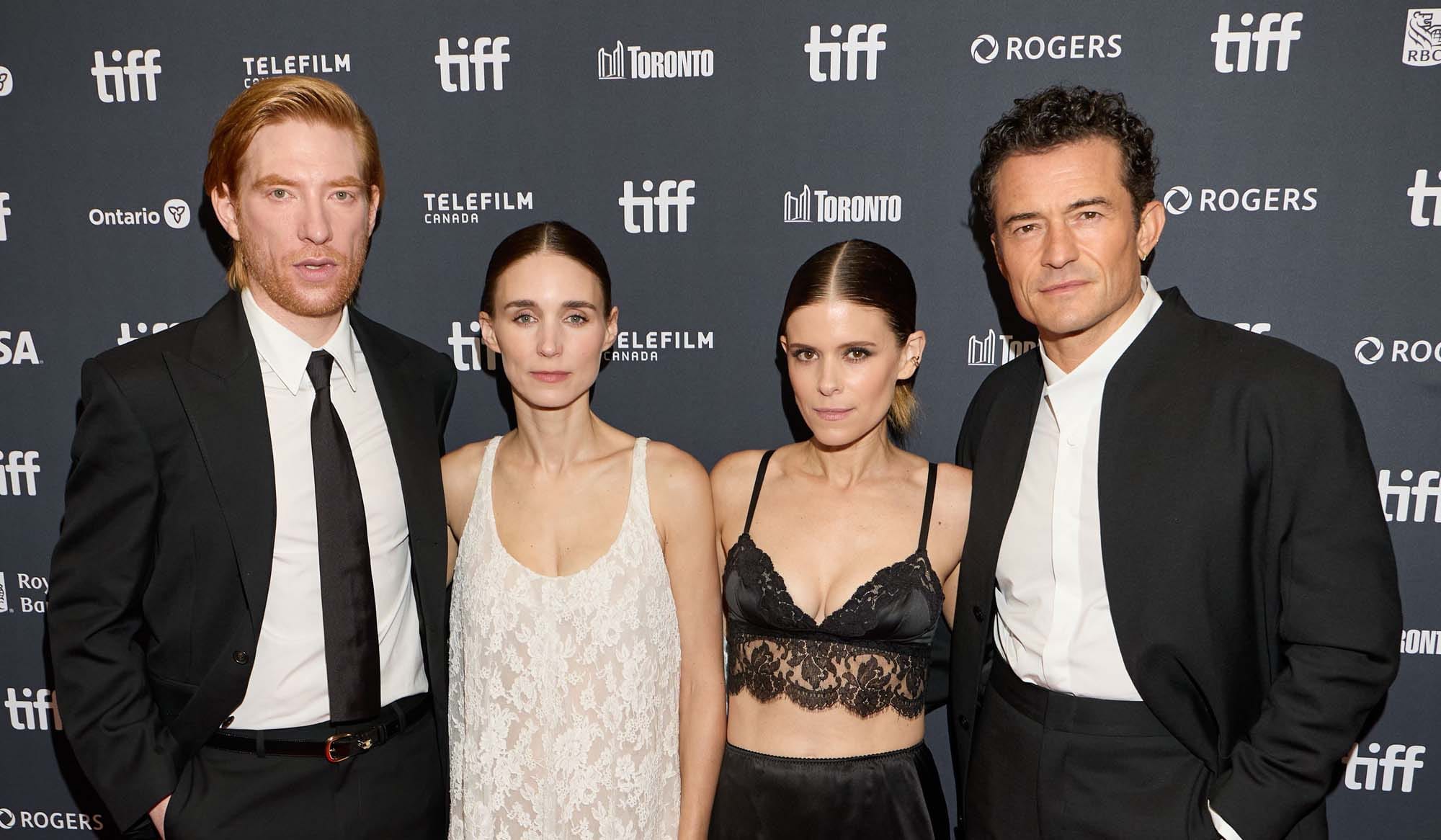
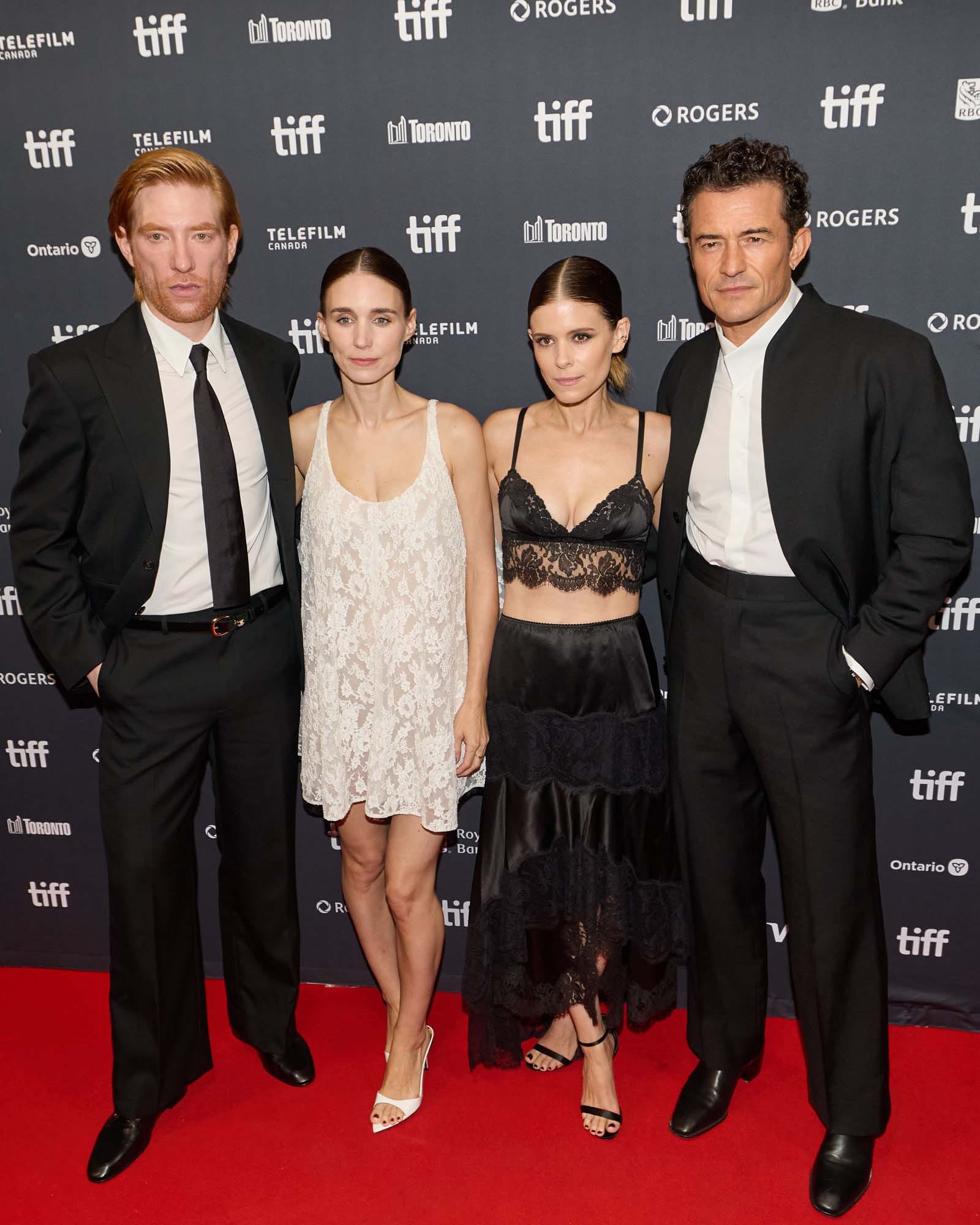
Domhnall Gleeson, Rooney Mara, Kate Mara, Orlando Bloom at the TIFF premiere of Bucking Fastard, September 14, 2026
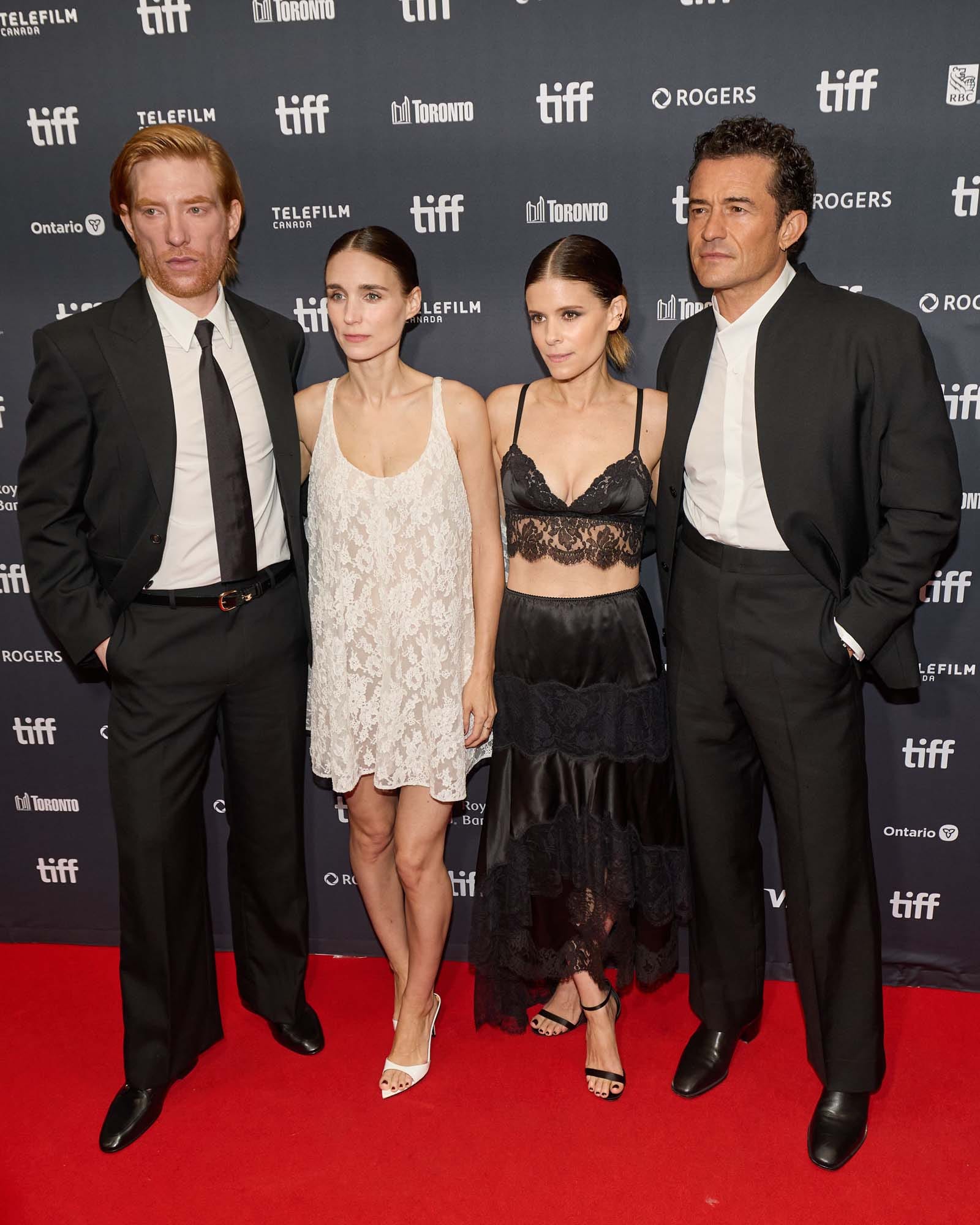
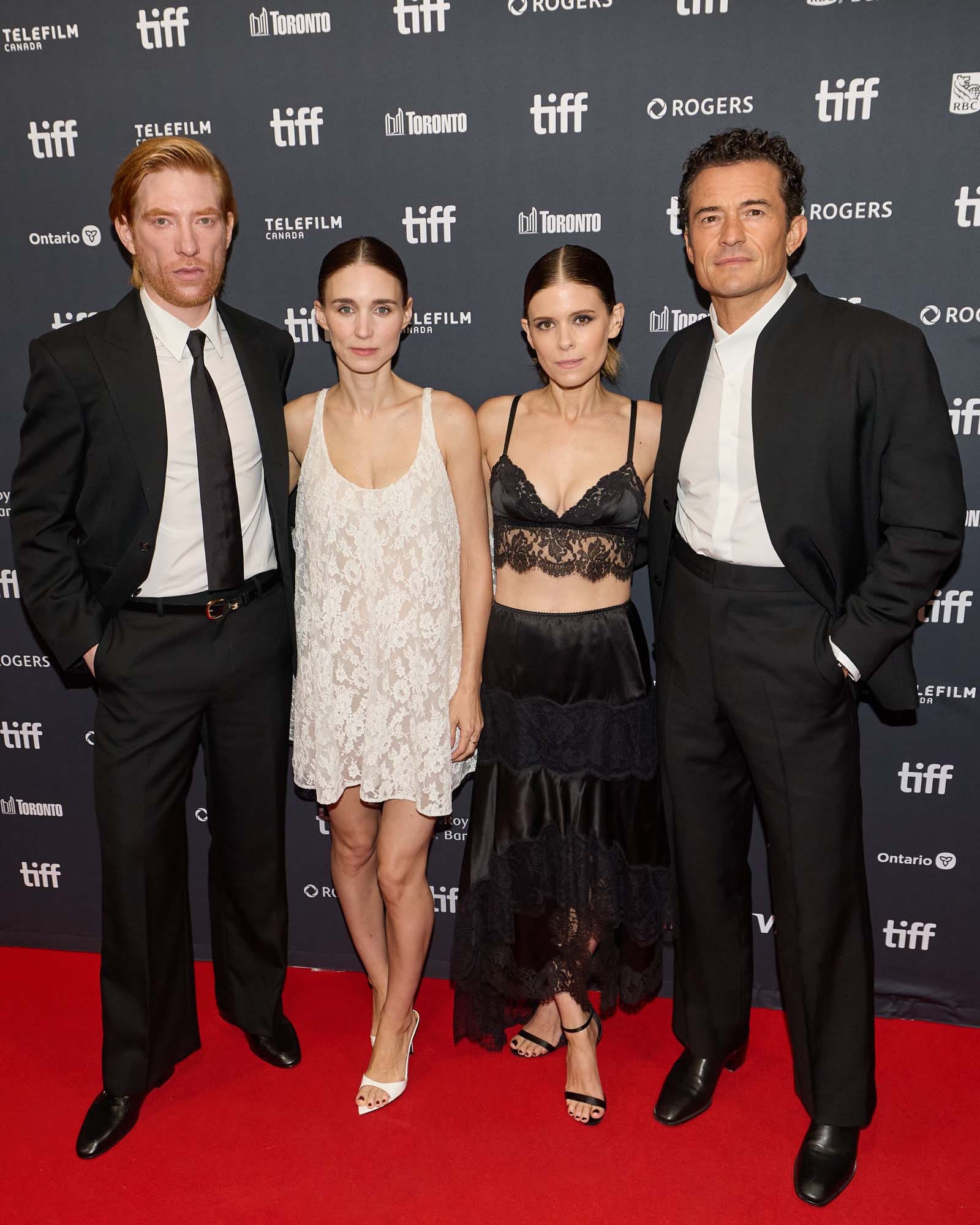
Domhnall Gleeson, Rooney Mara, Kate Mara, Orlando Bloom at the TIFF premiere of Bucking Fastard, September 14, 2026